
Commercial exteriors · Greater New Orleans
Your occupied property.
A clear access plan.
Identify the surfaces, operating needs and access questions before reviewing the washing scope for your property.
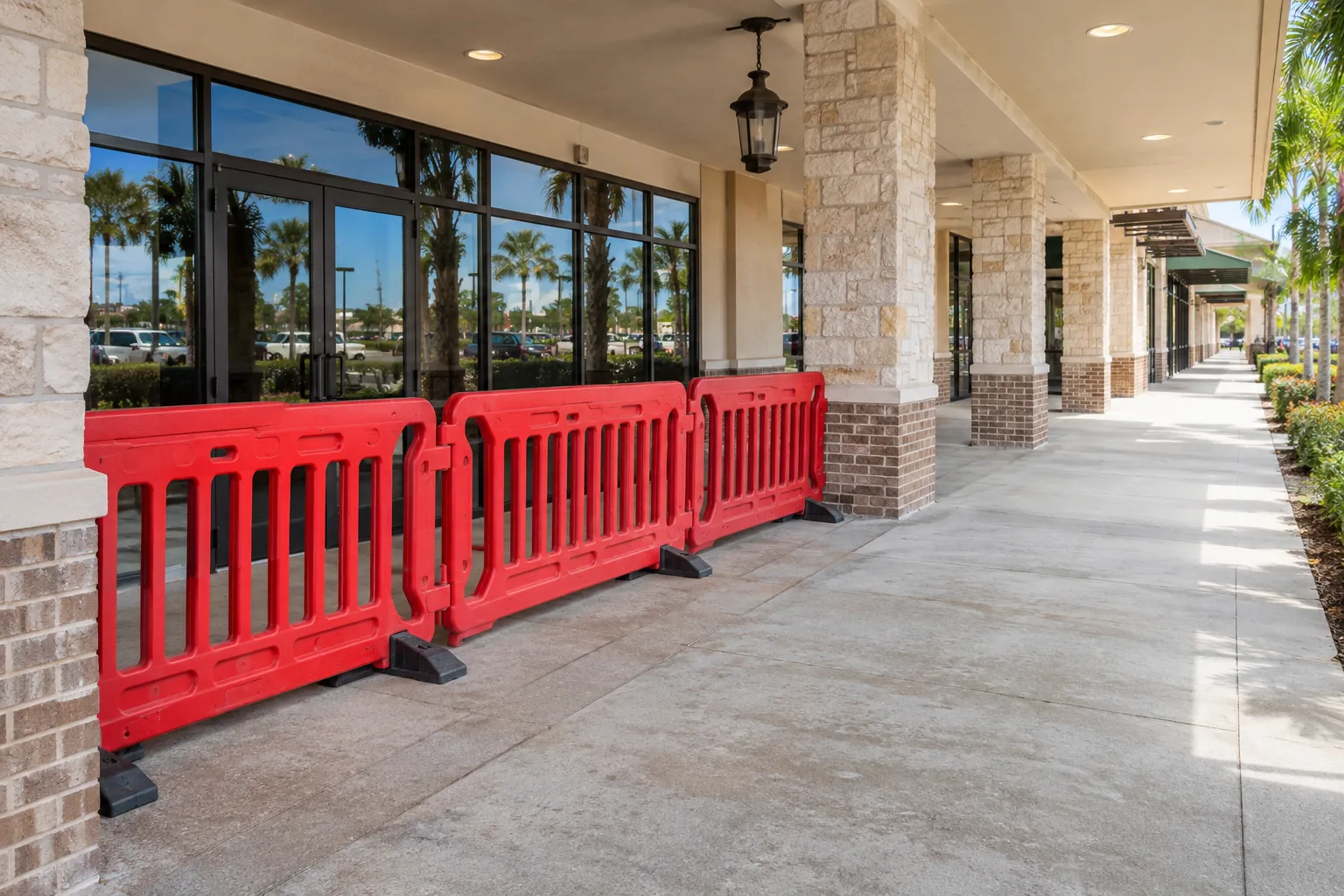
Your property. Your priorities. A clearly defined scope.
Draw the routes people use rather than an empty-site diagram
An occupied commercial property needs more than a note saying that washing will happen outside. Customers may approach from several parking areas, employees may use side doors, and deliveries may arrive while a frontage looks quiet. Before reviewing the cleaning method, identify how people actually move through the requested work area. A useful access plan separates the washing zone from a workable route and names the person who can authorize changes. It does not assume that cones, a sign or a quieter hour automatically resolve every conflict.
Start with entrances, parking approaches, connecting sidewalks and doors that staff use during ordinary operations. Include routes from neighboring tenants when the pavement is shared. Show where someone could step out unexpectedly, where a queue normally forms and where a delivery cart turns across the walking path. The drawing does not need professional graphics. A clearly labeled photograph can communicate more than a complicated plan that omits the door an employee actually uses for the first shift of the day.
Separate the surfaces requested for washing from the routes that must remain usable. Mark uncertain boundaries for discussion instead of declaring an alternative path approved. A narrow gap between equipment and a parked vehicle may be physically open but unsuitable as the route a property intends customers to take. Management should review the practical arrangement with the provider and the appropriate site contacts. Any access requirement that cannot be resolved may limit the proposed phase or require a different appointment window.
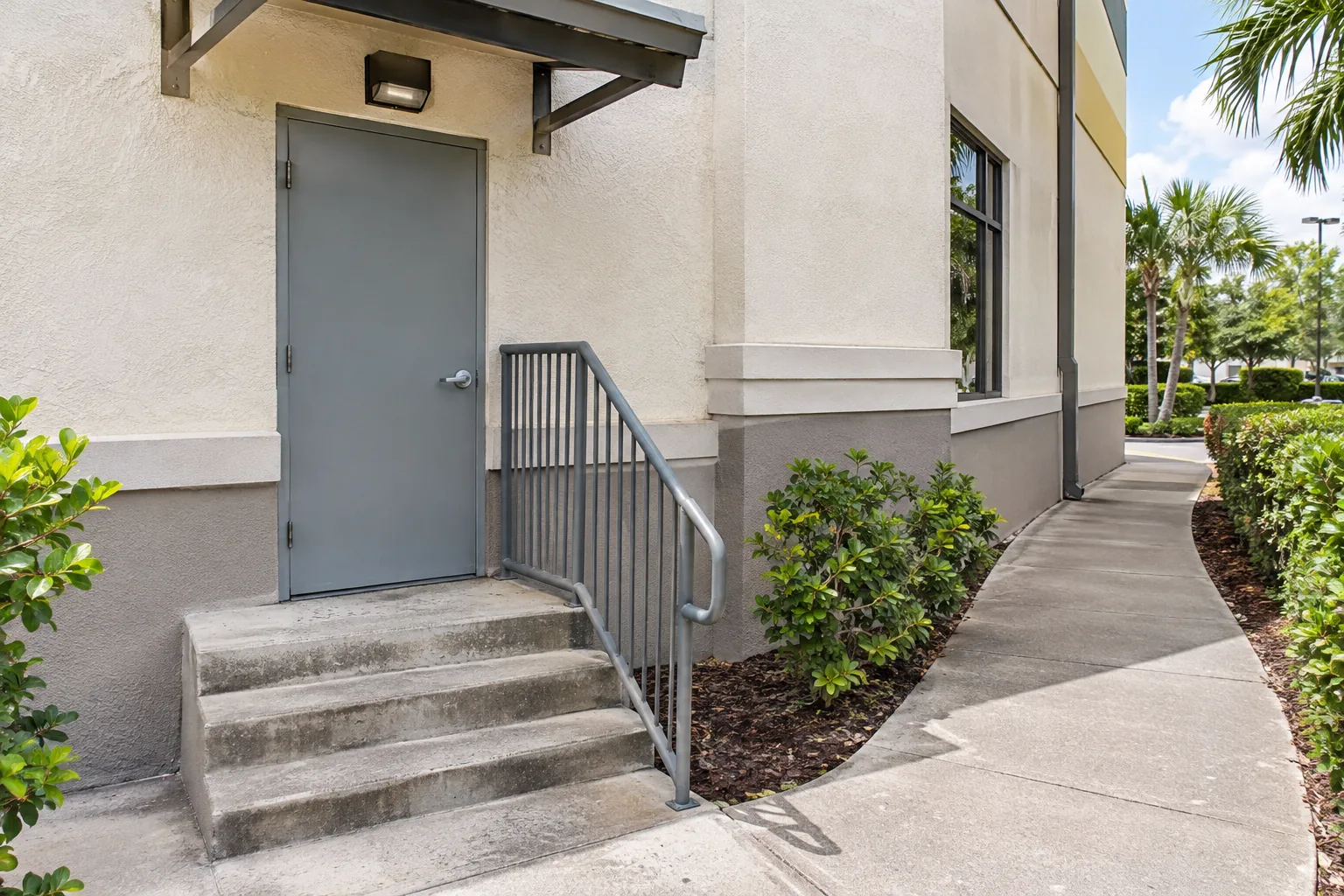
Describe the operation at the time of the proposed phase
List opening times, staff arrivals, deliveries, waste collection and regular service visits that intersect the requested area. Explain exceptions such as early appointments, a separate tenant opening first or a door used by a cleaning contractor before the public arrives. The provider cannot infer those movements from a photograph taken on a quiet afternoon. A useful schedule identifies who knows the operation and who will confirm the conditions for the specific work window rather than relying on an old directory listing.
Keep vehicle movements separate from pedestrian movements in the discussion. Customers may cross a drive lane, a loading activity may block a side route, or a vehicle may need to leave a space beside the proposed equipment location. Describe the conflict without asking the washing crew to assume traffic-control responsibilities beyond its agreed scope. If another party controls the route, include that contact early. Several organizations sharing a frontage need one coordinated arrangement instead of several incompatible instructions delivered independently to the same crew.
Treat spray, equipment and water as different boundaries
CDC guidance identifies pressure-washer spray, thrown objects, electrical hazards and engine exhaust as important hazards. Keeping people away from the operation requires a plan for more than the visible wand position. Equipment, hoses, water and adjacent openings can create different conflicts. This guide does not set a universal exclusion distance or replace the provider's task assessment. Ask how the actual proposed work zone will be separated from customers and employees, and which conditions would require the operation to pause.
Show openings, air intakes and partially enclosed areas in the estimate photographs. Do not assume that an open door makes engine placement acceptable, or offer indoor space as an easy way to conceal equipment. Equipment instructions and the actual site assessment matter. Management's role is to disclose how the property operates and resolve access arrangements, while the provider establishes appropriate equipment practices. A useful estimate records an unresolved placement problem rather than silently treating it as something the crew will work around on arrival.
Give notices a practical destination and a responsible sender
A notice should identify the affected location, anticipated work window, agreed route and contact for questions. Give employees and tenants information they can act on rather than a broad warning to be careful somewhere outside. Explain any preparation that management has actually approved, such as moving a display from a named entrance. Keep the notice aligned with the final phase boundaries. A diagram of yesterday's proposal can cause confusion if the crew is working to a different arrangement on the day.
Name who distributes updates and who can approve a change when operations differ from the plan. A front-desk employee may be able to answer a customer's question without being authorized to expand the washing area. Make that distinction clear to the provider. Where language, visibility or the way people approach the property affects communication, discuss it during planning. The goal is a consistent message at each entrance, supported by a real management contact, rather than a collection of signs with conflicting arrows or phone numbers.
Define what happens when somebody enters the work area
Unexpected entry is a planning question, not a reason to rely on an operator noticing every movement at the last moment. Ask how work will pause and who will coordinate the route when a customer, employee or delivery crosses the intended boundary. Do not direct a person through an active washing operation merely because the destination is close. A workable phase allows the provider and site contact to resolve the interruption without a debate about who was supposed to see which sign.
Include common exceptions in the conversation: a tenant returning for a forgotten item, a driver collecting a parked vehicle or a staff member unlocking a side door. Management should identify who can provide access when a door is needed unexpectedly. The provider should be able to raise a concern without being pressured to continue because an advertised opening time is approaching. If the arrangement stops working, the phase may need to change. The appointment should not depend on customers behaving exactly as a diagram predicts.
Have the property photos?
Let’s define the next step.
Send the address, requested surfaces and the contact who can confirm access.
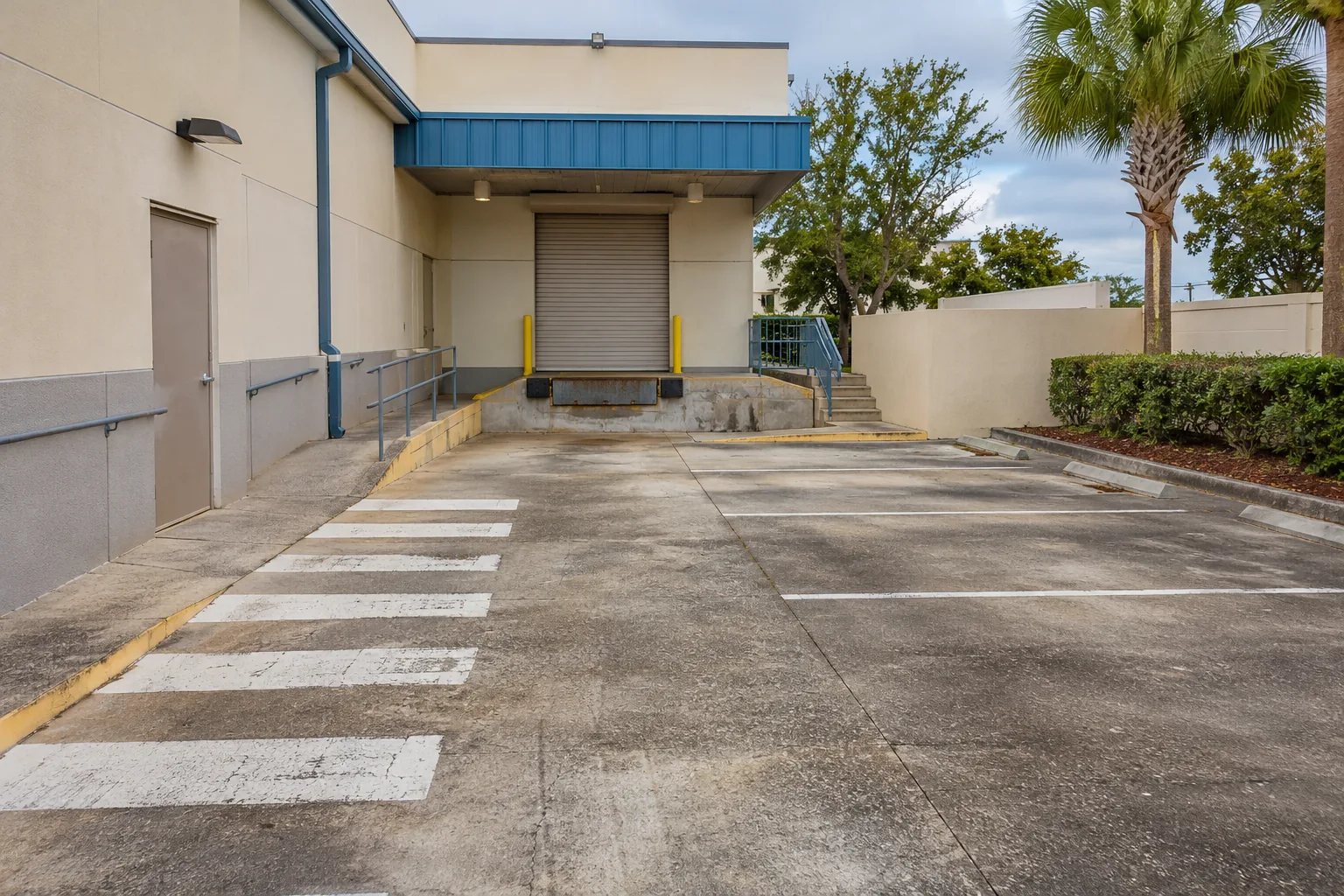
Review shared thresholds and the return to ordinary use
An entrance is often a change in material and use, with exterior paving meeting a threshold, mat, tile or interior floor. Show those transitions before the estimate and identify which surfaces belong in the washing request. Doors, displays, mats and nearby electrical equipment may need arrangements outside the contractor's assumed scope. Do not treat an instruction to wash the sidewalk as permission to move everything near the entrance or to apply the same treatment across every material at the doorway.
Agree on who reviews the completed phase and how the property decides when its ordinary route can resume. A surface looking cleaner in a photograph does not establish traction, certify safety or prove that every adjacent area is ready for use. Discuss remaining water, equipment removal and any condition that needs follow-up. Keep concerns linked to recognizable locations. A clear handover describes what was completed and what is still restricted or unresolved, without converting ordinary washing into a general certification of the premises.
Keep a record that the next shift can understand
Use a short phase log with the location, agreed boundaries, named contacts and any changes that occurred. Include photographs where they help explain an exclusion or a material condition, avoiding unnecessary images of customers, vehicle registrations or private records. If work stops before a zone is complete, mark that zone specifically. The next manager should not have to infer the status from a collection of wet-surface pictures or an employee's recollection that the crew was somewhere near the rear entrance.
Separate a cleaning observation from an incident report or repair request. Existing broken pavement, damaged fixtures or recurring leaks should be recorded for the appropriate follow-up rather than described as problems washing will solve. Where a concern arises during the appointment, use the property's established reporting process and the designated provider contact. Keep factual descriptions and supporting photographs together. This creates a usable handover across staff changes without making the article a substitute for the business's own safety responsibilities or specialist assessment.
If a nearby tenant is having unrelated work performed, include that contractor's expected movements in the coordination discussion. A previously clear route may become occupied by tools or deliveries from another project. Management should resolve the shared-space arrangement rather than expecting two independent crews to negotiate a customer route after both have already set up.
Request a scope that fits an occupied property
Send CoKo's the address, requested roof or exterior surfaces, route photographs and the operating times that affect access. Identify the most difficult movement first: a shared entrance, an early tenant, a delivery crossing or a passage with no obvious alternative. Ask for a scope review that considers those conditions. The request should make clear who can confirm arrangements and whether another owner or manager controls part of the frontage. That information supports a practical estimate rather than an assumption that the property can simply close.
Keep the service and its limits visible. Roof washing, soft washing and heated pressure washing require review for the actual surfaces; none removes the need to coordinate occupied access. This guide does not promise uninterrupted business operation, provide traffic management or certify a property safe. It helps customers and managers prepare a more complete discussion of zones, routes and handover. Request the actual property-specific quote, then confirm the agreed scope and preparations before announcing an appointment to the people who use the site.
A practical start.
Three useful steps.
Show the surfaces
Send wide photos and close views. Label the buildings and the areas that matter now.
Set the boundaries
Explain materials, access, preparation and the work window your property can support.
Review the scope
Confirm included surfaces, responsibilities and the next step before scheduling.
Pressure Washing Safety Around Customers and Employees.
Your questions, answered.
Your next exterior project.
Start with a clearer scope.
Text your address and the priority exterior photos. For a larger project, send the full property details.
Send your address. Show us what needs cleaning.
Text your address, a wide photo and a close-up of the buildup. We’ll review the surfaces and discuss your cleaning options.
Text photos for an estimate Start an online quoteCoKo’s Pressure Washing · (504) 296-9696