
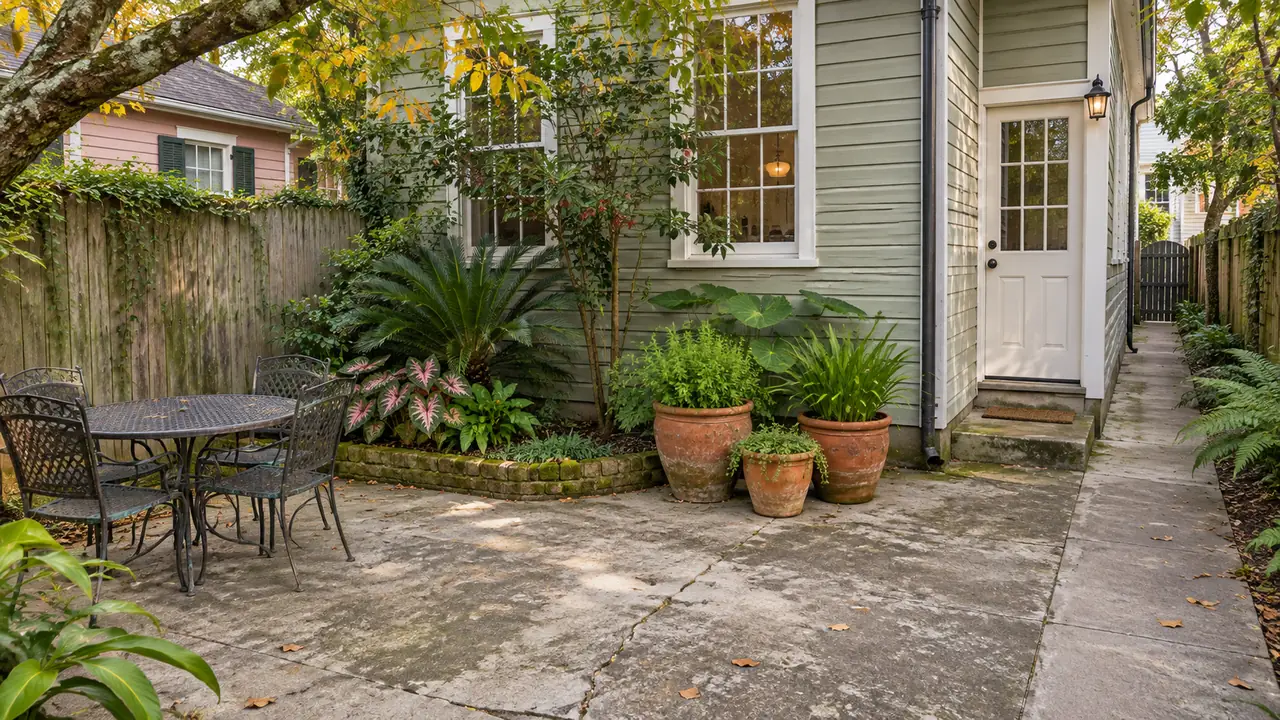
Start with the condition you can actually see
Look beyond the open patio slab. Furniture feet, planters, shaded edges and the route from the kitchen to the seating area can show different buildup and may need separate attention.
Define the work before choosing a date
Tell the cleaner whether the patio is coated, stamped or connected to delicate siding. Move lightweight furnishings and agree on what stays in place before cleaning begins.
Make the decision for your property
Divide the patio request into the open slab, covered areas and surrounding features. Tell CoKo’s whether furniture, rugs, planters and a grill will be moved or left in place. If guests will use an adjoining walkway, include that route in the photos and scope. Coated or decorative patios may have vulnerable sections that deserve close-ups. Do not wait until the appointment to reveal that a coating is flaking or a drain is blocked. Agree on the areas to clean and the preparation responsibilities before arranging the final furniture layout.
Identify the slab before choosing a treatment
A concrete-looking surface may be ordinary poured concrete, exposed aggregate, a cement coating, pavers or a decorative overlay. Photograph an edge, an expansion joint and any change in texture. Mention recent pours, repairs, sealers and coatings. A cleaner needs to distinguish embedded staining from a finish that is already wearing away. The condition of the surface layer limits what pressure and chemistry can safely accomplish; a harder-looking material is not permission to use the highest setting.
Separate organic buildup from oil and rust
Mark algae, oily spots and orange staining as different problems in your request. Organic buildup can spread over damp shaded sections, while petroleum can penetrate the slab and rust can react with the surface. One general wash does not necessarily treat all three. Ask which specialty treatments are included, whether a test area is appropriate and which shadows may remain. If a vehicle, irrigation component or metal item is still leaking or staining, correcting that source helps protect the cleaning result.
Measure connected areas separately
List the open patio, covered area, kitchen landing, side approach and steps as separate sections, even when they connect. A wide photograph should show where each section begins and ends. Note whether cleaning stops at an expansion joint, a property boundary or a material change. This avoids including a neighbor’s shared route or excluding the small path guests actually use. Label approximate measurements as estimates. Keep furniture footprints and areas that cannot be reached visible in the scope, and ask how those limits affect the proposed work.
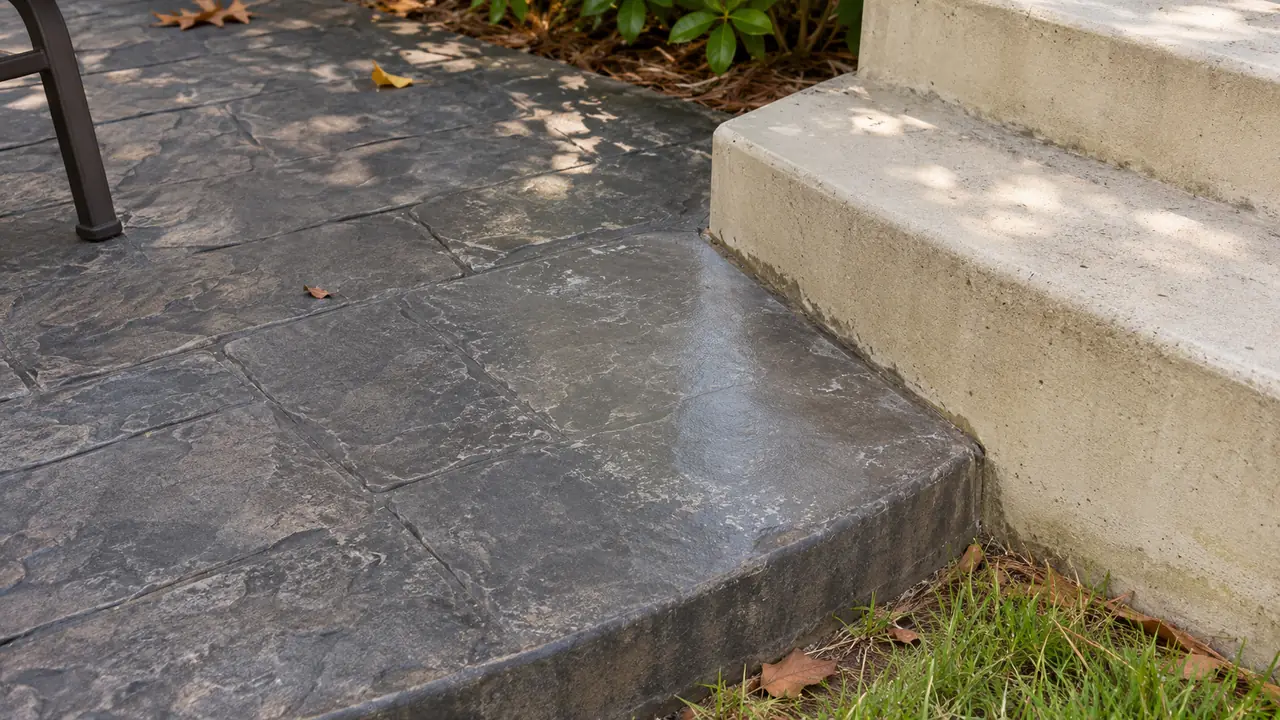
Look at the details
A closer view. A clearer request.
Show the material transitions, existing wear and access around the area you want washed. Include a wide view and a close-up so the request has useful context.
Plan a usable route around the work
Arrange a temporary route between the kitchen, side gate and seating area before hoses are placed. Moving a large table or grill during washing can interrupt the work and bring dirty water back across finished sections. Identify thresholds, steps, low points and drains in the estimate photos. Explain whether household members can use a different door while the patio is being cleaned. Wet paving still needs care after buildup is removed. Ask when each section can be used for the proposed treatment, and keep guests, furniture and food preparation outside the active work area until the agreed handover.
Account for coatings and decorative finishes
A clear sealer can be difficult to identify from a distant photograph. Tell CoKo's about any known coating, stain, stamped finish or earlier resurfacing. Include peeling edges, cloudy patches and areas where a tire or furniture has worn the finish. Cleaning should not be confused with stripping or restoring a coating. If sealing is planned afterward, the coating provider should specify the required preparation and drying conditions. Confirm that responsibility before booking separate contractors on consecutive days.
Inspect edges as well as the middle
Photograph the pavement next to grass, planting beds, brickwork and painted trim. Soil can wash back from a raised bed, irrigation can leave repeating marks, and mulch can complicate cleanup. A route that looks straightforward from the street may have a narrow access gate or a fragile drain cover at the far end. Those details affect equipment placement and containment. Show the whole job in context rather than asking someone to estimate labor from one close-up of the cleanest section.
Compare results after the surface dries
Wet concrete often looks darker and can temporarily disguise stain shadows or differences in finish. When reviewing the work, compare the same area after it dries and use the same camera angle and similar lighting as the original photograph. Distinguish residual staining from unremoved loose material. An old repair, permanent etching or aggregate variation can remain visible after a careful cleaning. Ask for an explanation before assuming that another stronger pass would improve the result without creating damage.
Build maintenance around the returning source
A patio beneath trees, a damp covered corner and an open sunny seating area may need different maintenance attention. Keep dated photographs showing where buildup returns first. Clearing fallen leaves, correcting runoff concerns and moving a planter that traps moisture may help address the source rather than simply repeating a wash. Show recurring marks near grill feet, furniture and irrigation separately. For the next estimate, send those observations with current photos so the scope follows the actual patio. Review the route to the kitchen and the table area together while preserving separate treatment requirements for different materials.
Plan backward from your gathering
Begin with the time guests will arrive, then work backward through furniture placement, cooking preparation and the cleaning appointment. A patio that looks empty in an estimate photo may hold a large table, a smoker and several serving stations on Thanksgiving. Tell CoKo’s which parts need to be available first and which can stay out of use longer. Ask about the expected access window for the actual surface and treatment, rather than assuming every patio can be furnished immediately. Weather, shade and the finish can affect drying. Keep the plan flexible enough to inspect the surface before rugs, electrical cords and heavy furniture cover it again. Confirm an appointment rather than treating a quote request as a reservation.
Give furniture a temporary home
Choose a staging location that does not block the back door, side gate or cleaner’s route. Lightweight chairs are different from a large stone table, a loaded storage cabinet or a connected grill. List the heavy items and agree on who handles them before the visit. Photograph furniture that must stay in place so the estimate can describe the accessible area and any exclusions. Keep cushions, table linens and decorations protected from the working area. Do not drag heavy feet across a vulnerable coating while trying to prepare. If something cannot be moved safely, explain that limitation and ask how it changes the cleaning boundary and the eventual furniture arrangement.
Separate the meal setup from the washing route
Look at the path from the kitchen to the table as a person carrying a serving dish would use it. Include the threshold, the first step and the narrow gap around a planter in your photos. That route may cross plain concrete, decorative paving and a wood landing, so show the material changes rather than describing everything as one patio. Explain whether another entrance is available during the work. Keep food preparation equipment, extension leads and portable cooking stations away from active hoses and wash water. Tell the cleaner about nearby outlets and existing drainage concerns. The goal is a defined access plan that the household can follow while the agreed sections are being washed.
Inspect before the table goes back
After the agreed work and the appropriate waiting period, review the open patio before moving everything into its final position. Compare dry areas in similar light and note any old wear, repair patches or remaining stain shadows that were discussed. Check the small connections that guests will actually use, including the door landing and side approach. If a concern remains, photograph the exact location and ask about it while the surface is still easy to reach. Avoid requesting an automatically stronger pass over a damaged finish. Keep the written scope and your preparation photos together so a later maintenance request starts with a useful record of the same patio and the same boundaries.
Send one practical patio request
A useful message can name the gathering date, property address, open patio area, connected guest route and items that will stay in place. Add a wide photograph before a close-up of a worn coating or stain. Identify the person who can approve the work and answer access questions. If the date is a preference rather than a fixed deadline, say so. Ask for the included areas and preparation responsibilities in writing, then review the agreed appointment details before arranging other contractors or moving a heavy table. That keeps the holiday plan tied to the actual patio instead of a general assumption about cleaning time.
Choose your next step
Review the related service and scope, check our service areas, or start your quote. Send the address and confirm availability for the actual property.
Questions about this project
Send your address. Show us what needs cleaning.
Text your address, a wide photo and a close-up of the buildup. We’ll review the surfaces and discuss your cleaning options.
Text photos for an estimate Start an online quoteCoKo’s Pressure Washing · (504) 296-9696

