Practical answer
A flat roof describes geometry, not a single roofing material or cleaning method. For example, Carlisle’s Sure-Weld TPO cleaning instructions recommend that membrane cleaning be performed only by a professional roofing applicator and warn about steam and excessive high-pressure water. Those instructions apply to the named system; they should not be transferred to every TPO, PVC, EPDM, coated or built-up roof.
Start with the roof-system records, warranty contact and the person responsible for roofing maintenance. Explain known leaks, repairs, rooftop equipment and access restrictions before asking what work is appropriate. Use available records and ground-level photographs; do not assume that a low-slope surface is safe to walk on. A general exterior-washing inquiry does not confirm membrane-cleaning qualifications, authorized roof access or warranty approval. Keep leak repair, drainage repair, coating work and roof-condition certification separate. Confirm the responsible provider and the written scope before treating any roof work as part of a CoKo’s washing appointment.
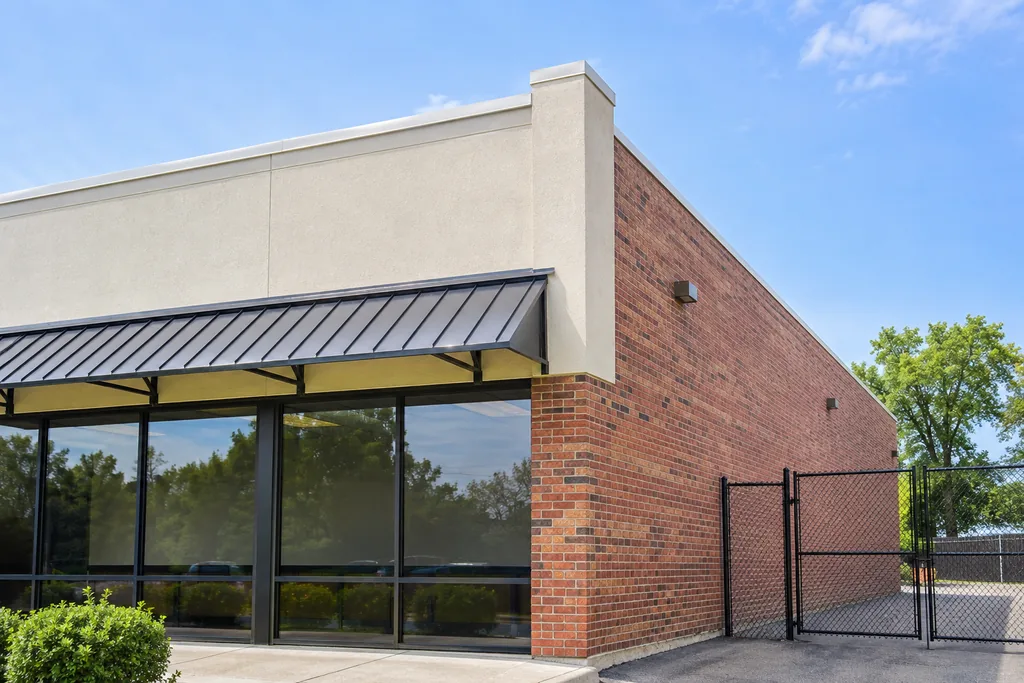
Flat describes a shape, not a cleaning specification
A low-slope roof may have a membrane, a coating, another roof covering or several systems from different projects. Begin with the records that identify what is actually installed. A pale roof surface in a photograph does not establish that it is TPO, and the term flat roof does not authorize a particular method. If the product is unknown, state that directly and identify the person who maintains the roofing records.
Carlisle's Sure-Weld cleaning document is specific to that manufacturer's TPO system. It is a useful example of why instructions must be tied to an identified product; it should not be applied as a universal rule for every low-slope roof. Before treating cleaning as an available service, establish the roof system, its care requirements and the appropriate responsible roofing provider. No photograph or general washing page can supply those missing approvals.
Find the people who can answer roof-system questions
For a commercial or managed building, the person requesting an exterior quote may not control roof access or warranty matters. Identify the owner representative, facility contact or roofing provider who can supply the relevant information. Use records you already have permission to share, such as the installation description, maintenance instructions and recent service notes.
Keep those roles distinct. An authorized site contact can coordinate a visit without being the person qualified to decide product compatibility. A washing inquiry should not imply that CoKo's is a manufacturer-approved roofing applicator or can interpret every membrane warranty. Where specialized qualifications or manufacturer involvement are required, establish them before any work is promised. The useful starting point is a clear chain of responsibility, not an assumption that all exterior contractors offer the same roof services.
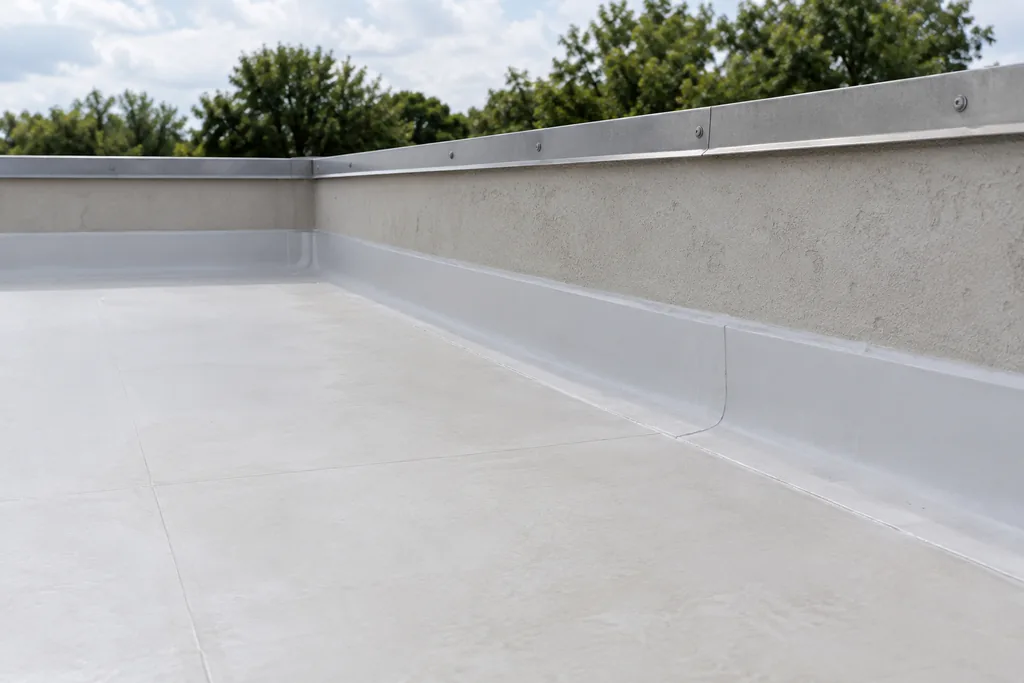
Map roof areas and later alterations separately
If reliable existing plans or records are available, use their area labels to distinguish the main roof, an addition, a canopy and any separately treated section. A building may have been reroofed in stages. Do not use documentation for one area as proof of the material on another. Identify what is confirmed and leave uncertain sections for further review.
Only provide photographs obtained from an already authorized and appropriate position. Do not climb a ladder, open a restricted hatch or step onto a roof to satisfy an online quote request. Existing inspection images may help when you are authorized to share them, but they still need a date and location. An unlocated close-up of a light-colored surface cannot establish the scope or condition of the complete roofing system.
Separate cleaning concerns from roofing defects
Describe the maintenance concern in plain language, such as visible surface dirt in an existing inspection photo or an appearance question raised by the roof provider. Report known leaks, damaged areas or unresolved roofing recommendations separately. A washing conversation should not diagnose the cause of ponding, certify seams or declare that penetrations are sound.
Ask the responsible roofing professional whether a condition must be resolved before cleaning is considered. Cleaning is not membrane repair, drainage correction or a substitute for a roof inspection. If an area remains held, keep that limitation attached to the roof map or project notes. A more uniform appearance afterward would not establish that the roof's waterproofing performance or underlying condition had been evaluated.
Identify drains and rooftop equipment as planning information
Roof records may show drains, scuppers, equipment curbs and other components. Their presence should be described for review without inviting an unqualified person to touch them. Do not assume that a cleaning proposal includes opening drains, servicing equipment, repairing flashing or moving rooftop objects. Each responsibility needs to be assigned by the appropriate authorized party.
If the property has environmental or site-management requirements, provide the relevant information through the responsible contact. A visible roof outlet is not evidence that every cleaning discharge is permitted there. Ask how such questions will be resolved before a scope is treated as ready. This guide does not give a discharge approval, drainage design or operating procedure for a particular roof; it helps keep those decisions visible rather than burying them in a general washing request.
Describe the surface. Clarify the request.
Make access a prerequisite rather than an assumption
Restricted roof hatches, occupied interiors and controlled service routes can affect whether a visit can be arranged. Explain those conditions through the facility contact. A provider should not be assumed to have access because another contractor previously worked on the building. Nor should a customer be asked to bypass a lock or enter a controlled area to create additional photographs.
Ask who authorizes access, who accompanies visitors when required, and what remains unresolved. Keep access arrangements distinct from technical approval of the cleaning work. Both may be needed, but one does not establish the other. Until the responsible people confirm an appropriate plan, the request can remain an information-gathering inquiry rather than a scheduled service promise or an assumption about equipment and high-access capability.
Keep product instructions attached to their exact scope
When the system has been identified, ask the responsible provider to confirm the applicable current care information. Manufacturer documents can distinguish permitted maintenance from incompatible processes. The question is which instructions apply to the actual roof, its finish and its existing condition. A general internet procedure or a document for a different membrane should not replace that determination.
Do not ask for an improvised pressure setting, chemical mixture or treatment sequence from a photograph. Those details belong to the applicable product requirements and appropriately qualified provider. The customer's record should instead identify the document, the roof area it covers and any condition that still requires review. Keep manufacturer or warranty correspondence separate from promotional claims so that a reference link is not mistaken for an approval of a business or an individual project.
Read a proposal for what it excludes as well as includes
If the inquiry reaches a proposal, check the identified roof system, areas, purpose and responsible parties. The document should make clear whether it offers cleaning, an inspection, another service or only a conditional assessment. Do not allow a broad flat-roof label to obscure the absence of product information or unresolved access and qualification questions.
Keep repairs, drainage work and equipment maintenance separate unless an appropriately established scope expressly includes them. Ask what happens if the information encountered on site differs from the records supplied. A conditional decision should remain conditional until the relevant facts are resolved. The aim is a service description that can be reviewed by the owner and roofing contact, rather than an unsupported assurance that a generic exterior wash can handle every low-slope assembly.
Retain a roof-specific record for future maintenance
Preserve the identified system, area labels, relevant instructions and any agreed limitations with the building's maintenance records. A completion record should state the actual work performed without becoming a certification of the entire roof. If an unresolved defect or separate recommendation remains, keep it directed to the responsible roofing professional instead of interpreting an appearance change as proof of repair.
When approaching CoKo's about a property with a flat or membrane roof, start with the address, known roof information and the responsible roofing contact. Explain whether you are asking about the roof itself or the adjacent walls, paving and other exterior areas. Those requests can be separated while roof requirements are established. No roof cleaning, specialist qualification, warranty outcome or drainage result should be assumed from the initial inquiry.
Questions about this material
1. Identify the surface
Use existing product and finish records.
2. Show the condition
Connect accessible close-ups with an overview.
3. Agree the limits
Resolve scope and responsibilities before work.
Start with your property information
Send your address. Show us what needs cleaning.
Text your address, a wide photo and a close-up of the buildup. We’ll review the surfaces and discuss your cleaning options.
Text photos for an estimate Start an online quoteCoKo’s Pressure Washing · (504) 296-9696