
Begin with the surfaces that affect everyday use
A fall cleaning plan works best when it starts with how the property is actually used. Walk your ordinary arrival route and note the porch, steps, door surround and pavement that people encounter. Then look at areas used less often, such as a rear patio or side gate. A visible mark on a distant wall does not automatically deserve attention before the entrance you use every day. Put the observations in an order that reflects your household or business, rather than choosing the largest possible washing package.
Make separate notes for appearance, access and a condition that needs another trade. For example, a darkened walkway belongs in a surface-cleaning inquiry, while a loose step or a door that leaks should be identified separately. Washing does not repair those defects. This distinction makes your request clearer and helps prevent a seasonal tidy-up from becoming a promise about safety or building condition. If an area cannot be approached safely, describe it from a suitable position instead of continuing your walk.
Look upward without turning the review into a roof inspection
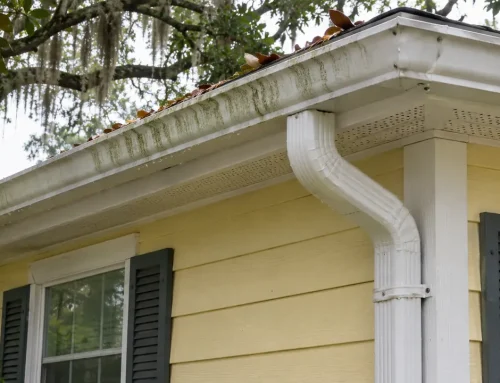
Roof washing may be part of your fall priorities, but a property owner's preparation does not require climbing. From a safe ground position, describe which roof face has the visible streaking, whether the material is known and what portions are hidden by trees or adjoining structures. A photograph of a dark area is useful context; it is not a diagnosis of the roof beneath it. Mention known leaks, repairs or loose materials so those concerns are not mistaken for ordinary cleaning observations.
Roof, gutter and wall requests should remain distinct even when they appear in one photograph. Mark whether the concern is the roofing surface, the outside face of a gutter, accumulated material inside a gutter or the wall below. Do not assume that a roof-washing proposal includes every one of those items. If you have product or installer instructions, gather them before requesting a method recommendation. The final scope should follow the actual material and condition, not the fact that it is fall.
Compare shaded walls with the rest of the building
A single wall can look different from another without the whole building needing identical treatment. Notice the shaded side, the area behind shrubs, the wall beneath an overhang and any section that stays visually darker than its surroundings. Identify the material where you can: painted siding, brick, a coating or an unknown finish. These observations help organize a house-washing or commercial soft-washing discussion. They do not establish the cause of a mark or justify choosing pressure from a photograph.
Include the features that may complicate access. An outdoor outlet, window opening, loose trim, an attached awning or plants close to the wall should be visible in the wider photograph or described in a note. Mention existing deterioration before work is proposed. A seasonal cleaning request should not quietly become paint removal, caulking, refinishing or repair. Keep the question practical: which elevations and details do you want reviewed, and what known limitations should the cleaner take into account?
Divide pavement by use, material and boundary
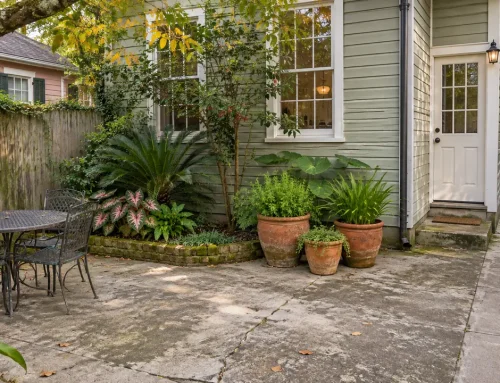
Treat a driveway, front walk and patio as separate parts of the request, even if they connect. Explain where each requested area begins and ends. Include steps, landings, borders and changes between plain concrete, pavers and decorative finishes. A whole-property photograph can show the relationship, while closer images identify the particular surface. This is especially useful when only the entry route needs attention or when an adjoining paved area belongs to someone else.
Describe the marks you see without promising what washing will remove. General discoloration, isolated spots, visible coating wear and a recurring mark beneath a fixture are different observations. If you know about an oil spill, an old sealer or a recent repair, say so. Do not select heated cleaning simply because a spot is dark, or assume a surface cleaner is appropriate for every decorative finish. Ask for a surface-specific review and keep restoration, repair and ordinary washing as separate decisions.
Plan around leaves, furniture and ongoing yard work
Fall preparation often overlaps with other household projects. Explain whether landscaping, trimming, painting or outdoor furniture changes are planned, and ask how those activities affect the proposed washing sequence. Do not guess at a universal order for every contractor. If work will leave a route blocked or change the condition being quoted, that information belongs in the conversation before you agree to a date. Photographs should show the property in its present condition, with any expected changes explained.
Decide who can move movable belongings and which items should stay in place. A grill, storage box, planter or seating group may hide part of the surface and affect the accessible boundary. Moving those objects is not automatically included in a washing estimate. Likewise, collecting yard debris or hauling material away should not be assumed. Identify the responsibility for each preparation item, including anything too heavy or fragile for you to move. Leave uncertain tasks for discussion rather than treating them as agreed work.
Describe the route a proposed crew would actually use
An estimate should account for the approach to the requested surfaces. Show a side gate, narrow passage, detached structure or rear courtyard when it is relevant. Tell CoKo's which entrance is available and whether another person controls it. A public street, a shared driveway or a neighbor's gate should not be treated as permission to bring equipment through. Photos from an authorized position can explain a boundary without exposing private interiors or requiring you to enter an area you do not control.
For a shared or occupied property, identify the person who can approve the request. A resident may be able to describe a wall while a manager controls the exterior scope. An employee can point out a customer entrance without setting the building's work schedule. Explain deliveries, guest visits or normal operating periods as planning information, then ask what coordination is needed. Do not assume that describing a quieter time guarantees access, uninterrupted use or a particular completion window.
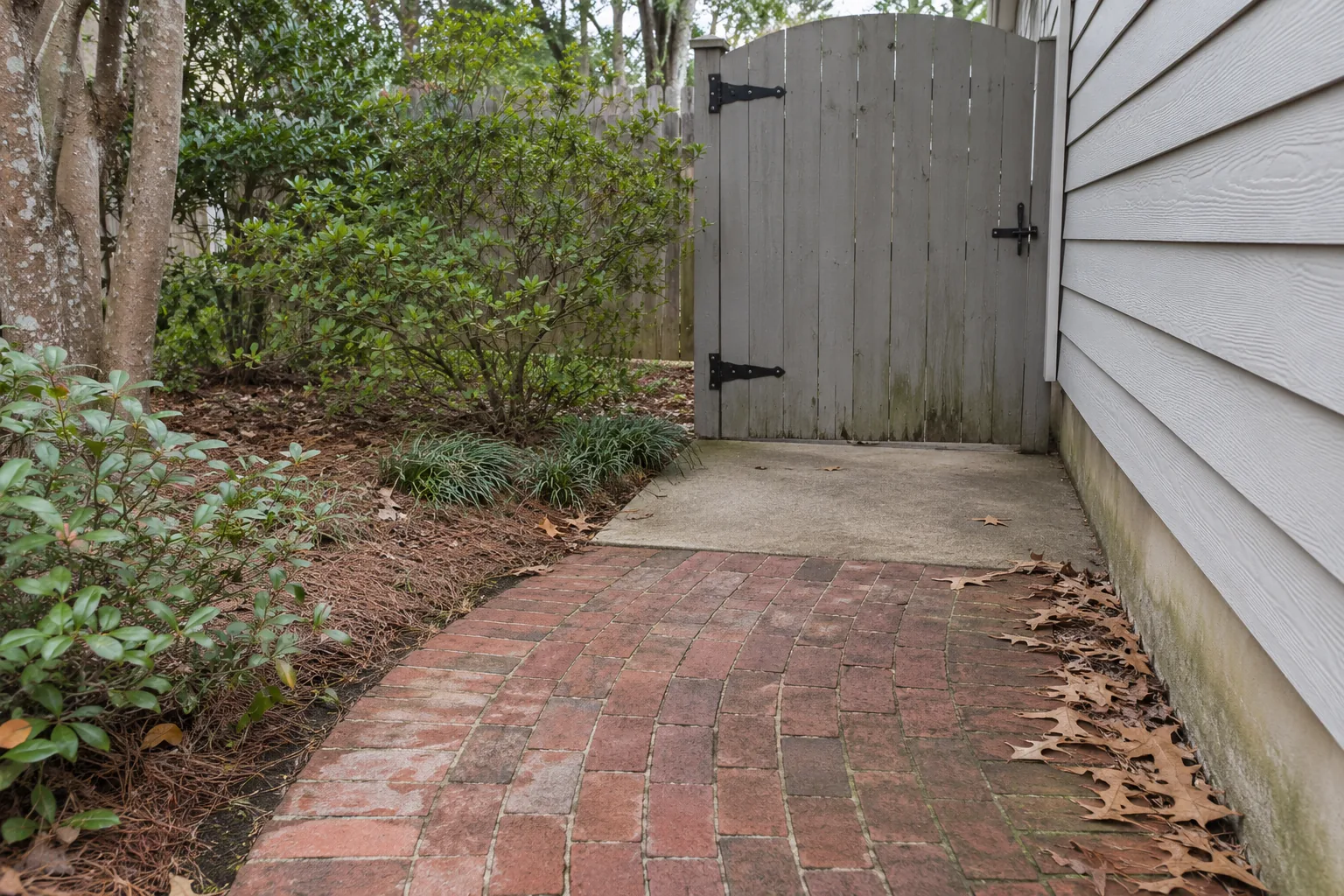
separate path materials and gate access belong in the request.
Let the calendar shape the question, not the result
If a gathering, inspection or seasonal project is approaching, give the real date and explain what matters most before it. Ask about availability and the areas that can reasonably be reviewed. A deadline should not lead you to request an unsuitable method, leave a repair undisclosed or assume that every surface will be ready for immediate use. Weather, the actual finish and the agreed work can affect the plan. Those details should be discussed rather than replaced with a general fall-cleaning promise.
A smaller, well-defined request may be more useful than an uncertain whole-property list. You might prioritize the house elevations and front approach now while keeping a separate question about a coated patio. Ask how the proposal describes included surfaces, preparation and any exclusions. Do not interpret a quick online response as confirmation that every photographed item is covered. Keep the original observations available so you can compare the written scope with the areas you intended to address.
Build one clear request from your notes
Put the property address first, followed by a short list in priority order. Name the roof or wall faces, the paved areas and any known material or access questions. Pair an overview with a few labeled detail photographs. Clear labels such as front porch, side wall or rear patio are easier to review than an unexplained collection of close-ups. Give approximate dimensions only when you can describe what they measure; avoid turning a guess into an exact square-foot claim.
Before approving the next step, check whether the response addresses the priority list you sent. Ask about an omitted area, an unclear boundary or a task that depends on another contractor. Keep roof washing, soft washing and hard-surface washing tied to the specific surfaces under review. This approach produces a useful fall plan without implying that every property needs the same package. The goal is an understandable request and an agreed scope that fits your actual property.
Frequently asked questions
Send your address. Show us what needs cleaning.
Text your address, a wide photo and a close-up of the buildup. We’ll review the surfaces and discuss your cleaning options.
Text photos for an estimate Start an online quoteCoKo’s Pressure Washing · (504) 296-9696