
Practical answer
A stucco-like appearance does not identify every part of a wall assembly. Sto’s RC100 cleaning specification treats solid substrates, EIFS cladding and foam features differently, and distinguishes cleaning a coating that will remain from removing a coating. Its instructions therefore should not be reduced to a single pressure or temperature rule for everything that looks like stucco.
Identify the known wall system and finish before discussing a cleaning method. Share installer records if available, and photograph cracks, patched areas, trim and places where the finish differs. If the assembly is uncertain, make that an unresolved scope question rather than a guess. Describe visible discoloration without treating a photograph as a diagnosis. Ask what can be assessed before washing and which concerns need a separate wall-system professional. A cleaning request does not include crack repair, recoating, waterproofing or a guarantee that staining will not return.

A textured appearance does not identify the wall assembly
Two walls with similar texture can have different construction and maintenance requirements. For a cleaning request, describe whether the wall system is confirmed traditional stucco, an identified EIFS assembly, another coated system, or unknown. Use records you already have rather than cutting, probing or removing material to investigate. Installation information, a prior repair document or the responsible building professional's records can help establish what is actually being considered.
Sto's wall-cleaning specification explains that methods are not equally appropriate for all substrates and calls for project-specific evaluation. That supports a careful scope discussion rather than a universal promise for every rendered wall. The useful question is not simply whether stucco can be washed. It is which assembly and finish are present, what condition is known, and what information is still needed before a suitable cleaning proposal can be made.
Connect finish records with the requested elevation
Separate the assembly information from the visible finish history. A building may have had a repair, repainting or an additional coating after the original installation. Note those changes when you know them and identify which elevations they affect. A repair invoice connected to the correct wall is more useful than an assumption that every textured surface has remained unchanged since construction.
Photograph a full elevation before taking details of texture or discoloration. Label repaired patches and transitions so that someone reviewing the request can locate them in context. If the documentation applies only to one portion of the building, say so. Do not stretch a product sheet for a recent addition into a claim about the older structure. Unknown areas can remain review items while confirmed areas are discussed on their own terms.
Keep cracking and water concerns outside a cosmetic promise
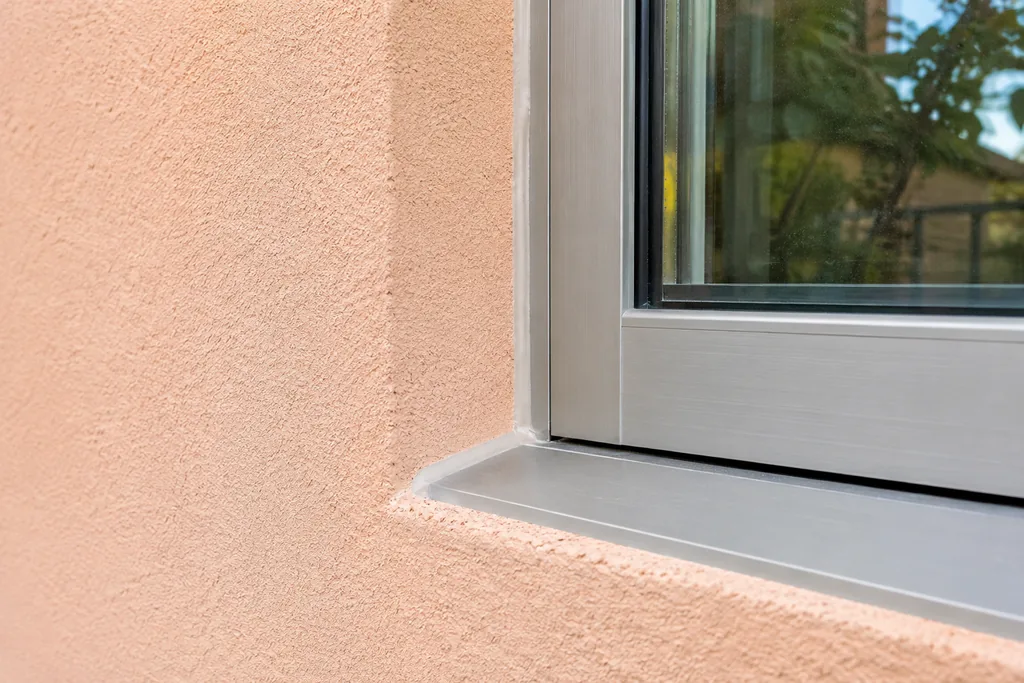
Identify visible cracks, open joints, damaged areas and locations where water entry has been reported. Describe what you have observed without naming an unconfirmed cause. A photograph of a mark below a window cannot establish the condition of concealed layers. Likewise, washing should not be presented as repairing the wall system or certifying that the building is watertight.
Before scheduling, ask whether the concern requires a separate building-envelope or repair assessment. If a qualified professional has already reviewed the location, provide the relevant information to the person preparing the scope. The cleaning proposal should state any exclusion or condition that remains unresolved. That record lets a maintenance request move forward where appropriate without turning a cleaner-looking surface into an unsupported claim about the performance of the entire assembly.
Describe appearance concerns in a way that can be reviewed
Differentiate broad surface buildup from a few isolated marks, visible repair patches or color variation. Show where each concern sits relative to windows, parapets, roof edges and neighboring materials. Explain whether the objective is routine maintenance, preparation for a separately specified coating project, or investigation of an appearance issue. These are different starting points and may require different people to answer the next question.
Keep the original photographs unfiltered. A distant shaded view may conceal a texture difference, while a tightly cropped image may make a small patch seem to cover the entire wall. Provide both views and let the uncertainty remain visible. The estimate can then describe the requested cleaning area and any appearance limitation, rather than promising a uniform new finish or diagnosing every stain from a phone image.
Treat joints, openings and adjacent finishes as scope boundaries
A rendered elevation includes more than its broad textured surface. Windows, doors, sealant joints, vents and attached fixtures create boundaries that should be identified in the request. Note nearby brick, metal, painted trim and glazing separately. Ask which components are included in the cleaning proposal and which require a different scope or remain outside it.
Do not assume the provider will repair joints, remove fixtures or correct an opening detail as part of washing. If those tasks are necessary, identify who is responsible and whether the cleaning decision depends on their completion. For a commercial property, confirm that the person approving the proposal has authority over the requested area. A tenant's entrance request may not authorize work on every shared façade or another occupant's fixtures.
Describe the surface. Clarify the request.
Plan access around the actual building
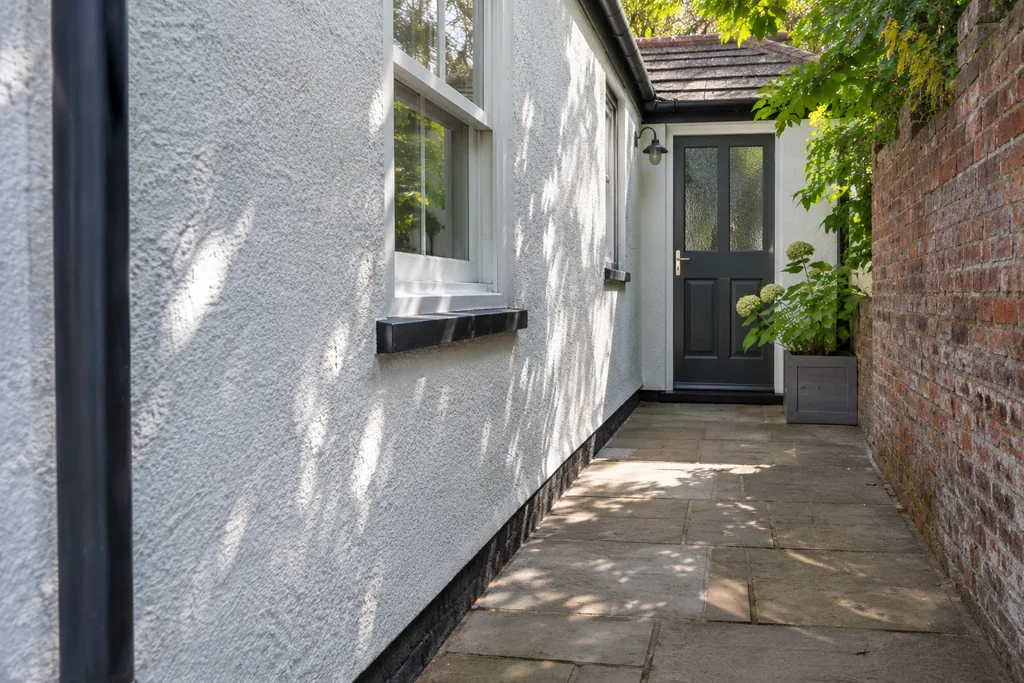
Provide ordinary ground-level views of courtyards, entrance canopies, narrow passages and changes in elevation. Explain any route that must remain available to occupants. A photograph of a tall wall is useful for discussion but does not confirm that suitable access is available. Ask which portions can be evaluated from the information supplied and which require further site review.
Where landscaping or stored items restrict access, discuss preparation without assuming that moving or removing them is included. For managed buildings, identify an authorized contact who understands deliveries, tenant access and site arrangements. Those operational details belong beside the material information because both affect a workable scope. They should not be converted into an unverified promise of overnight completion, uninterrupted operations or specialist high-access capability.
Ask for a reviewable method and expectation
Request an explanation of how the proposed work relates to the identified finish and applicable instructions. Where a preliminary evaluation or trial is proposed, ask what it is intended to establish and who will review the result. Do not assume that a small reviewed area guarantees identical results across an entire building with different repairs, exposure and coatings.
A useful proposal states the requested elevations, material assumptions, exclusions and expected maintenance objective. It should identify what happens if a condition differs from the initial information. That is more informative than comparing only service labels or treating a phrase such as soft washing as a complete technical specification. The customer needs a recognizable description of the work and its limits, not an equipment slogan standing in for a project decision.
Coordinate cleaning with a separate restoration project
If a restoration or recoating project is planned, tell the provider before requesting a maintenance price. The designer, coating supplier or responsible professional may have requirements that belong to that project. Do not substitute a general washing proposal for a preparation specification, and do not assume that cleaning includes patching, recoating or a manufacturer warranty process.
Keep documents associated with the correct scope. A maintenance request for one elevation can remain distinct from a future whole-building restoration. If sequencing matters, identify the decision that must happen first and who is responsible for it. This avoids approving cleaning on an assumption that another contractor has already resolved a repair or finish question. The scope can stay conditional until the relevant project information is available.
Close the conversation with clear records
Retain elevation names, identified system information and the agreed exclusions for the completion review. Revisit the original concerns in their actual locations. If there is a remaining appearance difference, discuss it against the expectation that was documented rather than assuming that every variation is removable buildup. Cleaning records should describe the work performed without claiming concealed-condition inspection or certification.
For a CoKo's quote request, begin with the address, requested rendered elevations and ground-level overview photos. Include existing product or repair records when available, and identify whether stucco, EIFS or another system is confirmed or unknown. Explain occupied access and any existing crack or moisture concern. That information supports an honest discussion of possible scope while preserving separate responsibilities for wall-system diagnosis, repair and restoration.
Questions about this material
1. Identify the surface
Use existing product and finish records.
2. Show the condition
Connect accessible close-ups with an overview.
3. Agree the limits
Resolve scope and responsibilities before work.
Start with your property information
Send your address. Show us what needs cleaning.
Text your address, a wide photo and a close-up of the buildup. We’ll review the surfaces and discuss your cleaning options.
Text photos for an estimate Start an online quoteCoKo’s Pressure Washing · (504) 296-9696