
Commercial exteriors · Greater New Orleans
Your washing window.
A property-specific plan.
Identify the surfaces, operating needs and access questions before reviewing the washing scope for your property.
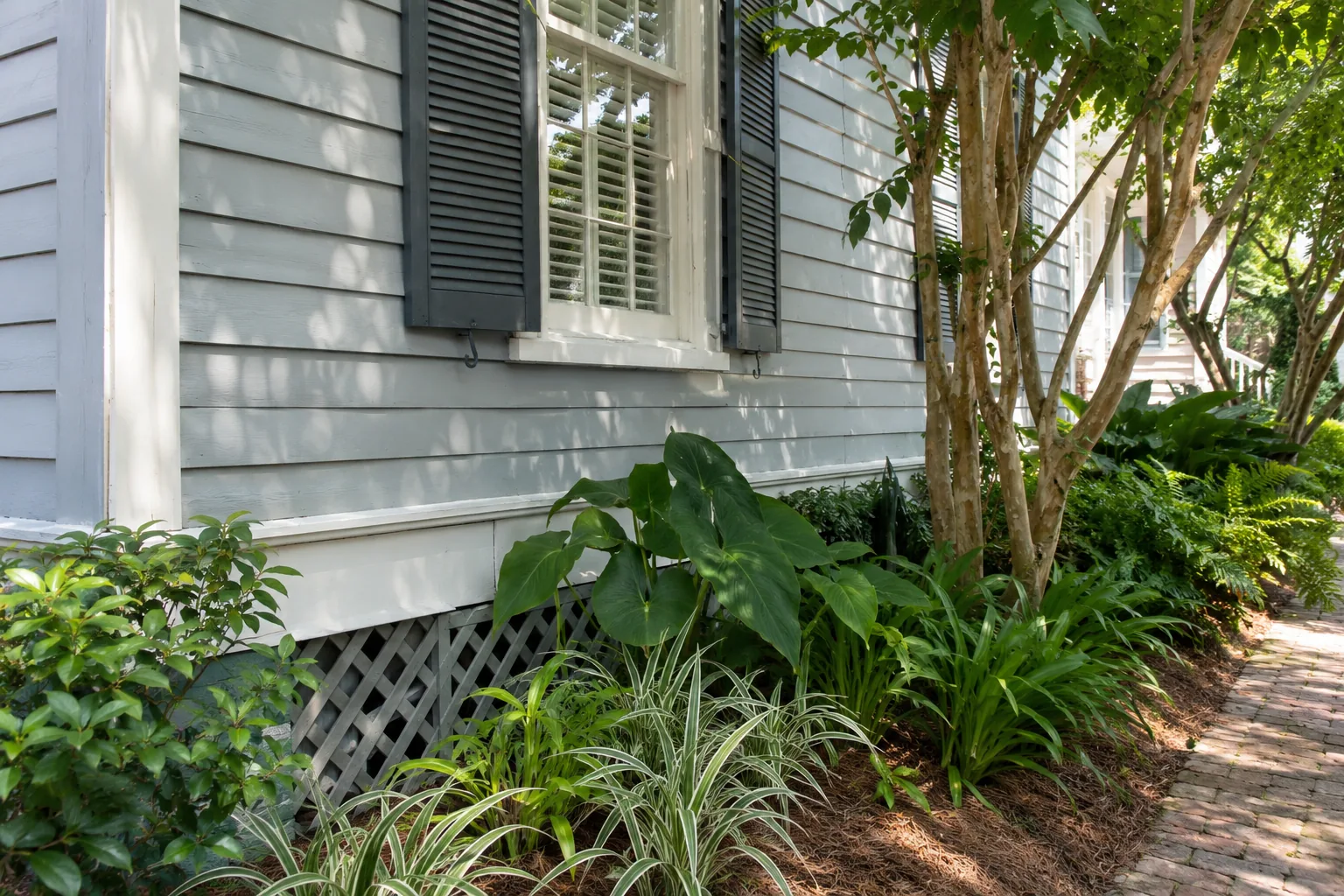
Your property. Your priorities. A clearly defined scope.
Begin with a condition question, not a calendar rule
There is no single calendar month that settles every exterior-washing request in Greater New Orleans. The useful starting point is the current condition of the requested surfaces, the way the property is being used and whether a proposed appointment can be reviewed under the conditions expected at the time. A shaded wall, a busy entrance and a roof concern may need separate conversations. Plan ordinary washing around those facts, and keep storm preparation, damage assessment and repairs with their appropriate owners rather than treating a cleaning date as a solution to every seasonal concern.
A calendar reminder can be useful without being a reason to wash every surface on the property. Start by describing the actual concern: a shaded wall has visible buildup, the entrance paving looks different from the covered porch, or an owner wants a roof area reviewed. Give each concern a recognizable location. This makes the first discussion about the property in front of the reviewer rather than a general statement that spring, summer or another season must be best for everyone.
Explain what has changed since the last time you looked at the area. A current overview and an earlier dated photograph can be more informative than an uncertain memory of when it was last washed. Keep observations separate from diagnoses. You can describe a dark patch, streak or uneven appearance without naming an organism or deciding that a particular treatment is required. The next useful step is a review of the requested surface, its condition and the owner's reason for asking now.

Distinguish a preferred deadline from an agreed appointment
An upcoming gathering, tenant change or property review may give the owner a preferred planning date. Include that date and identify the areas that matter to it. A front entrance used by visitors may have a different priority from a service courtyard that is not part of the event. Be clear about whether the date is a preference, a fixed property obligation or simply the time when a contact will be available to discuss access. Those distinctions prevent assumptions from entering the request.
A requested date does not establish availability, a completion promise or a drying guarantee. Ask the provider to review the proposed scope and arrangements before treating the visit as confirmed. If the event date moves, return that change to the conversation. Keep the current appointment information with the current surface list, so an old message about a different date does not become the working plan. The owner can express a practical priority without converting it into an unsupported assurance about results or timing.
Show the exposure around each requested surface
Photograph the shaded elevation with the planting, nearby paving and openings still visible. Then show the sunny frontage or covered entrance separately. A detail picture of one mark does not explain those relationships. Use ordinary accessible viewpoints and identify the direction you were facing when it helps. For a roof concern, take available views from safe ground-level positions; arranging a washing discussion is not a reason to climb onto a roof or inspect an area that is difficult to reach.
Include furniture, hanging baskets, containers and other items close to the requested area. State which items the owner can actually coordinate and which belong to tenants or another responsible party. A tight side passage, a planted border below siding and a public entrance can each raise different access questions. The point is to let the reviewer see those constraints before discussing the proposed visit. Do not assume that an open-looking photograph establishes permission to enter, move belongings or use a neighboring property's access.
Review current weather without making workability promises
An earlier forecast or a typical monthly pattern does not settle the conditions for a later appointment. Use current information and confirm arrangements with the provider when circumstances change. National Weather Service safety guidance is relevant to awareness of thunderstorms and other hazards; it is not a service specification saying when a washing operation can proceed. Keep official warnings and emergency instructions distinct from the ordinary conversation about a preferred cleaning window. A website article should not replace either of those decisions.
Tell the coordinating contact when property access has changed because of weather or another event. Explain the actual condition rather than asking the provider to infer it from a broad description such as the yard is usually fine. Routine washing also remains separate from hurricane protection, damage assessment and emergency recovery. If those are the concern, use the appropriate official guidance and the relevant professional review. Do not treat a seasonal cleaning booking as evidence that a roof, opening or building is ready for a storm.
Coordinate washing with other property work
Painting, roof repairs, landscaping, deliveries and tenant work can affect the same spaces as a proposed washing visit. Give the relevant dates and identify which areas overlap. Ask the responsible providers to clarify the order and any material-specific requirements. This guide does not set a universal waiting period between washing and painting or establish that every finish is ready for a later treatment. The actual surface, condition and proposed work need to be part of that discussion before arrangements are treated as settled.
Use a short dependency list rather than a long collection of unrelated messages. For example, identify the wall awaiting repair, the delivery that will occupy the driveway and the person who can answer questions about a gate. Mark uncertain dates as uncertain. If another contractor's plan changes, ask whether the washing request or timing needs review. A useful dependency record helps the owner coordinate separate jobs without implying that the washing provider is taking responsibility for repairs, product selection or the other contractors' schedules.
Have the property photos?
Let’s define the next step.
Send the address, requested surfaces and the contact who can confirm access.
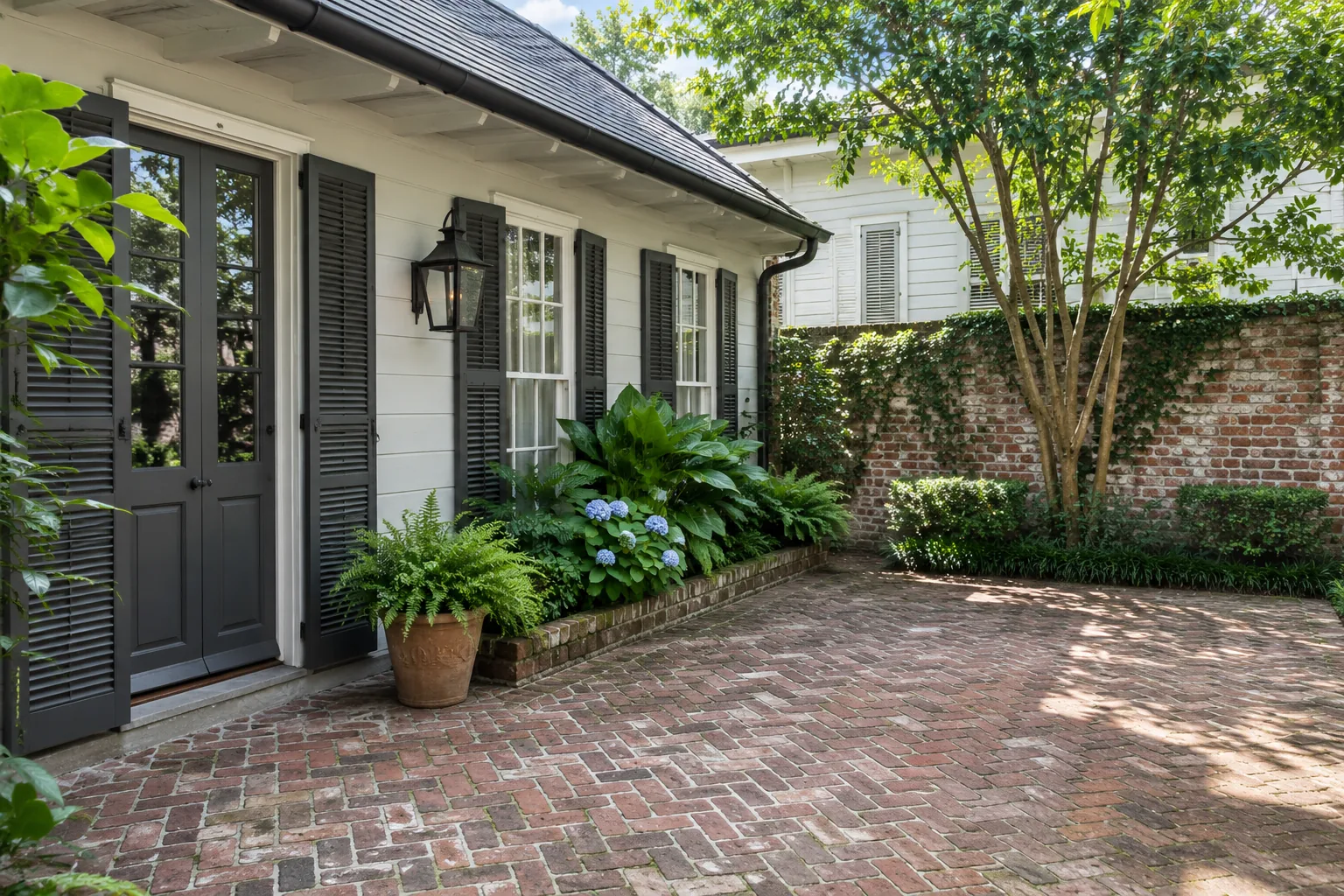
Keep roof, wall and pavement requests recognizable
An owner may prefer one visit while still having several different questions. Record roof areas, siding elevations, porch surfaces and paving sections as separate parts of the request. Include known materials and any uncertainty about coatings or repairs. An overview of the entire property can orient the reviewer, but it should be accompanied by a description of the specific areas under consideration. The phrase whole house can otherwise conceal disagreements about detached structures, fences, rear additions or paved areas that were never actually discussed.
Use the existing roof, siding and surface-service information to help organize those questions. A shared preferred date does not establish that every requested area can be included or treated by the same method. Note any areas that the owner is not requesting, especially where adjoining surfaces appear in the same photograph. This keeps the conversation bounded without requiring the owner to choose equipment or prescribe a cleaning procedure. The provider can review the separate concerns against the actual property information instead of working from an ambiguous package description.
Plan for occupied entrances and ordinary property use
List doors, shared paths, parking spaces and deliveries that remain in use during the proposed window. A commercial entrance may need coordination with staff, while a residential side gate may require a different contact from the person requesting the estimate. State who can answer each question and who can authorize arrangements involving other users. Do not assume that an owner preference means every tenant, employee or visitor has already been informed. The request should describe the coordination still needed rather than hiding it.
Explain the practical consequence of a restriction. A driveway occupied by a delivery vehicle is a different situation from a gate that can be opened by a contact at an agreed time. Provide the relevant facts and let the proposed arrangement be reviewed. Avoid inventing automatic surcharges, guaranteed alternatives or promises that work can continue around any obstacle. If an entrance must remain available, say so early. The purpose of the planning record is to identify a workable question, not to declare that every access problem has already been solved.
Make the next condition review easier
After the project discussion, keep the current surface list, dated photographs and any areas deferred from the request. Record the actual appointment information separately from earlier preferences. If a later review is needed, those records show which areas were considered and what remained outside the scope. They also help distinguish a returning appearance concern from a newly requested elevation or paved section. A useful history does not need to claim that every photograph proves a particular cause or that a future treatment is already decided.
Use future visible condition and property needs to start the next conversation. Do not turn a reminder into a universal maintenance interval or a promise that washing will last a fixed number of months. Exposure, use and the circumstances of the property discussion belong in the record. An owner who maintains clear notes can ask a more focused question next time: this is the area, this is its present appearance and this is the planning need. That is a stronger starting point than repeating a seasonal slogan without checking the property.
A practical start.
Three useful steps.
Show the surfaces
Send wide photos and close views. Label the buildings and the areas that matter now.
Set the boundaries
Explain materials, access, preparation and the work window your property can support.
Review the scope
Confirm included surfaces, responsibilities and the next step before scheduling.
Best Time of Year for Exterior Cleaning in Louisiana.
Your questions, answered.
Your next exterior project.
Start with a clearer scope.
Send the address, requested surfaces, useful condition photographs, access contact and preferred planning window. Explain any event, repair or delivery that affects the same areas. Use the ordinary quote route to organize the request, then confirm the current scope and next step with the provider before arranging access.
Send your address. Show us what needs cleaning.
Text your address, a wide photo and a close-up of the buildup. We’ll review the surfaces and discuss your cleaning options.
Text photos for an estimate Start an online quoteCoKo’s Pressure Washing · (504) 296-9696