Commercial exteriors · Greater New Orleans
Your seasonal washing.
An ordinary cleaning plan.
Identify the surfaces, operating needs and access questions before reviewing the washing scope for your property.
Your property. Your priorities. A clearly defined scope.
Define a routine cleaning goal before choosing a date
Plan routine exterior washing separately from hurricane preparation. Washing may address ordinary surface buildup, but it does not strengthen a roof, repair an opening, prevent flooding or establish that a property is storm-ready. Record the requested surfaces and existing condition during ordinary conditions, and keep any washing appointment separate from repairs or emergency preparations. If weather or access changes, confirm the appointment again rather than treating an earlier estimate as a commitment to work during a storm threat.
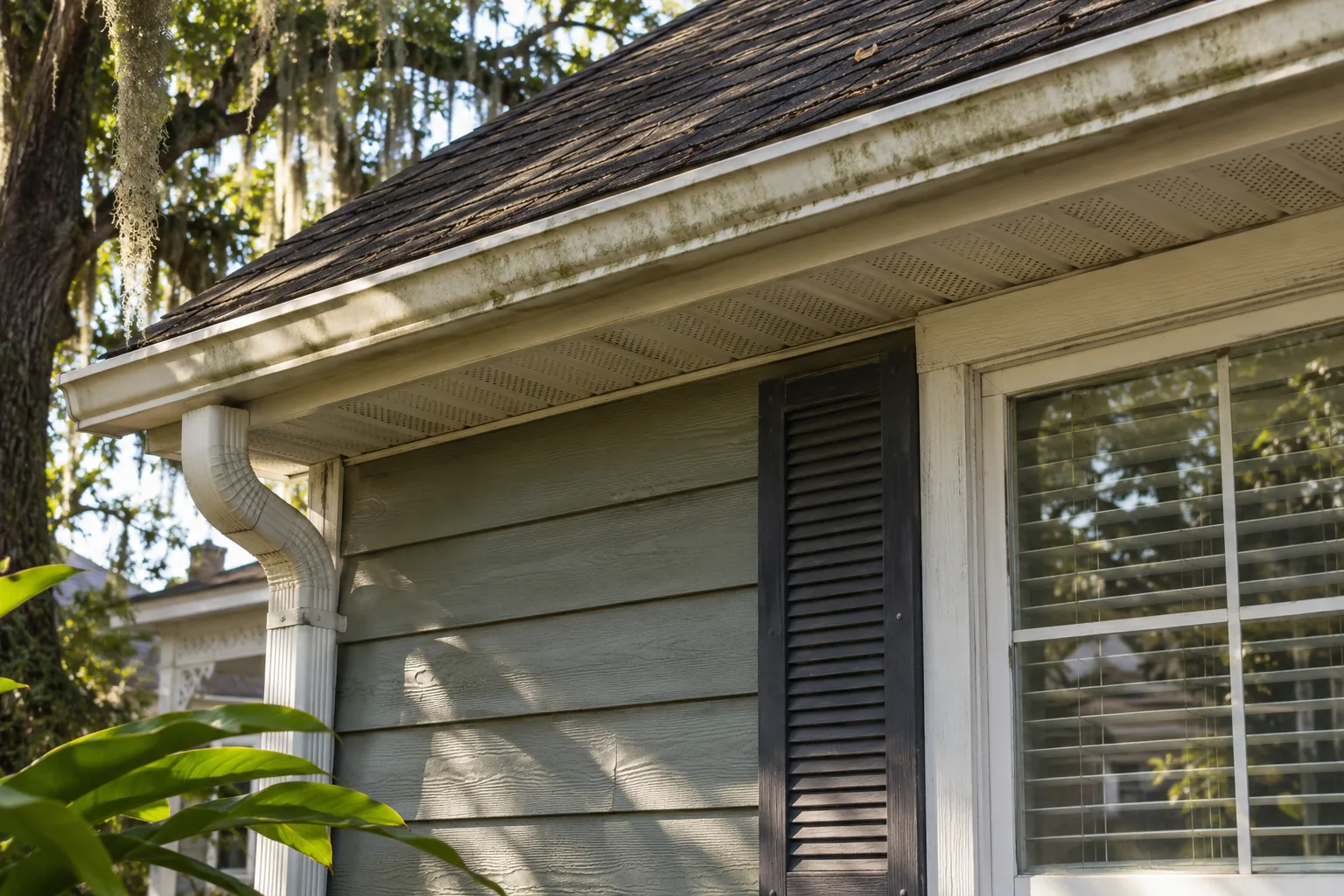
A seasonal washing request is easier to review when it starts with a specific appearance or housekeeping concern. Describe the shaded siding with visible buildup, the entrance paving that needs attention or the commercial wall that has accumulated ordinary traffic film. The phrase hurricane preparation does not identify a washable surface or an appropriate method. Give the reviewer enough information to distinguish an ordinary maintenance appointment from concerns that belong in the property's emergency plan. That distinction also helps avoid requesting an urgent cleaning visit when the actual issue is a repair, an opening or a change in access.
Set the requested outcome in plain language. A manager might want the front elevation and the main approach reviewed while leaving a rear service area for another visit. A homeowner might be asking about house siding rather than roof work. State which of these descriptions applies and which areas are outside the request. A photograph of the entire building can orient the reviewer, but it should be accompanied by a short explanation of the actual washing question. Keep the decision tied to the property rather than a general seasonal promise.
Make a ground-level record of the existing condition
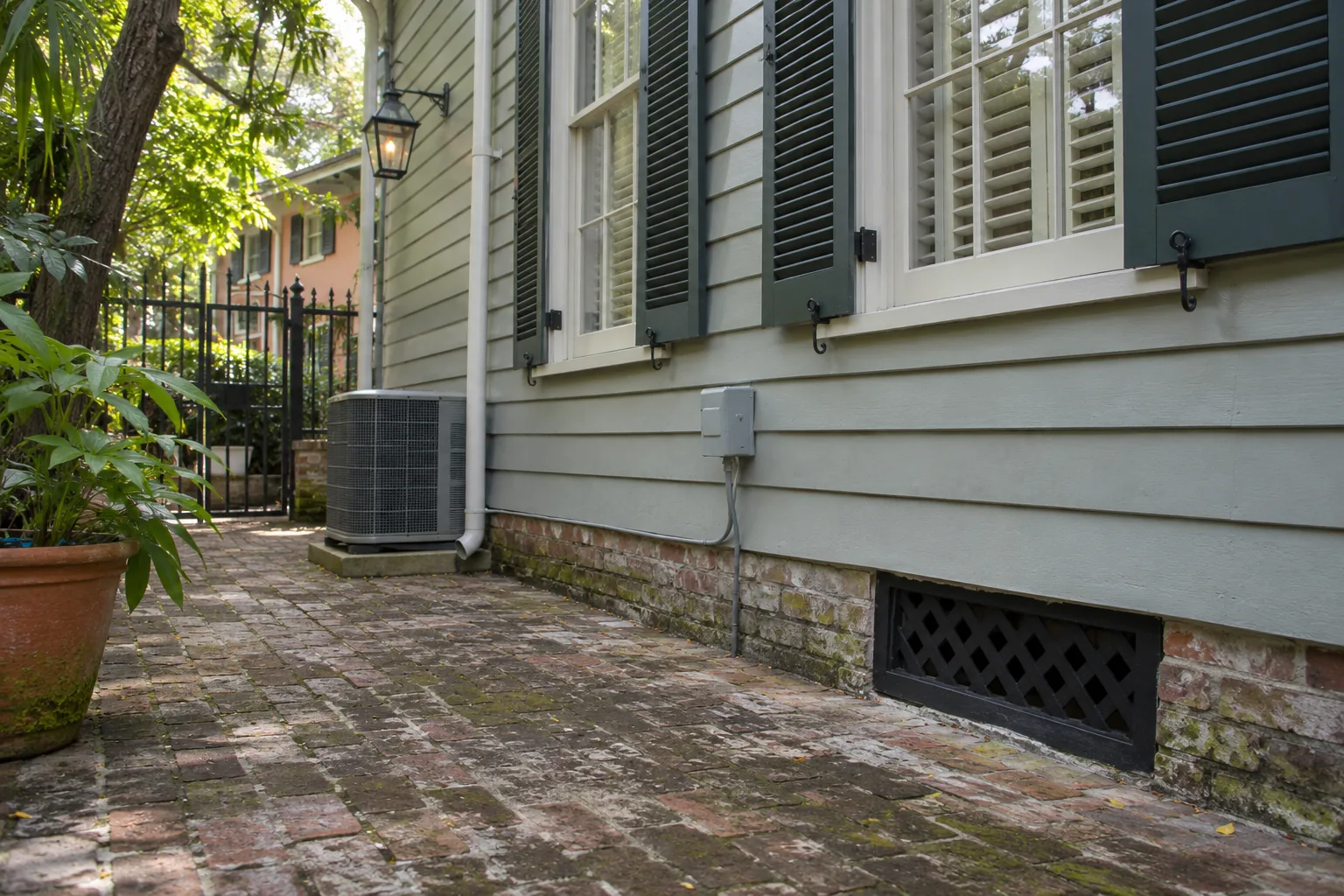
Take a few clear views during ordinary conditions from places you can already access safely. Start with the requested elevation, then add a closer view of the visible buildup and an image showing the approach to the area. Include changes in material, older painted surfaces and visible existing deterioration. The purpose is to describe the washing request, not to prove that a building is ready for severe weather. A ground-level photograph of a roof edge may help explain the location of a concern, but it does not replace an appropriate roof inspection or establish the condition of concealed components.
Label the photographs so they remain useful when someone else reviews them. Front entrance, side wall beside the gate and rear paving are more practical labels than a collection of nearly identical close-ups. Note when the photographs were taken and whether any work has occurred since then. If shutters, temporary storage or repair materials later change the available space, send an updated view instead of relying on an earlier image. A dated condition record helps the washing discussion stay aligned with what is actually present at the time of review.
Separate repair questions from the washing scope
Write down visible defects separately from the removable buildup you want discussed. An opening beside a window, a loose-looking panel, a damaged coating or a concern about the roof should not disappear inside a general request to clean everything. Explain where the concern is located and whether another provider is already reviewing it. The cleaning proposal can then identify the areas that remain under consideration and any surfaces that should be deferred. Keeping the records separate prevents a maintenance description from sounding like an agreement to repair a building or establish its weather resistance.
Where repairs are planned, ask how their timing affects the washing review. The useful question is which surfaces will actually be ready to assess, not whether washing can make unfinished work acceptable. If a repair contractor changes the material or leaves an area unavailable, the earlier cleaning assumptions may no longer fit. Record the changed condition and ask for the proposed sequence to be reviewed again. Avoid promising a finished appearance across old, repaired and newly coated surfaces simply because all of them are visible on the same elevation.
Map the practical access for an ordinary appointment
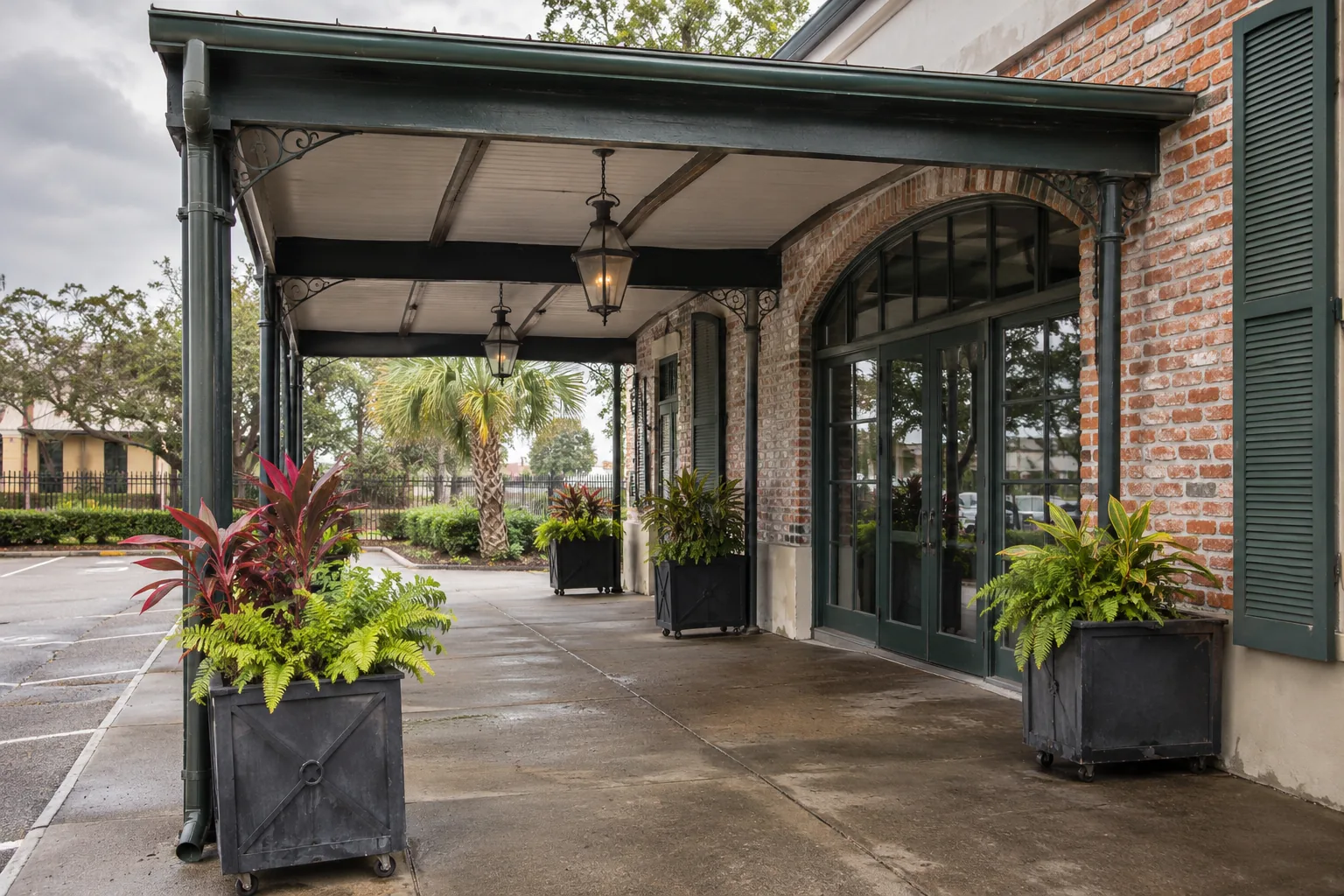
A seasonal estimate still needs ordinary site information. Identify the entrance a washing provider would use, the location of any gate and the contact who can discuss access. Show nearby planted beds, movable furnishings, parked vehicles and areas used by residents, employees or customers. These details help explain the setting without committing anyone to a particular work arrangement before the scope is reviewed. On a commercial property, distinguish the person supplying photographs from the person who can confirm the proposed working window and the availability of each requested area.
Think about access as a sequence rather than an empty space shown in one photograph. A side path may also serve a tenant entrance, while a frontage may be clear in the morning and used for deliveries later. Explain those ordinary movements and identify which routes must remain available. If the property has temporary preparations, contractors or stored equipment, describe those conditions as well. A practical washing plan should be based on the arrangement expected for the appointment, with changes reported before arrival rather than discovered after the work has been organized.
Treat the appointment window as something to reconfirm
Keep the estimate, the desired date and the confirmed appointment as separate pieces of information. A request sent early in the season can begin a review without establishing that a particular day is available or appropriate. Give the provider a realistic timing preference and explain any business, resident or other contractor arrangements that affect it. When conditions change, return to the actual appointment discussion. Do not read a general seasonal advertisement or an earlier quote as an instruction to proceed regardless of the property's current circumstances.
Name a contact who can receive and relay changes. For a managed property, that may require coordinating the washing discussion with the people responsible for tenant notices, vehicle arrangements or access to a particular elevation. Keep a short written record of what has been confirmed and what is still a preference. If weather or the property's preparations change the plan, confirm the revised arrangements through the same project conversation. This keeps the maintenance decision understandable without suggesting that a washing provider controls weather conditions, emergency priorities or the owner's broader preparations.
Have the property photos?
Let’s define the next step.
Send the address, requested surfaces and the contact who can confirm access.
Review roof, wall and paving requests individually
Avoid combining every exterior surface into a single undefined seasonal task. A roof question, a wall-washing request and an entrance-paving concern each need their own location and condition description. Identify the material where it is known and say when it is uncertain. Explain whether the concern is ordinary buildup, an existing stain or a visible defect awaiting review. Those details allow the proposed work to be divided into understandable areas instead of assuming that one process, result or appointment arrangement will fit every part of the property.
Use the review to establish realistic boundaries between the areas. A frontage may be available while a rear elevation remains occupied by another project. Roof-related concerns may need a different assessment from the ground-level paving shown beside them. If only one part of the property is being requested now, make that clear in the written description. A limited, well-described washing scope is more useful than an all-inclusive phrase that hides unanswered questions about materials, access and existing condition. It also makes later additions easier to identify as changes rather than assumed inclusions.
Keep the record useful when circumstances change
Before the agreed visit, compare the current property with the photographs and notes used for the estimate. Check whether the requested surfaces are still the same, whether any area is awaiting repairs and whether the access contact or operating arrangements have changed. This is a project-information check, not an instruction to enter restricted places or carry out a safety inspection. Report differences that affect the proposed washing so the responsible people can review them before the appointment is treated as ready to proceed.
After a significant weather event or other change, start with the current circumstances rather than the old seasonal label. An earlier set of photographs may no longer describe the building, the approach or the work being requested. Keep official emergency guidance and any required specialist reviews separate from a later cosmetic washing discussion. Retain the prior estimate as a record of its original assumptions, then explain what has changed. That approach preserves a useful history while allowing the actual washing proposal to be reviewed on the basis of present conditions and a clearly defined request.
Request a bounded seasonal washing review
Send the property address, the particular exterior areas you want reviewed, a small set of safely taken photographs and your preferred timing. Explain any pending repairs, ordinary operating requirements or access questions. Use the online quote route or text the project details so the conversation can stay attached to the correct property and surfaces. Confirm the actual offered washing scope and appointment arrangements before organizing access. Keep hurricane preparedness, emergency decisions and repair assessments with the appropriate responsible parties; a routine cleaning estimate should remain a clear description of the maintenance work being considered.
A practical start.
Three useful steps.
Show the surfaces
Send wide photos and close views. Label the buildings and the areas that matter now.
Set the boundaries
Explain materials, access, preparation and the work window your property can support.
Review the scope
Confirm included surfaces, responsibilities and the next step before scheduling.
Exterior Cleaning for Hurricane Season.
Your questions, answered.
Your next exterior project.
Start with a clearer scope.
Text your address and the priority exterior photos. For a larger project, send the full property details.
Send your address. Show us what needs cleaning.
Text your address, a wide photo and a close-up of the buildup. We’ll review the surfaces and discuss your cleaning options.
Text photos for an estimate Start an online quoteCoKo’s Pressure Washing · (504) 296-9696