What Is Pressure Washing: Pressure Washing Explained


At CoKo’s Pressure Washing, we understand the importance of maintaining the appearance and cleanliness of your home or business. That’s why we offer professional power washing services to customers in New Orleans and surrounding cities in Louisiana. Our experienced technicians use top-of-the-line equipment and environmentally friendly products to deliver unbeatable results.
Power Washing Explained
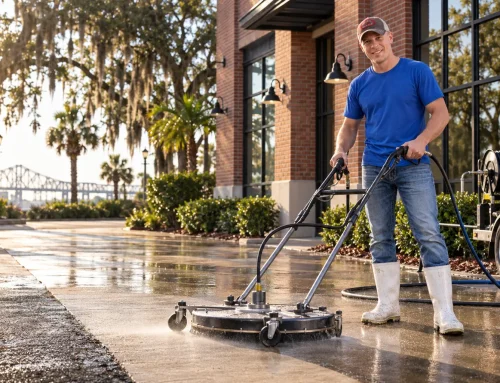
Power washing, also known as pressure washing, is a highly effective method of cleaning various surfaces using a high-pressure stream of water. It involves the use of specialized equipment that delivers pressurized water to remove dirt, grime, mold, mildew, and other contaminants.
How Does Power Washing Work?
Power washing machines consist of a motor or engine that drives a pump, which pressurizes the water. The pressurized water is then delivered through a hose and a handheld wand or spray gun equipped with different nozzle attachments. These nozzles allow for adjustable pressure and spray patterns, enabling precise and effective cleaning.
Applications of Power Washing
Power washing is widely used in residential, commercial, and industrial settings for a variety of cleaning purposes. Some common applications include:
- Exterior Surfaces: Power washing is effective in cleaning the exterior surfaces of buildings, including siding, brick, concrete, and stucco. It can remove built-up dirt, stains, algae, and moss, restoring the appearance of the surfaces.
- Driveways and Walkways: Power washing can quickly and efficiently clean driveways, sidewalks, and pathways, removing oil stains, tire marks, and other stubborn dirt or debris.
- Decks and Patios: Wooden decks and stone patios can benefit from power washing to remove dirt, mildew, algae, and grime that accumulate over time. This process can help rejuvenate the appearance of outdoor living spaces.
- Fences and Gates: Power washing can effectively clean fences and gates made of various materials, such as wood, vinyl, or metal, removing dirt, moss, and other debris.
- Vehicles and Equipment: Power washing is commonly used to clean vehicles, including cars, trucks, boats, and recreational vehicles. It can also be employed to clean machinery, equipment, and tools in industrial settings.
Benefits of Power Washing
Power washing offers several benefits, including:
- Deep cleaning: The high-pressure water effectively removes tough stains, dirt, and contaminants, providing a thorough cleaning.
- Restoration: Power washing can revitalize the appearance of surfaces, making them look like new again.
- Time and energy savings: Power washing is a fast and efficient cleaning method, saving you time and effort compared to manual scrubbing.
- Preventive maintenance: Regular power washing helps prevent the buildup of mold, mildew, and other substances that can cause long-term damage to surfaces.
Safety Considerations
While power washing is generally safe, it is important to consider the following safety precautions:
- Use appropriate pressure settings and nozzle attachments to avoid damaging delicate surfaces.
- Wear protective gear, such as goggles and gloves, to protect yourself from water splashes and debris.
- Follow the manufacturer’s instructions for operating the power washing equipment.
- Be cautious around electrical outlets, windows, and other vulnerable areas that could be damaged by water pressure.
Remember, if you’re not comfortable or experienced with power washing, it’s advisable to hire a professional power washing service to ensure safe and effective results.
At CoKo’s Pressure Washing, we pride ourselves on delivering top-quality power washing services to customers throughout New Orleans and Louisiana. Our experienced technicians have the knowledge and equipment to tackle even the toughest cleaning jobs. Contact us today at (504) 296-9696 to schedule your power washing appointment. Let us help you protect your investment and improve the appearance of your property!
A Better Plan for What Is Power Washing: Power Washing Explained
A professional exterior-cleaning plan begins with the surface, the contamination, the property’s condition, and the result expected. CoKo’s does not treat every material with the same pressure or chemical process. Concrete, brick, stucco, vinyl, fiber cement, metal, asphalt shingles, flat-roof membranes, wood, pavers, and painted coatings have different limits. The safest approach is the least aggressive method that can produce the desired reasonable result.
Soft washing uses controlled low pressure and suitable cleaning solutions for many delicate materials and organic growth. Pressure washing adds mechanical force for sound, durable hard surfaces. Heated pressure washing can improve removal of grease, gum, oily film, food residue, and stubborn commercial soil. Rust, oxidation, efflorescence, irrigation deposits, paint transfer, and petroleum shadows may require specialty chemistry, additional dwell time, testing, and realistic expectations.
Greater New Orleans properties face long humid seasons, frequent rain, shade, pollen, live-oak debris, traffic residue, storm exposure, and warm temperatures that encourage algae and mildew. North-facing walls and shaded pavement often remain damp longer. Commercial corridors collect gum and vehicle film. Waterfront and industrial sites may add salt, soot, dust, or equipment grime. A useful cleaning schedule follows the property’s real exposure instead of a generic national calendar.
Before Service
Move vehicles and movable items, close doors and windows, secure pets, unlock gates, and identify known leaks, weak paint, recent repairs, coatings, or fragile materials. Businesses and public facilities should share delivery windows, customer peaks, security procedures, water-access details, and areas that cannot close. Accurate preparation reduces setup time and helps protect the schedule.
During Service
The crew reviews landscaping, electrical fixtures, signs, cameras, open doors, parked vehicles, drainage routes, and pedestrian access. Hoses, spray, loosened debris, active equipment, and wet walking surfaces are managed through clear work zones and logical sequencing. Larger sites can be phased so important entrances, resident paths, loading zones, or business operations remain usable.
Honest Results and Pricing Factors
Cleaning removes contamination but cannot repair cracks, failed paint, weak mortar, etching, deep chemical damage, or permanent color change. Oil and rust can migrate below the visible surface. Oxidized siding may reveal uneven color. Older concrete can contain a weak surface layer from finishing, weathering, or previous aggressive washing. A credible estimate distinguishes removable soil from damage and explains when a test area is appropriate.
Square footage matters, but setup distance, height, soil level, stain depth, water access, drainage, traffic control, containment, operating hours, mobilization, and specialty treatment also affect price and duration. A useful proposal identifies included zones, methods, exclusions, access assumptions, preparation, and known limitations. Text the address, wide and close photos, desired timing, and access information to 504-296-9696 for the most efficient starting point.
Maintenance After Cleaning
Not every exterior area needs the same frequency. Entrances, shaded sidewalks, dumpster pads, loading zones, food-service pavement, pool decks, and high-traffic concrete may need attention sooner than upper walls or lightly used surfaces. Keep drainage paths open, correct irrigation overspray, trim vegetation that traps moisture against walls, and address fresh spills promptly. A rotating maintenance plan can support a consistent appearance and responsible budget without repeating the entire project each visit.