
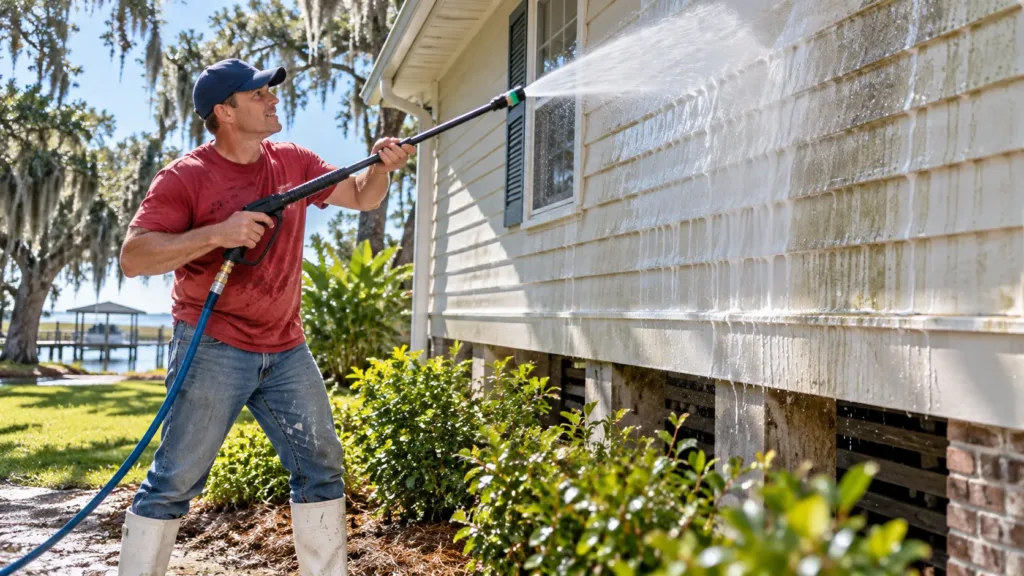
Residential Pressure Washing Services
Your home’s exterior surfaces collect dirt, stains, algae, and years of buildup. CoKo’s residential pressure washing services restore your concrete, brick, patios, walkways, driveways, and hard surfaces, making your property look brighter, safer, and better maintained.
How We Solve Your Problem
Homeowners often deal with:
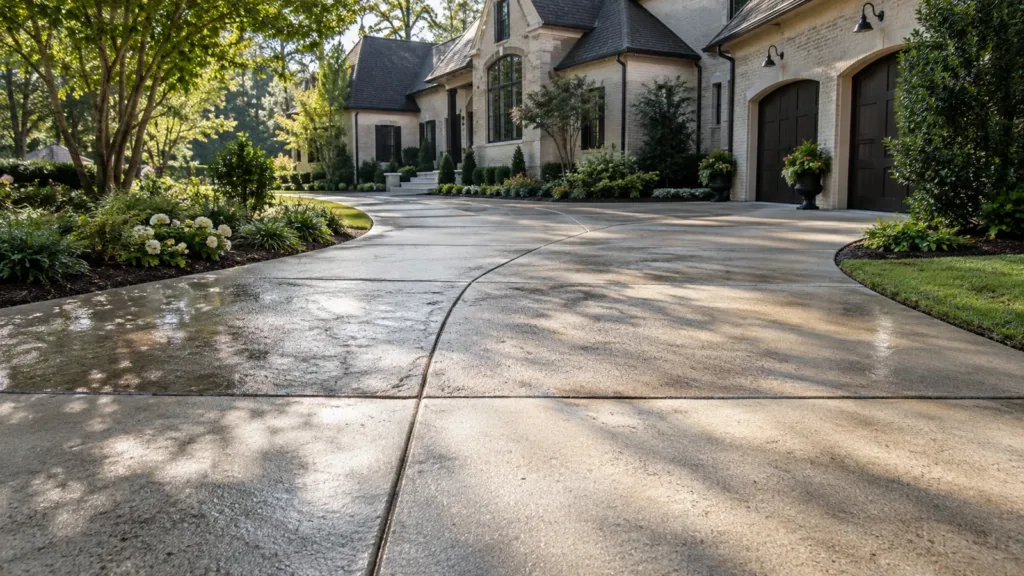
Our pressure washing systems lift stains from deep within porous concrete and bring back a clean, fresh appearance.
Perfect for Homeowners
Residential pressure washing is ideal for:
If you want your home exterior to shine again, pressure washing is one of the fastest and most dramatic improvements you can make.
Why Homeowners Choose Pressure Washing
Why Choose CoKo’s Pressure Washing for Your Home?
CoKo’s delivers safe, reliable exterior cleaning solutions using proven methods designed specifically for homes, delicate surfaces, and family-centered environments.
Professional Exterior Cleaning You Can Rely On
At CoKo’s Pressure Washing, we use advanced, professional-grade equipment and carefully selected cleaning methods to deliver consistent, high-quality results for every type of property. Our systems are engineered to remove tough stains, organic growth, and buildup while protecting the integrity of each surface we clean. By matching the right pressure, temperature, and detergents to every project, we ensure safe, effective, and dependable cleaning—no matter the environment or scope of work.
Let CoKo’s Pressure Washing Bring Your Property Back to Life
Text us today at 504.296.9696 or fill out our online contact form to schedule a free estimate.
#ResidentialPressureWashing #DrivewayCleaning #PatioCleaning #PoolDeckCleaning #GarageCleaning #ConcreteCleaning #HomeExteriorCleaning #CoKosPressureWashing
A Better Plan for Residential Pressure Washing
A professional exterior-cleaning plan begins with the surface, the contamination, the property’s condition, and the result expected. CoKo’s does not treat every material with the same pressure or chemical process. Concrete, brick, stucco, vinyl, fiber cement, metal, asphalt shingles, flat-roof membranes, wood, pavers, and painted coatings have different limits. The safest approach is the least aggressive method that can produce the desired reasonable result.
Soft washing uses controlled low pressure and suitable cleaning solutions for many delicate materials and organic growth. Pressure washing adds mechanical force for sound, durable hard surfaces. Heated pressure washing can improve removal of grease, gum, oily film, food residue, and stubborn commercial soil. Rust, oxidation, efflorescence, irrigation deposits, paint transfer, and petroleum shadows may require specialty chemistry, additional dwell time, testing, and realistic expectations.
Greater New Orleans properties face long humid seasons, frequent rain, shade, pollen, live-oak debris, traffic residue, storm exposure, and warm temperatures that encourage algae and mildew. North-facing walls and shaded pavement often remain damp longer. Commercial corridors collect gum and vehicle film. Waterfront and industrial sites may add salt, soot, dust, or equipment grime. A useful cleaning schedule follows the property’s real exposure instead of a generic national calendar.
Before Service
Move vehicles and movable items, close doors and windows, secure pets, unlock gates, and identify known leaks, weak paint, recent repairs, coatings, or fragile materials. Businesses and public facilities should share delivery windows, customer peaks, security procedures, water-access details, and areas that cannot close. Accurate preparation reduces setup time and helps protect the schedule.
During Service
The crew reviews landscaping, electrical fixtures, signs, cameras, open doors, parked vehicles, drainage routes, and pedestrian access. Hoses, spray, loosened debris, active equipment, and wet walking surfaces are managed through clear work zones and logical sequencing. Larger sites can be phased so important entrances, resident paths, loading zones, or business operations remain usable.
Honest Results and Pricing Factors
Cleaning removes contamination but cannot repair cracks, failed paint, weak mortar, etching, deep chemical damage, or permanent color change. Oil and rust can migrate below the visible surface. Oxidized siding may reveal uneven color. Older concrete can contain a weak surface layer from finishing, weathering, or previous aggressive washing. A credible estimate distinguishes removable soil from damage and explains when a test area is appropriate.
Square footage matters, but setup distance, height, soil level, stain depth, water access, drainage, traffic control, containment, operating hours, mobilization, and specialty treatment also affect price and duration. A useful proposal identifies included zones, methods, exclusions, access assumptions, preparation, and known limitations. Text the address, wide and close photos, desired timing, and access information to 504-296-9696 for the most efficient starting point.
Maintenance After Cleaning
Not every exterior area needs the same frequency. Entrances, shaded sidewalks, dumpster pads, loading zones, food-service pavement, pool decks, and high-traffic concrete may need attention sooner than upper walls or lightly used surfaces. Keep drainage paths open, correct irrigation overspray, trim vegetation that traps moisture against walls, and address fresh spills promptly. A rotating maintenance plan can support a consistent appearance and responsible budget without repeating the entire project each visit.
Related Residential Services & Service Area
Standing water stains, dark streaking near downspouts, and slick green film on shaded concrete are the usual signs a driveway or walkway is overdue. Beyond general pressure washing, homeowners often pair this service with Driveway Cleaning, Soft Washing for siding and roofing, or Heated Pressure Washing where grease or oil is involved. CoKo’s serves homes throughout Harvey, Gretna, and the surrounding West Bank and East Bank communities — text photos for a free estimate.
Frequently Asked Questions
Planning the work for your property
Use these details to define the work before approving an estimate. Include the items relevant to your property when you text photos to CoKo’s.
Surface, access and completion details
Start with a decision rather than a service label
Describe the result you need: an entrance ready for guests, a rental ready for a new tenant, a clearer maintenance budget or a proposal that a board can approve. Then identify the surfaces involved. Cleaning, debris removal, repairs and refinishing are different tasks. Naming the decision helps avoid asking several providers for estimates that cover different work. Keep the request specific enough that a contractor can explain the next step without guessing which part of the property matters most.
Create a short property record
Keep the address, contact person, relevant photos, approximate measurements and known material or repair information together. Label the images so a close-up can be matched to a wide view. Mark any area that belongs to a neighbor or is excluded from the request. For several buildings, use a simple building or zone label consistently. A useful record is brief and accurate; there is no need to compile an elaborate inventory if it does not help define the actual work.
Choose priorities before asking for options
Separate the essential area from optional improvements. An entrance path may be the first priority, with a patio or side wall as an additional option. Ask for those choices to be identified rather than hiding a reduced scope inside a single lower price. If the timing is more important than cleaning every area, explain the reason. This gives the contractor a way to propose a manageable phase while preserving a clear list of work that would remain for later.
Record the limits of the initial estimate
Photographs can support an initial review, but they may not reveal every coating, access restriction or drainage problem. State which measurements are approximate and which surfaces cannot be shown safely. Ask whether a site visit is needed before the scope is finalized. An estimate request is not an appointment confirmation. Keep the approved work, price assumptions and available date separate from the first message so neither side mistakes an early discussion for a complete booking.
Coordinate related contractors and responsibilities
If painting, sealing, roofing, landscaping or repair work is also planned, share that sequence with everyone involved. Ask the provider of the next treatment which preparation and drying conditions they require. Agree on who moves portable items, supplies access, secures pets and approves changes. Several small misunderstandings can create more delay than the cleaning itself. A simple written responsibility list is particularly helpful when a property manager or family member cannot be present for the visit.
Compare exclusions as carefully as inclusions
Look for the difference between washing a surface and treating an embedded stain, restoring a finish or repairing a defect. Ask which components and faces are included, what preparation is required and what conditions may change the work. A written exclusion can be useful when it prevents a false expectation. If a proposal is unclear, name the specific area and question instead of assuming that a broad phrase such as full exterior cleaning covers every feature of the property.
Check completion against the original request
Use the same wide views and close-up locations to compare the result. Review materials after drying where appearance is affected by moisture. Check that agreed zones were completed and that exclusions or residual permanent staining are documented. A different patch color may reflect an older repair rather than remaining dirt. If something needs discussion, identify its exact location and the expected result from the accepted scope. That gives the provider a concrete concern to evaluate.
Keep useful notes for the next visit
Retain the accepted scope, completion photos and any information about coatings, vulnerable areas or access. Add observations when buildup returns rather than relying only on memory months later. If the property changes owners, managers or tenants, those notes can prevent the next request from starting over. Maintenance planning is most useful when it responds to changing exposure and use. There is no need to buy a larger recurring scope merely because the previous invoice listed the whole property.
More questions before you book
What photos help with a concrete cleaning estimate?
Send one wide photo showing the full area, closer photos of stains, and your property address. Include steps, adjacent surfaces and access restrictions so the proposed scope is clear.
Can pressure washing remove all oil and rust stains?
Oil, rust, paint and organic buildup require different treatment decisions. Deep or older stains may remain, and worn concrete can still show discoloration. Share close-up photos for a realistic assessment.
Should new or damaged concrete be cleaned differently?
Yes. Newly placed concrete, exposed aggregate, cracks and deteriorating surfaces need an assessment before cleaning. Tell us the approximate age and any known coating or repair history.
Does concrete cleaning include sealing?
Do not assume sealing is included in a cleaning estimate. Ask for the written scope and discuss any coating or sealing plans so cleaning and follow-up work can be coordinated.
Send your address. Show us what needs cleaning.
Text your address, a wide photo and a close-up of the buildup. We’ll review the surfaces and discuss your cleaning options.
Text photos for an estimate Start an online quoteCoKo’s Pressure Washing · (504) 296-9696