
CoKo’s · Practical property planning
How to Keep a Clean Driveway Looking Better Longer
Plan the surfaces, access and next step for your Greater New Orleans property.
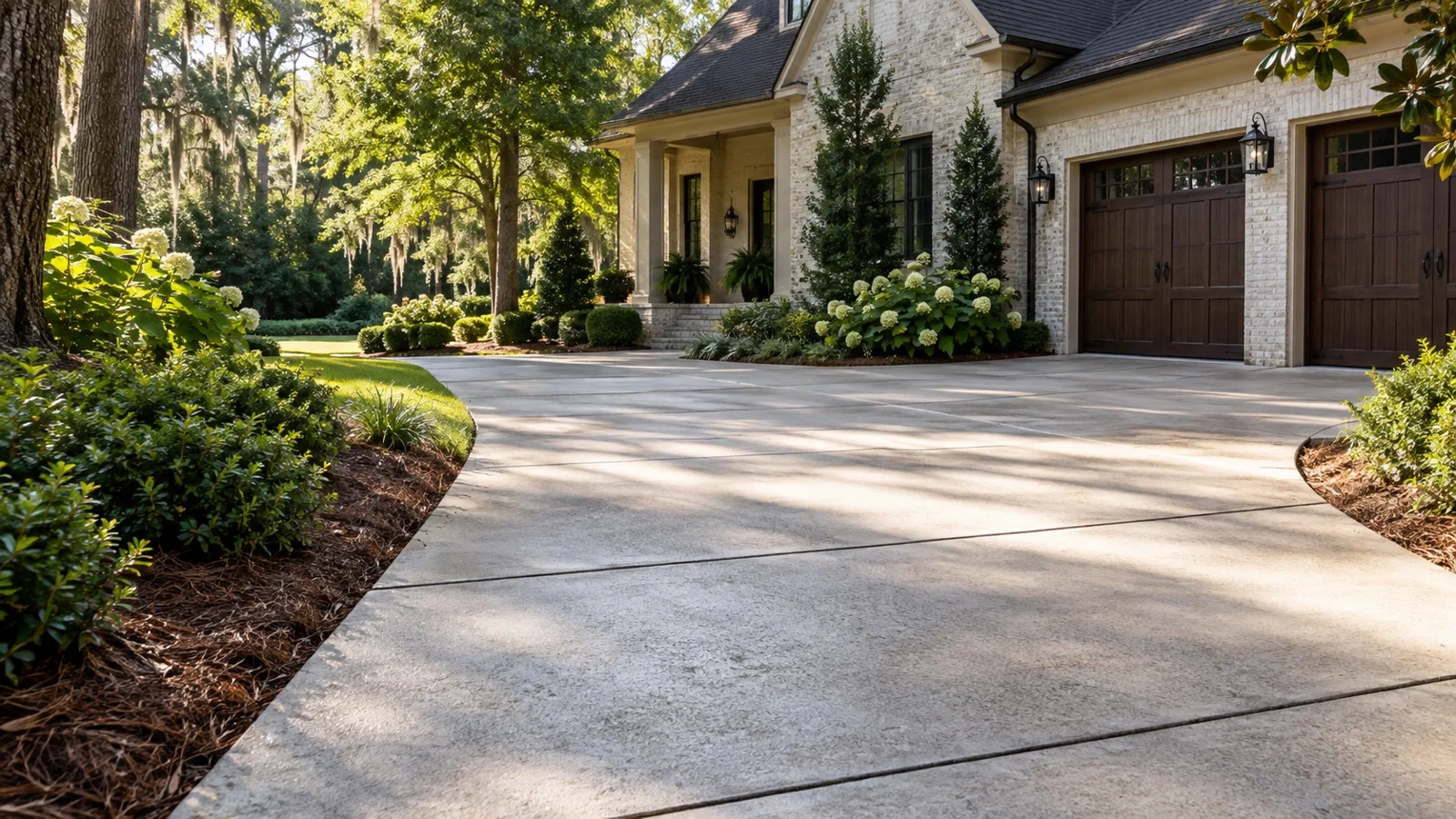
Keeping a washed driveway looking better starts with understanding the surface you already have and the ordinary activities that affect it. A completion photo is a useful baseline, but it is not a promise that vehicles, leaves, weather and daily use will leave the appearance unchanged. Keep maintenance practical: notice new concerns, record where they occur and ask about material-specific care before applying products. This guide focuses on planning and observation between professional visits. It does not prescribe a cleaning chemical, offer a universal washing interval or suggest that every driveway should be sealed. Repairs, drainage problems and coating decisions need their own review.
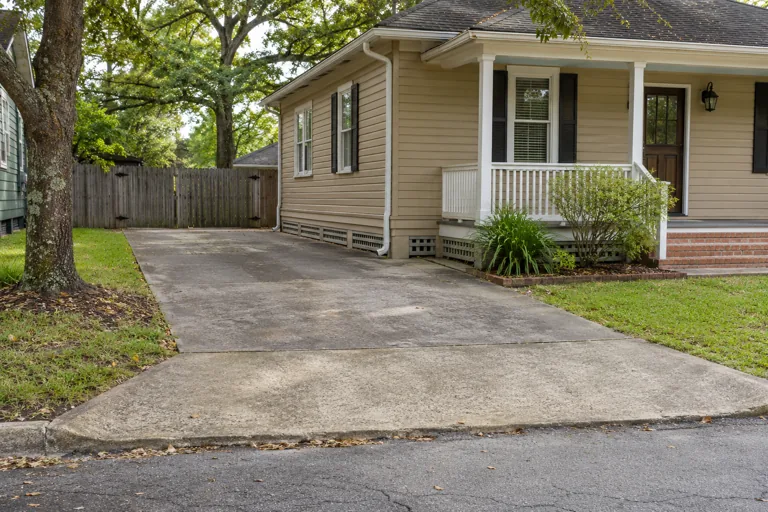
Keep the accepted cleaning boundary on record
Record which driveway areas were included in the appointment and what limitations were discussed. A front parking area, an apron, a side strip and a path beside the garage may be different parts of the proposal. If the work covered only one portion, retain that boundary so a later photograph does not imply the whole drive received the same treatment. Keep any known stain or repair limitation with the estimate. This makes future questions easier to locate and helps you compare like with like. A driveway that crosses shared or neighboring property also needs a clear ownership boundary. The useful record is a named area and the work authorized there, rather than a general statement that all exterior concrete was cleaned.
Identify the finish before choosing maintenance products
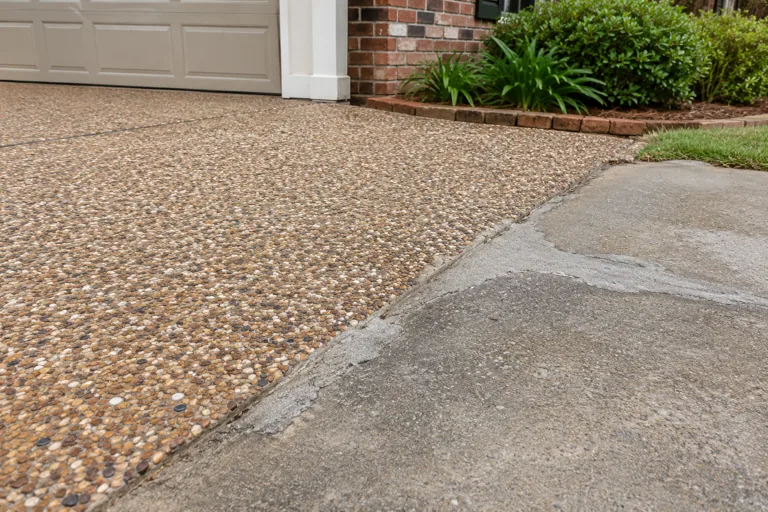
Keep records for a coating, decorative finish or recent repair when you have them. If you are unsure what a surface is, say so instead of assuming every driveway is plain uncoated concrete. Ask the relevant manufacturer, installer or provider which care instructions apply before selecting an additional treatment. A product that appears suitable for one driveway may not answer the same question for another finish. Do not infer material compatibility from a social-media result or an attractive before-and-after image. Photograph transitions between different areas and note where a known coating stops. These simple records help a provider understand the actual surface. They also prevent a routine upkeep question from turning into an unsupported promise that one product or process is appropriate everywhere.
Notice recurring vehicle-related marks by location
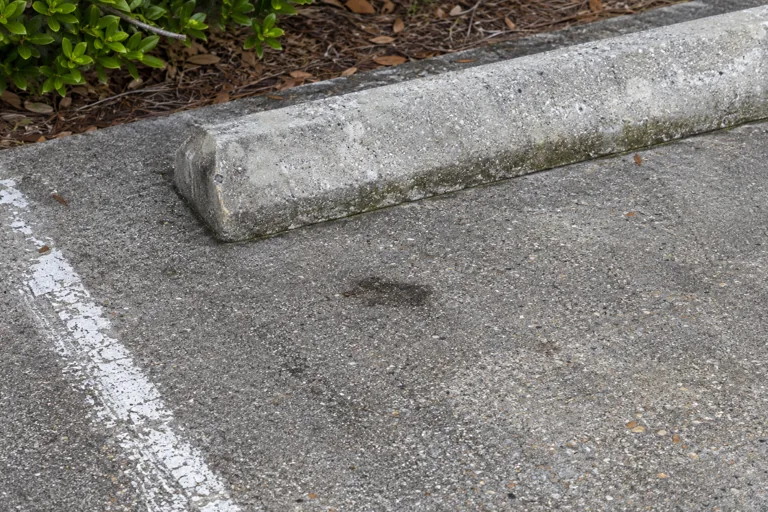
If a mark repeatedly appears beneath a parked vehicle, note the position and when you observed it. Keep the cleaning question separate from a possible vehicle maintenance issue. A wash should not be expected to stop a continuing source of residue. Do not identify every dark patch by color alone or assume it will respond to the same treatment as an older mark nearby. Send an overview that shows the parking space and a closer picture of the concern. If you have reliable information about a spill, include that history. Ask the provider what can reasonably be assessed on the actual finish. The objective is a useful next decision, not a guarantee that washing will erase every stain or prevent it from returning.
Manage loose items without creating extra work
Keep ordinary belongings, portable mats and storage arrangements from hiding the areas you want to observe. If you move lightweight items as part of normal household use, choose positions that do not obstruct the driveway or a neighboring entrance. Do not drag heavy objects, dismantle equipment or handle waste merely to make the surface look tidy. When an object must remain in place, record that access limit for a future estimate. Leaves and other outdoor material can also make a photograph difficult to interpret, so explain what is visible rather than presenting an obscured close-up as the entire condition. Upkeep should remain within comfortable household tasks. It does not require the owner to undertake a specialist cleaning process between professional appointments.
Describe wet areas as a separate condition question
If you repeatedly see standing water or a persistently wet location, record when and where it appears and ask the appropriate responsible professional to review the condition. Keep washing separate from drainage repair, grading, leak diagnosis or structural work. A cleaner appearance does not prove that an underlying issue has been corrected. Photograph the wider setting from a safe ground position and include any information you know about recent work or changes nearby. Avoid altering drains or moving covers to investigate for a cleaning estimate. The useful request identifies the observed pattern and who controls the area. It does not require you to diagnose the cause or assume that another wash is the right response to every recurring dark or damp-looking patch.
Make the next step practical
Show the areas. Explain your questions.
Send your address, an overview and relevant close-ups. Identify the requested work and any access or condition questions.
Avoid escalating a stain question into surface damage
Before attempting another treatment, identify the finish and ask for the relevant care instructions. Do not repeatedly increase force or mix products because an online example appears similar. A stubborn mark, faded section and repaired area can look alike in a small photograph while representing different questions. Explain any previous treatment honestly when requesting advice. If the driveway has cracks, loose edges or deteriorated areas, keep those on a repair list rather than treating them as cleaning targets. Ordinary observation is enough to start the discussion. The owner should not feel required to prove a mark is removable before contacting the provider. Clear records and a realistic expectation are more useful than an improvised test that changes the surface before it has been reviewed.
Keep sealing and coating decisions on their own path
A cleaning appointment does not establish that a driveway needs a sealer or that CoKo’s offers that separate service. If you are considering a coating, ask the responsible installer or manufacturer about suitability, preparation, maintenance and the actual finish already present. Keep any proposal separate from the washing scope unless it is explicitly reviewed and agreed. Do not assume a coating prevents all stains, resolves cracks or guarantees a particular appearance period. If a future project is planned, tell the cleaning provider so the sequence can be discussed. The useful distinction is between cleaning a named surface and authorizing an additional surface treatment. That allows you to compare each decision on its own requirements rather than accepting a general claim that every clean driveway should receive the same next product.
Use a fair photograph when comparing appearance
Choose a ground-level overview that identifies the same driveway section each time. Add a closer view only when it shows a particular concern. Note the date and whether the surface is wet or dry, because a later comparison should explain differences in conditions rather than hide them. Avoid filters, dramatic edits or a tighter crop that changes the area being compared. If another contractor, a spill or an outside treatment affected the driveway, include that information. Keep original images when they help establish the sequence. A small, labeled record is easier to discuss than many disconnected photographs. It also helps separate a new deposit from an area you believe was omitted from the accepted work.
Base the next visit on actual need and use
Consider which driveway sections matter most to your daily use and appearance goals. Explain an upcoming event, a changed parking arrangement or a newly observed condition before requesting another appointment. Ask what can be reviewed from photographs and what requires a closer assessment. Do not choose a universal return interval simply because another household follows it. A future visit should still have a defined scope, realistic expectations and confirmed access. If the concern is repair, drainage or a vehicle issue, keep that separate from the washing request. This approach makes upkeep more focused. It allows you to seek help for a specific area without assuming that every visible change means the entire driveway needs the same work again.
Make a concise driveway follow-up request
Send CoKo’s the address, an overview of the driveway and a close view of the concern. Name the section, explain when you noticed it and include known surface or treatment records. State whether you want a new estimate or a question about a previous accepted scope reviewed. Mention vehicles or fixed objects that will remain in place. Keep photo-taking at ordinary authorized ground access and avoid prescribing a method. The provider can then ask informed questions about the actual material, condition and available work area. Retain the response with the driveway record. That gives future maintenance discussions a clear starting point and reduces reliance on memory about what an earlier appointment included.
Questions about this project
1. Name the areas
Use the same surface labels in your request.
2. Show the condition
Connect clear close-ups to a useful overview.
3. Confirm the scope
Resolve access and responsibilities before the visit.
Start with your property details
Use clear current photographs and name the areas you want discussed.