
CoKo’s · Practical property planning
How Long Does Pressure Washing Take
Plan the surfaces, access and next step for your Greater New Orleans property.
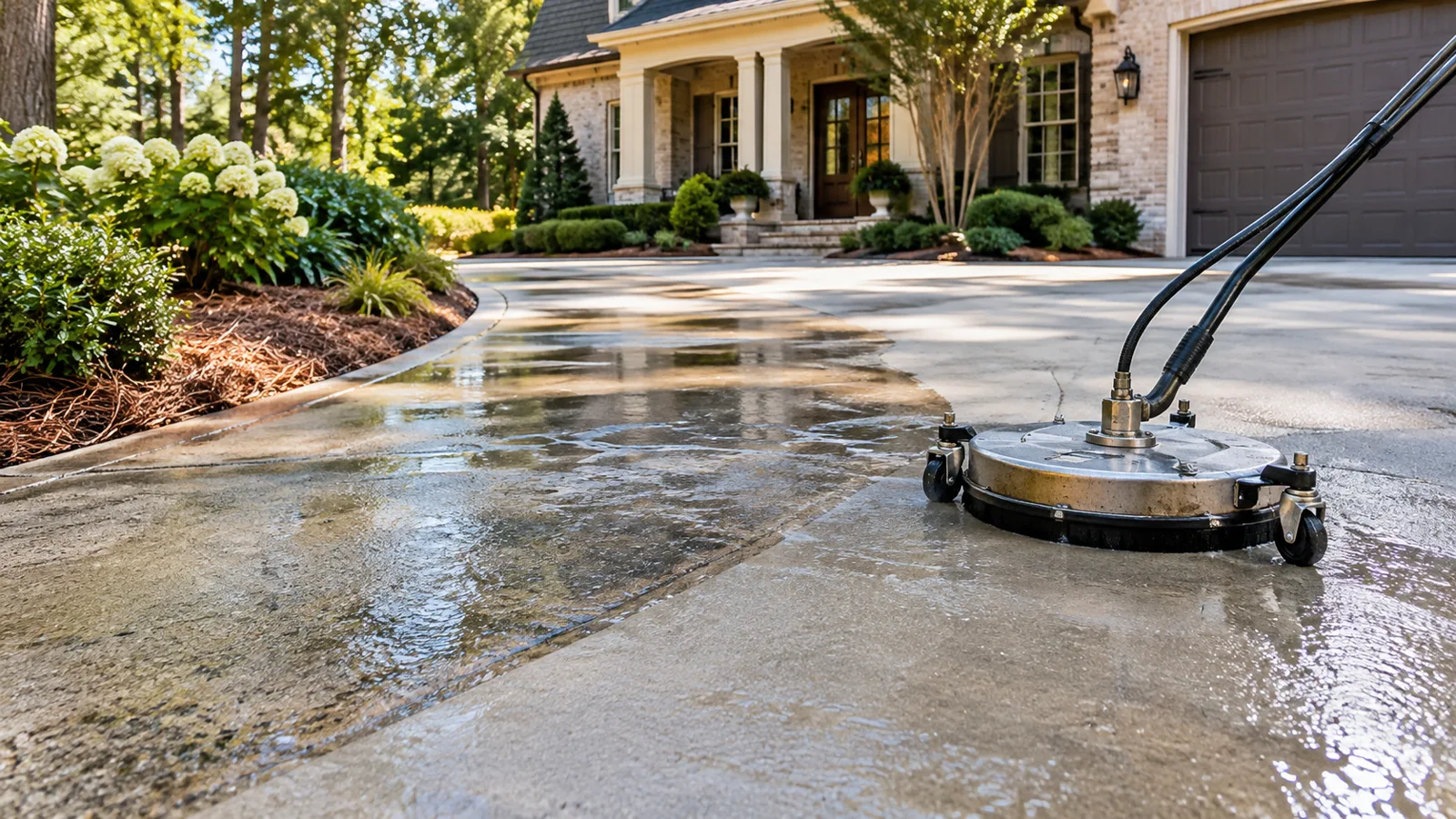
The useful answer to how long a washing project will take starts with the actual scope. A driveway estimate, several building elevations and an occupied commercial site involve different tasks and constraints. A number borrowed from another property may omit setup, restricted access, treatment decisions or the review at the end. Ask the provider to estimate your project from current information and distinguish the arrival window from the expected work period. This guide explains the details that make that conversation more useful. It does not offer a universal completion time or imply that a smaller surface always means a shorter appointment.
Define the work before asking for a duration
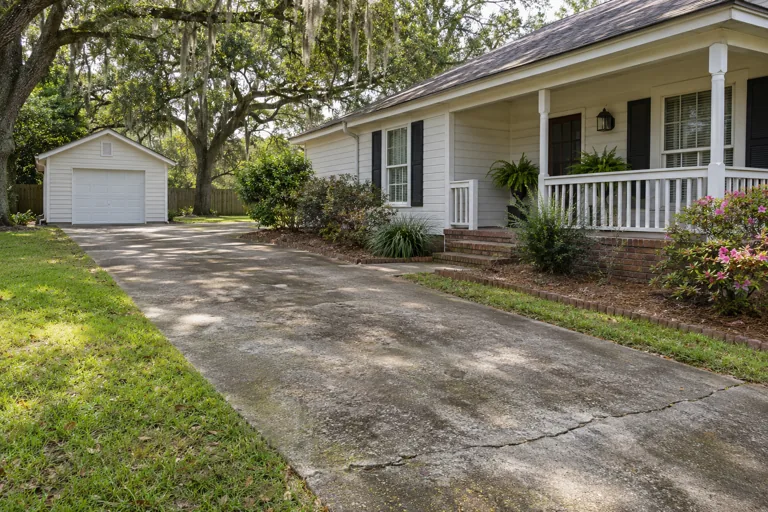
List the surfaces and boundaries you want included, using names that someone arriving can recognize. A front driveway may end at a gate, while a side passage and rear patio require separate access. House walls, roofs, detached buildings and paved areas should appear as distinct items even if you want one combined visit. Explain whether the request is for the entire surface or a particular area. Include optional tasks on a separate list. If a proposal changes, ask whether the time estimate still applies to the revised scope. This keeps the schedule tied to a reviewable project rather than a loose phrase such as a full exterior clean. A time discussion becomes more reliable when everyone is estimating the same work.
Separate arrival, active work and completion review
Ask what the quoted timing describes. An arrival window, the period on site and the point when a particular area can be used are different pieces of information. Setup and review may be part of the visit even when no visible washing is happening. If you must leave for an appointment, explain that constraint before booking and ask what arrangements are possible. Do not treat an estimated work period as a promise that the crew will arrive at a precise minute or that all surfaces are immediately available afterward. Clarify how changes will be communicated. A practical schedule identifies the decision points and access needs, allowing you to plan around the appointment without assuming that every stage is interchangeable.
Show access that a size estimate cannot describe
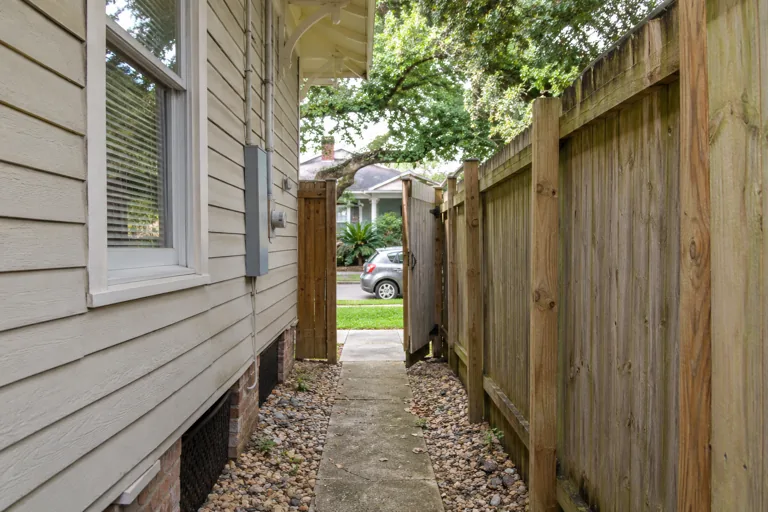
Photographs should show gates, side passages, steps, parking arrangements and the route to each requested area. A surface that looks simple in a close-up may require a different approach when access is restricted. Tell the provider about vehicles, fixed furniture, stored materials or shared entrances that will remain in place. Explain who can unlock each area and whether equipment arrival has a defined route. Do not hide an obstruction to make the estimate pictures look tidier. Ask whether any unresolved access detail prevents a useful duration estimate. A square-foot figure alone cannot answer those questions. Clear context helps the provider discuss the real project and reduces the chance that the planned visit depends on an entrance or work area that is unavailable.
Describe condition without diagnosing it yourself
Send an overview and closer photographs of the marks that matter to the request. Explain known history, including earlier treatment, recent repairs or a coating you can identify from records. Do not assume two equally sized areas require the same work because they look similar in a photograph. Some concerns may require assessment or may remain outside the proposed washing result. Ask whether the provider needs a site review before estimating the work period. If a particular stain is central to your expectations, name it early. An estimate based on ordinary surface washing should not be treated as an unlimited restoration appointment. The timing conversation is more useful when visible residue, permanent wear and separate repairs are clearly distinguished.
Identify different materials within the same project
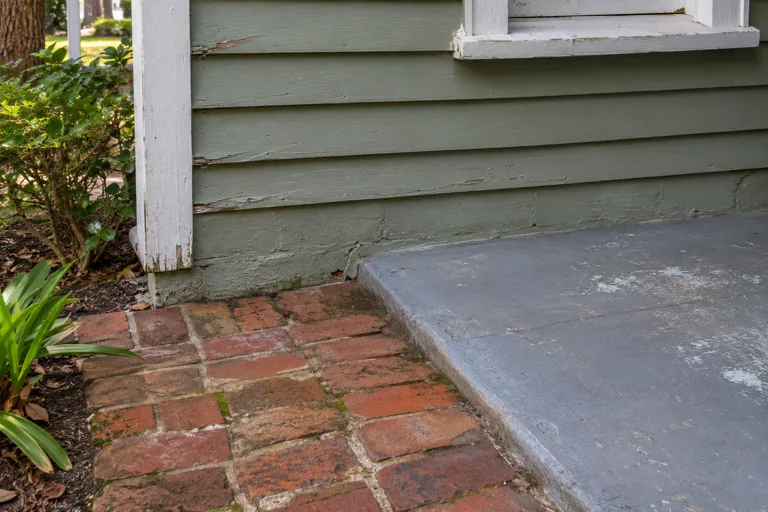
A mixed project may include painted siding, masonry, roof materials and paved surfaces, each with conditions the provider needs to review. List the known materials without guessing when you are unsure. Describe transitions and adjacent finishes rather than sending one photograph and calling the entire area concrete or siding. Ask how the different areas affect the proposed sequence and whether any need a separate visit or assessment. You do not need to specify equipment settings or treatment details to ask that question. The important point is that one property can contain several distinct tasks. Time estimates based only on the building's overall size can miss those differences, particularly where the requested work includes both an exterior wall and the ground surfaces beside it.
Make the next step practical
Show the areas. Explain your questions.
Send your address, an overview and relevant close-ups. Identify the requested work and any access or condition questions.
Make occupancy and delivery constraints explicit
Tell the provider when people need an entrance, when vehicles use the driveway and whether deliveries or another contractor will overlap the requested visit. For a business, identify the manager coordinating access and any work windows that have actually been authorized. Avoid assuming that work can continue unrestricted around normal traffic. A preferred before-opening period still needs review against the actual scope and conditions. Ask whether phasing is practical and how it changes the appointment plan. Keep a route that must remain available separate from a route you would merely prefer to keep open. These details help distinguish the time spent performing the work from the broader period needed to fit that work around the property's ordinary use.
Discuss weather changes through a clear process
Ask how the provider will communicate if conditions affect the agreed appointment. Do not rely on a general weather forecast to decide that the visit must proceed unchanged or must be canceled. Explain deadlines, including a gathering, an inspection or another contractor's arrival, before treating a date as workable. Ask what can be confirmed now and what still depends on conditions closer to the visit. Avoid promising your own guests that a surface will be ready at a precise time without the provider's agreement. A useful plan includes a contact channel and an alternative decision point. It does not turn an estimate into an assurance that weather, surface condition and property access will remain exactly as they appeared when the appointment was discussed.
Compare time estimates alongside their scope
When two proposals give different work periods, compare the included surfaces, exclusions, access assumptions and proposed result before deciding that one is faster or more efficient. One estimate may cover the entrance while another includes additional walls and a rear delivery area. Ask whether setup, staged access or completion review has been included in the timing discussion. Do not assume a shorter duration proves careless work or that a longer one proves a better result. The useful comparison is how each provider explains the actual task. If important details are missing, request clarification rather than substituting an online average. Keep the answer with the proposal so later changes can be considered against the same version of the project.
Build a useful timing request for CoKo’s
Send your address, wide photographs and a labeled list of the areas requested. Add the obstacles that will stay in place, known surface history and the periods when access is restricted. State the deadline you are trying to meet without presenting it as an already accepted completion promise. Ask whether the project can be estimated from those records or needs further review. Once scope and arrangements are agreed, confirm the arrival window, the appointment contact and how changes will be handled. Keep timing questions separate from a request for additional work. This gives the provider the information needed for a property-specific conversation and gives you a clearer plan than a universal number of hours attached to a very broad cleaning description.
Keep separate visits separate in the plan
If the provider proposes more than one visit, ask which surfaces and decisions belong to each stage. Confirm what needs to remain accessible between visits and whether another contractor or occupant must coordinate the next stage. Do not treat the estimated period for one phase as the total for the entire project. Keep a simple list of what is complete, what is pending and who confirms the next arrangement. This is particularly useful when different areas have different authorized work windows. A staged schedule should make the remaining responsibilities clearer, rather than leaving everyone to infer them from where the crew last worked.
Questions about this project
1. Name the areas
Use the same surface labels in your request.
2. Show the condition
Connect clear close-ups to a useful overview.
3. Confirm the scope
Resolve access and responsibilities before the visit.
Start with your property details
Use clear current photographs and name the areas you want discussed.