
CoKo’s · Practical property planning
How Long Does Soft Washing Last
Plan the surfaces, access and next step for your Greater New Orleans property.
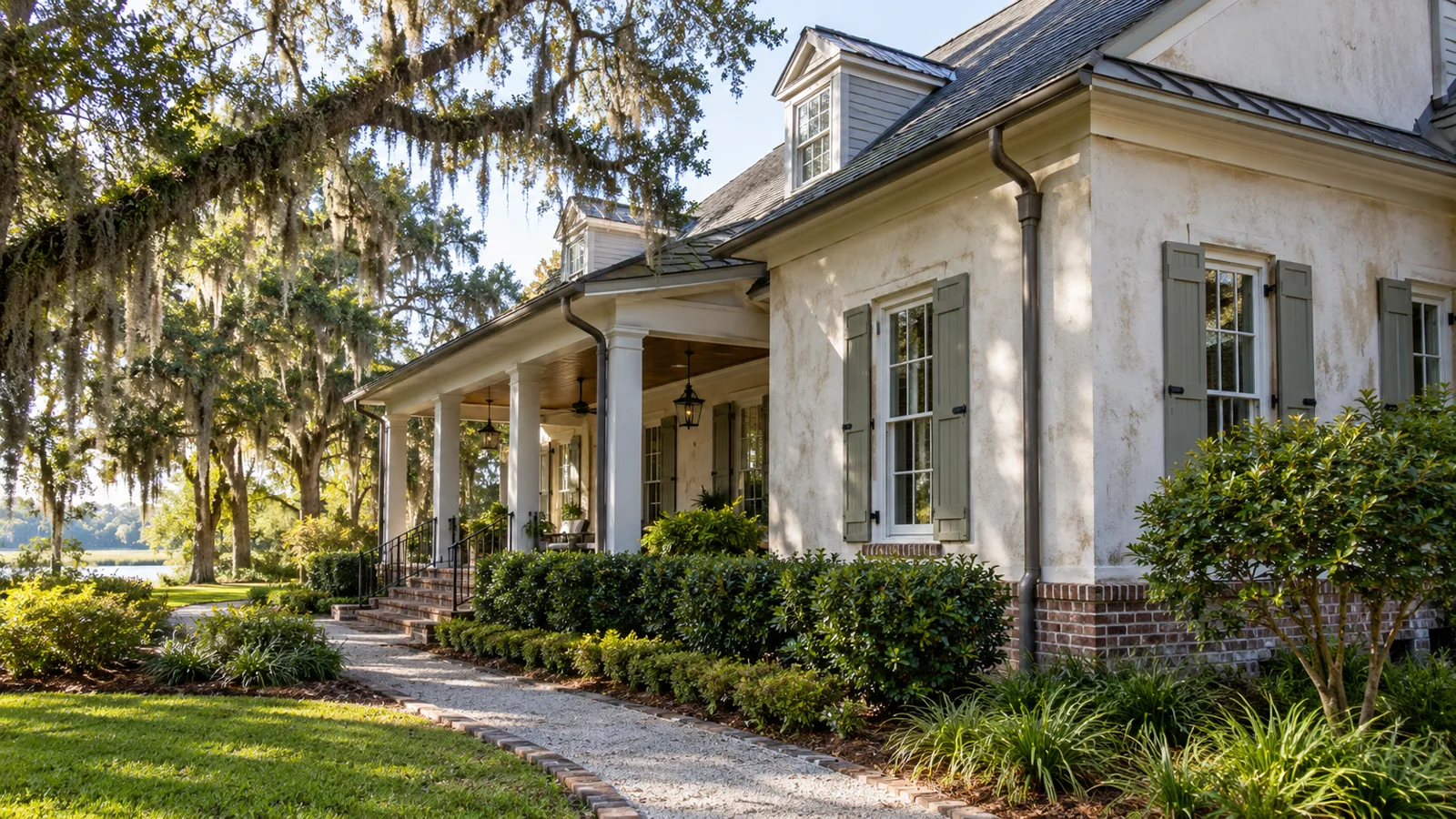
How long a soft-washed exterior looks clean depends on the actual surface, its condition, the agreed work and what happens afterward. A fixed month count cannot describe every shaded wall, roof section or sheltered entrance. Ask what result is reasonable for the material you have and how to distinguish a later change from an area that was not included. Keep the conversation about visible condition and maintenance decisions rather than a promise that every mark will disappear or stay away. This guide helps you build a useful record and discuss future care without treating one appointment as permanent protection or a universal cleaning schedule.
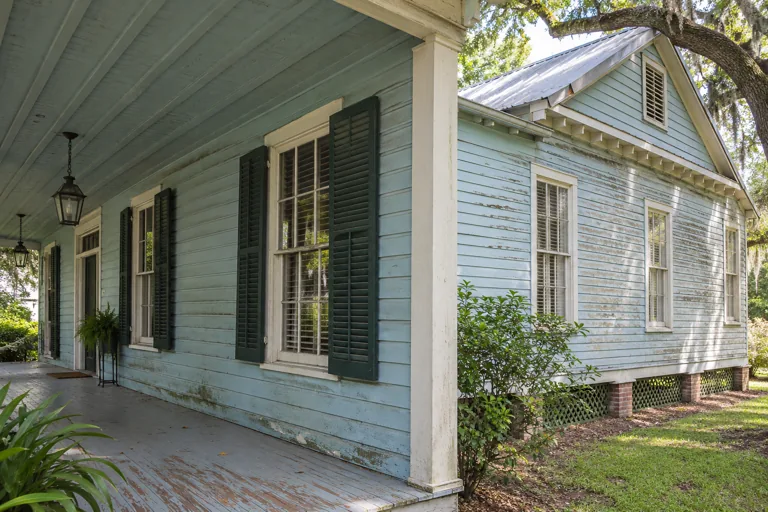
Define the result you want to follow over time
Start with the surfaces actually included in the washing proposal. Name the relevant wall sections, roof areas or other exterior features and record the concern for each. A request about visible residue is different from a concern about a faded coating or a repaired patch. Ask the provider what appearance is reasonable and what limitations should remain on the maintenance list. If several materials are involved, keep their expectations separate. A property-wide statement that everything will look new for a fixed period hides those differences. The useful baseline is the agreed result for named areas. That lets later photographs and questions refer to the work authorized instead of an open-ended expectation about the entire exterior.
Keep cleaning separate from material restoration
An old finish can remain uneven after residue is addressed, and washing does not make previous repairs or failed components disappear. Share known coating information, repair history and condition concerns before approving the work. Ask whether a visible mark can be assessed as part of the proposed wash or needs another type of review. Do not interpret a method name as a promise to restore every material to its original appearance. If you plan painting, repairs or another project, discuss the sequence with the responsible providers. A realistic understanding of the initial result makes the longevity question more useful. It also prevents permanent wear from being mistaken for fast reappearance of something the cleaning appointment was expected to remove.
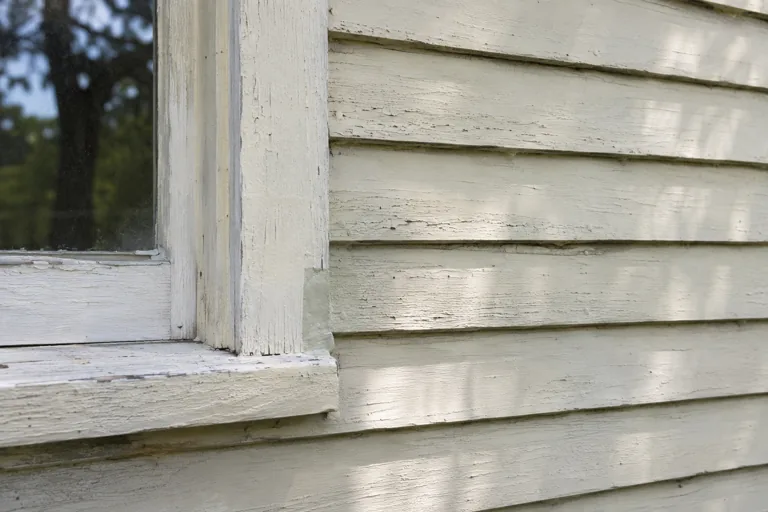
Record the starting condition by location
Take a small set of overview and closer photographs from ordinary authorized access. Label the same elevations or areas consistently, such as front wall, shaded side passage or covered entrance. Include the date and any known difference in lighting or moisture when making a later comparison. Avoid collecting many unlabeled close-ups that cannot be located on the property. You do not need to identify an organism or diagnose a surface defect to document what is visible. The purpose is a clear condition record. Share existing concerns with the provider before the appointment and keep that exchange with the accepted scope. Later, the same location labels can help distinguish the work included from another surface visible at the edge of a photograph.
Recognize that property conditions can differ
Describe shade, nearby planting, sheltered corners and other visible features that affect how you use and observe the exterior. Do not assume every side of one building will look the same over time. One area may receive different exposure or collect different visible residue from another. Tell the provider about known recurring issues rather than choosing a repeat schedule from a general online example. If an area stays wet or has a suspected building problem, keep that issue separate from a washing request and ask the appropriate professional to review it. Exterior cleaning should not be presented as a repair for the underlying condition. The useful maintenance discussion names the location and the pattern you have observed without claiming an unsupported cause or permanent prevention.
Ask what any stated guarantee actually covers
If a provider describes a warranty or follow-up policy, ask for its written terms and how they apply to the specified surfaces. Clarify what result is covered, what is excluded, how a concern is reported and what information is needed. Do not assume a broad phrase means every future stain, weather change or material defect is included. Keep that discussion tied to the actual proposal rather than an unrelated advertisement. This guide does not establish a CoKo’s guarantee or interpret legal coverage; the purpose is to help you ask for clear project information. A useful answer distinguishes the provider's stated commitment from a general prediction about appearance. Retain the current terms with the accepted scope so the appointment contact can refer to the same record.
Make the next step practical
Show the areas. Explain your questions.
Send your address, an overview and relevant close-ups. Identify the requested work and any access or condition questions.
Compare later changes with a fair baseline
Use a similar ground-level position and an overview that identifies the same area. Note the interval since the appointment and whether another event or project has affected the surface. Wet and dry appearances or different lighting can make a comparison less straightforward, so explain those conditions instead of relying on one isolated photograph. If you think an included area was missed, identify it promptly through the agreed contact process. If a visible change developed later, describe when you noticed it and where it occurs. These are different questions and may need different responses. A fair record helps the provider understand the concern without requiring you to decide the cause or assume that every later mark proves the original work failed.
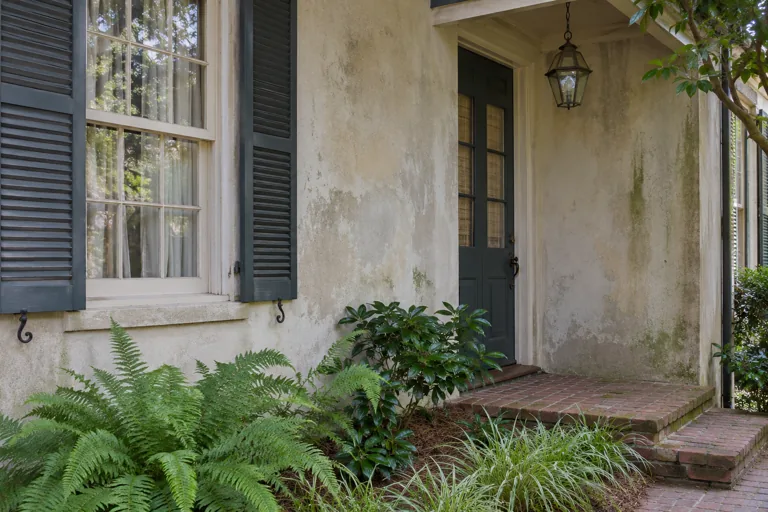
Avoid unsupported home treatments between visits
Before applying a product or attempting additional cleaning, check the relevant material or finish instructions and ask the responsible provider about the concern. Do not choose a treatment because a mark resembles a photograph online. Keep records of any product or outside work that affects the surface, particularly when you later ask someone to compare its condition with the completion photos. Avoid climbing or improvising access to inspect a roof or high wall. A clear photograph from a safe position and a location description are useful starting points. Routine observation does not require the homeowner to prescribe chemicals, pressure or temperature. Keeping the maintenance record honest also means recording what was done between visits rather than presenting every later change as if the surface had remained untouched.
Plan a review from observed need and property use
Instead of assigning the same repeat interval to every surface, ask which conditions would justify another conversation. A highly visible entrance may have different appearance priorities from a rarely used side wall. Explain events, occupancy changes or upcoming repairs that affect those priorities. Keep an inspection or repair concern on its own path rather than treating a new wash as the automatic answer. Ask the provider to distinguish a suggested condition review from a confirmed recurring appointment. A maintenance discussion can identify what to watch without promising how many months an exterior will remain unchanged. The goal is a considered next decision based on the material and the actual property, not a calendar that ignores how the surface looks or is used.
Send a useful follow-up question to CoKo’s
Include the address, the date of the relevant visit if known and the label of the area you want reviewed. Send a current overview with a closer image that shows the concern, keeping photo-taking at ordinary authorized ground access. Explain when you first noticed the change and any work or treatment that occurred afterward. Refer to the included scope and ask what additional information would help. Avoid diagnosing the mark or demanding a universal lifespan based on another property's experience. This gives CoKo’s a clear starting point for discussing the actual condition and next steps. Keep the response with the project record so later maintenance decisions can use the same facts rather than repeating an increasingly uncertain recollection of the original result.
Keep appearance goals distinct from service recommendations
Tell the provider why a particular area matters now: a visible arrival route, preparation for another project or a change you want assessed. That priority helps frame a discussion without establishing that washing is necessarily the right next action. Ask what information supports the proposed scope and whether an uncertain condition needs another professional. Avoid treating a recommendation as a universal maintenance requirement for every property in the neighborhood. Your own records should distinguish what was observed, what was suggested and what you actually authorized. This makes the next review useful even if your priorities or the property's use have changed since the last appointment.
Questions about this project
1. Name the areas
Use the same surface labels in your request.
2. Show the condition
Connect clear close-ups to a useful overview.
3. Confirm the scope
Resolve access and responsibilities before the visit.
Start with your property details
Use clear current photographs and name the areas you want discussed.