
Commercial exteriors · Greater New Orleans
Terracotta facade washing.
Identify the clay. Respect the assembly.
Plan a clear exterior washing request around the fired-clay wall units, glaze, joints and neighboring finishes.
Original illustrative scenes show anonymous material examples, not customer jobs.
Your property. Your priorities. A clearly defined scope.
Confirm fired clay rather than appearance
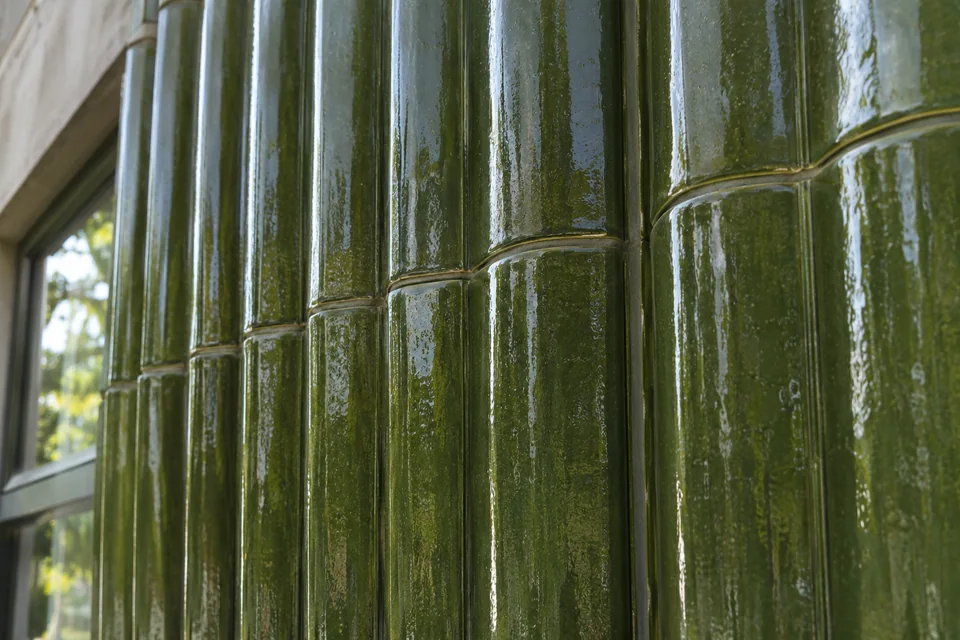
Terracotta can be a product description, an architectural reference or simply the color someone uses to describe a wall. Those meanings are not interchangeable when a commercial property requests cleaning. A fired-clay facade needs an inquiry tied to the actual units, finish and wall system, with repair concerns kept separate. For buildings around Greater New Orleans, this guide explains how an authorized owner can organize that information without diagnosing the facade, selecting a universal cleaning liquid or assuming that every reddish exterior surface should receive the same treatment.
Begin with project records, supplier details or the material information retained by the building owner. Find out whether the feature is documented as fired-clay cladding and whether its surface treatment is identified. A warm orange color, ribbed profile or glazed appearance may help describe what is visible, but those observations do not replace product identification. Record the source of the information so the estimator can distinguish a specification supplied by the owner from an informal description offered by someone who has only seen the exterior from a distance.
Keep roof tiles, masonry brick, stucco and cast replacement pieces outside an assumed terracotta-wall classification. A coordinated building can contain several of these materials together. Explain which component is under discussion and give the other surfaces their own labels. Where the product is unknown, that uncertainty should remain visible in the request. Do not scrape a sample, remove a unit or try to open the wall to obtain an answer. Appropriate property records and qualified material assessment are different resources from a routine washing estimate.
Separate the wall face from the assembly
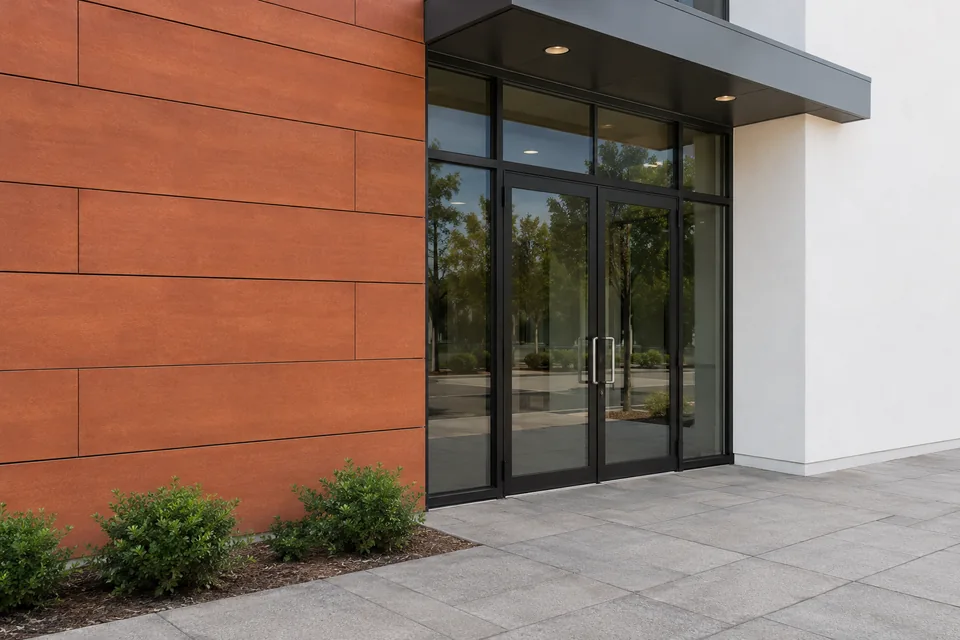
An elevation photograph should show the requested units and their relationship to joints, corners and openings. Mark the boundaries of the proposed area using references that can be recognized on site. A row beside the lobby entrance is a clearer starting point than a request to clean all the clay. If only a portion of the elevation is being considered, identify the adjoining units that are excluded. This allows a washing discussion to stay tied to a defined face rather than an unspoken commitment covering the complete facade system.
The visible surface is only part of an installed cladding assembly. A cleaning request should not imply permission to investigate a cavity, alter fixings, seal openings or assess concealed layers. The LOPO maintenance resource specifically distinguishes product and wall-system identification from repair and other professional assessment. Use that distinction to keep the inquiry honest: describe what the owner wants considered on the exterior while recording assembly questions for the people responsible for them. A wash is not an inspection of everything behind the face.
Record the location and pattern of marks
Photograph an affected area with enough surrounding context to show whether the concern follows a joint, sits beneath a projection or appears on separate units. Use consistent labels in wide images and closer views. Describe a pale deposit, dark trail or local discoloration as an observation unless its cause is already documented. A washing inquiry should not turn a photograph into a definitive diagnosis of salts, biological growth, water entry or material failure. The location and history can be useful even when the reason for the mark remains unresolved.
Include what is known about earlier treatment and whether the appearance changed afterward. If previous cleaning left an uneven result, identify the treated area rather than assuming the entire elevation now needs a stronger process. Keep the original photographs and avoid filters that exaggerate contrast or hide surrounding differences. The desired discussion concerns the particular condition and any reasonable appearance limits. It does not require a promise that every unit, repair, glaze or naturally varied surface will become identical after suitable deposits have been addressed.
Keep unstable units outside routine washing
Loose, displaced or visibly damaged units are a different issue from an ordinary appearance concern. Tell the responsible property team about those observations and keep the area out of an assumed cleaning scope while appropriate professional review is arranged. The manufacturer maintenance resource treats suspect facade conditions as reasons for assessment before routine work. This guide does not determine stability or tell an owner how to secure a damaged facade. It preserves the boundary between requesting washing and resolving a possible building-material or attachment problem.
Do not touch a unit to demonstrate movement, pull at a fragment or ask someone to stand beneath a suspect feature for a better photograph. Available records and safe views are sufficient to communicate that a concern exists. If a qualified professional has already identified exclusions or a required sequence, provide those instructions through the authorized property contact. An understood, limited area may still be considered separately, but the excluded condition must stay excluded until the responsible parties resolve it. Equipment being nearby does not authorize an expansion into that area.
Define interfaces with other materials
Show where the fired-clay face meets glazing, stone trim, painted metal, roof edges or paving. State whether these neighboring components are requested for their own review or simply need to be recognized as boundaries. A decorative replacement may resemble surrounding units without being the same material. Where records identify a repair or substitute, include that information with its location. Treat the actual component as the subject of the inquiry rather than assuming the original facade specification also describes every later addition, patch or detail.
Ground-level areas may introduce planters, entrance furniture, signs or delivery activity next to the wall. Describe those conditions without suggesting that routine washing includes moving every item, handling building equipment or removing specialist residues. If the intended work also covers the paving below the facade, list that as a separate surface. Matching colors and adjoining locations do not establish matching care requirements. A clear boundary list makes it easier for the owner to compare a narrow facade proposal with a broader exterior maintenance request without confusing the two.
Have the property photos?
Let’s define the next step.
Send the address, requested surfaces and the contact who can confirm access.
Organize safe ground-level documentation
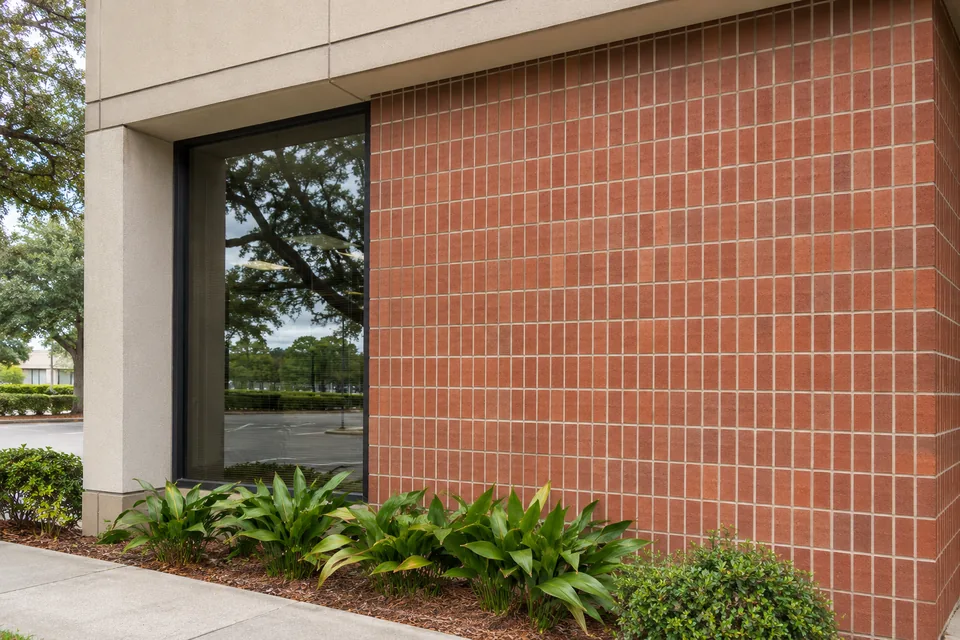
Create a small set of labeled images instead of a large collection of isolated close-ups. Include the whole requested elevation, an intermediate view tying the concern to a recognizable opening and a detail taken from an ordinary safe position. State when the pictures were taken and whether recent construction, landscaping or other work changed the area. This gives a reviewer useful context without requiring access to a roof, removal of a unit or an owner-created investigation of the cladding assembly simply to prepare an initial inquiry.
When a high or obscured location cannot be photographed adequately from the ground, describe that limitation rather than improvising access. Existing drawings or photographs held by the property may help establish which feature is being discussed, but they should be labeled if they show an earlier condition. Do not present an old construction picture as proof of current access or surface integrity. The next step may be clarification of the material or location before washing is considered. That is a useful decision, even if it leaves the initial scope smaller than expected.
Bring product guidance into the discussion
Ask for the installed product's maintenance information and any relevant advice associated with a later coating, repair or replacement. Keep the actual document version with the property records and identify the component to which it applies. A supplier's general article can explain why these questions matter, but it does not approve a cleaning process for every fired-clay wall. Differences between project instructions and a general example should be resolved by the appropriate product or facade professionals rather than silently choosing whichever instruction appears easier to follow.
Avoid supplying an internet recipe, equipment setting or acid treatment with a request to make the facade look new. Those details can turn an appearance inquiry into a process instruction without establishing that the product, assembly and condition are understood. Instead, ask what information is needed to decide whether a defined area can be reviewed for washing and how limitations would be recorded. Keep replacement, leak investigation and specialist facade repair outside the washing discussion unless separately established with suitably qualified providers and the owner's authorization.
Submit a bounded facade request
The useful starting package contains the address, authorized contact, labeled elevation views, known supplier and finish, previous treatment information and any outstanding condition questions. Explain whether the owner is exploring selected units, one complete face or a phased review of several elevations. Where material identification remains incomplete, name that gap. This creates a practical record for discussing the intended exterior surfaces without claiming a confirmed service, price or appointment before the actual condition, access arrangement and proposed work have been reviewed.
Review a returned proposal against the same unit and elevation labels. Confirm which faces are included, which neighboring items are excluded and what remains subject to another professional's decision. If the site changes before any agreed work, provide updated information through the authorized contact. Afterward, assess the named area against the discussed appearance goal, acknowledging any material variation or existing repair differences. A useful cleaning record should help the next maintenance conversation while preserving the distinction between a washed surface and an inspected, repaired or certified facade.
Product-care reference: Terracotta curtain-wall maintenance guidance. Obtain instructions for the installed product and finish before agreeing a method.
A practical start.
Three useful steps.
Show the surfaces
Send wide photos and close views. Label the buildings and the areas that matter now.
Set the boundaries
Explain materials, access, preparation and the work window your property can support.
Review the scope
Confirm included surfaces, responsibilities and the next step before scheduling.
Terracotta Facade Washing Planning.
Your questions, answered.
Your next exterior project.
Start with a clearer scope.
Text your address and the priority exterior photos. For a larger project, send the full property details.
Send your address. Show us what needs cleaning.
Text your address, a wide photo and a close-up of the buildup. We’ll review the surfaces and discuss your cleaning options.
Text photos for an estimate Start an online quoteCoKo’s Pressure Washing · (504) 296-9696

