
Commercial exteriors · Greater New Orleans
Farm supply & feed store washing.
Make the approach count.
Review the storefront, roofs and suitable loading approaches together. Show us the surfaces, stock boundaries and the work window your store can support.
Your property. Your priorities. A clearly defined scope.
Follow the customer from the parking area
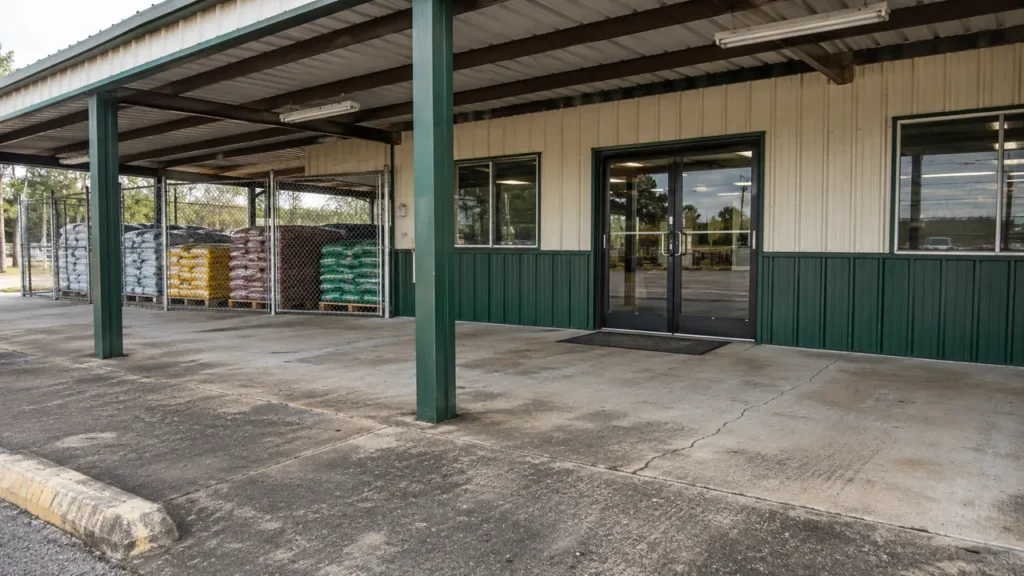
A farm store can have bagged feed at one door, trailers at another and customers moving between them all day. Exterior washing works better when those uses are mapped first. CoKo’s reviews suitable roofs, walls, canopies and paved approaches for Greater New Orleans and Westbank properties. Start with photos of the storefront and receiving area, then identify the stock boundaries and the routes the store needs to keep available.
Walk the normal route from a parking space to the store entrance and photograph it from both ends. Include canopy posts, door surrounds, accessible approaches and the place where customers wait for heavy purchases. A shaded front walkway can need a different review from a sun-exposed loading apron. Describe the condition you want addressed in each area rather than grouping all exterior surfaces under one square-foot total for the property.
Include the practical details customers encounter: carts, raised curbs, outdoor displays and a route shared with loading activity. The store manager should identify which displays can move and which must stay. A useful starting scope might cover the front wall and entrance concrete while leaving the receiving yard for another phase. That gives the proposal a clear boundary and allows the shop to consider an improvement without first reorganizing every part of a busy sales operation.
Keep merchandise decisions with the store team
Bagged feed, seed, bedding and other stock should have a clear owner-controlled boundary. Show where merchandise is normally placed, including pallets that may appear only on delivery days. Tell us which products can be moved indoors or away from the proposed work zone and who will handle that preparation. Exterior-washing access does not automatically include permission to relocate stock, handle damaged packaging or enter product-storage areas behind the sales floor.
Separate the building surface from the goods next to it in your description. For example, identify a coated wall behind the display rather than asking to clean the entire display area. If loose material or damaged bags are present, point them out so responsibilities can be discussed before washing is planned. That distinction keeps a property-maintenance proposal focused on the agreed roof, wall or paving and leaves inventory handling with the people who understand the store’s products and procedures.
Review roofs, awnings and wall materials separately
A farm supply property may combine an older masonry storefront with a coated-metal warehouse and several canopy sections. Photograph each building and identify known roof leaks, coating concerns or loose components. Wide ground-level views are useful for understanding roof lines and what sits below them. A dark roof patch alone does not establish the material, condition or appropriate washing method, and no one needs to climb onto the building for an initial inquiry.
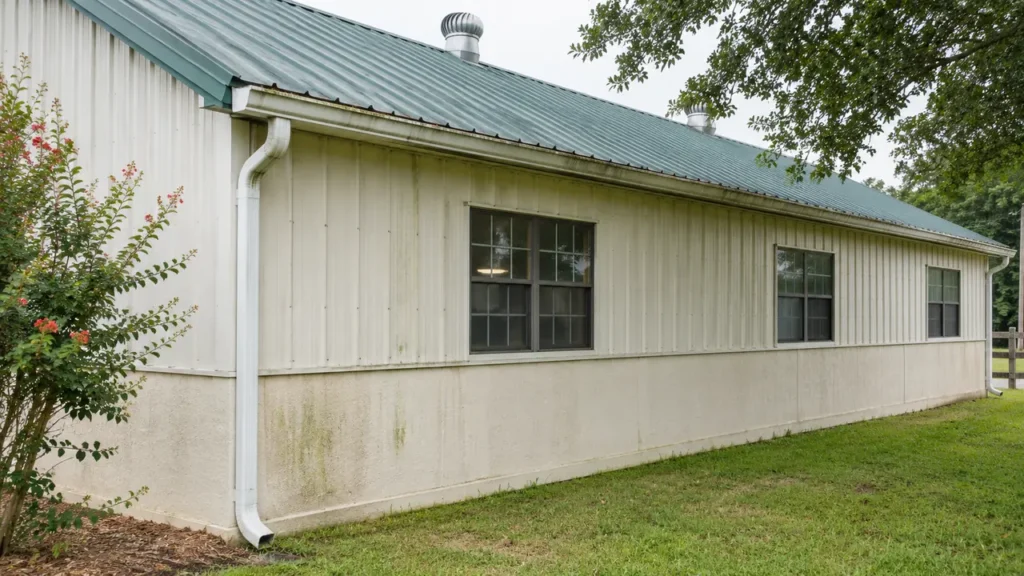
Show wall elevations as well as close views of organic buildup. Painted trim, metal siding, masonry and canopy supports can respond differently to cleaning. The method should follow those surfaces and their condition rather than the assumption that every commercial property needs high pressure. Washing is not a repair for failed paint, damaged panels or leaking roof details. A clear proposal can identify suitable areas and leave a concern for further assessment without bundling it into the rest of the building.
Give receiving and heavy-purchase loading room to work
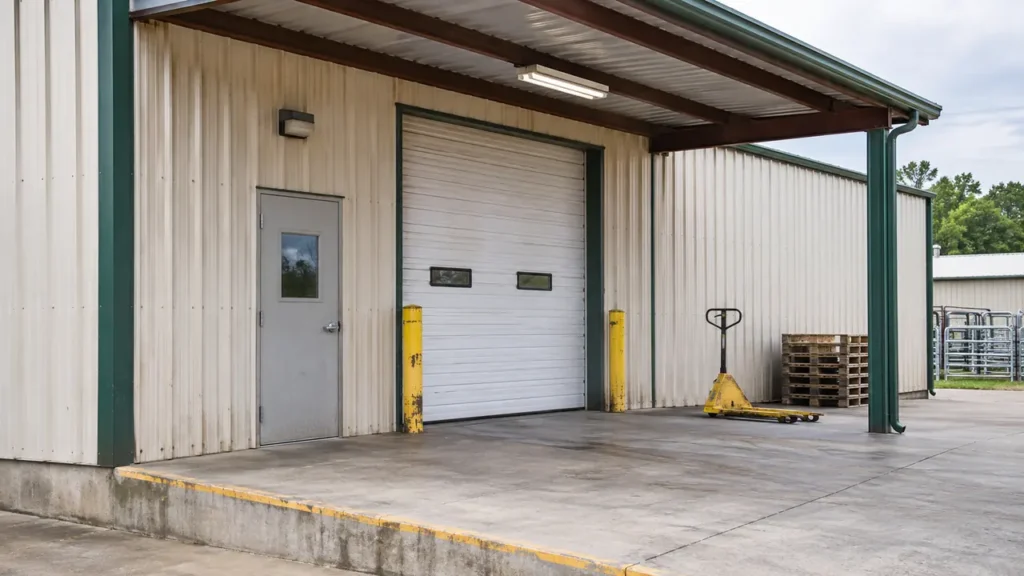
Ask the receiving team which routes trucks use and when deliveries normally arrive. A door may look unused from the parking lot while serving as the only access for pallets and bulky stock. Show the turning area, loading apron and any customer pickup lane that shares the route. Explain whether the property has separate receiving and customer-loading areas or one space that performs both functions throughout the trading day.
Where sections can be released, label them in the same way the staff use them: front pickup bay, rear receiving door or warehouse side lane. Identify the contact who confirms that a section is available and communicates any change to staff. A phased approach should fit actual store activity rather than relying on a general promise to work around everything. Include early deliveries and after-hours stocking when discussing timing; closed retail doors do not necessarily mean the exterior is empty.
Look closely at paving, coatings and residue
Suitable concrete and paved approaches can be reviewed by zone. Photograph cracks, patched areas, painted markings and any coating or surface repair the manager knows about. Explain whether the concern is shaded organic buildup, ordinary tracked dirt or a particular stain. Those are different questions. An honest scope distinguishes what washing is intended to address from damage, embedded staining or worn material that may remain visible afterward.
Loose stock material and attached surface buildup also need separate descriptions. A loading area may need store-led clearing before the paving can be assessed or made available. Do not assume the washing proposal includes disposal of spilled merchandise or unknown residue. Heat and pressure can be discussed for suitable hard surfaces after the condition review. This allows the work to be scoped around the actual material instead of treating an entrance path, warehouse apron and coated display pad as identical surfaces.
Have the property photos?
Let’s define the next step.
Send the address, requested surfaces and the contact who can confirm access.
Include water, drainage and neighboring stock areas
Identify the water connection available for the project and show the route between it and the requested surfaces. Note where washing equipment could be positioned without blocking customers, trailers or a receiving door. Include areas where hoses would cross a normal staff route. These details matter even on a large property, because the available working space may be much smaller than the apparent yard once displays and parked vehicles are taken into account.
Show drainage directions and any nearby gravel, landscape beds or stock-storage boundaries. The water-management review should relate to the task and the material expected to be removed. An exterior drain is information to investigate, not automatic permission for a disposal route. Share the property’s requirements and the responsible contact early. Avoid sending private access codes in the initial message; a simple description of the gate, working route and restrictions is enough to begin defining the request.
Choose a sequence that fits seasonal changes
Farm stores can change their exterior layout with planting seasons, weather and stock deliveries. A clear front apron may hold a temporary display during another part of the month. Explain any planned changes when asking about timing, and update the photos if merchandise or customer movement has changed substantially. That helps keep the estimate tied to the space that will actually be available rather than a layout that existed only on the day the first photo was taken.
If the store wants recurring exterior maintenance, use the first zone list as a record rather than a permanent assumption. Review materials, condition and access again for later visits. A roof concern, new canopy or different display arrangement can change the useful work boundary. Starting with one manageable section also gives store staff a clearer preparation plan. The aim is an exterior project that supports the trading operation and gives everyone a practical definition of the work being considered.
Send a scope the owner and manager can compare
Put the property address, requested buildings, surface photos and operating restrictions in one request. Identify whether the person approving the proposal is also the person managing receiving and stock movement. If a landlord controls a canopy or shared parking section, include that boundary instead of assuming the tenant can authorize all exterior work. A useful written scope identifies included surfaces, preparation responsibilities, access arrangements and any unresolved condition that affects the proposed washing.
For several locations, label the photos and surface list by address. Similar-looking stores can have different roof materials, delivery routes and product-storage arrangements. Text the main priorities first, or use the detailed commercial project form when the scope needs more explanation. Ask for the entrance, roof or receiving apron that matters now rather than delaying the conversation until every measurement is available. Clear photos and a practical stock-moving plan give the review a stronger start than a broad request to clean everything outside.
A practical start.
Three useful steps.
Show the surfaces
Send wide photos and close views. Label the buildings and the areas that matter now.
Set the boundaries
Explain materials, access, preparation and the work window your property can support.
Review the scope
Confirm included surfaces, responsibilities and the next step before scheduling.
Farm Supply & Feed Store Exterior Washing.
Your questions, answered.
Your next exterior project.
Start with a clearer scope.
Text your address and the priority exterior photos. For a larger project, send the full property details.
Send your address. Show us what needs cleaning.
Text your address, a wide photo and a close-up of the buildup. We’ll review the surfaces and discuss your cleaning options.
Text photos for an estimate Start an online quoteCoKo’s Pressure Washing · (504) 296-9696