
Living inventory · Defined exterior surfaces
Garden-center exteriors.
Plan around the plants.
Exterior washing for suitable garden-center and nursery hardscape in Greater New Orleans and the Westbank. Text surface photos, plant-stock boundaries and trading hours for a defined scope.
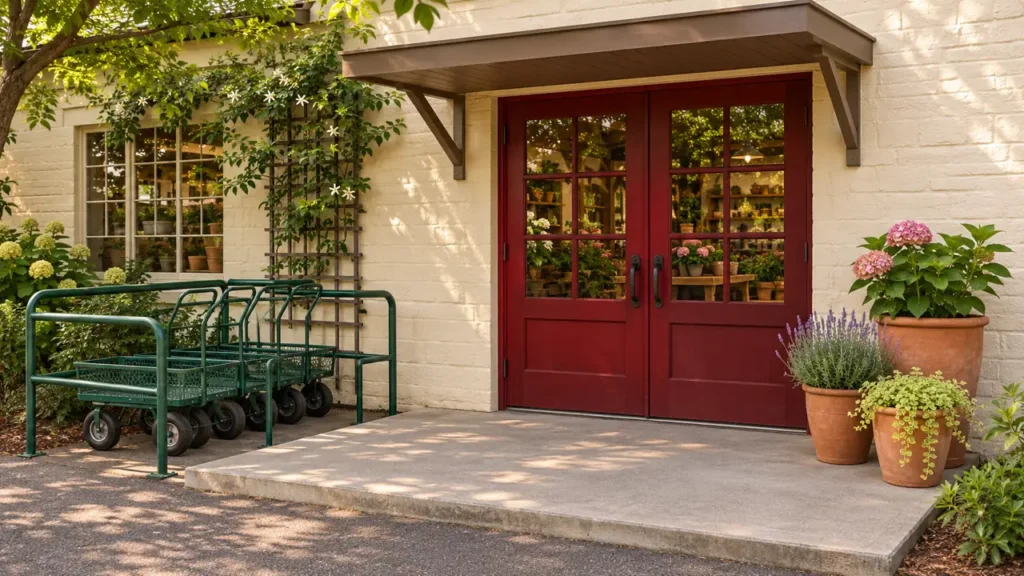
Original nursery illustration; no customer or completed project claimed.
Map the retail surfaces before requesting a wash
A garden center is a working sales yard with living inventory, frequent watering and changing displays. A useful exterior-washing request starts by identifying the built surfaces that need attention: the customer entrance, concrete cart route, paved display aisle, storefront wall or receiving apron. Mark those areas on a simple photograph or sketch. Separate them from planting beds, gravel growing pads, propagation spaces and production equipment. The boundary matters more than calling the entire property one large cleaning area.
Describe what the business needs to accomplish. You may be preparing an entrance for a seasonal display change, reviewing persistent buildup along a paved aisle or combining a storefront wash with a limited hardscape visit. These are different requests with different preparation needs. CoKo’s reviews suitable exterior surfaces in Greater New Orleans and the Westbank; the proposal should identify the included zones before a date or method is assumed.
Distinguish loose potting material from attached buildup
Potting soil, mulch fragments, fallen leaves and tracked grit can collect beside display benches and cart routes. Photograph the surface before stock is moved, then provide a closer view of what remains on the pavement. Loose material, attached organic-looking buildup, mineral deposits and old discoloration should not be treated as the same problem. A dark mark alone does not establish its cause or tell us which treatment the material can tolerate.
Agree who will remove ordinary loose debris and where it will go before washing begins. The request should not assume that soil can simply be pushed toward a drain or into the next planting area. Disclose fertilizer, pesticide or other product residues instead of describing them as ordinary dirt. Suspected spills and contaminated materials require a separate response; they are outside a routine exterior-washing scope. Some surface discoloration may remain even when removable buildup is addressed.
Give live inventory an owner-controlled boundary
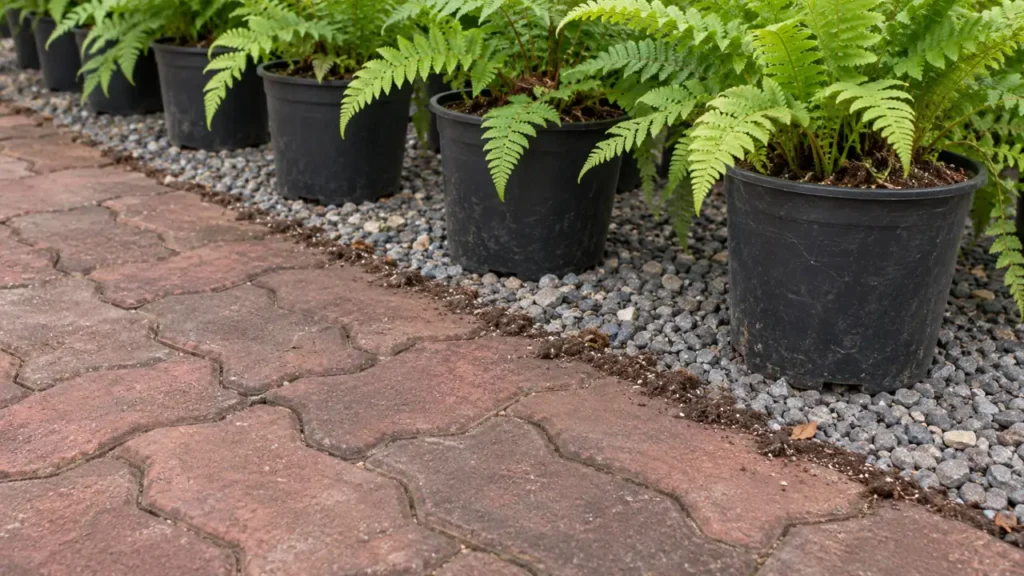
Show the nearest plants, bagged growing media, seed displays and movable merchandise in the scope photos. Tell us which stock can be relocated and which benches or heavy containers must remain in place. The nursery’s authorized staff should decide how living inventory is handled and identify any growing areas that cannot be exposed to washing activity. A cleaner should not silently take over horticultural decisions or assume every plant has the same tolerances.
Discuss temporary work limits before proposing an approach. Dense displays may require a smaller washing zone, a different sequence or postponement until the yard is rearranged. State who will move and return pots, benches, labels and merchandise, including how long the area can remain unavailable. Avoid relying on a blanket promise that a product is safe for every plant. If suitable separation cannot be arranged, that part of the requested work may need to stay outside the proposal.
Match the review to concrete, pavers and storefront materials
One nursery aisle may change from poured concrete to jointed pavers, painted masonry, timber edging and a metal door threshold within a few steps. Identify those transitions in the photos. Include a close view of cracked surfaces, loose joints, lifting coatings, existing repairs and any sealer information. The washing approach should follow the actual material and condition, rather than a single pressure setting applied across the entire retail yard.
Explain any finish or appearance requirements before the scope is finalized. Paver-joint work, recoating, sealing, masonry repair and drainage correction are separate decisions and should not be assumed to accompany cleaning. A limited evaluation area may help assess a suitable method, but it does not promise identical results across weathered materials. Raised edges, broken paving and worn coatings also remain maintenance matters; washing is not a certification of walkway condition or accessibility.
Coordinate watering and seasonal stock changes
Provide irrigation times, hand-watering routines, delivery periods and the hours when customers are normally present. A section that appears quiet before opening may still be needed by staff watering stock or receiving a plant shipment. Ask the site manager to identify a realistic work window and an authorized contact who can coordinate changes. Nobody should assume that an exterior-washing visit includes adjusting irrigation controls or interrupting plant care without approval.
A display reset may create a useful opportunity to review exposed pavement that is normally hidden under pots and benches. It can also reveal conditions that change the proposed scope. Allow time for photographs and decisions before the whole area is repopulated. Recurring wetness or buildup should be discussed with the owner in relation to site operation; a wash does not repair overwatering, leaking irrigation lines or poor drainage. Schedule maintenance around the actual condition rather than a universal interval.
Primary resources: UGA Extension nursery runoff principles, EPA stormwater background and SWBNO local resources. These explain planning concerns; they do not grant project discharge permission or establish nursery sanitation qualifications.
Separate customer movement, carts and receiving activity
Map the entrance customers use, the path staff use for loaded carts and the route for deliveries. Explain whether the business can close a small zone, redirect visitors or pause receiving during the agreed window. A written sequence is more useful than promising uninterrupted access to every part of an operating nursery. Any temporary route needs the operator’s approval and must account for the people and merchandise that normally use it.
Clarify responsibilities for plant carts, racks, pallets and other items in the receiving area. Moving heavy stock, operating a forklift, unloading deliveries and managing customer traffic are not automatically included in exterior washing. Identify fixed equipment and boundaries that must remain untouched. The proposal can then describe which areas are available, which are excluded and what conditions would require work to pause. Do not use a cleaning appointment as a substitute for the business’s own operating and access decisions.
Have the exterior photos?
Let’s define the next step.
Send the address, requested surfaces and authorized site contact.
Resolve wash-water arrangements separately from irrigation
Nursery runoff needs specific attention because paved areas can collect soil, nutrients and other materials from daily operations. University of Georgia Extension identifies sediments, nutrients, pesticides and equipment-related contaminants as potential concerns in nursery runoff. EPA also explains how runoff over hard surfaces can carry pollutants toward drains and waterways. Those principles support asking what is present and where water travels before choosing a washing scope.
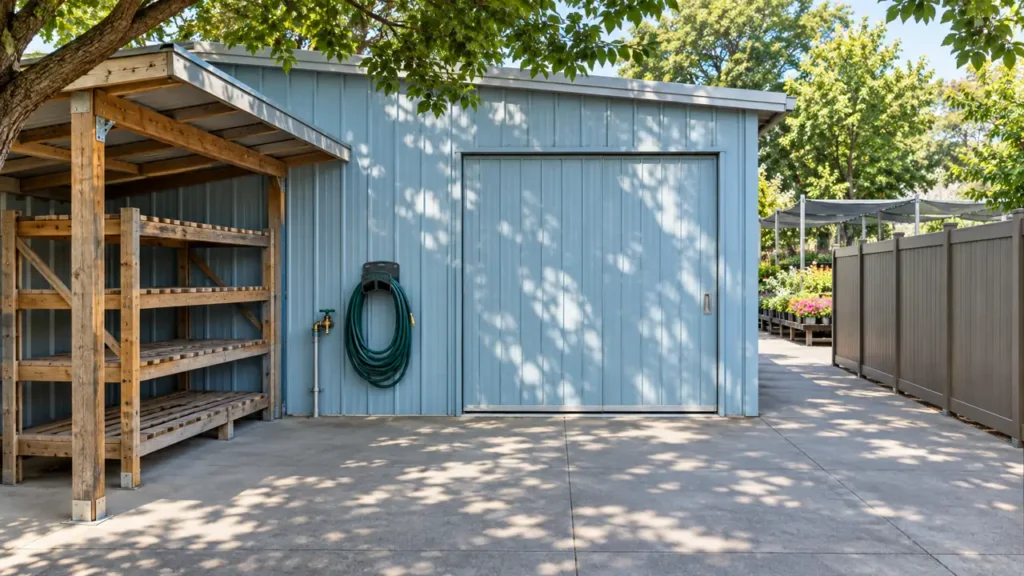
Show nearby drains, low spots, irrigation collection features and any restricted areas in the site photos. An irrigation pond, gravel strip or planted bed is not automatic permission to receive wash water. The owner and appropriate local authority need to resolve applicable requirements and any project-specific arrangements before work proceeds. CoKo’s does not use this page to promise a discharge method, treatment system or environmental approval. Suspected chemical contamination should be disclosed and kept outside ordinary hardscape washing.
Keep the shop exterior distinct from greenhouse operations
A nursery’s retail building may have a suitable opaque wall, entrance surround or service apron that can be reviewed as part of a commercial exterior request. Photograph each material and the nearby stock. Explain whether glazing, shade fabric, translucent panels, vents, electrical controls or irrigation components are close to the proposed work. These details can change the boundary or require a separate specialist review instead of a broader washing promise.
This service page does not offer crop treatment, plant-disease control, propagation-bench sanitation or irrigation-system cleaning. Greenhouse interiors and delicate enclosure systems are not bundled into an exterior hardscape quote. Roof work also requires its own material and access assessment. If your request includes several building surfaces, list them separately so appropriate commercial soft-washing or roof-washing questions can be considered without turning a limited nursery exterior inquiry into an unsupported whole-facility service claim.
Compare proposals using the same marked areas
Send each contractor the same zone map, surface photographs, stock-moving plan and operating restrictions. A useful proposal identifies the included paving or walls, preparation responsibilities, access window, water arrangements and stated exclusions. Ask how a change in stock placement, a material concern or an unexpected residue would affect the work. Comparing those boundaries is more informative than comparing two prices attached to different descriptions of the property.
Request clarification on documentation and closeout expectations before accepting a scope. For example, identify which areas should be photographed and who can review the completed washing area before merchandise returns. Do not treat general photographs as evidence of plant health, sanitation, slip resistance or code compliance. Existing marks, damage and excluded zones should remain distinguishable from the cleaning result. Any continuing maintenance plan should be based on the owner’s priorities and observed condition, with future visits evaluated on their actual requirements.
Start with photos of the areas you can make available
Text the property address, a wide view of the customer yard and close photographs of the surfaces that concern you. Include the nearest plant stock, merchandise, drains and storefront details. A simple note such as entrance only, two marked concrete aisles or receiving apron after the next delivery gives the request a usable starting point. Share opening hours and the name of the person authorized to discuss site preparation.
CoKo’s can review the request and identify which details are still needed for a defined exterior-washing proposal. A photograph does not establish a final price, approve a chemical treatment or guarantee that every requested area is suitable. Keep the inquiry focused on the built exterior surfaces you want assessed. That makes the next conversation about your actual nursery layout, available work zones and practical limitations, with plant care and business operations remaining under the owner’s direction.
Garden-center exterior washing.
Your questions, answered.
A clearer nursery scope.
Plan the available work zones.
Send the address, material details, surface photos and access restrictions for your property.
Send your address. Show us what needs cleaning.
Text your address, a wide photo and a close-up of the buildup. We’ll review the surfaces and discuss your cleaning options.
Text photos for an estimate Start an online quoteCoKo’s Pressure Washing · (504) 296-9696