
Commercial exteriors · Greater New Orleans
Animal shelter exterior washing.
Plan around the animals inside.
Roofs, building exteriors and suitable walking surfaces for your animal shelter. Text property photos, access details and your preferred timing.
Your property. Your priorities. A clearly defined scope.
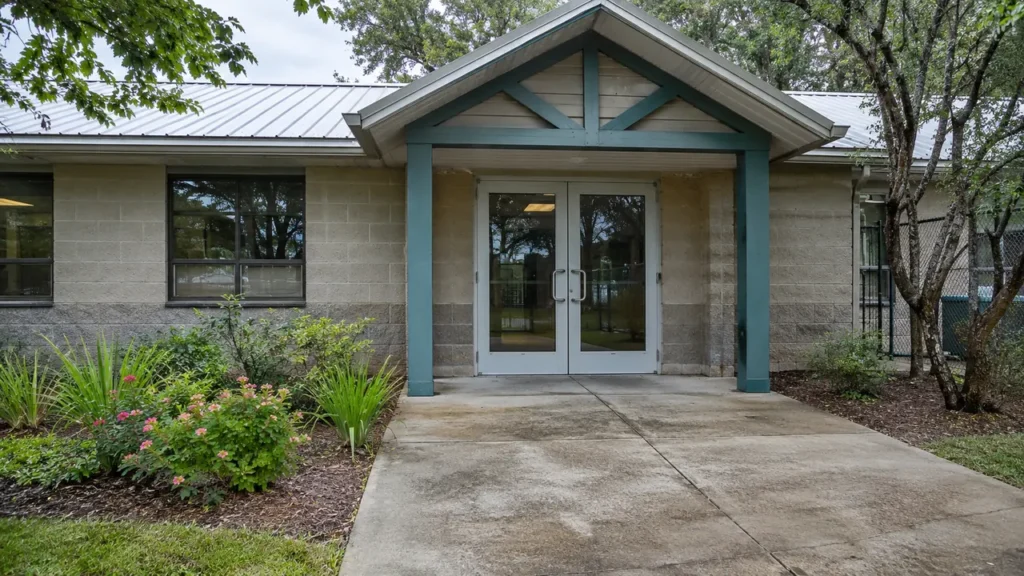
Separate the public entrance from staff and service routes
An animal shelter’s exterior project needs to fit a building that may remain busy inside. Public adoption entrances, staff doors and service access can all have different schedules. CoKo’s can review suitable roofs, outside walls and land-side walking surfaces while the shelter identifies the routes and activities that must remain protected from the working area. Start with exterior photographs and a clear point of contact. The request should describe property washing precisely. It should not imply animal handling, enclosure cleaning, disinfection or any other specialist service simply because the building houses a shelter operation. For animal shelter exterior washing in Greater New Orleans and the Westbank, keep the building-surface request clearly connected to the shelter contact’s access and operating arrangements.
Photograph the public approach from parking to the adoption or reception doors. Include steps, covered areas and the final landing. Explain when visitors normally arrive and whether appointments create a steady flow even outside general opening hours. If another public entrance exists, show its connection to the parking area rather than assuming it can be used during work.
Staff and service routes deserve separate photographs and labels. A side door may be important for employees, deliveries or other shelter activities even when it looks quiet from outside. Identify which route must stay available and who can authorize a temporary change. CoKo’s can then review suitable exterior surfaces with those operating needs in mind. A proposal that distinguishes the entrances is easier to coordinate than one that treats the perimeter as a single uninterrupted work area and leaves the shelter to discover access conflicts on the scheduled day.
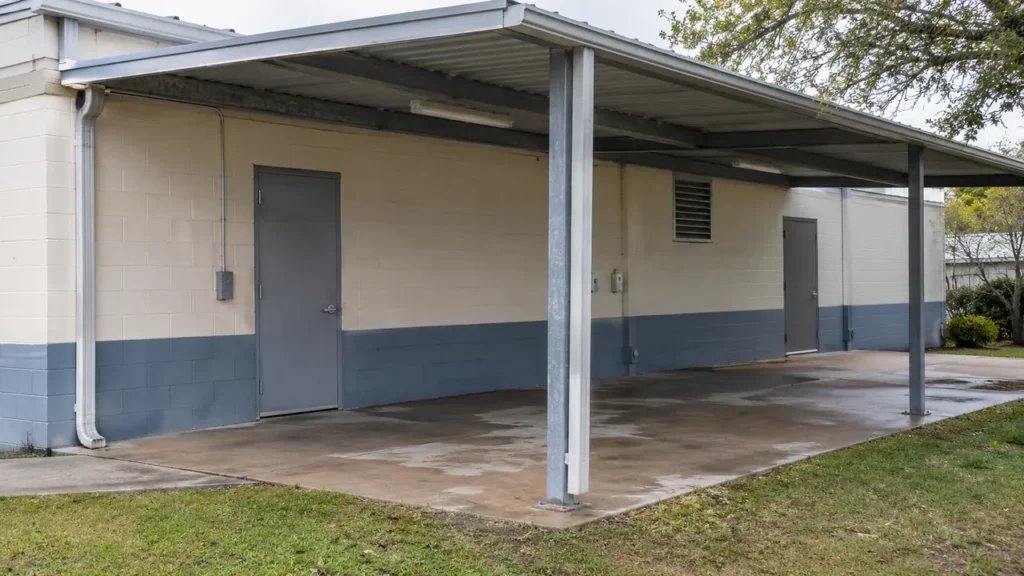
Review the roof and wall request independently
Send ground-level roof views and wide photographs of the requested elevations. Shelter buildings may include a main office, older wings and detached support buildings with different materials. Identify those changes where known. Roof washing should be specifically requested rather than inferred from a general building exterior quote or from the size of the paved approach.
For walls, show the surface finish and any area that needs closer discussion. Point out damaged coatings, open joints, loose fixtures or other existing concerns. Washing does not replace repairs or establish the condition of a roof or wall system. CoKo’s can discuss suitable exterior washing based on the material, condition and access shown. If a particular elevation borders an area that cannot be disturbed, identify that boundary early. The scope should be based on the actual surfaces available for review, not a blanket assumption that every side of the building can be treated alike.
Keep the animal-care boundary explicit
Describe where animal-related activities occur near the proposed work without sending animals into the working area for photographs. A simple exterior view and an explanation from the shelter contact can identify doors, fenced areas and routes that need special coordination. The shelter should determine how its occupants and staff remain separated from the agreed exterior work zone.
This page does not offer washing animals, cleaning occupied runs, disinfecting enclosures or certifying a disease-control result. Those are different responsibilities and should not be implied by the phrase shelter cleaning. CoKo’s is reviewing suitable building exteriors and approaches. If another space needs attention, it requires its own detailed discussion before any service is represented as available. Keeping that boundary explicit protects the accuracy of the proposal and helps the facility make its own operational arrangements with the people responsible for animal care and the use of adjacent areas.
Define entrance paving and perimeter paths clearly
Show the requested walking surfaces from both ends. Include the transition from parking, the entrance landing and any staff path connecting separate parts of the building. Mark the stopping point where a path continues into an area outside the request. Identify whether surfaces are concrete, coated paving, timber or another material so they can be discussed individually.
List benches, planters, signs and other movable items along those routes. Decide who will relocate them before work and where they can remain clear of the next phase. If visitors or staff need an alternative route, identify it as part of the schedule rather than assuming they can step around the crew. The written scope should describe suitable surfaces and working boundaries. It should not promise to repair uneven paving, eliminate every mark or certify a route’s safety, accessibility or suitability for the shelter’s particular daily activities after washing.
Choose timing with the shelter’s actual operating contact
Share the public hours, staff arrival periods and any planned activities that affect exterior access. A building can remain occupied before opening and after closing. Ask the person coordinating operations which entrances can actually be taken out of use and which need to remain available. Include delivery or collection windows that would otherwise conflict with the setup area.
A phased request may be more practical than trying to wash every elevation and approach at once. Establish who can communicate schedule changes and confirm that the agreed area is ready. Avoid treating an early or late hour as automatically suitable before the facility has reviewed its own needs. CoKo’s can discuss the exterior work window with that information, while the shelter remains responsible for arrangements involving its occupants and internal operations. A clear contact and realistic sequence are more useful than an unsupported promise that the project can fit any quiet period.
Have the property photos?
Let’s define the next step.
Send the address, requested surfaces and the contact who can confirm access.
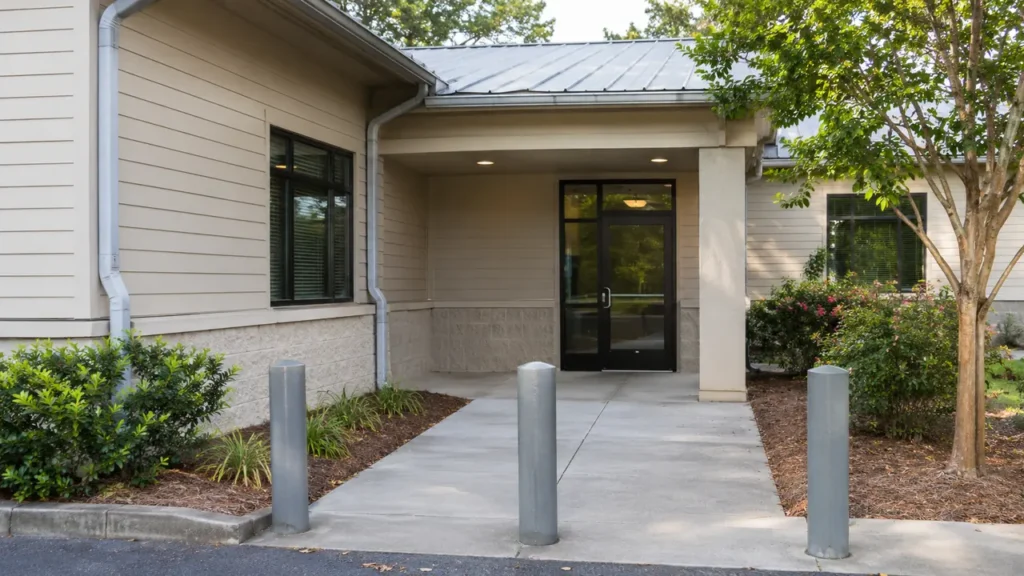
Show access and sensitive exterior features
Photograph the service entrance, intended setup space and route to the requested surfaces. Include gates, narrow passages and places where parked vehicles affect access. Explain who can open a controlled area and whether arrival needs to be coordinated with staff. The property address alone does not show how equipment can reach a side elevation without crossing another active route.
Identify the water connection being offered for review and sensitive exterior equipment or fixtures near the work. Doors, vents and other building features should be visible in the photos so the boundaries can be discussed. Do not assume an unconfirmed connection or a restricted space will be available. The proposal should state relevant access assumptions in terms the shelter contact can verify. CoKo’s can then review a practical exterior washing request without relying on last-minute decisions about where to park, which gate to use or what nearby activity can be interrupted.
Prepare outdoor items without shifting the obstruction
Shelter properties may have outdoor supplies, visitor furniture and temporary signs near the entrances. Agree on which items need moving and who will move them. Placing everything against the next wall may simply obstruct the second phase of the project. Choose a location outside the agreed work and access boundaries, with ownership and handling responsibility understood.
Vehicles, portable equipment and personal belongings should be addressed in the same preparation conversation. Tell CoKo’s about anything that cannot be moved so its effect on the scope can be reviewed before the work window. Exterior washing should not depend on the crew handling animal-care supplies or deciding how the facility uses its storage. A practical preparation list connects each requested area with the steps needed to make it available. This keeps the project focused on suitable property surfaces and helps avoid an arrival-day misunderstanding about what was supposed to be clear.
Ask for a building-focused written scope
Text the address, contact name and labeled exterior photos. Include the public entry, staff routes, requested wall elevations and ground-level roof views if roof washing is being considered. Explain the operating window, nearby activity boundaries and areas that cannot be interrupted. Do not include private adoption or animal-care records; property photos and operating information are the relevant starting point.
Ask the proposal to distinguish roofs, outside walls and suitable paving, with exclusions and preparation responsibilities clearly stated. Separate optional buildings or phases so the shelter can review the schedule without losing track of the surfaces included. You do not need a full facility audit to begin the discussion. CoKo’s can review the current exterior information, identify where a closer look is needed and keep the service description grounded in building and approach washing rather than implying animal-care or sanitation work that has not been offered.
A practical start.
Three useful steps.
Show the surfaces
Send wide photos and close views. Label the buildings and the areas that matter now.
Set the boundaries
Explain materials, access, preparation and the work window your property can support.
Review the scope
Confirm included surfaces, responsibilities and the next step before scheduling.
Animal Shelter Building Exterior Washing.
Your questions, answered.
Your next exterior project.
Start with a clearer scope.
Text your address and the priority exterior photos. For a larger project, send the full property details.
Send your address. Show us what needs cleaning.
Text your address, a wide photo and a close-up of the buildup. We’ll review the surfaces and discuss your cleaning options.
Text photos for an estimate Start an online quoteCoKo’s Pressure Washing · (504) 296-9696