Commercial exteriors · Greater New Orleans
Your apartment property.
A building-by-building plan.
Identify the surfaces, operating needs and access questions before reviewing the washing scope for your property.
Your property. Your priorities. A clearly defined scope.
Turn a property-wide request into a building plan
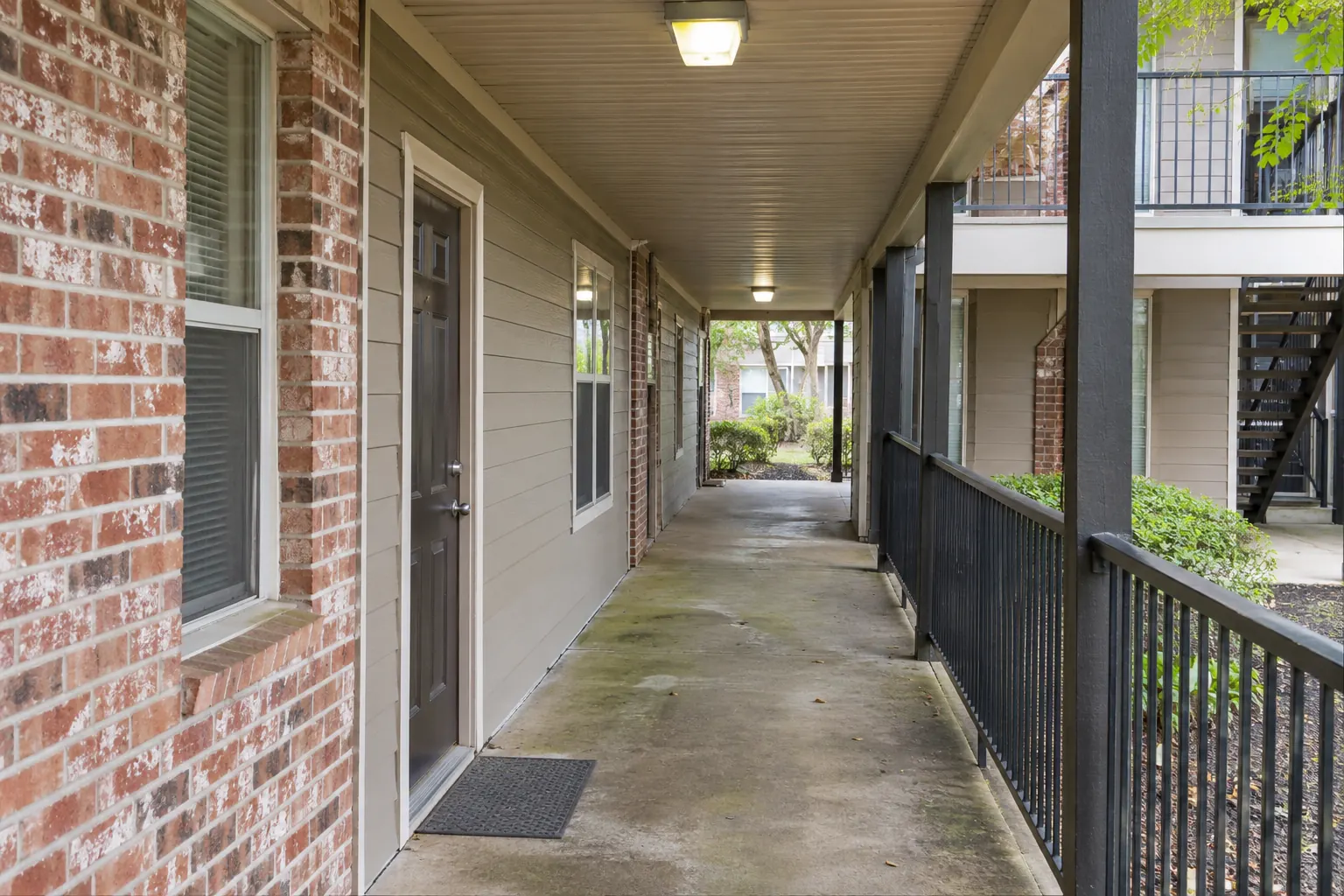
An apartment property should be described as a group of operating buildings, entrances and shared spaces rather than one large square-footage number. Identify each building, its stories, the requested exterior surfaces and the paths connecting it to parking and common facilities. Mark breezeways, stairs, balconies and enclosed or partly covered areas separately. This allows a washing discussion to follow the way residents use the site. It also avoids assuming that every surface visible in a building photograph belongs in the same task.
Choose a management contact who can supply site information and resolve access questions during the work. Identify any separate maintenance lead or person responsible for resident notices. A clear chain of communication matters when a gate is locked, a vehicle remains in a planned area or a resident reports a concern. The contractor should not have to seek approval from several unrelated staff members. Keep the actual approval process with management rather than leaving it to an informal conversation in a breezeway.
Separate shared areas from resident-controlled spaces
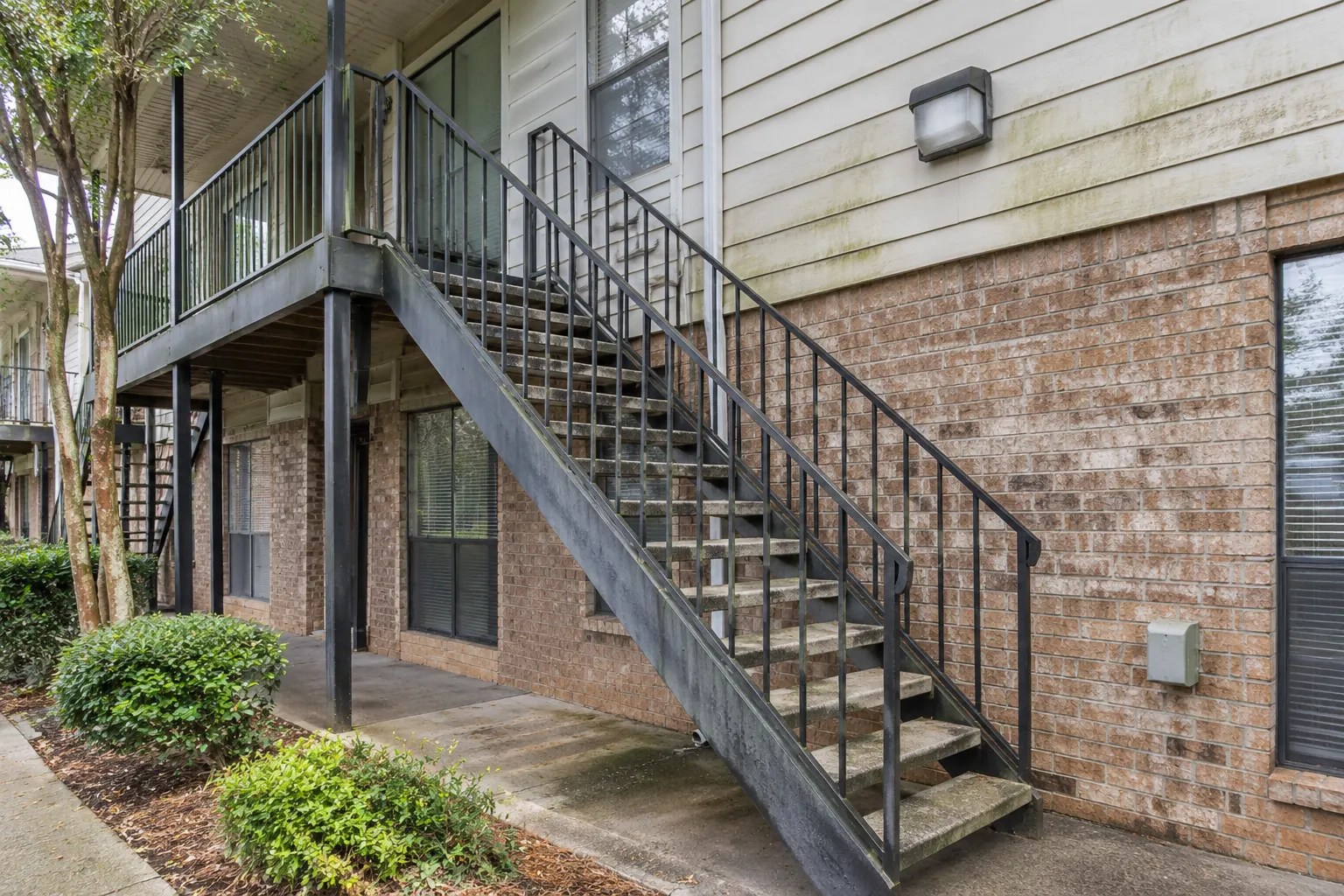
Mark the common areas management intends to include and list any unit-specific areas requiring further review. A balcony visible from outside may contain residents' belongings, sensitive fixtures or surfaces outside the approved scope. Do not assume that a property-wide notice authorizes moving those items or entering a private space. Management should confirm the applicable arrangements and communicate them clearly. This guide supports preparation; it does not interpret leases or decide the legal right to enter an occupied area.
Create a process for residents who ask for work beyond the management scope. A request about a private patio, stored item or interior-facing surface should be referred to the designated contact, not added casually to the crew's task list. Explain what preparation residents are expected to complete and what will happen if an area is not ready. Document exclusions where necessary. A limited phase completed as agreed is more useful than an unclear promise to clean everything around every apartment.
Photograph typical conditions and difficult exceptions
Use a labeled overview for each building or recurring building type, then add closer views of the actual buildup and material transitions. Show stairs, landings, narrow passages, railings and fixtures that influence access. Include a normal area and an unusually affected one so the estimate is not based only on the best or worst view. Ground-level photographs are enough to begin. Residents and staff should not climb onto roofs or lean over balconies to obtain a more dramatic angle.
Record known leaks, loose coatings, damaged trim, worn stair finishes and previous repairs. Supply available product information for materials that require particular care. The proposed method should follow the surface and its condition, not a blanket assumption that every building needs the same pressure or heat. Separate cleaning from repair, coating preparation and specialist contamination work. If the condition or access cannot be understood from the information provided, an on-site review may be needed before a reliable scope can be approved.
Choose a sequence that preserves usable access
Review the route from parking to each occupied building and the options available during washing. A stair or breezeway can be the practical route to several units, so its closure affects more than the area being cleaned. Ask management to identify critical access needs and arrange a suitable plan with the provider. Include residents who may need additional time or a different route. Do not assume that cones alone create an acceptable alternative or that everyone can wait until the work is finished.
Plan phases using building labels residents recognize. A small, well-prepared building group may be easier to manage than several scattered areas with conflicting routes. Coordinate school transport, deliveries, waste collection and other regular activity that management knows about. State who checks that the zone is ready before equipment is positioned. When access or resident preparation has changed, revise the phase rather than allowing staff and the crew to improvise different instructions at opposite ends of the property.
Make resident notices specific and manageable
Tell residents the building group, planned window, required preparation and management contact. Explain any agreed vehicle movement, closed windows, portable-item storage or pet arrangements using plain language. Distinguish actions residents must take from work management will handle. A general message saying pressure washing tomorrow is unlikely to answer questions about a balcony, a parked car or the only route to an apartment. Use a map or building list when it makes the notice easier to understand.
Provide a clear way to learn about a change before residents leave for work or return home. Weather, an access conflict or a surface needing further review can affect the sequence. Management should own the resident update, with the provider supplying the relevant work information. Avoid guaranteeing a precise reopening time without agreement. Keep notices factual and limited to the task; do not promise sanitization, removal of every stain or repairs that are outside the washing scope.
Have the property photos?
Let’s define the next step.
Send the address, requested surfaces and the contact who can confirm access.
Prepare the site around people and equipment
Identify equipment setup points, usable water access and routes that avoid unnecessary crossings through occupied approaches. Show locked gates, low clearances, service areas and restrictions on access or equipment use. Covered spaces may require a different setup review from open exterior paths. Do not assume that a vehicle fitting through an entrance proves all equipment can operate there. Ask the provider to confirm the proposed arrangement against the actual site, including any areas whose suitability remains uncertain.
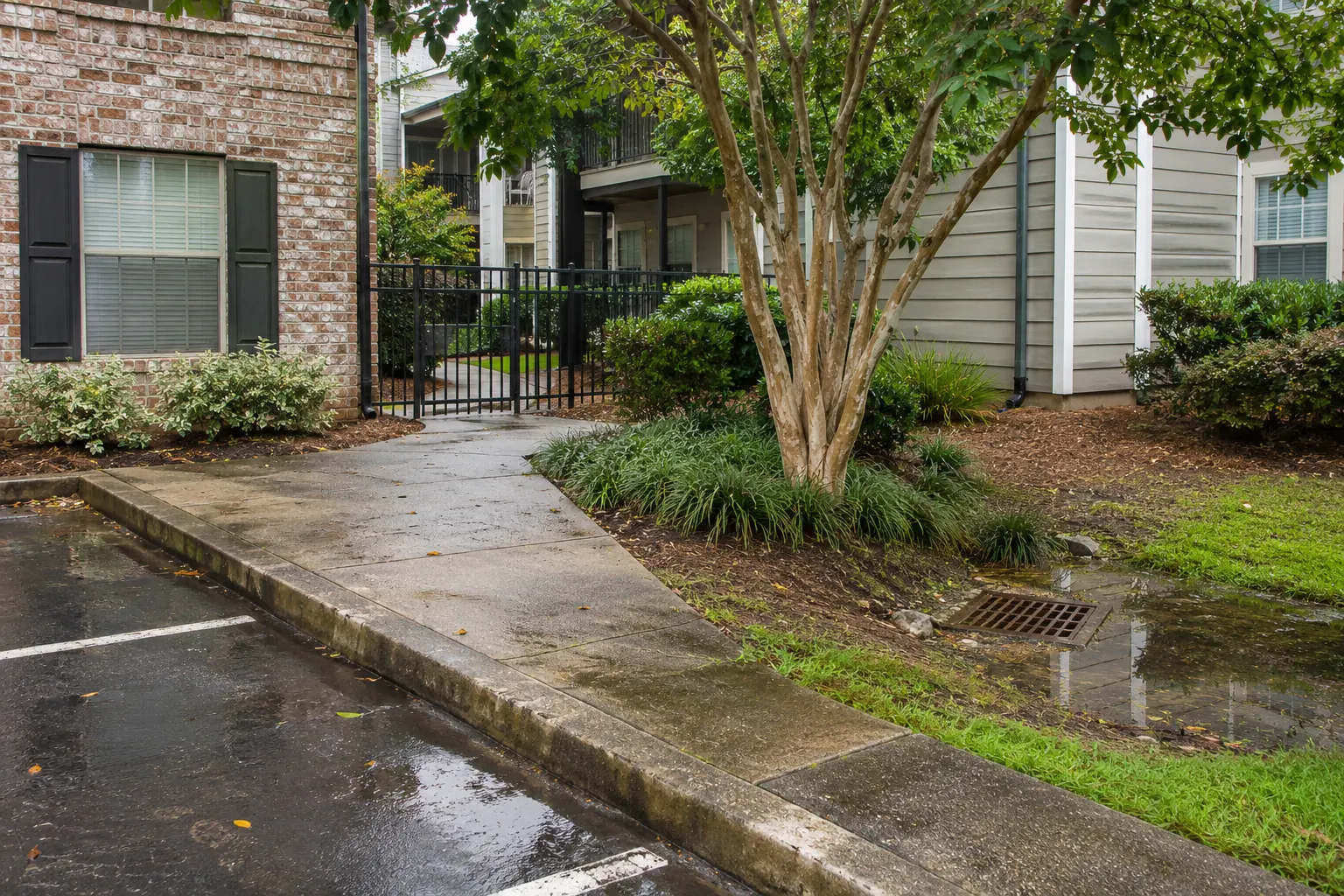
Map drains, low points, planted beds and sensitive adjacent areas during the scope review. Washing can move water and loosened material beyond the surface being treated, so suitable controls must be addressed before work. A drain or landscape edge does not establish permission to use it as a discharge route. Discuss the applicable site requirements and what the provider can manage. If the necessary arrangements remain unresolved, hold that part of the work rather than concealing the uncertainty in a general property-wide quote.
Compare estimates using the same building assumptions
Request quotes for the same building groups, surfaces and preparation responsibilities. Clarify whether walls, stairs, landings, breezeways, paving or balcony exteriors are included rather than relying on the phrase apartment cleaning. Identify access equipment needs and areas that may require a separate visit. State how occupied routes and unprepared areas will be handled. These assumptions can materially change what a proposal covers even when two estimates use the same property name and a similar overall description.
Distinguish the base project from optional or future phases. Management may choose priority entrances first and review other elevations later, but residents and the contractor should understand that decision. A different sequence is not permission to lower care for a surface or make unsupported result promises. Ask what remaining discoloration may represent weathering, coating failure or permanent staining. Keep the marked photographs with the approved scope so later questions are tied to an actual building, material and expected outcome.
Handover by building and improve the next phase
Use a completion record that identifies the building, included zones, exclusions and any follow-up issue. The reviewing manager should be able to understand the record without being present for every hour of work. Compare the original condition photos with similar views after cleaning, allowing for dry appearance where appropriate. If a resident raises a concern, record the unit or location and the material involved. Do not respond automatically by promising more heat, stronger pressure or another treatment without first reviewing the actual issue.
Keep the lessons from the first building group: which notices were understood, where vehicles remained and which access arrangements worked. Use those observations to refine the next phase rather than repeat a confusing process across the property. A maintenance interval should follow observed conditions and management priorities, not a guaranteed timetable without new buildup. For an initial CoKo's discussion, send the property address, building plan and representative photos through the quote route or text 504.296.9696, with the requested washing areas clearly identified.
At a staff shift change, pass on the current phase boundaries and any restriction still in place. Tell the next contact which building has been reviewed, which preparation remains incomplete and whom to call about an unexpected access problem. Keep that note separate from residents' personal information. A simple current record can prevent one staff member from directing a resident into an area another staff member still considers closed. This supports site coordination without implying that washing provides a safety certification for stairs, railings or walking surfaces.
A practical start.
Three useful steps.
Show the surfaces
Send wide photos and close views. Label the buildings and the areas that matter now.
Set the boundaries
Explain materials, access, preparation and the work window your property can support.
Review the scope
Confirm included surfaces, responsibilities and the next step before scheduling.
Apartment Complex Cleaning Planning Guide.
Your questions, answered.
Your next exterior project.
Start with a clearer scope.
Text your address and the priority exterior photos. For a larger project, send the full property details.
Send your address. Show us what needs cleaning.
Text your address, a wide photo and a close-up of the buildup. We’ll review the surfaces and discuss your cleaning options.
Text photos for an estimate Start an online quoteCoKo’s Pressure Washing · (504) 296-9696