Commercial exteriors · Greater New Orleans
Your garage.
One clear phase at a time.
Identify the surfaces, operating needs and access questions before reviewing the washing scope for your property.
Your property. Your priorities. A clearly defined scope.
Describe the structure as usable zones
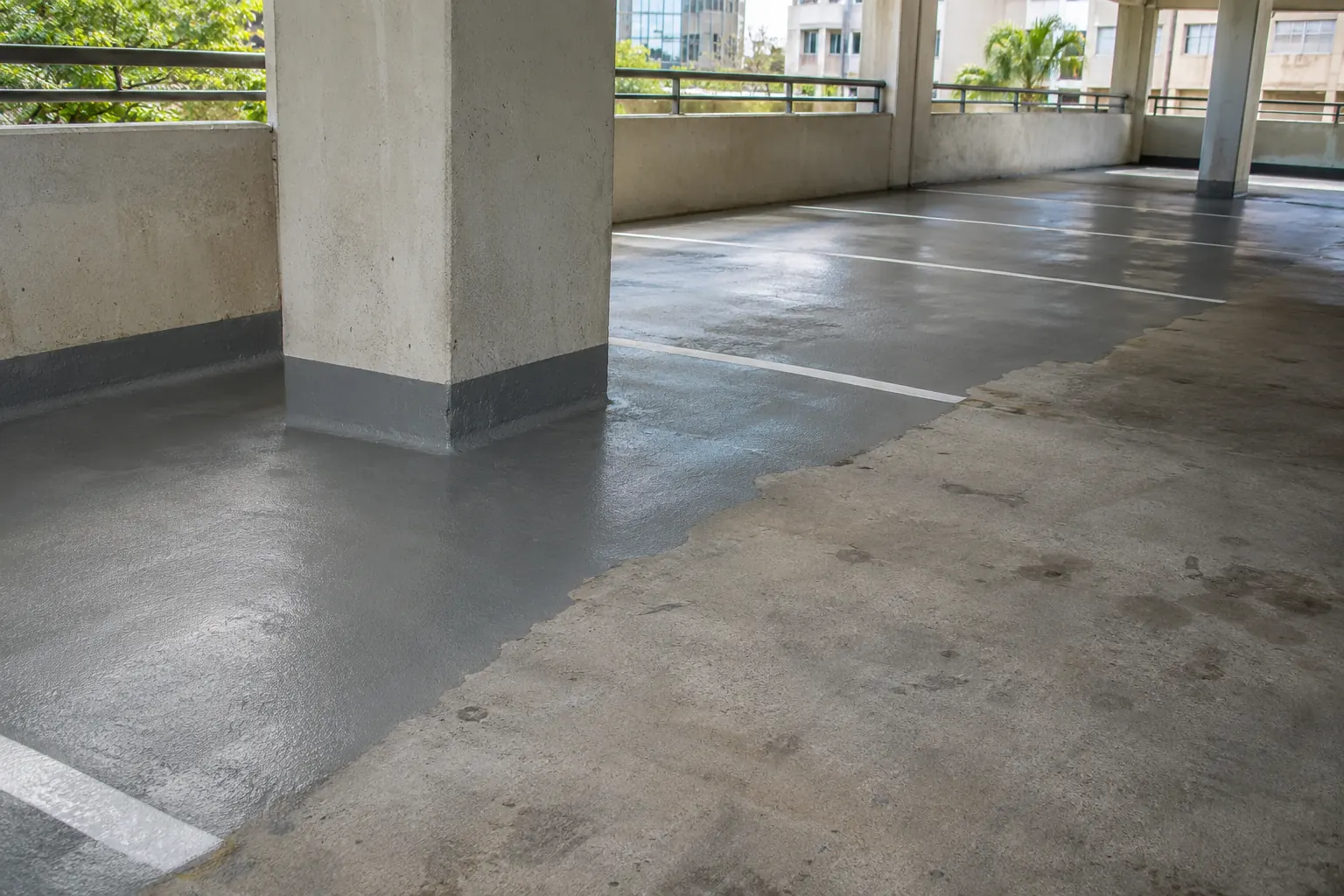
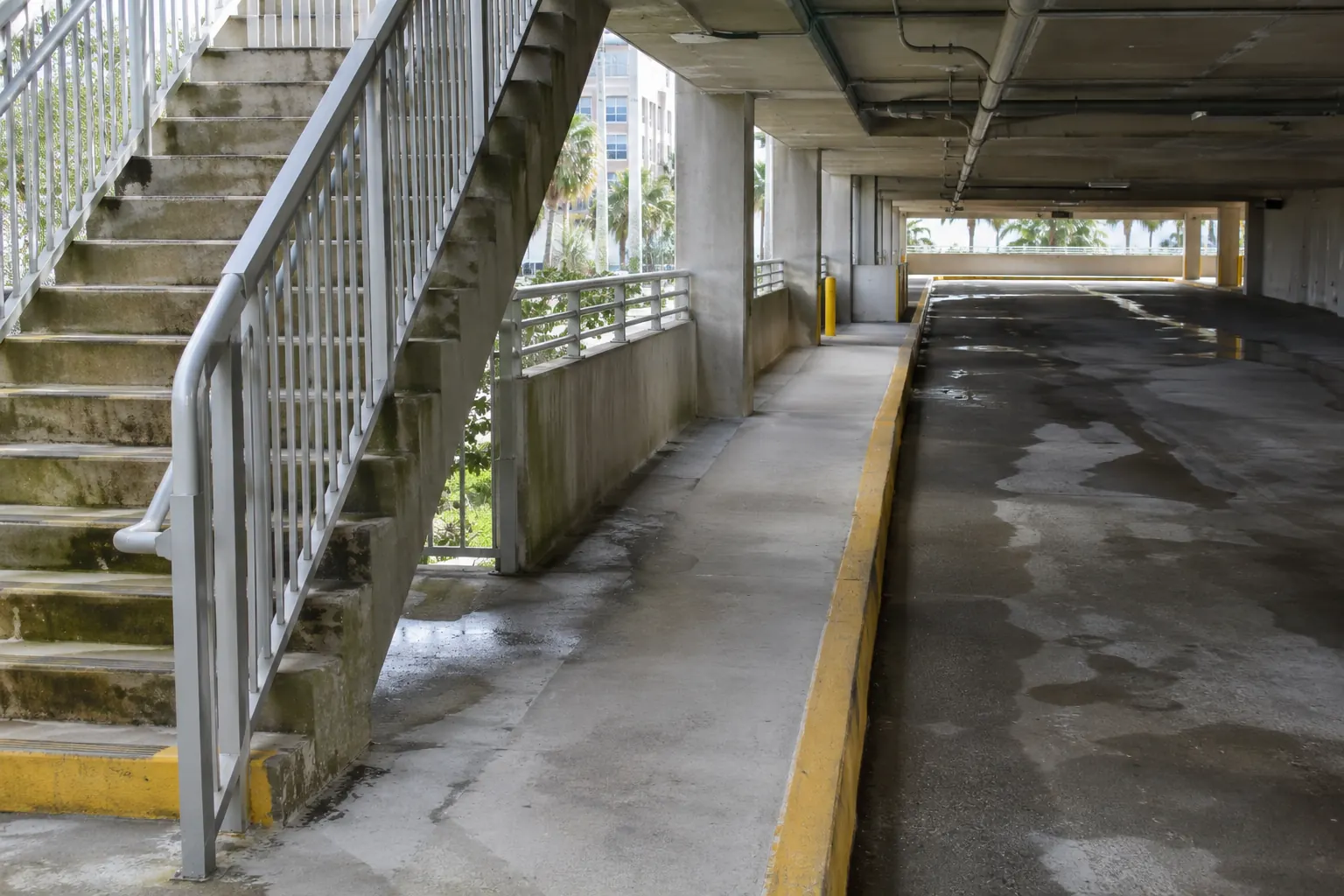
A parking garage is not one uninterrupted concrete floor. Draw a simple level-by-level plan showing stalls, drive aisles, ramps, stairs, pedestrian paths and entrances. Identify the exact zones requested rather than quoting the total building area as if every surface were washable pavement. Include open edges, covered areas and any separate roof deck. This helps an operator distinguish a manageable washing phase from a closure that would remove too many spaces or interrupt the only route between occupied levels.
Explain how the garage is used on the proposed work days. An office structure, residential garage and public visitor facility can have very different overnight activity. Tell CoKo's which spaces are assigned, which are reserved and which vehicles may remain unexpectedly. State the known headroom and access limitations, with verification needed where equipment clearance is uncertain. Do not infer usable access from a vehicle-height sign alone; the equipment route may include tighter turns or restricted service areas.
Record surfaces and defects before discussing force
Identify exposed concrete separately from traffic coatings, membranes, painted markings, sealants and repaired areas. Obtain product information from maintenance records when available, especially where a deck has received a recent coating or waterproofing treatment. A structure can contain several generations of repairs and finishes on one level. Label those changes on the plan. Cleaning method selection should account for the actual system and its condition instead of treating every gray surface as the same uncoated concrete.
Photograph cracking, spalling, exposed reinforcement, loose coatings and known leakage from a safe location. Report them as existing observations, not a diagnosis of structural safety. Washing is not concrete repair, an engineering inspection or proof that a waterproofing system remains sound. If the operator needs those decisions, resolve them with the appropriate provider before washing the affected area. A clearer record helps prevent a cleaning request from being mistaken for approval to work across a visibly deteriorated surface.
Sort deposits without promising complete removal
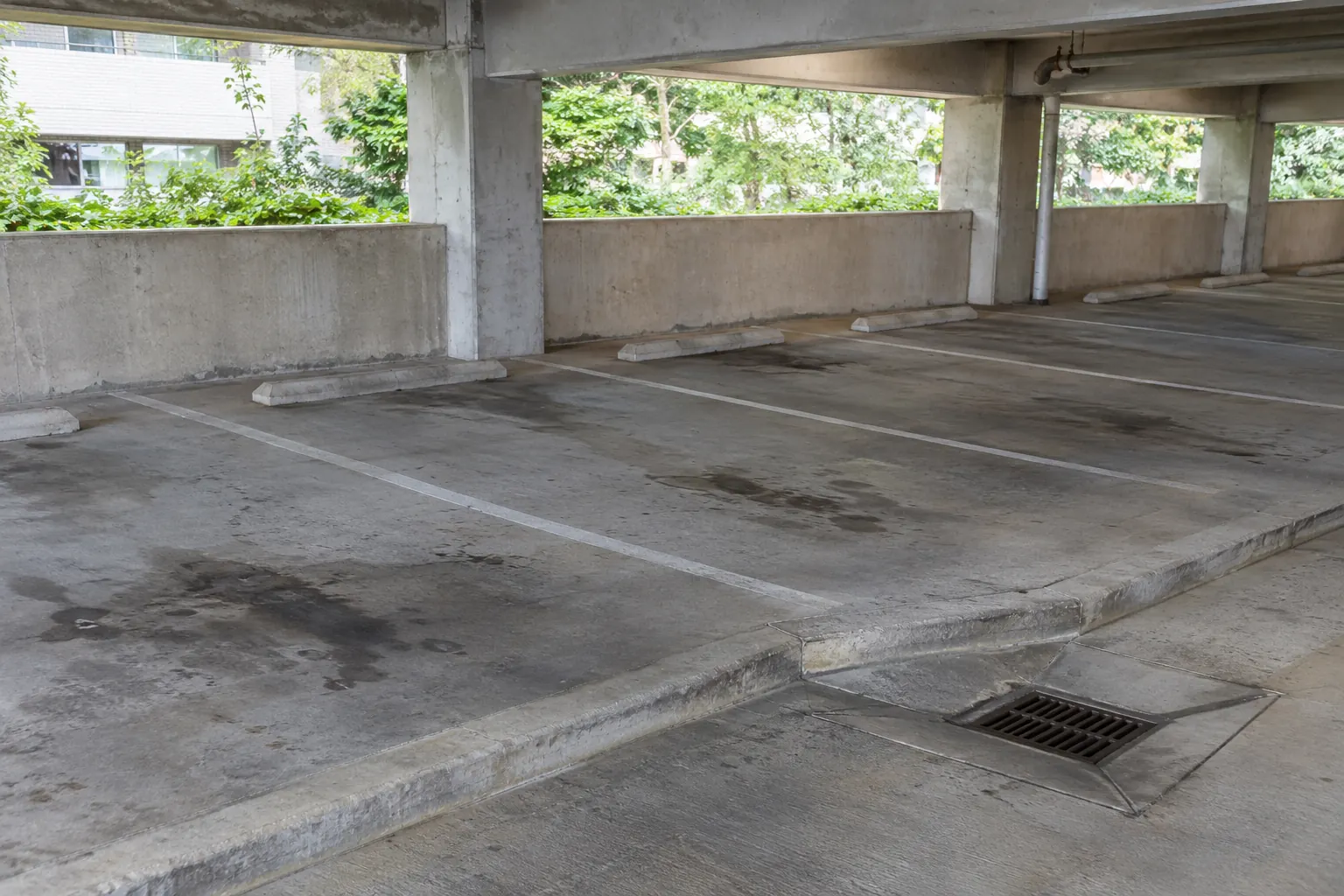
Map concentrated oil spots, tracked dirt, tire marks and isolated heavy deposits separately from the overall floor. Include a typical stall and a drive aisle in the photo set so the estimator sees the ordinary condition as well as the worst area. Describe known spills or unusual materials without attempting to identify an unknown substance by appearance. Specialist contamination, fuel incidents and hazardous-material concerns require separate review; this guide does not establish that ordinary washing is an appropriate response.
Discuss an appearance objective for each zone. Some discoloration can remain below the surface or within a weathered coating after loose material is removed. A black mark may need a different assessment from organic buildup near an open edge. Stronger pressure or added heat should not be selected merely because a photograph looks severe. Ask which deposits are included in the proposed cleaning scope and which results remain uncertain, then keep those distinctions with the estimate and reference photographs.
Make vehicle relocation an operating plan
Assign responsibility for notices, towing-policy questions, visitor instructions and the final clearance check. The cleaning crew should not have to decide who owns an abandoned-looking vehicle or whether an assigned stall can be entered. Set the phase boundary around a practical group of spaces and identify where displaced users may park. Account for residents who work nights or vehicles awaiting collection. A well-defined relocation plan prevents one remaining car from turning an agreed work zone into an unsafe improvised route.
Use the same level and zone names in notices, cones, work orders and the marked plan. A message saying upper garage can mean different things at a structure with split levels. Give users a contact for access questions and a way to learn about a change before they arrive. Confirm how the operator will verify clearance on the day. Do not assume that issuing a notice proves the affected stalls are empty or that visitors have read it.
Keep people and traffic out of conflicting paths
Identify the pedestrian route people actually follow from parked vehicles to lifts, stairs and the building entrance. It may differ from the painted route, particularly where an entrance has changed. Ask how the proposed phase affects that path and whether a usable alternative exists. Include accessibility needs in the operating discussion without presenting the washing contractor as an accessibility consultant. The site representative should confirm required arrangements and approve a phase that can be controlled in practice.
Discuss ramps and circulation before agreeing to a closure. Washing one ramp can affect access to several otherwise open levels. Name who can authorize temporary changes, position site signs and respond when a driver enters the wrong zone. Coordinate delivery vehicles, security and maintenance contractors as well as daily parkers. Work zones, hose routes and wet surfaces need clear boundaries. If a safe circulation arrangement has not been established, adjust the proposed phase rather than relying on drivers to improvise.
Have the property photos?
Let’s define the next step.
Send the address, requested surfaces and the contact who can confirm access.
Resolve equipment and washwater constraints
Provide verified information about headroom, turning space, load restrictions supplied by the operator and any limitations on equipment use. Covered and enclosed areas need a site-specific equipment plan; an open roof deck does not establish that the same setup is suitable below. Do not treat this guide as ventilation or engineering approval. Ask the provider to review the intended equipment against the actual location, and resolve uncertainty before the date or price is treated as final.
Show drains, collection points, expansion joints, open edges and known leaks to levels below. The plan must address loosened debris and washwater within the agreed scope, including possible movement toward occupied areas or parked vehicles. A floor drain is not automatic discharge permission. The operator and provider should establish suitable controls and the applicable site requirements before work. Where those arrangements are unresolved, hold that phase for review rather than assuming water can simply follow the garage's normal drainage path.
Compare a complete phase rather than a headline price
Ask estimates to use the same level boundaries, included surfaces and operating assumptions. Clarify whether stalls, aisles, ramps, walls or stair approaches are included, since a garage cleaning label can conceal very different quantities. Name who moves portable items and who provides access to water or locked service points. Confirm the plan for vehicles left in a scheduled zone. These details often affect the practical scope more than a broad description such as pressure wash all floors.
Separate washing from line repainting, coating application, joint repairs and remedial concrete work. If another contractor will follow, obtain that contractor's requirements and agree on sequencing without assuming that ordinary cleaning satisfies a preparation specification. Keep uncertain deposits or restricted areas visible as exclusions or review items. A written estimate should make later decisions easier. It should not leave the operator choosing between unplanned extra work and an area that cannot be completed under the original access assumptions.
Review and reopen each agreed zone
Choose a handover contact for each phase. Review the named zones after equipment and temporary materials are removed, checking any remaining concerns against the original condition photographs. Reopening should follow the agreed site process rather than a promise based solely on the clock. Record which areas were excluded because of vehicles, defects or unresolved access. An incomplete-zone note is useful operational information and should not disappear into a general statement that the garage has been cleaned.
Use the completed phase to improve the next one. Keep notes on actual clearance, delivery conflicts and recurring deposit locations, without treating one visit as a universal maintenance interval. Open edges, ramps and sheltered stalls can develop different conditions. Send CoKo's the property address, marked level plan and representative ground-level photographs for an initial garage-washing discussion in Greater New Orleans. The estimate should follow the structure's real surfaces and operating constraints, not assume an unrestricted empty building.
For garages with several management contacts, make the handover record easy to share between shifts. Identify the level, phase boundary, remaining restriction and next action in plain language. Keep photographs tied to the same zone labels rather than a long unlabeled camera roll. The person reopening a lane should be able to understand the current arrangement without having attended the estimate visit. This practical record supports continuity; it is not a structural assessment or a certificate that every garage condition has been resolved.
A practical start.
Three useful steps.
Show the surfaces
Send wide photos and close views. Label the buildings and the areas that matter now.
Set the boundaries
Explain materials, access, preparation and the work window your property can support.
Review the scope
Confirm included surfaces, responsibilities and the next step before scheduling.
Parking Garage Cleaning Guide.
Your questions, answered.
Your next exterior project.
Start with a clearer scope.
Text your address and the priority exterior photos. For a larger project, send the full property details.
Send your address. Show us what needs cleaning.
Text your address, a wide photo and a close-up of the buildup. We’ll review the surfaces and discuss your cleaning options.
Text photos for an estimate Start an online quoteCoKo’s Pressure Washing · (504) 296-9696