Practical answer
A metal panel’s finish and maintenance purpose matter alongside the metal itself. MBCI’s guidance distinguishes regular care of finished panels from field painting or major finish repair. Instructions intended to prepare a coating for repainting should not be treated as a general cleaning recipe when the existing finish is meant to remain.
Identify the panel manufacturer, finish and any later field coating when those records are available. Name the wall elevations included in the request and distinguish them from a metal roof, doors, translucent panels and other building components. Send overview photos and details of chalking, marks, corrosion concerns or previous repairs without assuming that ordinary washing will correct them. Ask how the finish instructions, access and proposed result will be reviewed. A metal-building wash is not automatically a roof-service, repainting or corrosion-repair agreement, and a wider-fan or lower-pressure description alone does not guarantee a damage-free result.
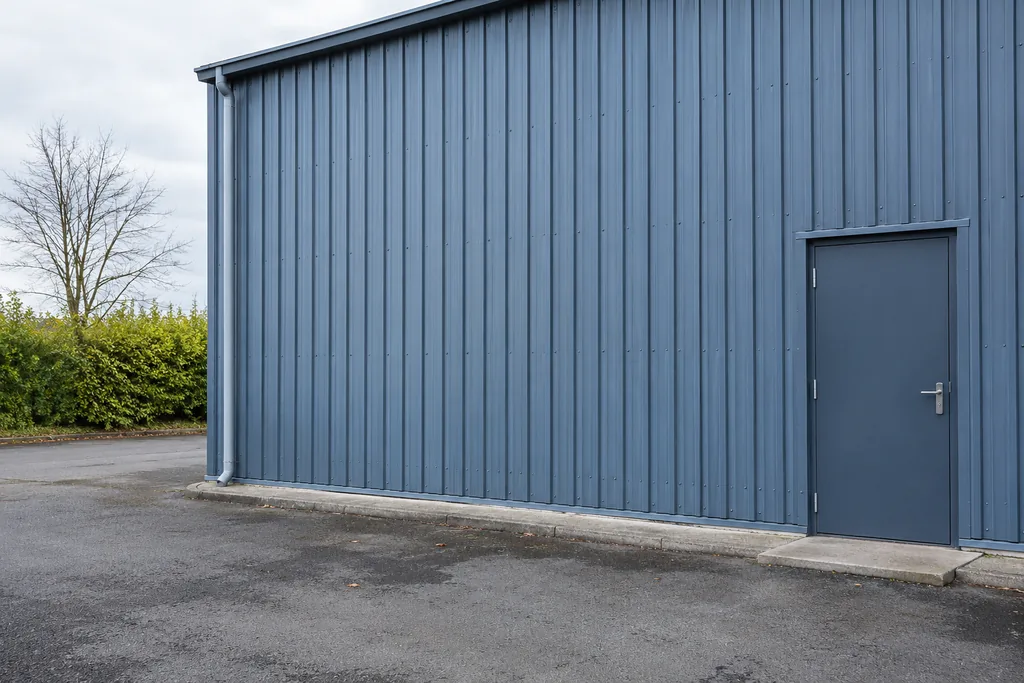
Confirm what is on the building
An estimate for a metal building should identify the requested components before discussing a cleaning method. Wall panels, roof panels, doors, exposed framing and painted trim are separate parts of the request. A broad photograph of the building does not mean that every metal surface is included. Start with the manufacturer's information if it is available and say when the panel or finish is unknown. Keep records for additions separate from records for the original structure.
MBCI's care guidance distinguishes regular finish maintenance from repair and field painting. That distinction matters when you describe the result you want. A maintenance wash is not automatically preparation for repainting, correction of corrosion or restoration of an aged finish. Ask which product guidance applies to your panels and what information is still needed. Do not transfer instructions from a wall to an unidentified roof simply because both surfaces are metal.
Record the finish rather than guessing from color
Collect accessible panel labels, construction records and previous coating information. A familiar color does not identify the paint system, and a glossy appearance does not establish the age of a finish. If one building side was repainted after a repair, identify that elevation and provide whatever records you have. The cleaning conversation should preserve the difference between a confirmed factory finish, a later field coating and a surface whose treatment is unknown.
Use overview photos to connect finish changes with recognizable sections of the building. A replacement panel beside older panels may be relevant to your appearance expectations even when you do not want either area repaired. Do not assume washing will make separate batches or coatings match. Ask the provider to record the intended maintenance objective and discuss any concern that appears to involve coating performance with the appropriate responsible professional.
If the records name several products, attach each to the corresponding building section rather than sending one unexplained document bundle. A clear note can say that the office addition has confirmed panel information while the original storage building does not. That distinction helps the reviewer ask the right follow-up question and avoids assigning an identified finish to a surface it was never meant to describe.
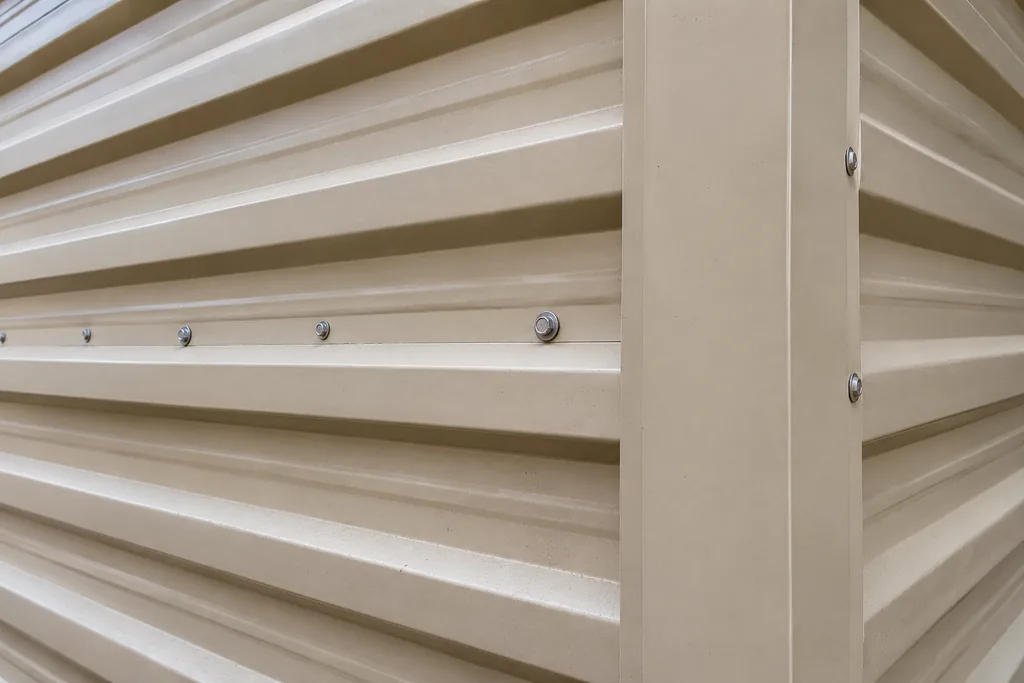
Describe deposits and damage as different concerns
Explain whether your request concerns ordinary dirt, a localized mark, a broad appearance change or something else. Include a detail and a wider view for each distinct issue. A rust-colored streak is an observation rather than a confirmed explanation of what is happening beneath the finish. An online estimate should not turn a photograph into a corrosion assessment or a guarantee that the mark can be removed.
Identify scratches, dents, loose pieces and known leaks separately from the cleaning objective. A proposed wash should not imply replacement of fasteners, panel repairs or correction of a water-entry problem. If repair has been recommended, explain whether it is pending or complete. Ask whether the cleaning proposal depends on that work and which areas remain excluded until the responsible person has reviewed them. Keep the decision connected to a clearly labeled location.
Divide large elevations into reviewable areas
For a warehouse or workshop, use names that the site team recognizes: office frontage, loading elevation, service yard or rear storage side. Add a simple orientation note if the building has several similar walls. Identify attached canopies and sheltered recesses when you want them considered, and state when a surface is excluded. This creates a defined request without assuming that visible building size equals the amount of work being proposed.
Separate lower accessible panels from high sections that still require an access discussion. If there are several buildings, give each a consistent label and keep its photographs together. A provider can then ask a focused question about one section rather than estimating from an undifferentiated collection of images. The record also helps the owner compare options or phase a request without accidentally changing the included surfaces between versions of an estimate.
Account for doors, equipment and occupied work areas
Show vehicle doors, pedestrian entries, vents and equipment near the requested panels. Explain which routes are routinely used for deliveries or staff access. A wall-cleaning proposal should identify the practical boundaries around those activities without suggesting that the provider can disconnect machinery or interrupt site operations on its own authority. The building's authorized contact should resolve operational permissions before a work date is treated as confirmed.
Ask who handles moving stored items and what preparation is included. Pallets, parked vehicles and materials leaning against panels can affect the proposed work area, but their presence does not make handling them part of washing. For a multi-tenant property, establish who may authorize access to shared elevations. Keep any restrictions in the scope so that a request from one occupant does not become an unsupported assumption about the entire facility.
Describe the surface. Clarify the request.
Review surrounding materials and water-management questions
Metal-panel elevations may meet masonry bases, glass storefronts, painted signs or landscape areas. Identify those transitions in your photos and ask how they affect the proposed scope. Include visible drainage features as site information, not as an instruction to discharge wash water there. A roof edge or downspout in a picture is not evidence that an outlet is suitable for a particular cleaning operation.
If the property has site-specific environmental requirements, identify the responsible contact and provide the relevant instructions you are authorized to share. Do not ask a washing estimate to substitute for a discharge determination or an engineering review. The useful outcome is a proposal that identifies the work area and any unresolved condition. A generic promise about outdoor washing cannot establish permissions for every industrial yard or drainage arrangement.
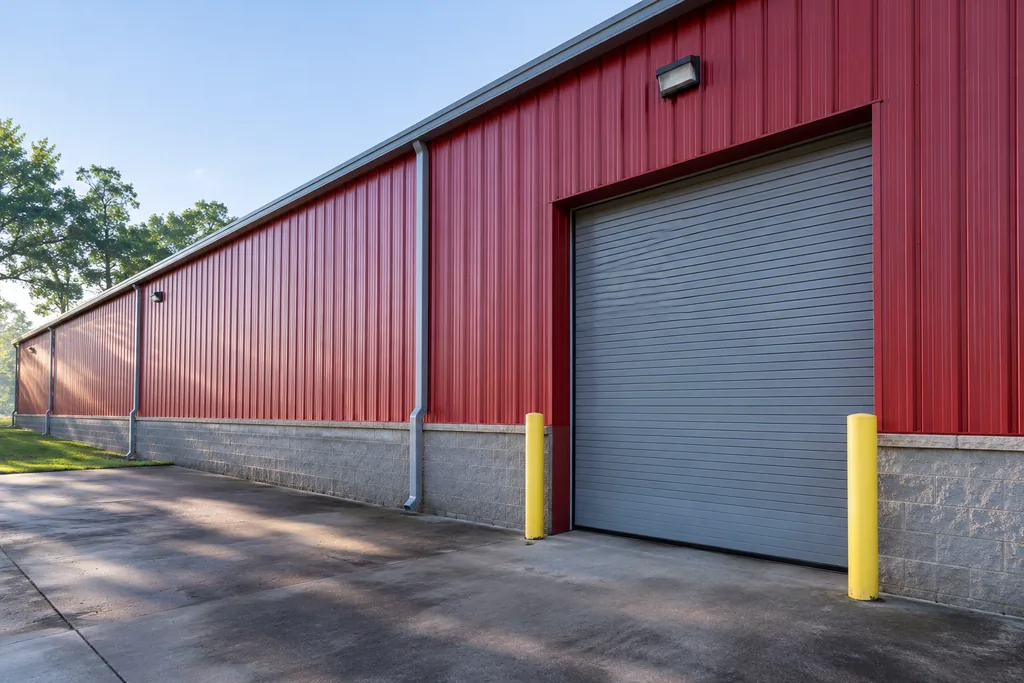
Evaluate the proposal without turning it into a warranty
Compare the same panel areas and included components when reviewing offers. Check whether the roof, canopies, doors and isolated marks are included or listed separately. If one proposal is for routine maintenance and another is for paint preparation, their totals do not describe the same work. Ask for optional work to be separated so that the core scope remains clear.
A reference to manufacturer care information does not make the washing provider a manufacturer representative or create new finish coverage. Keep actual warranty documents with the panel records and direct coverage questions to the responsible party. Ask the provider to explain compatibility assumptions and limitations before approval. That is a more useful conversation than relying on an unrestricted claim that a service label will preserve every coating or produce a uniform result.
Maintain an elevation record through the final discussion
Use the same building and elevation names when reviewing completion. Compare the included areas with the agreed maintenance objective and retain any exclusions or preexisting-condition notes. If a visible issue remains, discuss it in context rather than assuming that every difference is removable dirt. A cleaned panel surface does not establish that a leak, coating defect or concealed condition has been corrected.
For a CoKo's quote request, send the address, requested building sections and ordinary ground-level overviews. Add panel and finish records when available, explain occupied routes, and identify concerns that may need separate review. Leave roof work, repairs and repainting as distinct scope decisions. This provides a practical starting point for washing discussions while keeping unverified access methods, specialist treatments and result guarantees out of the request.
Questions about this material
1. Identify the surface
Use existing product and finish records.
2. Show the condition
Connect accessible close-ups with an overview.
3. Agree the limits
Resolve scope and responsibilities before work.
Start with your property information
Send your address. Show us what needs cleaning.
Text your address, a wide photo and a close-up of the buildup. We’ll review the surfaces and discuss your cleaning options.
Text photos for an estimate Start an online quoteCoKo’s Pressure Washing · (504) 296-9696