Commercial exteriors · Greater New Orleans
Your washing documents.
A project-specific review.
Identify the surfaces, operating needs and access questions before reviewing the washing scope for your property.
Your property. Your priorities. A clearly defined scope.
Keep the cleaning decision and document review connected
Review insurance documents for the actual proposed exterior-washing work rather than relying on the word insured alone. Ask for a current certificate of insurance and compare the identified business, policy dates and stated limits with the project documents. A certificate is evidence of insurance, not the policy itself, and it does not expand the policy's coverage. Whether a particular loss is covered depends on the applicable policy, endorsements, exclusions and circumstances; payment or responsibility cannot be determined from a website paragraph. Direct project-specific coverage questions to the insurer and the appropriate insurance professional.
Insurance documentation is one part of selecting and organizing an exterior washing project. It should be considered alongside the actual business identity, the proposed work and the condition of the property. Start by describing the surfaces and activities being requested so the document discussion relates to a recognizable job. A general statement that a company is insured does not answer every question a property manager or owner may have. Keep the practical scope and the document record together without treating either as a substitute for the other.
Explain who will review the information for your project and what that person needs to receive. A homeowner, a property management office and an agency purchasing team may each have different document-handling arrangements. Record those arrangements before the proposed appointment rather than assuming that an informal conversation has completed the review. The washing estimate can identify the requested surfaces while the responsible reviewer handles the document questions. This keeps the process understandable without asking an exterior-cleaning article to determine coverage or resolve a particular person's contractual requirements.

Identify the business and the work actually proposed
Use the same business and project references throughout the conversation. Keep the property address, the name used on the estimate and the requested exterior areas visible in the record. If a document uses a different business name or other detail that is unclear, flag it for the appropriate reviewer rather than quietly assuming the difference is irrelevant. Clear identification helps the people involved know which proposed job and which document set they are discussing. It also reduces the chance that an old attachment from another property will be mistaken for the current project record.
Describe changes to the proposed work when they occur. A request limited to entrance paving is different from a later conversation that adds several building elevations or another property. Keep the revised scope identifiable, including any areas that are still being discussed. The document reviewer should not have to infer a change from a new photograph or a text sent to someone else. An orderly record makes it possible to return the right questions to the right people without suggesting that an earlier review automatically settles every issue arising from an expanded job.
Compare the current evidence with the project record
Ask for current insurance evidence rather than relying on a sample image or an undated statement. Compare the identified business, policy dates and stated limits with the project documents, and record any discrepancy for review. Keep the document with the estimate or project reference so it can be located later. These are useful administrative checks; they are not a determination that a particular event would be covered or that every requirement in another contract has been satisfied. Specific coverage questions need the applicable documents and an appropriate professional review.
Do not alter a supplied document to make its appearance fit your filing system or expectations. Preserve the original information and keep any project notes separate. If a date, name or other detail is unclear, write down the question and route it through the responsible review process. A note saying that a question remains open is more useful than silently treating an assumption as confirmed. This approach also helps when several people share the record, because a later reader can distinguish the supplied evidence from an owner's or manager's own administrative observations.
Understand what a certificate can and cannot establish
Louisiana's certificates-of-insurance law distinguishes a certificate from the underlying policy. A certificate provides evidence of insurance and does not expand the policy's coverage or create additional policy rights simply by listing a holder. Keep that distinction in mind when reviewing project paperwork. A statement printed on a certificate cannot be used as a shortcut for assuming that every possible washing-related loss will be paid. The applicable policy terms, endorsements and circumstances remain important when an actual coverage question arises.
The National Association of Insurance Commissioners explains that endorsements can change an insurance policy, including adding or excluding coverage. For a property owner, the practical lesson is to avoid treating a brief certificate summary as the entire insurance agreement. Refer questions about a particular situation to the insurer and the appropriate insurance professional. Keep a record of the project question being discussed without asking this guide to decide liability or interpret an individual policy. This page also does not verify CoKo's current insurance status, policy limits, licensing or eligibility for a particular contract.
Route unresolved questions before organizing the appointment
Make a short list of the questions that still require an answer and identify who is handling them. Some may concern the estimate or the practical washing areas, while others concern the documents being reviewed for the project. Keeping those topics separate helps avoid sending a coverage question to a person who is only arranging site access. It also prevents a routine scheduling message from being read as confirmation that every document issue has been resolved. Let the responsible reviewer decide what information is needed for the actual circumstances.
Use clear status descriptions in the project record. Received, sent for review and confirmed by the responsible party mean different things. A file attached to an email is not the same as a completed review, and a requested appointment is not the same as authorization to proceed. Record the next action without inventing an assurance that no one has provided. This is particularly useful for managed properties with several contacts, where the person coordinating the visit may not be the person responsible for document acceptance or contractual decisions.
Have the property photos?
Let’s define the next step.
Send the address, requested surfaces and the contact who can confirm access.

Keep existing-condition photographs factual
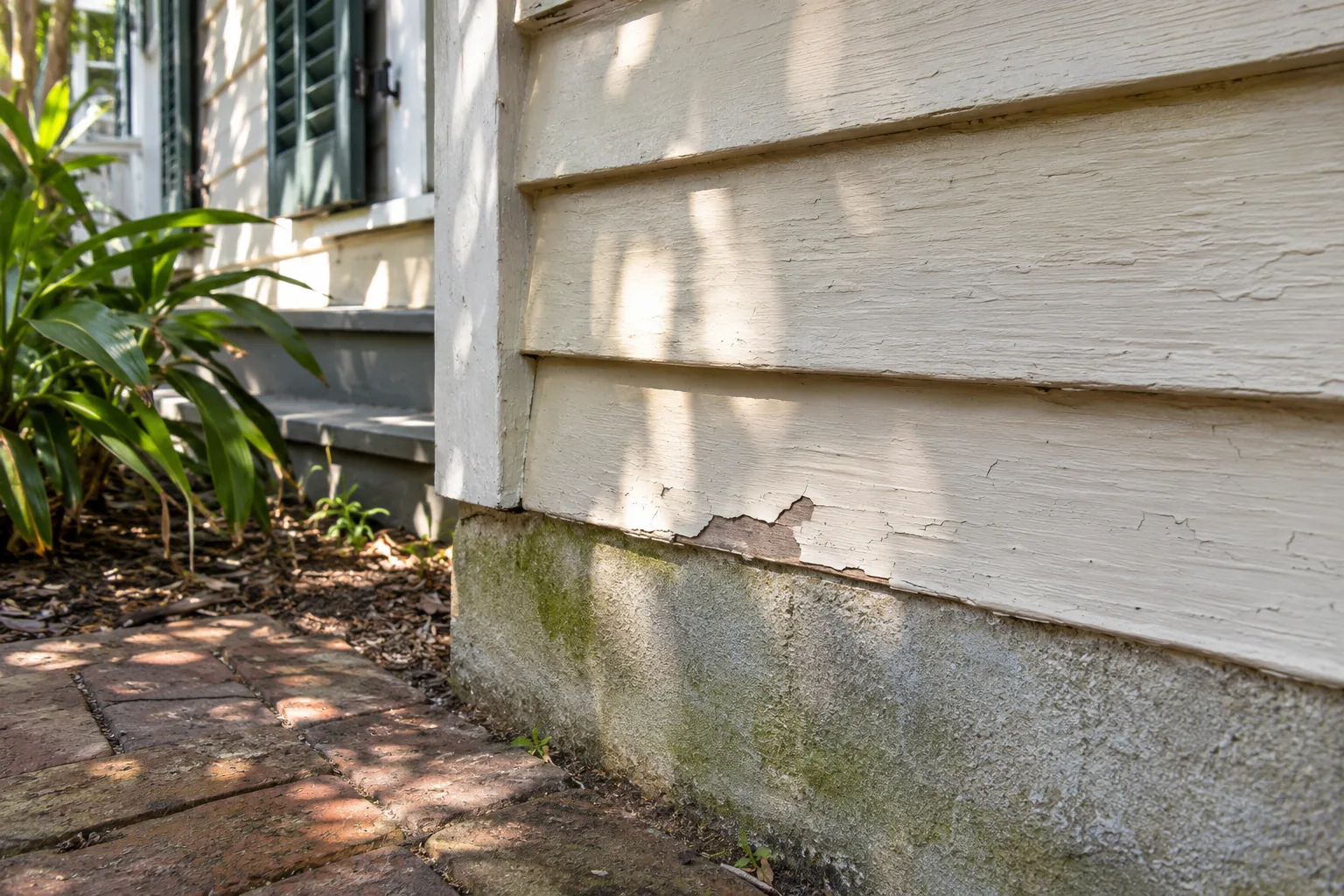
Photographs can help describe the washing request and visible existing condition. Show the requested area as a whole, then include closer views of deterioration, staining or other concerns that need discussion. Use safe viewpoints and explain where each image was taken. These records can support a clearer project conversation, but they do not decide the cause of a defect, establish responsibility for a loss or prove that a future claim will be covered. Keep those distinctions visible when images are circulated among the people involved in the job.
If you add notes to the photographs, describe what is visible rather than assigning a diagnosis or a conclusion about coverage. For example, identify the location of a coating change or a damaged-looking edge and ask how it affects the proposed washing scope. Keep the original image and the explanatory note together. Where the condition needs another professional's assessment, record that dependency instead of treating the cleaning estimate as the assessment. Factual condition records help separate the work being requested from assumptions about what another document or professional review will establish.
Revisit the record when dates or scope change
A project may change between the first estimate and the proposed washing visit. Note revised areas, a different property, delayed work or changes to the business information used in the conversation. Return those changes to the responsible people rather than assuming that a previously reviewed document set remains sufficient for every revised arrangement. The purpose is to keep the administrative record aligned with the actual job under consideration. It is not a claim that every change necessarily requires a particular insurance action or that this article can prescribe one.
Keep the final working description and the document-review status easy to identify. Save the current estimate, the supplied evidence and the relevant project messages under the same property reference. If there are outstanding questions, state them plainly before access arrangements are treated as final. After the job, retain the agreed scope and the ordinary washing record without presenting them as a determination of coverage or liability. A clear file can preserve what was requested, supplied and discussed while leaving insurance decisions to the appropriate documents, parties and processes.
Request an estimate and the relevant project information
Send the address, requested exterior surfaces and safely taken condition photographs through the online quote route or by text. Identify the documents your project's responsible reviewer needs and explain any timing or access questions. Keep the estimate discussion separate from document acceptance and approval to begin work. Ask for current information for the actual proposed job rather than relying on this article or an old example. Where a specific coverage question remains, take the relevant circumstances to the insurer and the appropriate insurance professional before treating that question as resolved.
A practical start.
Three useful steps.
Show the surfaces
Send wide photos and close views. Label the buildings and the areas that matter now.
Set the boundaries
Explain materials, access, preparation and the work window your property can support.
Review the scope
Confirm included surfaces, responsibilities and the next step before scheduling.
Why Insurance Matters for Pressure Washing Contractors.
Your questions, answered.
Your next exterior project.
Start with a clearer scope.
Text your address and the priority exterior photos. For a larger project, send the full property details.
Related property information
Send your address. Show us what needs cleaning.
Text your address, a wide photo and a close-up of the buildup. We’ll review the surfaces and discuss your cleaning options.
Text photos for an estimate Start an online quoteCoKo’s Pressure Washing · (504) 296-9696