
Exterior washing guidance · Greater New Orleans
Commercial maintenance.
Plan the next step.
A useful commercial cleaning calendar tells people what to inspect, what has been approved and who can authorize work. It should not turn the name of a business into an automatic cleaning interval. Two neighboring properties can have different materials, access needs and operating constraints. The calendar needs to reflect those actual conditions rather than copy a frequency assigned to an entire industry.
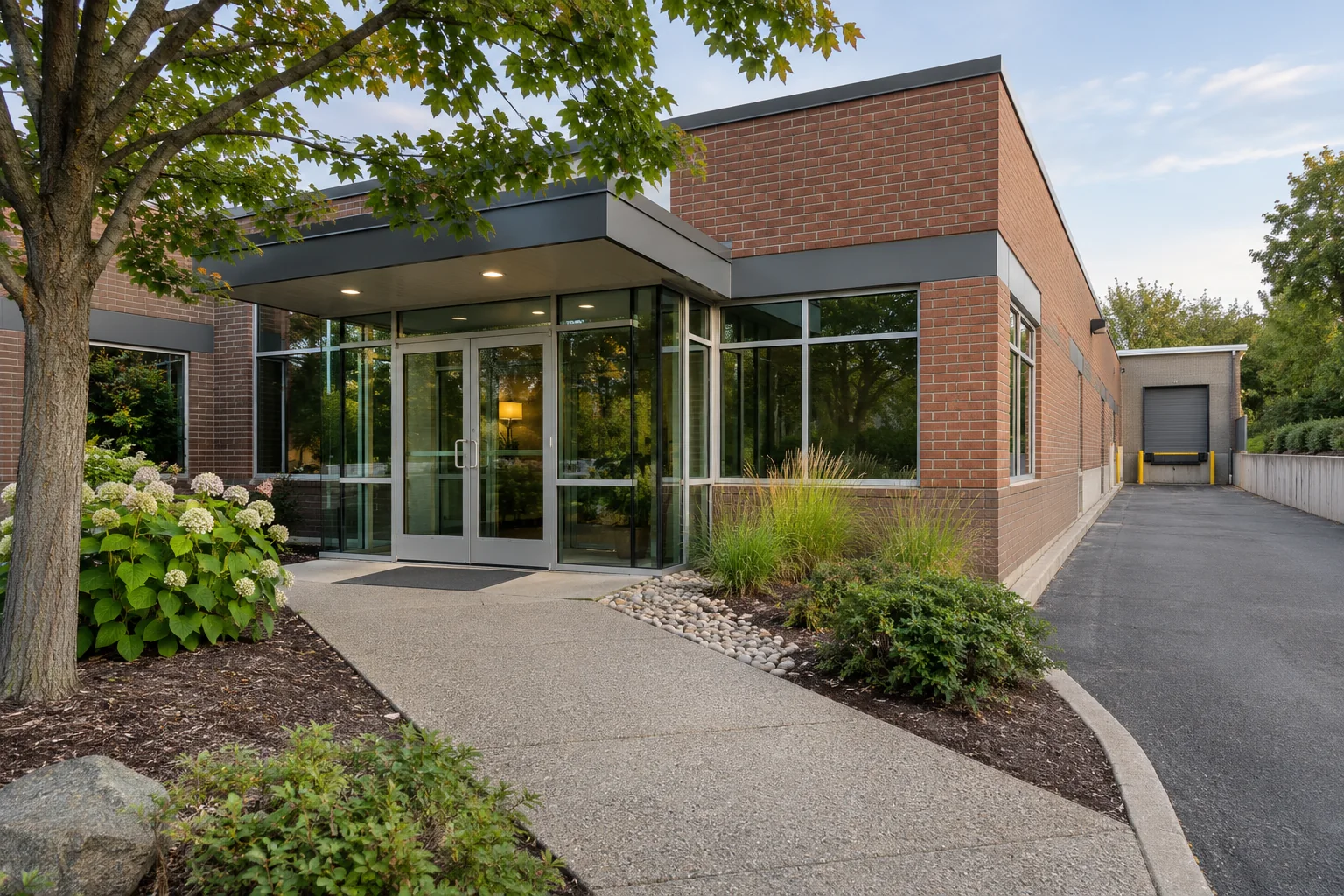
Your property. Your priorities. A clearly defined scope.
Begin with a surface and location register
This guide concerns organizing exterior washing across a facility or portfolio. The separate commercial-concrete frequency guide addresses pavement zones. Here the focus is the working record that connects inspections, requests, approvals and completed service across different surfaces. It is a planning framework, not a mandatory inspection standard or a claim that one schedule will fit every Greater New Orleans property.
Give each building and exterior area a practical identifier that the site team already understands. Separate roofing, walls, entrance areas, service pavement and other relevant surfaces instead of placing them all under a single wash-the-property task. Record the material information that is available and identify areas where the finish or treatment is unknown. The register should help someone locate a task without interpreting an old photograph.
Keep the register proportionate to the property. A small commercial building might need a simple list, while a multi-building site may benefit from a marked plan. The purpose is not to create paperwork for its own sake. It is to prevent a request about one entrance or roof face from being mistaken for authorization to wash every surface with a similar appearance elsewhere on the site.
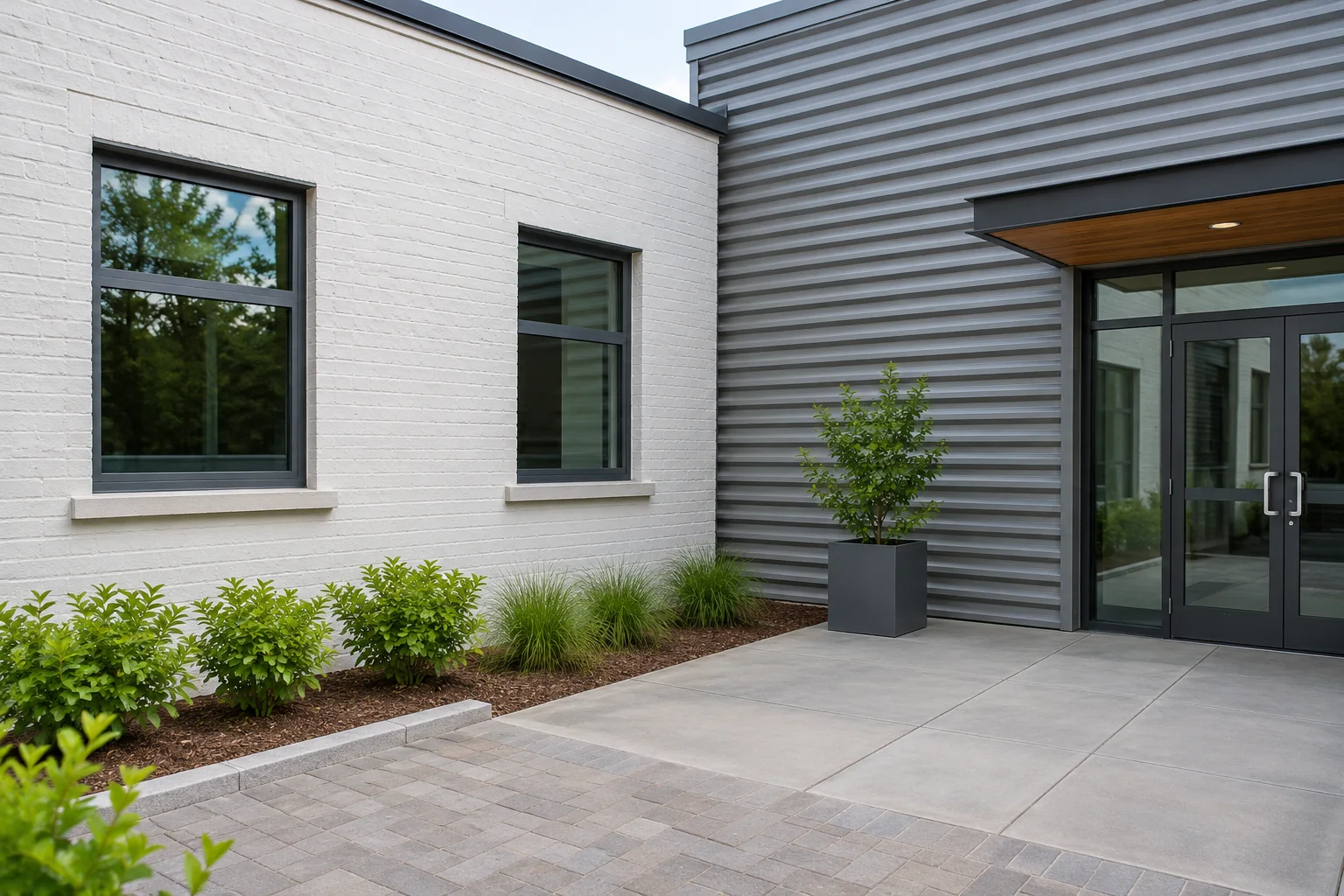
Distinguish observation from authorization
Label an inspection or observation date separately from a service date. An employee noting a change does not necessarily mean the area should be cleaned immediately or included in an existing contract. Record what was observed, where it was seen and who should review the information. This makes the calendar useful even when the next action is a question rather than a booked visit.
Define the approval step before recurring work begins. Identify who can authorize the agreed scope and how changes will be recorded. A contractor arriving for a scheduled task should be able to distinguish approved areas from a new concern raised that morning. This reduces the risk that a casual conversation becomes an unexpected addition to the service or an assumption about a different material's suitability.
Use the property record to choose review points
Begin with available observations about the site's recurring deposits, appearance priorities and operating needs. Ask the responsible team which locations they want to watch and why. Do not assign quarterly, twice-yearly or annual washing simply because the property is a restaurant, office or warehouse. A calendar entry should have a reason connected to the particular area and its condition.
After an agreed service, retain photographs and notes about the included area. Those records can support the next review without creating a promise about exactly when buildup will return. If the site team later adjusts a review date, record the observation or operational change behind that decision. This gives the plan a usable history and helps a new manager understand why the current entries exist.
Build work orders that can be followed
A recurring work order should identify the approved location, surface, scope and access assumptions. Reference the current estimate or agreement rather than relying on an old verbal description. Where there are exclusions or unresolved conditions, make them visible to the person arranging the visit. A date on a calendar is not enough information to define how a particular building material should be treated.
Keep the description usable for the people coordinating the site. Include the building identifier, the responsible contact and the agreed work window. If a task is postponed or changed, update the working record rather than leaving several contradictory messages in circulation. A clear work order supports consistency without implying that the same equipment or treatment belongs on every surface included in the facility register.
Coordinate tenants, deliveries and occupied routes
Ask the property's operating team about the routes and activities that intersect the proposed cleaning areas. Deliveries, customer entrances, staff movement and shared service spaces may need to be discussed together. A preferred date should remain provisional until the responsible people can confirm access arrangements. Do not infer that a quiet-looking photograph represents the building's normal operating conditions throughout the day.
Document who will communicate an agreed change to tenants or other affected occupants. The property team may need to approve an alternative route or a different work window. Keep those arrangements attached to the relevant task so the next visit does not depend entirely on someone's memory. The washing contractor's scope should be clear about its own responsibilities without silently taking over every part of the property's operations.
Have the property photos?
Let’s define the next step.
Send the address, requested surfaces and the contact who can confirm access.
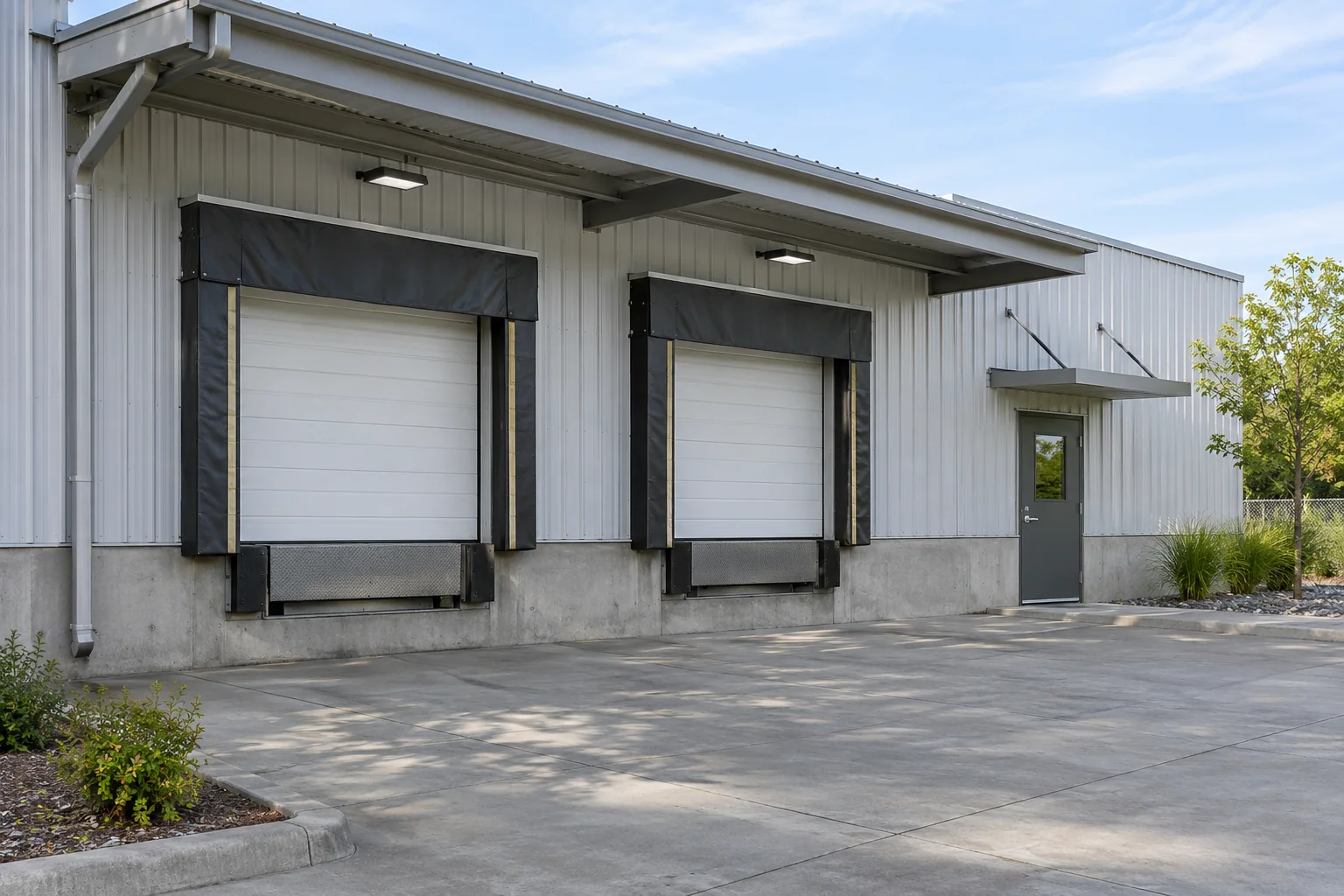
Separate recurring cleaning from incident response and repairs
A fresh release, an unidentified spill or a reported building defect should enter the property's appropriate reporting process. Do not leave it waiting solely because a routine exterior washing visit is already on the calendar. The site team needs to decide who should assess the condition and what kind of response is required. A recurring appearance-cleaning agreement should not be interpreted as an emergency-response contract.
Likewise, track repair needs separately from washing tasks. A damaged coating, reported leak or unresolved drainage concern may require another assessment before an area can be included. The calendar can note that dependency without presenting cleaning as the remedy. This keeps a well-organized schedule from becoming misleading evidence that every underlying property condition has been addressed.
Record completion and unresolved items distinctly
Use the location identifiers from the original work order when recording completed service. Keep the approval record, completion date and photographs together. If an included area could not be completed or a condition needs further review, identify it separately. A single completed checkmark should not hide the difference between work that was finished and an area that remained inaccessible or outside the approved scope.
Review the record with the person responsible for the property before simply copying the task into a future slot. Ask whether the planned areas, access assumptions and description still make sense. This is an opportunity to correct the working record, not a requirement to purchase more cleaning. A useful maintenance calendar should help the owner make the next decision with better information than was available for the previous visit.
Keep a portfolio consistent without making properties identical
For several buildings, use common record fields and approval steps while retaining each location's actual surface and access details. A shared format can make tasks easier to compare, but the content should remain specific. Avoid copying a work order from one property and changing only the address. That can conceal different materials, operating hours or unresolved conditions that matter to the proposed service.
Assign responsibility for keeping the register current when management, tenants or site conditions change. Retain earlier versions so that a new contact can understand previous approvals and exclusions. The result should be a practical chain from observation to review, authorized scope and completion record. That chain supports deliberate exterior maintenance without inventing a universal washing frequency or treating every future calendar date as automatic permission to repeat an old job.
Make dependencies visible in the calendar
A maintenance entry can be useful before it becomes a confirmed appointment. For example, a hypothetical property team might want an entrance area reviewed after a change in tenant operations. The next steps could include updated photographs, confirmation of the opening hours and review of the existing pavement treatment. Record those dependencies beside the task instead of assigning a service date that suggests all three questions have already been settled. The calendar then represents the actual state of the decision.
Use a small set of plain status descriptions that the site team understands, such as observation received, awaiting review, approved for scheduling and completion recorded. These are organizational choices, not claims of a required industry standard. Include a separate description of any exclusion or unresolved condition. A status should help the responsible person find the next action; it should not certify the surface, approve a treatment or silently authorize extra work. That distinction is especially useful when several properties share the same administrator.
A practical start.
Three useful steps.
Show the surfaces
Send wide photos and close views. Label the buildings and the areas that matter now.
Set the boundaries
Explain materials, access, preparation and the work window your property can support.
Review the scope
Confirm included surfaces, responsibilities and the next step before scheduling.
Commercial Pressure Washing Maintenance Schedules.
Your questions, answered.
Your next exterior project.
Start with a clearer scope.
Text your address and the priority exterior photos. For a larger project, send the full property details.
Send your address. Show us what needs cleaning.
Text your address, a wide photo and a close-up of the buildup. We’ll review the surfaces and discuss your cleaning options.
Text photos for an estimate Start an online quoteCoKo’s Pressure Washing · (504) 296-9696