Exterior washing guidance · Greater New Orleans
Different concrete zones.
A practical cleaning plan.
Review the actual surfaces, visible conditions and access before agreeing on exterior washing for your property.
Your property. Your priorities. A clearly defined scope.
Schedule by zone and use
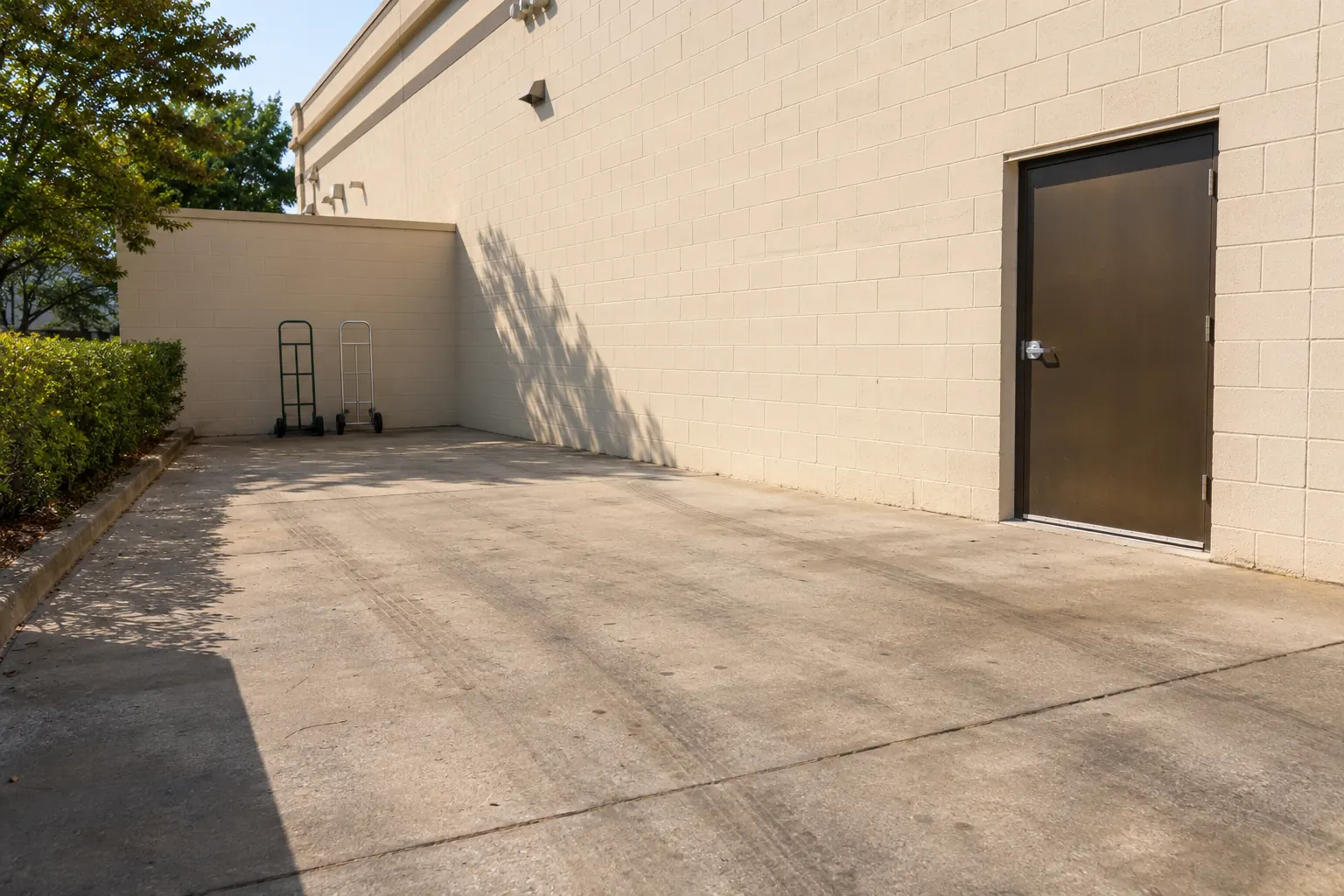
A commercial property rarely has one meaningful cleaning interval for every concrete surface. The public entrance, loading apron, refuse approach and lightly used side path serve different activities. Start by mapping these zones and identifying who uses each one. Record when visible buildup develops, what the area needs to support and which routes must stay available. A single building-wide calendar can overlook the heavily used entrance while paying for unnecessary attention to a quiet section.
Use the schedule as a management decision rather than a prediction that concrete will remain in a particular condition for a set number of days. A restaurant service area, office walkway and delivery apron may need different review points even at the same property. Keep the inspection routine separate from authorization to wash. Regular observation can identify a changing condition, while the scope and timing of actual work remain subject to the surface, deposit, access and agreed handling requirements.
Separate recurring soil from a new incident
Describe what normally accumulates in each zone and how quickly its appearance changes during ordinary operations. Customer foot traffic, delivery activity and movement of carts can create recognizable patterns, but a new spill or leak is a separate issue. Record the date and approximate location when an unusual event occurs. If the material is unknown, keep that uncertainty explicit. An ordinary maintenance visit should not quietly become an unassessed hazardous-material or specialist response.
Ask who is responsible for correcting a continuing source before setting a shorter washing cycle. A leaking vehicle, overflowing container or faulty fitting may re-soil a recently washed area. Exterior washing does not repair those causes. The property manager should coordinate the relevant operational or maintenance action, then ask what washing can reasonably address. This distinction helps prevent a costly repeating service that changes the appearance briefly while the underlying source remains active.
Identify concrete finishes and limitations
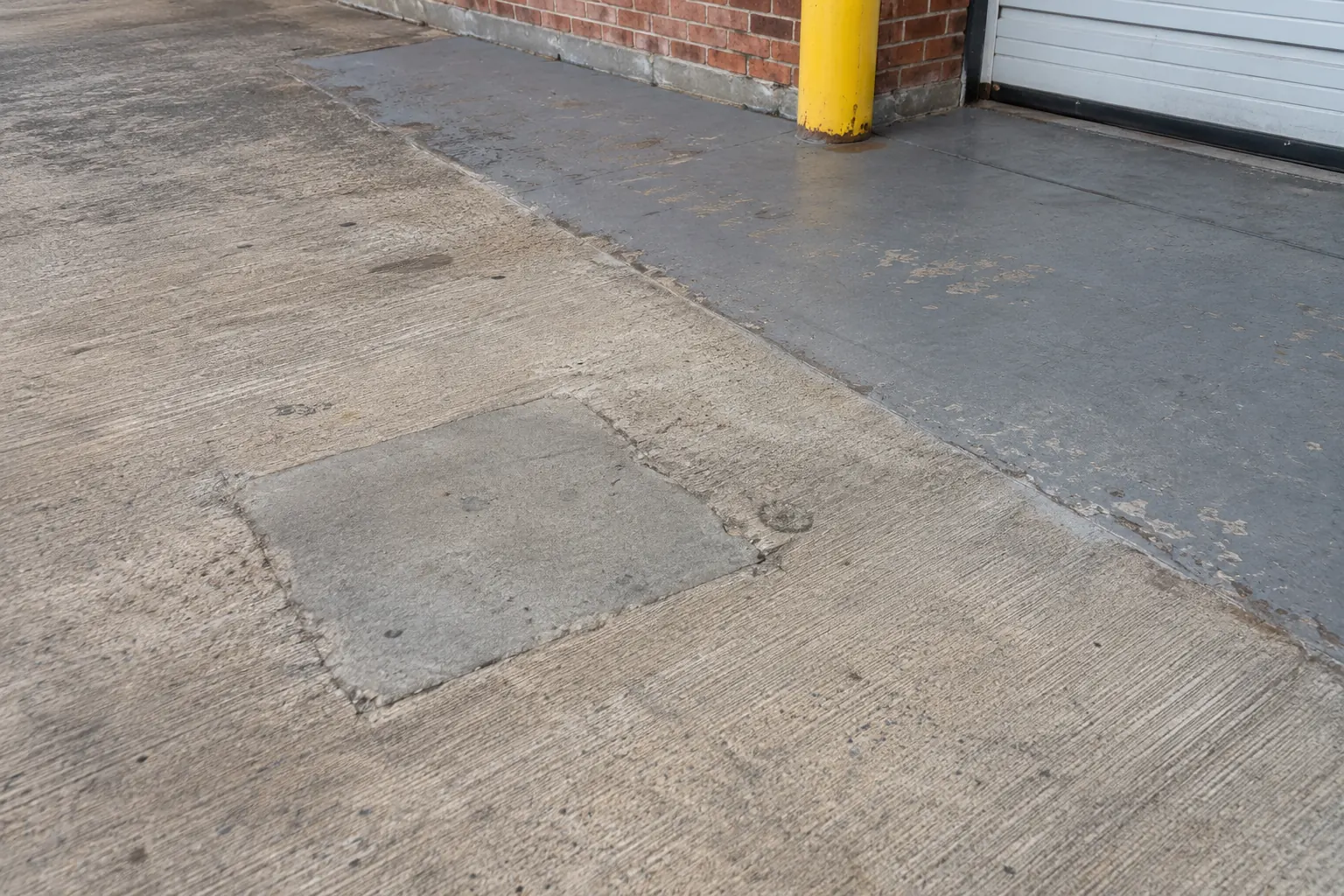
An accessible concrete surface may be plain, sealed, coated, decorative, repaired or assembled from placements of different ages. Identify these conditions before grouping areas into one service package. Supply product information and records of recent work when available. A polished-looking section beside an entrance should not automatically be treated like an older rough service apron. A coating or finish can alter the method review as well as the practical timing.
Record cracks, loose material, spalling, uneven areas and previous surface damage separately from dirt. Washing is not a repair, leveling or resurfacing service. A manager comparing appearance after a visit should know which marks or differences existed beforehand and which were outside the agreed washing scope. Where a finish or condition is uncertain, a limited evaluation may be more appropriate than accepting a large recurring contract. The frequency discussion becomes useful only after the actual surface and intended result are understood.
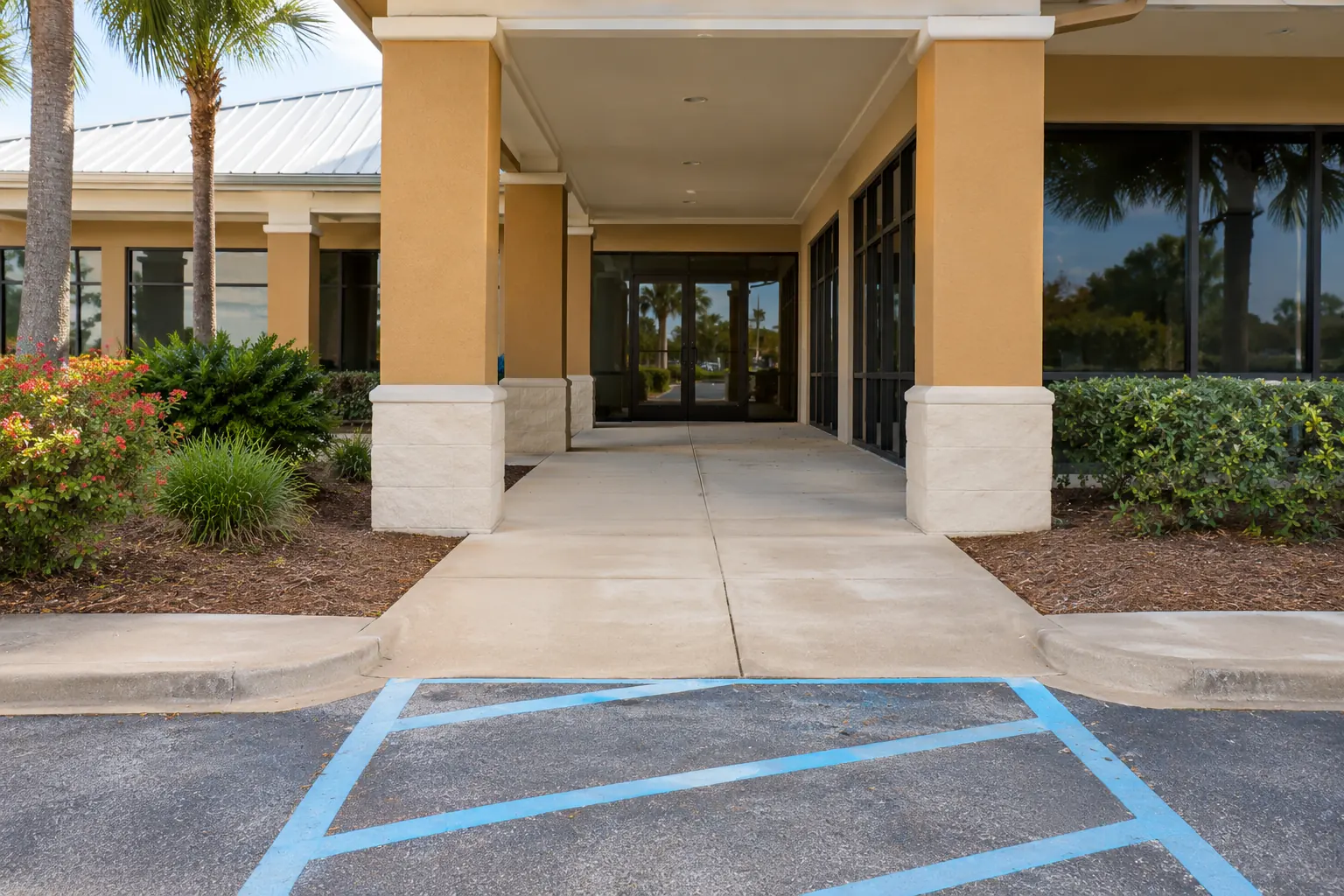
A shopping property illustrates why zone records matter. A sheltered entrance may show concentrated foot traffic while an open side walkway remains lightly used, and the service apron may have a different deposit altogether. Name these locations on a simple site sketch and keep their photographs separate. An instruction to clean all concrete can otherwise hide the most important operational differences. Ask the manager to identify the route that connects accessible parking to the active entrance and the times deliveries cross it. The contractor can review those relationships before proposing phases, without assuming that an alternate door provides an equivalent workable route.
Coordinate routes before reserving a time
List the entrances, accessible parking connections, delivery crossings and employee paths that intersect the work zones. The property’s usual low-traffic hour may still include tenants opening early or a scheduled pickup. Confirm these activities with the responsible site contact rather than relying solely on a general opening time. The U.S. Access Board’s route guidance emphasizes the connections between arrival points and entrances; the cleaning plan should account for the actual routes the property needs to maintain.
Discuss workable phases with the manager. One entrance landing may be reviewed separately from another, or a service apron may need its own appointment. Identify who can approve a temporary routing arrangement and communicate it to occupants. Do not assume cones alone resolve every access question, and do not market washing as an accessibility certification. The practical objective is a site-specific work sequence that recognizes the property’s routes and avoids an unplanned closure of an essential entrance.
Include water management in the recurring scope
The wash-water plan belongs in the initial service discussion and in later scope changes. Show the relationship between work areas, doors, low points and drainage inlets. Material washed from a surface can move with the water; an ordinary rainwater path is not automatic approval to use that same path during cleaning. A change from light pedestrian dirt to greasy service-area residue can therefore affect the work review even when the square footage stays the same.
Ask what property information and permissions are required for the proposed handling arrangement. An EPA-hosted educational presentation illustrates the problem of pressure washing residue toward a drain, but it does not grant a disposal permission for a Louisiana site. Avoid promising a particular recovery or disposal method without confirming that it is available and appropriate. A recurring agreement should identify this responsibility clearly enough that a substitute manager does not interpret silence as permission to send all water to the nearest inlet.
Have the property photos?
Let’s define the next step.
Send the address, requested surfaces and the contact who can confirm access.
Use observations to adjust the interval
Create a short inspection record with a date, zone name, overall photograph and description of the visible concern. Repeat photographs from consistent viewpoints so managers can compare conditions without guessing which portion of the property they are viewing. Record operational changes such as a new tenant, different delivery pattern or relocated waste containers. Those changes may explain why the previous review interval no longer fits and may be more useful than simply adding another wash.
Review what the previous service actually achieved. Some discoloration may remain in older concrete even when accessible buildup is removed. Comparing every future inspection to an imagined new-surface finish can lead to unnecessary or unsuitable treatment requests. If a zone changes sooner than expected, examine the source and exposure before shortening the entire property’s schedule. The most useful adjustment may be a revised area boundary, different preparation or a targeted review rather than more frequent washing of every walkway.
When a new manager takes over, an existing recurring appointment should be reviewed rather than treated as a complete description of the property. Tenant use, coatings, equipment positions and delivery arrangements may have changed since the original agreement. Compare the present zone list with the previous scope and confirm which information remains valid. Record any added area as an explicit change requiring assessment. This protects the clarity of the maintenance plan without implying that an old photograph establishes current conditions. The same review is useful after construction, a tenant turnover or a substantial change in the way the service yard operates.
Compare complete recurring proposals
Recurring proposals should name the zones, expected preparation, access arrangements and condition being addressed. Clarify whether stain assessment, refuse-area buildup or loading-apron residue is included in ordinary visits or requires a separate review. Two proposals with identical visit counts may cover very different work. A manager needs to compare those boundaries, not just multiply an advertised price by the number of appointments in a year.
Identify how additions and unexpected conditions will be handled. A new coated entrance, construction residue or previously inaccessible area may require another method review before it joins the recurring scope. Keep cancellation, confirmation and site-contact arrangements clear in the actual agreement. The property should know who authorizes a visit and who reviews the accessible work area afterward. A predictable process is valuable even when the final service dates remain flexible around confirmed access, observed conditions and the contractor’s accepted scope.
Build the next inquiry from your records
Send CoKo’s an overall property view and separate photos of the entrance, pedestrian routes and service zones you want considered. Explain the current inspection routine, the last known washing scope and any concerns that return quickly. Include information about coatings, recent concrete work, tenant operating hours and drainage locations. Where an unusual spill has occurred, describe it separately rather than folding it into a routine request without explanation.
Use the online quote route to request commercial-concrete washing review with clear zone boundaries. The proposed plan can then address suitable washing methods, timing, preparation and realistic appearance limits. Heated pressure washing may be considered for an appropriate deposit and surface; it is not an automatic requirement for every recurring visit. The goal is a maintenance schedule based on the property’s actual use, supported by records and adjusted when conditions change, with no claim that washing certifies traction, accessibility or regulatory compliance.
A practical start.
Three useful steps.
Show the surfaces
Send wide photos and close views. Label the buildings and the areas that matter now.
Set the boundaries
Explain materials, access, preparation and the work window your property can support.
Review the scope
Confirm included surfaces, responsibilities and the next step before scheduling.
How Often Should Commercial Concrete Be Cleaned.
Your questions, answered.
Your next exterior project.
Start with a clearer scope.
Text your address and the priority exterior photos. For a larger project, send the full property details.
Send your address. Show us what needs cleaning.
Text your address, a wide photo and a close-up of the buildup. We’ll review the surfaces and discuss your cleaning options.
Text photos for an estimate Start an online quoteCoKo’s Pressure Washing · (504) 296-9696