
Commercial exteriors · Greater New Orleans
Truck stop exterior washing.
Keep drivers moving.
Roofs, building exteriors and suitable walking surfaces for your truck stop. Text property photos, access details and your preferred timing.
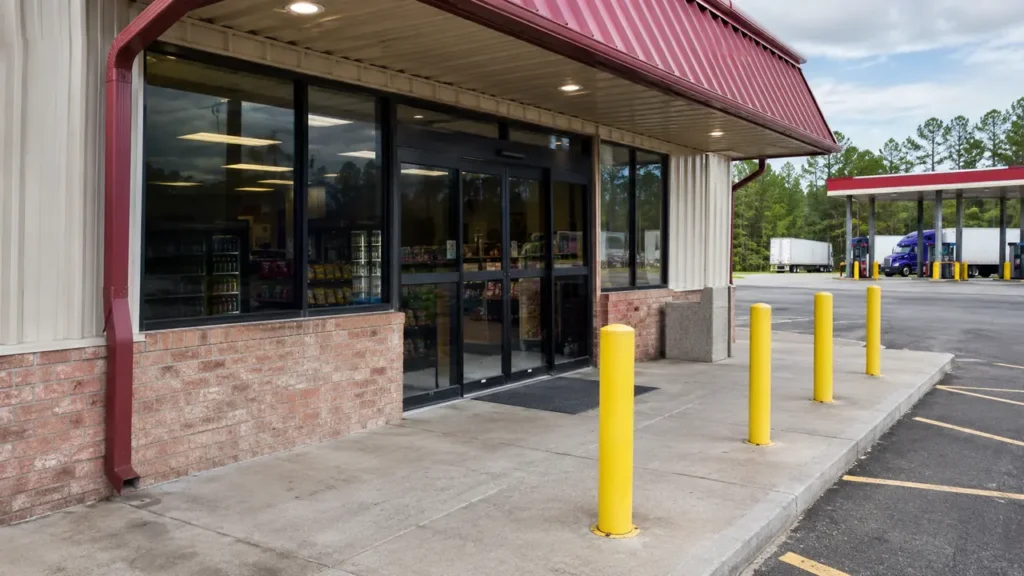
Your property. Your priorities. A clearly defined scope.
Start with the driver route from parking to the store
A truck stop serves several kinds of traffic at once. Drivers walk from parking, customers approach the store and deliveries use another side of the building. Exterior washing should account for those movements rather than start with a single estimate for all the pavement. CoKo’s can review suitable building exteriors, entrance areas and defined walking routes around the property’s operating needs. Send photographs of the requested surfaces and explain which routes must remain available. The goal is a clear exterior project that fits the store’s real activity, with fuel equipment, vehicles and unrelated operational services kept separately described. Truck stop exterior washing in Greater New Orleans should begin with the pedestrian routes and building surfaces the manager can actually make available, rather than an assumed property-wide closure.
Photograph the path drivers actually use, including curb openings, connecting sidewalks and the final approach to the doors. A large parking area does not explain the walking route by itself. Show where pedestrians leave the vehicle area and where the surface changes near the store. If there are several paths, identify which ones are part of the request.
Explain the busiest arrival periods and any route that cannot be closed at the same time as another. A side path may be essential for staff even when the main frontage remains open. CoKo’s can review suitable walking surfaces with those access needs in mind. The scope should define endpoints using recognizable features instead of an ambiguous instruction to wash the front. This makes the proposal easier to compare with the property and helps the manager coordinate preparation, temporary access changes and the work sequence without treating the entire truck stop as one available area.
Give the store building its own exterior scope
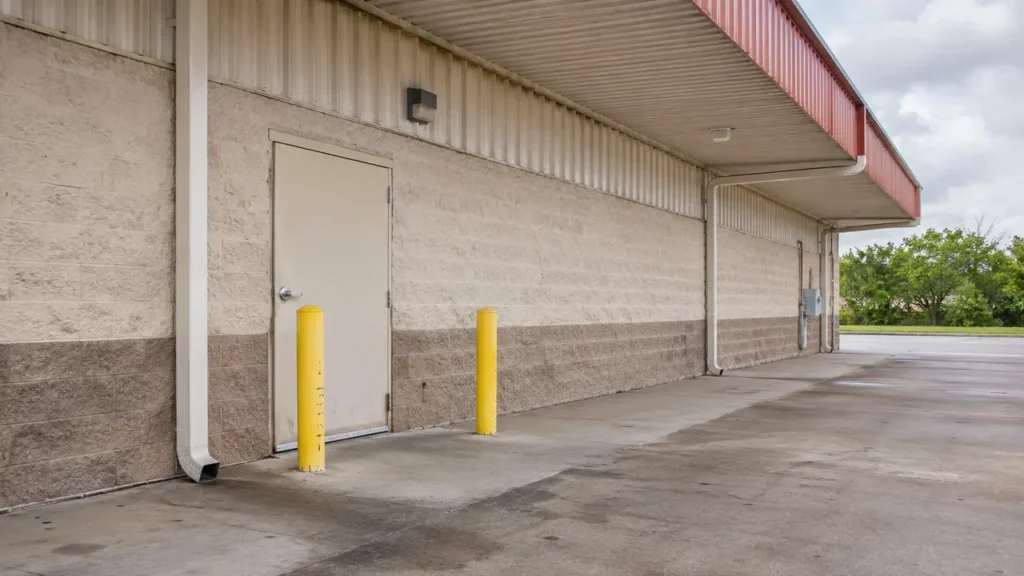
Show the front, side and service elevations you want considered. Include a broad view of the roofline and close photographs where wall materials change. A metal canopy beside a masonry store wall should not be assumed to require the same review as the concrete walkway below. If roof washing is requested, name it separately and provide ground-level views.
Identify known coating damage, open joints, loose fixtures or other existing concerns. CoKo’s can discuss suitable exterior washing, while repair issues should remain distinct from the cleaning request. A building quote should also make clear whether a detached office, restaurant wing or other structure is included. Do not rely on a whole-property photograph to establish every elevation and roof area. A short building list and labeled images provide a more useful basis for a written scope that the manager can check before a work window is selected.
Define storefront paving and covered approaches
The entrance apron can contain mats, display racks, portable signs and customer seating. Photograph the area in its normal operating arrangement, then explain what can be moved before the work. Identify concrete, coatings and other finishes where possible. Show the entire boundary between the doors, curbs, planted areas and the next section of paving.
Decide who will relocate movable items and where they can remain clear of the next phase. A display moved to the adjacent doorway may simply obstruct the alternative customer route. If one entrance must remain open, identify the usable approach to that door. CoKo’s can review suitable surfaces and discuss practical phases, but washing does not repair uneven paving, correct drainage or certify the approach for a particular use. Keeping those issues separate makes the requested exterior work easier to understand and avoids a result expectation based on problems that washing cannot resolve.
Keep fuel and specialist equipment separately addressed
A truck stop building request does not automatically include pumps, dispensers, tanks, electrical installations or other operational equipment. Show nearby equipment in the property photos where it affects the working boundary, but name the surfaces actually being requested. A storefront wall and a pump island should not disappear into a single undefined description of the site.
If another area needs review, provide a separate explanation and photographs before assuming it can be included. CoKo’s can discuss suitable property washing without promising specialist maintenance, repair or equipment services. The same distinction applies to vehicles and trailers. This page concerns the requested building exterior and suitable land-side walking surfaces. A clearly bounded proposal allows the property’s own operating contact to coordinate other activities and any specialist requirements separately, instead of leaving the washing crew to interpret a fuel-area or equipment task during arrival and setup.
Coordinate service-side work with deliveries
Photograph the delivery approach, closed service doors and any walkway crossing that area. Explain when deliveries arrive and where vehicles wait. A service lane that appears empty in a morning photo may be occupied for much of the proposed work window. Identify the part of the route that must stay available for staff and the area that can actually be cleared.
List stored pallets, carts, refuse containers and other items near the requested wall or paving. Agree on preparation responsibility before scheduling. A loading-side exterior request should distinguish building and surface washing from handling freight, moving containers or directing delivery traffic. If a nearby dumpster area also needs attention, request it explicitly rather than assuming it is part of every service-side proposal. The clearer the boundary, the easier it is to decide whether that work belongs in the same phase or needs a separate review and operating window.
Have the property photos?
Let’s define the next step.
Send the address, requested surfaces and the contact who can confirm access.
Make the setup route practical for the property
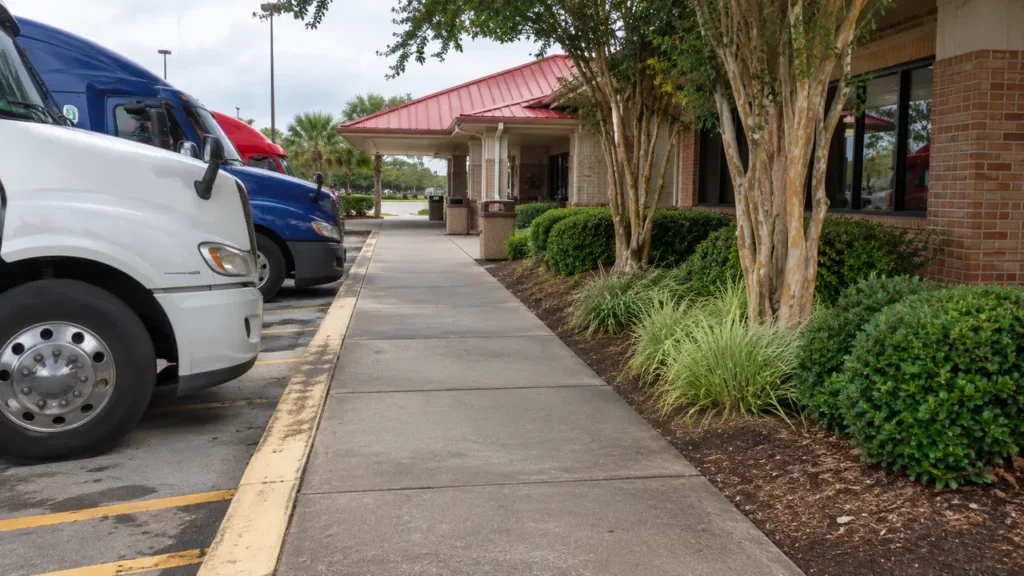
Show the intended service entrance, equipment parking position and route to the building. Include tight turns, overhead restrictions and areas where parked tractors or trailers narrow access. Explain who can arrange for the setup space to remain clear. The plan should not depend on a driver returning at an unknown time to move a vehicle from the only usable position.
Identify the water connection being offered for review and outdoor fixtures or sensitive equipment close to the requested surfaces. Give the name of the manager or contact who can confirm access during the planned shift. If arrival needs an escort through a controlled part of the property, discuss that before the work window. CoKo’s can then review a realistic setup and departure arrangement. Relevant access assumptions should be stated clearly so the project does not rely on an unconfirmed connection, blocked route or unavailable staff member.
Choose phases around continuous operation
If the truck stop operates around the clock, describe the quieter periods instead of treating the whole property as closed after a particular hour. Customer arrivals, shift changes, restaurant use and deliveries can peak at different times. Identify the areas that can be separated from normal use and the alternative route that customers or employees will follow.
A phased scope can be discussed after the surfaces and operating pattern are understood. For example, a side elevation may be available while the main storefront still needs uninterrupted access. The property should identify who controls access changes and who can authorize an adjustment if activity differs on arrival. Avoid assuming an exact finish time before the condition and boundaries are reviewed. A useful schedule connects each requested area with a realistic window, rather than promising that the entire building perimeter and every walking route can be washed without affecting any other activity.
Send a request the manager can verify
Text the property address, contact name and wide photos showing the store and driver approaches. Add the requested wall elevations, roof views if relevant, storefront boundaries and service access. Include the operating pattern, preferred window and surfaces you want prioritized. Label areas by the names the manager and staff use during normal operations.
Ask the proposal to distinguish building washing, entrance paving and defined pedestrian routes. Optional areas should remain separate, especially where access depends on another operation. Preparation responsibilities and exclusions should be straightforward to compare with the photos. You do not need to measure the entire truck parking area to begin a focused building and walkway request. CoKo’s can review the information provided, identify where a closer look is needed and help turn the property’s priorities into a clearly bounded exterior washing discussion before scheduling details are finalized.
A practical start.
Three useful steps.
Show the surfaces
Send wide photos and close views. Label the buildings and the areas that matter now.
Set the boundaries
Explain materials, access, preparation and the work window your property can support.
Review the scope
Confirm included surfaces, responsibilities and the next step before scheduling.
Truck Stop Building & Walkway Washing.
Your questions, answered.
Your next exterior project.
Start with a clearer scope.
Text your address and the priority exterior photos. For a larger project, send the full property details.
Send your address. Show us what needs cleaning.
Text your address, a wide photo and a close-up of the buildup. We’ll review the surfaces and discuss your cleaning options.
Text photos for an estimate Start an online quoteCoKo’s Pressure Washing · (504) 296-9696