
Commercial exteriors · Greater New Orleans
Transit shelter washing.
The structure, the waiting area and the stop.
Send the shelter locations, surface photos and operator contact. We’ll review the structure and requested pavement with passenger access and roadside constraints.
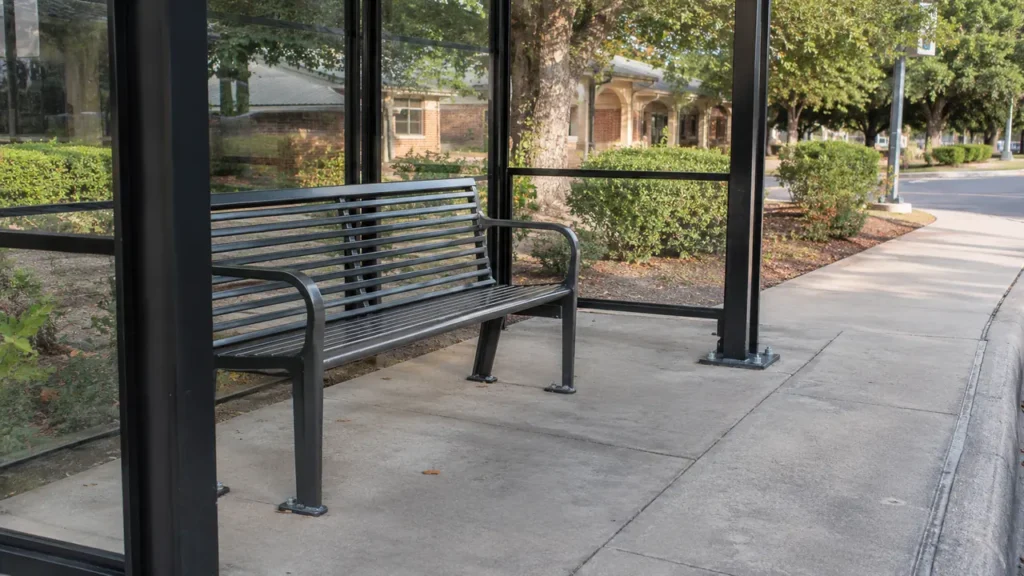
Your property. Your priorities. A clearly defined scope.
Identify every stop and shelter in the request
Transit shelter exterior washing requires a clear description of the shelter itself and the space passengers use around it. Roof panels, glazing, frames, benches and nearby pavement may have different owners, materials and maintenance responsibilities. CoKo’s reviews transit shelter washing in Greater New Orleans and the Westbank through the authorized operator, property manager or responsible contractor. Start with identified stop locations and the components requested for review. A street address or photograph alone does not explain the work area, especially where a shelter sits beside active boarding activity, a narrow sidewalk or privately controlled frontage.
Use the stop numbers, shelter references or location names the operator recognizes. Provide the street location and a wider photograph that shows the shelter’s position relative to the curb, sidewalk and adjoining property. For several shelters, label the photographs individually rather than assuming similar-looking structures can be matched to the correct stop later. Include the direction or side of the street when it is needed to distinguish nearby locations.
State whether the inquiry concerns one shelter, a selected group or particular components across several stops. Identify any stop with a different structure or restricted approach. CoKo’s can review a more useful scope when the list connects each location to the requested work instead of treating a shelter count as the whole specification. If a structure has been replaced, removed or altered since an older maintenance list was created, update the request to describe the actual installation being considered.
A simple shelter list can pair each reference with a location photograph, requested components and the contact responsible for approval. Record recently changed structures and locations needing a closer look. For a stop with more than one shelter or waiting structure, label each one separately so a quote for one roof, frame or pad is not interpreted as covering every visible installation at the intersection.
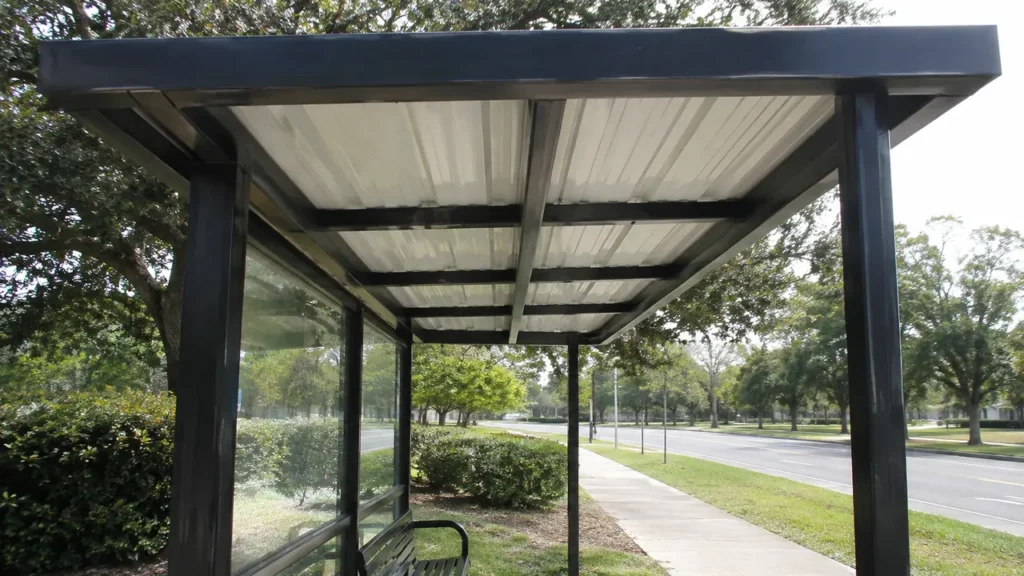
Separate the shelter components and their owners
List roof surfaces, overhead panels, frames, glazing, benches and nearby pavement individually. A photograph may show all of them while the requester controls only some. Advertising panels, information displays and adjacent street furniture can belong to different contracts or organizations. Identify who can approve work on each component before assuming the whole visible structure is included.
Distinguish shelter washing from cleaning unrelated signs, ticketing equipment, electrical enclosures or neighboring storefronts. Those items may affect the setting without becoming part of the washing scope. If a maintenance agreement specifies certain components or exclusions, provide the relevant requirements through the responsible contact. A component-based request helps the operator compare proposals accurately and prevents a bench or display shown beside the structure from becoming an assumed addition simply because it appears in the same photograph.
Show glazing, coatings and vulnerable details
Provide close views of the actual panel and frame materials, alongside the location overview. Glazed or translucent panels, painted frames and other finishes should be identified using the information the operator holds. Include care instructions and recent replacement or coating details where available. A transparent panel should not be assumed to have the same cleaning requirements as the surrounding metal or concrete.
Photograph cracked panels, loose components, failing coatings and other existing concerns for the operator’s maintenance team. Washing is separate from repairs or verification of the structure’s condition. The proposed treatment should be reviewed against the installed materials and visible condition rather than beginning with a standard pressure setting. If a panel or finish cannot be identified, leave that part of the request open for clarification. Information systems and electrical fixtures should remain within the responsibilities and access arrangements established by their authorized owner.
Have the operator define passenger access arrangements
Show where passengers wait and how they move between the sidewalk, shelter and boarding area. Include nearby crossings, entrances and any narrow section beside the requested work. A shelter that looks empty during the estimate visit may still be part of a continuously used stop. Describe the operator’s actual release arrangement rather than treating the absence of a bus in a photograph as confirmation that the location is available.
The responsible operator should determine and coordinate any temporary passenger or stop arrangement before a washing phase depends on it. CoKo’s does not assume authority to relocate a stop, close a sidewalk or select an alternate boarding location. Provide general operating information and identify the contact who can confirm the permitted work area. If the requested components cannot be made available under an agreed arrangement, record the location as pending instead of allowing an unconfirmed access assumption to enter the price or schedule.
Explain the roadside approach and equipment limitations
Photograph the permitted approach to each shelter, including nearby parking, frontage and the space around the structure. A wide sidewalk at one stop may contrast with a narrow roadside setting at another. Identify the areas the responsible organization can make available and any site instructions that affect access or equipment positioning. An adjacent open parking space is not automatically an approved setup area.
Keep traffic-control and roadside access responsibilities explicit. A shelter-washing request does not imply that a contractor can occupy a traffic lane or alter public circulation without the appropriate arrangements established by the responsible parties. If the inquiry depends on access through private frontage, identify who can approve it. Grouping shelters by their actual approach conditions can help the operator describe a realistic project without assuming that every stop on a maintenance list can be serviced in the same way or within an identical work window.
Have the property photos?
Let’s define the next step.
Send the address, requested surfaces and the contact who can confirm access.
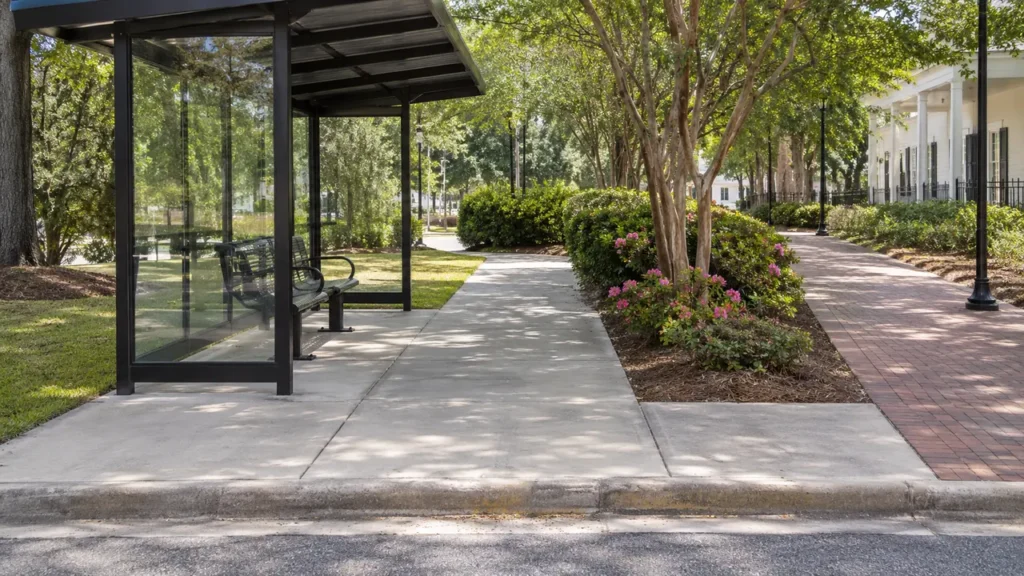
Identify washing-water requirements and surrounding uses
Show visible drains, planted areas and the relationship between the shelter and the adjoining sidewalk or curb. Provide the site’s washing-water requirements and the contact responsible for resolving those questions. The presence of a curb inlet does not establish an appropriate destination for washing water. Include nearby doors, outdoor dining or other uses that relate to the proposed work area.
Explain the water connection offered for review or identify when a location has no connection available from the responsible property. Do not assume a neighboring business will provide utilities or permit access without agreement. If a shelter requires a different arrangement from the rest of the group, label that difference in the request. These details help establish whether a suitable exterior washing scope can be agreed for the actual stop rather than relying on a photograph of the structure with its wider setting left out.
Separate routine buildup from additional maintenance
Photograph ordinary surface soil separately from adhesive residue, concentrated staining, graffiti or worn finishes. Identify the components and stop references where each concern appears. A mark on glazing, a painted frame and a concrete pad may need different review even when the operator wants one overall appearance improvement. The proposal should make any separately assessed work recognizable.
Routine shelter washing does not automatically include removing advertising materials, repairing panels, recoating frames or treating every unknown substance. Keep those responsibilities with the appropriate owner or provider unless specifically reviewed and agreed. No complete removal result is promised for every mark or aged finish. A clear location-and-component list gives the operator a practical basis for comparing cleaning work and prioritizing a group of shelters without allowing unrelated maintenance tasks to disappear inside a single count-based price.
Build a shelter quote request that can be verified
Text the stop locations, shelter references and wide photographs showing the street-side setting. Add close views of the requested materials and particular concerns. Identify the approved contact, operating constraints, available utilities and any differences between locations. Take images from normal safe permitted positions; there is no need to step into a roadway or enter a restricted area to obtain an estimate photograph.
For several shelters, use the commercial project form to keep the list and scope notes together. Mark priorities and locations still awaiting access or ownership information. Ask the proposal to connect each included component to a specific shelter reference and to state preparation or coordination responsibilities. CoKo’s can then review suitable transit shelter exterior washing against the actual structures and locations, with a clearer next step for the operator responsible for coordinating work around passenger use.
A practical start.
Three useful steps.
Show the surfaces
Send wide photos and close views. Label the buildings and the areas that matter now.
Set the boundaries
Explain materials, access, preparation and the work window your property can support.
Review the scope
Confirm included surfaces, responsibilities and the next step before scheduling.
Transit Shelter Exterior Washing.
Your questions, answered.
Your next exterior project.
Start with a clearer scope.
Text your address and the priority exterior photos. For a larger project, send the full property details.
Send your address. Show us what needs cleaning.
Text your address, a wide photo and a close-up of the buildup. We’ll review the surfaces and discuss your cleaning options.
Text photos for an estimate Start an online quoteCoKo’s Pressure Washing · (504) 296-9696

