
Commercial exteriors · Greater New Orleans
Tire Store Building exterior washing.
Separate the public office from the service apron.
Text current property photos and requested outside surfaces. Explain the access arrangements that affect your commercial washing scope.
Your property. Your priorities. A clearly defined scope.
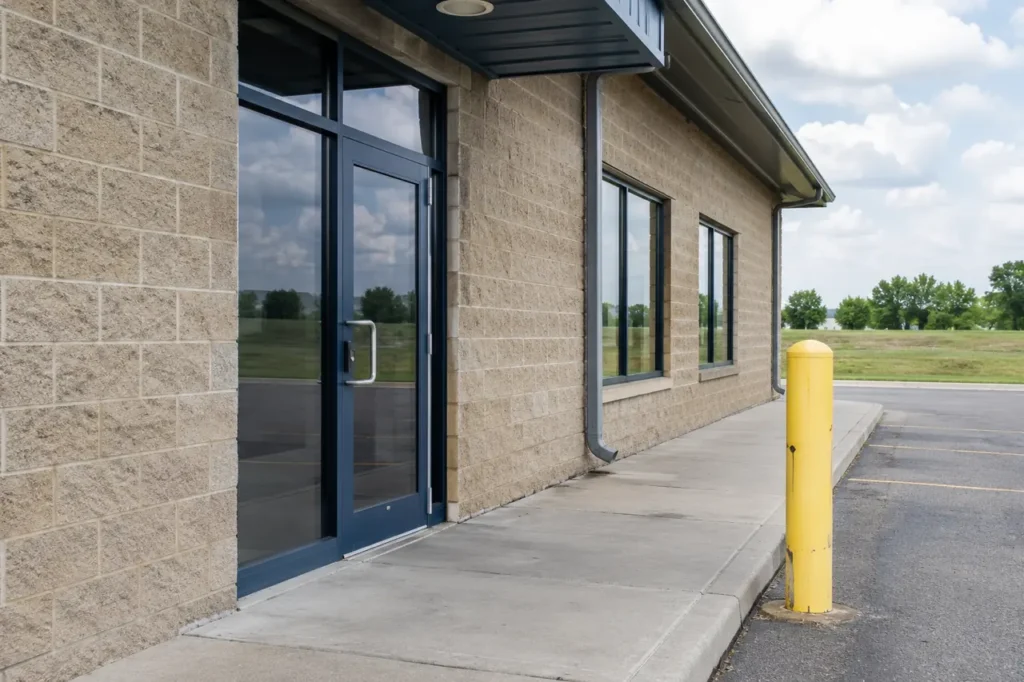
Review the office and bay-building materials
A tire store combines a public office with vehicle access that may change throughout the day. The small customer walkway, building walls and outside service apron have different uses even when they occupy one forecourt. A useful exterior washing request identifies those areas separately. CoKo’s reviews suitable commercial roof, wall and outdoor hard-surface washing in Greater New Orleans and the Westbank. This concerns the premises, not washing vehicles, handling tires or servicing equipment inside a working bay. Send current photographs and explain how customers and vehicles normally reach the building. Those details help define a sensible outside scope before an estimate assumes that all pavement is alike or that a photographed empty bay is available for work at any time.
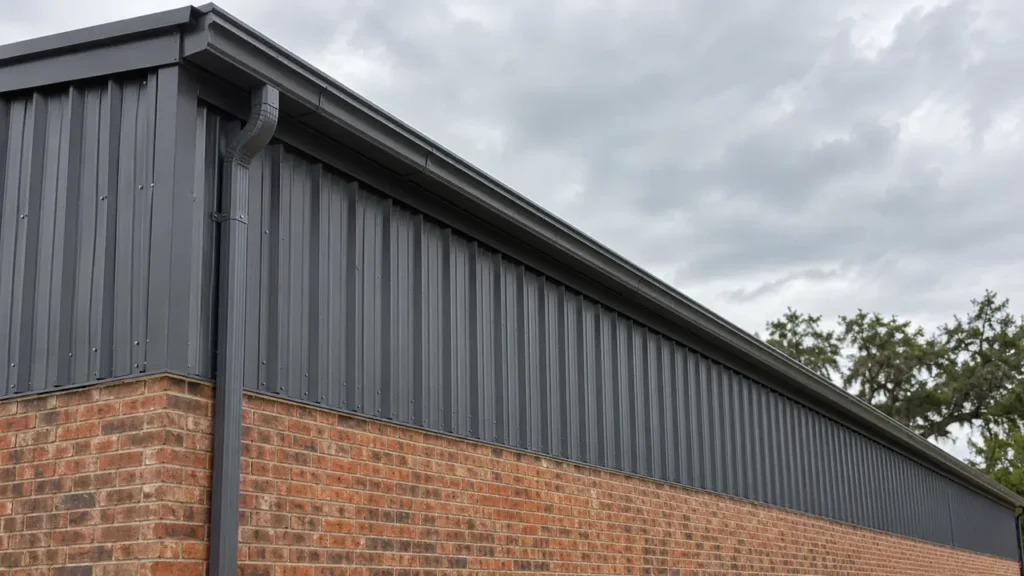
A tire retailer may have a masonry office attached to a metal-sided service building, with different roof heights and finishes. Send a full view showing that connection and identify the elevations you want reviewed. Photograph the front office, side wall and roof edge separately when they are separate priorities. A general request to wash the building should not substitute for knowing which materials and surfaces are included.
Provide existing material information and show peeling coatings, damaged panels, loose trim and known leaks. Washing does not repair failed finishes or close an opening. Roof work also needs a clear boundary and an access discussion; safe ground-level pictures are enough to begin an estimate request. Do not climb onto a service building for a different view. Suitable methods depend on the actual material and condition, so painted block, brick, metal fascia and door surrounds should not automatically be assigned the same treatment simply because they belong to one business.
Map the customer route to the office
Photograph the path from customer parking to the reception door. Include bollards, curbs, the landing and any point where the walkway crosses a vehicle approach. A manager looking at a wide forecourt may see one continuous paved area, while a customer needs to know how to reach the office. Name the particular walkway and frontage you want considered so the estimate does not depend on an unclear boundary.
Explain whether the office door is separate from service-bay access and which entrance the business intends customers to use during any proposed outside work. Do not assume that a bay opening is a suitable substitute for the public door. The operator should identify a workable arrangement and the contact who can confirm it. A washing proposal can then describe the requested surfaces against an actual access plan rather than expecting customers or technicians to improvise a route around an area that may still be in use.
Distinguish an exterior apron from a working bay
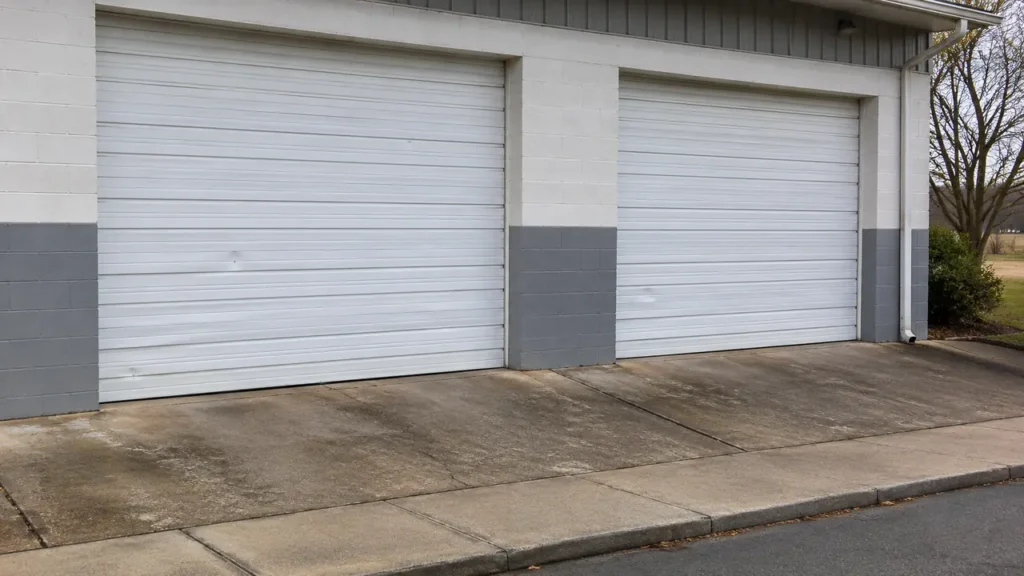
A photograph taken through an open service door can blur the boundary between outside pavement and the shop floor. Mark where the requested exterior area ends. Provide a view with the door closed if practical and a wider picture locating the apron relative to the drive. The request should not silently include bay interiors, lifts, compressed-air equipment or other operational components.
Describe the actual condition of the outside pavement and any known restrictions. If a concern involves an unusual deposit, contamination or material requiring specialist handling, identify that concern for review rather than assuming ordinary exterior washing covers it. No universal promise about removing every stain is appropriate from a photograph. The business needs to explain how the outside area can be made available without active vehicle movements through the proposed work space. Vehicle handling and the operation of service bays remain under the tire store’s control, separate from washing agreed building and pavement surfaces.
Separate signs, doors and operational equipment
Service doors, advertising panels and utility fittings may occupy much of the elevation. Include them in overview photographs so their relationship to the wall is understood. Then name the building surfaces requested for washing. The presence of a door motor, sign or meter in a picture does not make that equipment part of the cleaning scope. Known damage or water-entry concerns should be disclosed before work is considered.
Ask the operator or property contact to clarify control of signs and attached structures when needed. A branded fascia may be subject to different maintenance arrangements from the wall below it. Avoid assuming that exterior washing includes dismantling signs, servicing doors or protecting an already damaged fitting through an unspecified method. The useful starting point is a defined building boundary, current photographs and clear information about restrictions. Repairs or specialist equipment work can then remain with the appropriate provider while the suitable exterior surface request is reviewed on its own terms.
Explain tire deliveries and temporary storage
A delivery can occupy the same outside area that appears clear in an estimate photograph. Tell the access contact about expected receipts and show any normal temporary storage beside the building. Tires, packaging and display racks should not be treated as washing targets merely because they stand near a wall. The business should identify who can make the requested surface available and what cannot be moved.
Do not assume that a washing crew will handle stock, shift display stacks or relocate vehicles. Those arrangements need to be made by the operator before access is agreed. If a wall remains obstructed, photograph that actual condition and state the restriction. A proposal can separate available surfaces from areas still needing preparation rather than depending on a promise that everything will somehow be clear on arrival. This is especially useful where the forecourt changes during the day: the building may be constant, but the space beside it can have different operational uses.
Have the property photos?
Let’s define the next step.
Send the address, requested surfaces and the contact who can confirm access.
Plan a real work window
Opening hours alone do not explain when the forecourt is available. Staff may arrive before the public office opens, booked vehicles may be left early and collections can continue near closing. Describe the pattern relevant to the surfaces you want washed without sharing customer details. Identify a person who can confirm an appropriate arrangement for the outside area.
If the store cannot make a bay apron available independently from the customer route, explain that limitation. Do not describe two areas as separate phases if normal operations require vehicles to cross both. The operator must decide what business arrangement is workable before scheduling depends on it. CoKo’s can review the defined exterior request against those facts, but a page cannot promise uninterrupted service activity for every property layout. Clear access information makes the estimate more practical and helps distinguish an available office-frontage scope from a larger apron request that still has unresolved operating constraints.
Clarify property authority and neighboring access
A tire store may lease its building while sharing a driveway or parking area with other businesses. Identify who controls the roof, walls, apron and common drive. Include a wider photograph showing adjacent entrances and the connection to the road. Permission to maintain the inside of a unit does not automatically authorize washing an entire shared forecourt or neighboring elevation.
Where the boundary is uncertain, ask the property contact to confirm it rather than guessing from pavement markings. A small frontage request can remain separate from a broader property project until the appropriate approval is available. Also explain any neighboring deliveries or customer route that intersects the requested area. The estimate needs the actual constraint relevant to washing, not an assumption that every business can close or redirect traffic. Recognizable boundaries and named authority are useful even when the visible concern is only a modest patch of buildup beside the office entrance.
Send photographs that support a clear proposal
Start with the address and the person coordinating the request. Add a full property view, the public office approach, each requested wall and the outside apron if included. Mark the boundary at service doors and list any roof section separately. Close photographs of the concerns are useful when paired with a view showing where they occur.
Explain the operating restrictions, expected stock deliveries and who will arrange preparation of the area. Distinguish current priorities from optional additions and disclose known material damage. Text photographs first when convenient, or use the commercial project-details route to organize the scope notes together. CoKo’s can use that information to review suitable building and outdoor hard-surface washing and identify remaining questions. The goal is an estimate for an agreed exterior area with realistic access and expectations. It does not include vehicle washing, stock handling, mechanical work or an automatic promise to restore every stained or damaged surface to a new condition.
A practical start.
Three useful steps.
Show the surfaces
Send wide photos and close views. Label the buildings and the areas that matter now.
Set the boundaries
Explain materials, access, preparation and the work window your property can support.
Review the scope
Confirm included surfaces, responsibilities and the next step before scheduling.
Tire Store Building Exterior Washing.
Your questions, answered.
Your next exterior project.
Start with a clearer scope.
Text your address and the priority exterior photos. For a larger project, send the full property details.
Send your address. Show us what needs cleaning.
Text your address, a wide photo and a close-up of the buildup. We’ll review the surfaces and discuss your cleaning options.
Text photos for an estimate Start an online quoteCoKo’s Pressure Washing · (504) 296-9696