
Commercial exteriors · Greater New Orleans
Shipping and Parcel Storefront Exterior Washing.
Define the storefront without handling shipments.
Text clear property photographs, the requested surfaces and available access window. Let’s define the exterior washing scope.
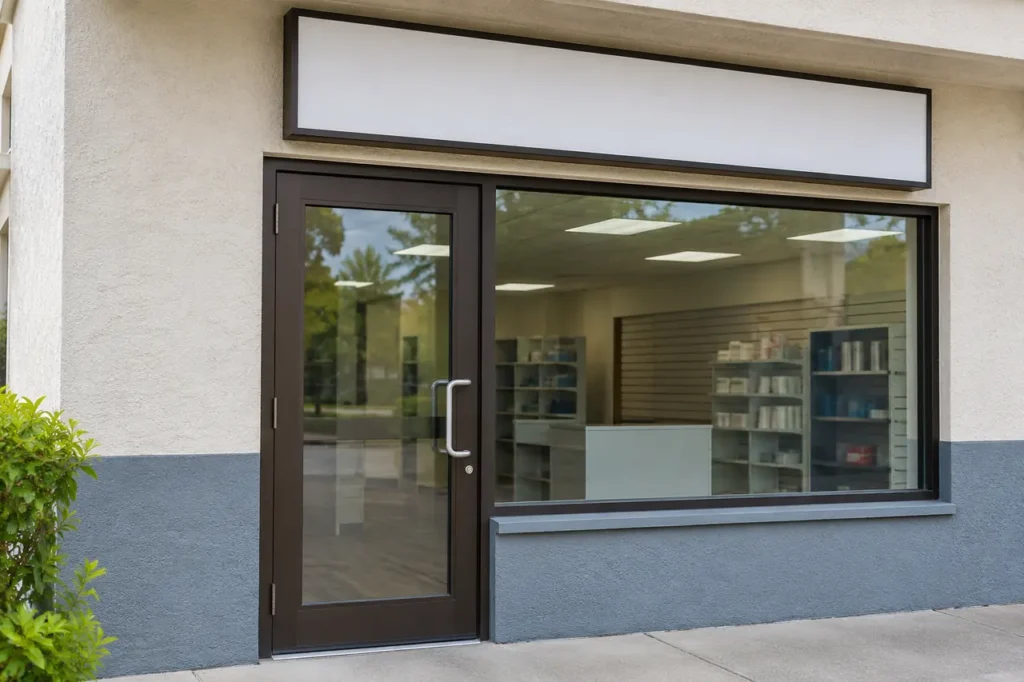
Your property. Your priorities. A clearly defined scope.
Connect the requested storefront to the correct building
A parcel-shipping storefront needs an exterior request that respects both the retail frontage and the movement of customers’ items. The building owner may control the roof while the tenant coordinates the counter entrance and carrier visits. CoKo’s reviews suitable outside surfaces around Greater New Orleans and the Westbank, keeping the washing request separate from shipping services. This guide concerns the physical storefront, its identified exterior components and the approach the property can make available.
Provide an overall image that shows the retail unit and its position within the property. A shipping shop may occupy a standalone building, an end unit or a narrow frontage between other tenants. Name the actual outside areas you want reviewed instead of treating the business name as a description of the building. Include the address and a unit reference where one exists, so the request can be matched to the correct roof and wall arrangement.
Explain who controls those exterior components. A tenant may be able to coordinate the entrance area while the landlord makes decisions about upper walls, the roof or shared paving. Identify which approvals are already confirmed and which remain open. A cleaning estimate should not assume that every surface visible beside a shop belongs to that business. If you are assembling information for the owner, distinguish that role from an approval to schedule work across the entire retail property.
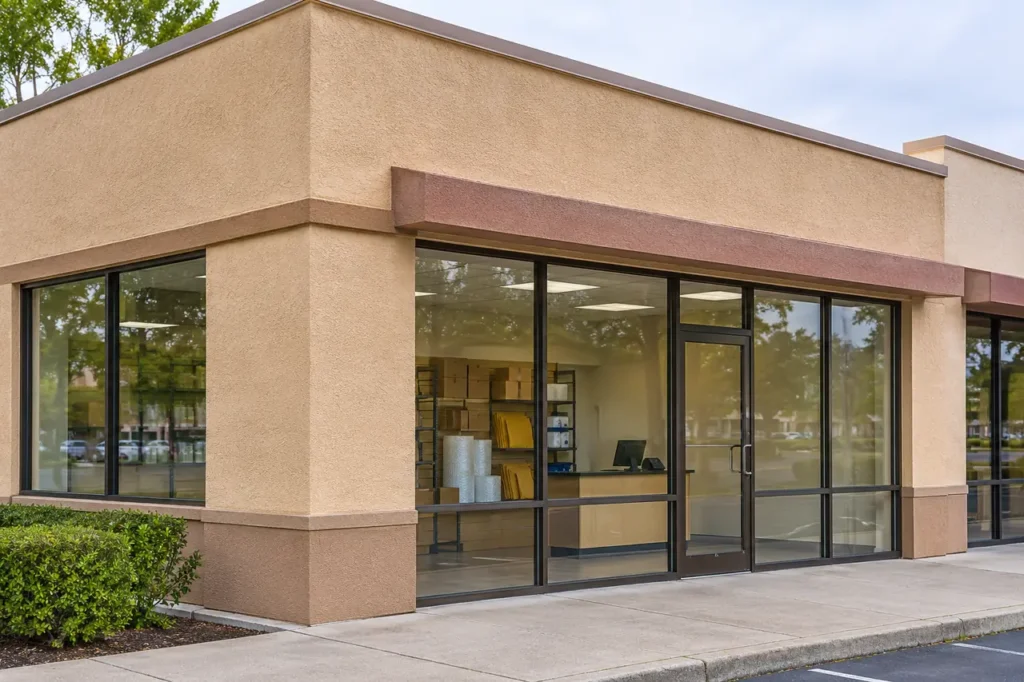
Define the entrance around customers carrying parcels
Show the door, its immediate landing and the route connecting it to parking or a shared sidewalk. This is an approach used by people whose hands may be occupied, so its location and availability deserve a specific discussion. Identify any exterior steps, narrow turn or shared passage visible in the photo set. Describe the actual route rather than assuming that the whole shopping strip can be treated as an unused work area.
State which entrance the operator needs available during the proposed window and whether there is another authorized approach. CoKo’s should not be expected to decide how customers enter the business from photographs alone. Ask what preparation and access arrangements must be agreed before scheduling. An inquiry about washing the storefront is not an agreement to direct shoppers, move their items or manage carrier traffic. Those operating decisions should remain with the property representative who can confirm the arrangements that are actually available.
Keep mailboxes, labels and stored items outside the request
Photographs should describe the exterior surfaces without revealing customers’ parcel labels, mailbox contents or transaction information. If an entrance view looks into the shop, choose an angle that still shows the outside frame and wall while avoiding identifiable customer material. No shipment tracking code or private customer record is needed to discuss washing a facade. The useful information is the building’s condition and access, not the contents being handled inside.
A surface-washing request does not include opening mail compartments, handling parcels, operating customer lockers or cleaning a shipping counter. Identify an exterior locker or collection fixture if it affects access, but do not assume its equipment or compartments are included. If supplies or temporary displays occupy the approach, explain who will relocate them. Keep that preparation separate from the washing proposal so responsibility for customers’ property is not silently transferred to an exterior-cleaning visit.
Describe glass, frames and wall finishes independently
Send a closer exterior view of the entrance frame, surrounding wall and any lower panels. State which of those surfaces concern you. A glazed storefront may also have painted trim, coated masonry, metal framing and applied window graphics. Similar positions on the same elevation do not make them the same material. Point out loose finishes, existing damage or known water entry before discussing what washing might reasonably improve.
Exterior wall washing is not automatically a detailed window-cleaning or glass-restoration service. Name any requested glass work separately for review, and distinguish it from the frame and adjacent wall. Signs, adhesives and printed films should not be assumed suitable for the treatment proposed for masonry. CoKo’s can review the particular surfaces shown, with limitations kept explicit. A written scope should not imply that scratched glazing, failed seals, faded graphics or damaged coatings will be restored simply because the frontage is being cleaned.
Trace the roof and sign band to their owner
A small storefront can sit beneath a roof that continues across many neighboring units. Supply a wider view showing the relationship between the requested frontage, overhead sign band and roof edge. Explain whether the inquiry concerns your unit’s visible wall area, a defined roof section or an owner-approved larger project. A narrow tenant entrance should not become an undefined request for the entire building roof.
If available, provide the owner’s material information and identify recent repairs without attempting to inspect an upper surface yourself. Use ground-level photographs and note what cannot be seen. Mounted signs, exterior lights and related electrical equipment are not assumed to be removed or serviced. Washing does not repair roof leaks or change sign installations. Where the ownership or extent of an overhead area is uncertain, keep that item pending rather than allowing a broad phrase such as the shop exterior to settle an unresolved responsibility question.
Have the property photos?
Let’s define the next step.
Send the address, requested surfaces and the contact who can confirm access.
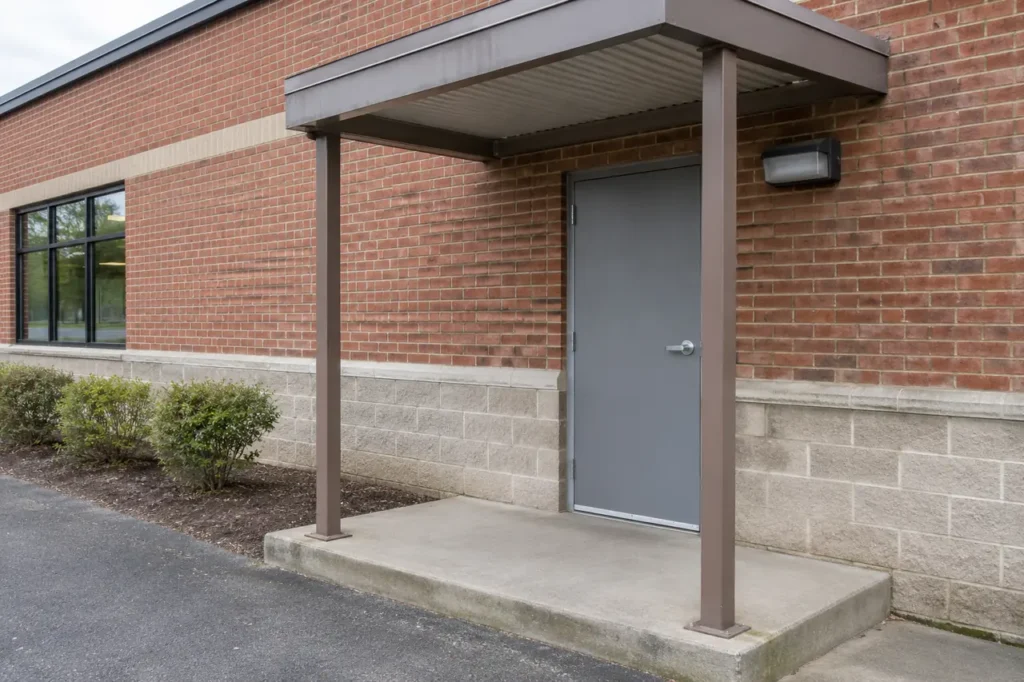
Show the carrier and staff approach separately
A rear or side service entrance may have a different purpose from the public storefront. Photograph that elevation and the route to it if you want it considered. Indicate whether carriers use the same entrance as customers or another outside location. Do not include customer names, schedules tied to private shipments or package documentation. A general description of the operating window is enough to begin discussing access to the proposed exterior area.
Identify what must remain clear and who can make the service-side area available. An estimate based on an empty landing does not establish that the space will be empty when a visit is proposed. Exterior cleaning does not include sorting, storing or moving shipments. Nor does a request for the customer-facing wall automatically include a back door and every delivery-side surface. Separating those locations makes the scope easier to review with both the tenant handling daily operations and the owner controlling building maintenance.
Coordinate one unit without assuming control of its neighbors
For a leased frontage, identify the neighboring doors and shared passages that could affect the proposed work area. The relevant point is not the identity of adjacent businesses but the physical relationship between the requested surface and the approaches around it. A photograph spanning more than one unit should mark where your request begins and ends. Ask the property contact to clarify any common area that remains uncertain.
If the landlord wants several storefronts considered together, group the photographs by unit or elevation and name the approving contact. Do not substitute one tenant’s permission for every business in the row. Each location may have different opening arrangements, finishes or preparation needs. CoKo’s can review a coordinated request without assuming that all units require the same work. Changes to the proposed area should be discussed before a schedule is confirmed, particularly when an added surface brings another entrance or operating responsibility into the plan.
Request a defined exterior result rather than a business reset
Explain which visible condition prompted the inquiry and pair that concern with a location photograph. Dirt on a lower wall, an overhead roof concern and a neglected-looking approach are different questions. A close image alone may not identify the surface or the extent of work. Let the property information guide the discussion rather than choosing pressure, heat or a treatment product before the materials have been reviewed.
Text CoKo’s the address, unit reference, requested outside surfaces and the contact coordinating access, or send a larger scope through the commercial project form. Ask the proposal to distinguish tenant frontage, owner-controlled roof and any separately included service approach. Cleaning the building exterior does not renovate the shop, restore every finish or perform a shipping operation. The useful next step is a clear review of the property conditions, the actual approvals and the outside area that can reasonably be made available for washing.
A practical start.
Three useful steps.
Show the surfaces
Send wide photos and close views. Label the buildings and the areas that matter now.
Set the boundaries
Explain materials, access, preparation and the work window your property can support.
Review the scope
Confirm included surfaces, responsibilities and the next step before scheduling.
Shipping and Parcel Storefront Exterior Washing.
Your questions, answered.
Your next exterior project.
Start with a clearer scope.
Text your address and the priority exterior photos. For a larger project, send the full property details.
Send your address. Show us what needs cleaning.
Text your address, a wide photo and a close-up of the buildup. We’ll review the surfaces and discuss your cleaning options.
Text photos for an estimate Start an online quoteCoKo’s Pressure Washing · (504) 296-9696

