
Commercial exteriors · Greater New Orleans
Park restroom exterior washing.
The outside surfaces. The visitors. A clear handover.
Text empty exterior views, marked surfaces and the park contact. Let’s define the outside building scope.
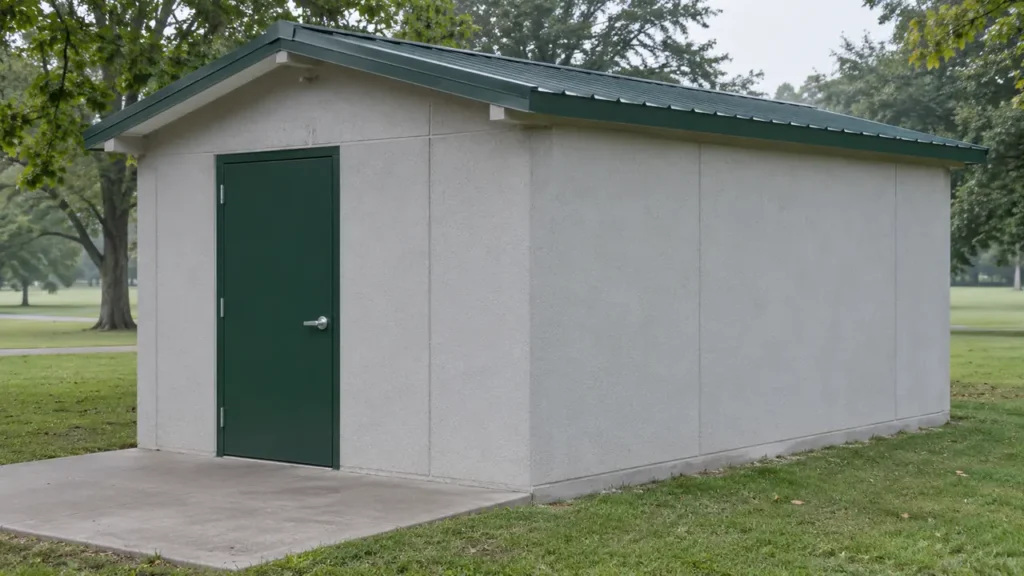
Your property. Your priorities. A clearly defined scope.
Identify the permanent building and each requested exterior face
CoKo’s reviews park restroom building exterior-washing requests in Greater New Orleans and the Westbank. The outside walls, entrance landings and paths around a permanent restroom building are a distinct maintenance task from cleaning the rooms inside. Start with a clear exterior surface list and the park contact who can arrange access.
This request does not include toilet or fixture sanitation, interior custodial service, plumbing, hazardous-waste cleanup or a public-health certification. Photographs should show an empty exterior work area without capturing restroom users. The aim is a practical building-washing scope that respects the facility’s privacy, operating arrangements and existing materials.
Send a wide view of the building from a public outdoor position, along with separate photographs of the entrance faces and the side or rear walls requested. Include corners and the surrounding ground. A photograph of one doorway does not establish whether the request covers the full structure or only a stained frontage.
Distinguish a permanent restroom building from portable toilets, rented event facilities or another operator’s equipment. Those assets may have different owners and service arrangements. Washing the fixed building’s exterior should not imply responsibility for every sanitation asset in the park.
If the restroom shares a structure with storage, a concession or another facility, mark the divisions. Identify which doors belong to the requested exterior area and who controls each portion. A simple building map gives the proposal a useful boundary without requiring private interior photographs or sensitive information about facility users.
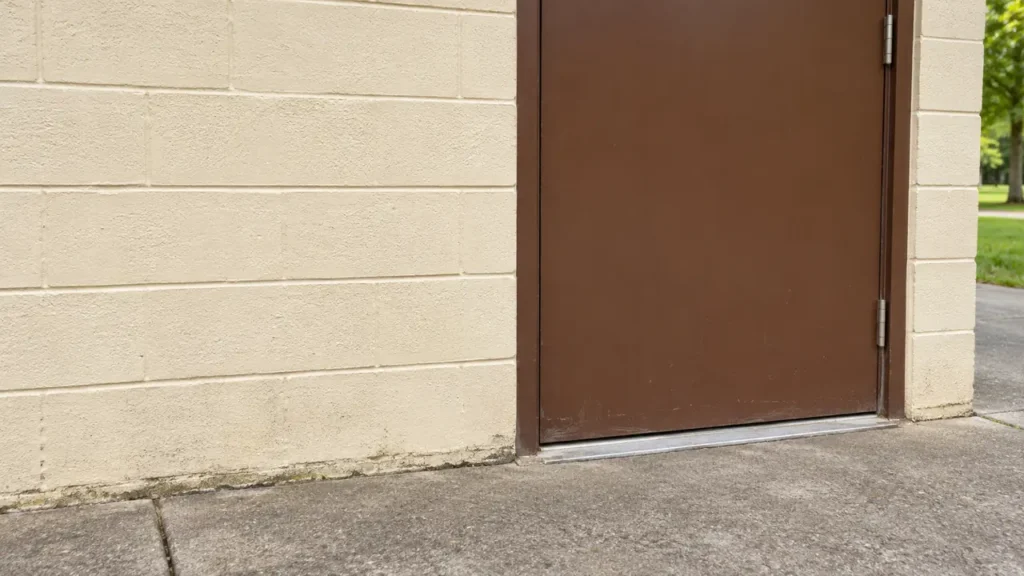
Record exterior materials and existing finish changes
Park buildings can have masonry, coated concrete panels, siding, painted trim or a combination of materials. Photograph representative surfaces and provide the building or coating manufacturer’s maintenance instructions when available. A decorative finish may resemble another material while requiring its own care restrictions.
Tell CoKo’s about recent painting, patched walls, replacement panels and earlier cleaning attempts. These can affect what a reasonable appearance improvement looks like. Mark peeling edges, faded areas and known damage instead of treating every uneven patch as removable dirt that needs a stronger wash.
The proposed approach should be reviewed against the actual finish and condition. Washing does not repair a coating or make different repair generations match. If another contractor is planning paint or building repairs, share their preparation requirements and keep responsibility for that work separate from the exterior-washing proposal.
Arrange a privacy-conscious closure and handover
The park operator should decide how the affected restroom entrances and surrounding area will be managed during the proposed work. The cleaning inquiry should not assume that a building is unoccupied because the exterior looks quiet. Identify the staff member who can confirm readiness and maintain the agreed boundary.
Provide photographs when the outside area is empty, without photographing users, looking through open doors or entering restricted spaces for an estimate. If additional views are needed, the responsible park contact can arrange an appropriate opportunity. An exterior-washing request does not require images of stalls, changing areas or people using the facility.
Clarify who will handle closure notices, visitor questions and any alternative facility information. Those operating decisions belong with the park. CoKo’s can review the proposed surface task and access window without taking responsibility for deciding which restroom services the public can use during maintenance.
Where several entrances share one landing, explain whether closing one doorway would also block the route to another. A seasonal closure can also change who holds the keys and which park staff can release the exterior area. Include the responsible custodial team in the operator’s coordination so routine servicing and the proposed outside washing do not rely on contradictory access instructions. These arrangements should be confirmed by the facility rather than inferred from a quiet estimate photograph.
Treat doors, vents and attached fixtures as boundaries
Show the closed doors, window frames, ventilation openings and exterior wall penetrations in the building photographs. Disclose known water entry, damaged seals or loose trim. Washing the wall does not repair an opening or establish that a door or vent assembly can tolerate the proposed treatment.
Exterior lights, cameras, access controls and electrical boxes should be identified without opening or disconnecting them. The owner and responsible providers must communicate restrictions and preparation needs. Their presence on an outdoor wall does not make equipment servicing part of an ordinary building wash.
Drinking fountains, bottle fillers and other public-use fixtures may be located close to the requested wall. Mark them separately. This scope does not automatically include their sanitation, plumbing or maintenance. The proposal should distinguish the surfaces being washed from attached components that need their own responsible provider and operating arrangements.
Map entrance landings and the route visitors use
Photograph the approach from the park path to each requested entrance. Include changes in level, ramps, steps, handrails and adjoining surfaces. Identify the paved area wanted for washing rather than assuming the entire surrounding path network is included with the building.
The approach may be shared by pedestrians, cyclists, maintenance vehicles or visitors heading to another park feature. Tell CoKo’s which routes the operator can release and which must remain available. A maintenance boundary needs to reflect actual park movement instead of only the width of the restroom frontage.
Describe specific buildup, surface coatings and existing pavement repairs in the photographs. Washing does not correct a broken landing, repair a ramp or certify accessibility or slip performance. Those questions remain separate. The proposed scope should preserve the park’s access arrangements while naming any damaged or unsuitable areas that need another decision first.
Have the property photos?
Let’s define the next step.
Send the address, requested surfaces and the contact who can confirm access.
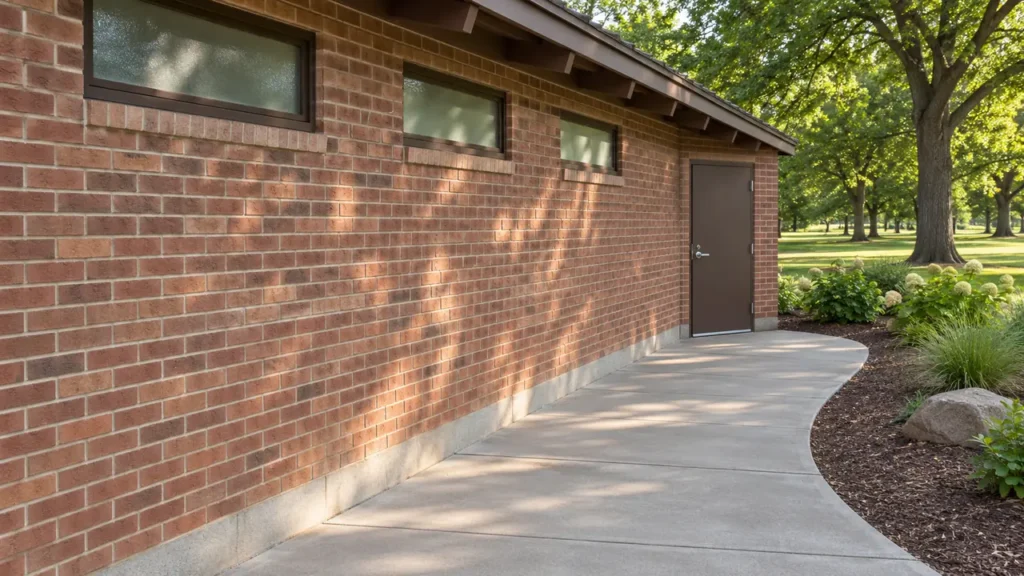
Keep ordinary exterior washing separate from unusual waste
Show the general condition of the requested walls and pavement from a safe position. If the site has unusual contamination, discarded sharp objects or another condition requiring special handling, tell the responsible park staff before the washing request is treated as ordinary surface work.
This proposal should not be used to hide an unreviewed cleanup problem inside a general building-wash description. Hazardous-waste removal, sewage incidents, pest treatment and specialist remediation are different tasks. The operator should arrange appropriate assessment or cleanup where needed before releasing an area for the proposed exterior maintenance.
Likewise, graffiti removal and specialty stain work need explicit review against the material and finish. An ordinary washing scope does not promise that every mark will disappear or that the building will meet an inspection standard afterward. Describe the actual appearance concern so the proposal can state realistic boundaries and exclusions.
Show landscape edges, service access and water arrangements
Photograph planting beds, tree cover, the building base and the route a maintenance provider would use to approach the work. Include locked gates and restrictions on vehicles or equipment. The park contact should explain who can authorize access and whether setup must remain on designated surfaces.
Identify the water connection the facility can approve and provide applicable maintenance procedures. Show visible drains, low areas and existing pooling outside the building. A nearby grate, planting bed or open field does not by itself establish an appropriate wash-water destination.
Specialized collection, drain clearing and repairs to an existing leak are not presumed included. If the proposed work is close to a pond, drainage feature or restricted landscaped area, show that relationship and explain the park’s requirements. This remains a land-based building-surface request, not an implied promise of work in water or environmental remediation.
Tie the work window to the park’s actual operation
Provide the available maintenance window, scheduled events, gate hours and the contact who can confirm access. A restroom may be used by several park activities whose schedules differ from a single field’s booking. The operator should consider those connections when identifying a workable closure and release plan.
Send the address, building map, marked surfaces, finish records, condition photographs and preparation responsibilities together. Explain whether the priority is one entrance landing, a specific exterior wall or the complete reviewed building exterior. Keep interior janitorial tasks and other park assets as separate items.
Review the written proposal for included surfaces, exclusions, access assumptions and reasonable appearance limits. Retain the accepted exterior photographs and scope for later maintenance requests. Future decisions can then follow actual condition changes and park priorities without a universal repeat interval or an unsupported promise about sanitation, health outcomes or the building’s structural condition.
A practical start.
Three useful steps.
Show the surfaces
Send wide photos and close views. Label the buildings and the areas that matter now.
Set the boundaries
Explain materials, access, preparation and the work window your property can support.
Review the scope
Confirm included surfaces, responsibilities and the next step before scheduling.
Park Restroom Building Exterior Washing.
Your questions, answered.
Your next exterior project.
Start with a clearer scope.
Text your address and the priority exterior photos. For a larger project, send the full property details.
Send your address. Show us what needs cleaning.
Text your address, a wide photo and a close-up of the buildup. We’ll review the surfaces and discuss your cleaning options.
Text photos for an estimate Start an online quoteCoKo’s Pressure Washing · (504) 296-9696