
Commercial exteriors · Greater New Orleans
Indoor Play Center washing.
A better arrival starts outside.
Text the building address and priority exterior photos. We’ll review roof and wall materials, walking surfaces and the access your property can provide.
Your property. Your priorities. A clearly defined scope.
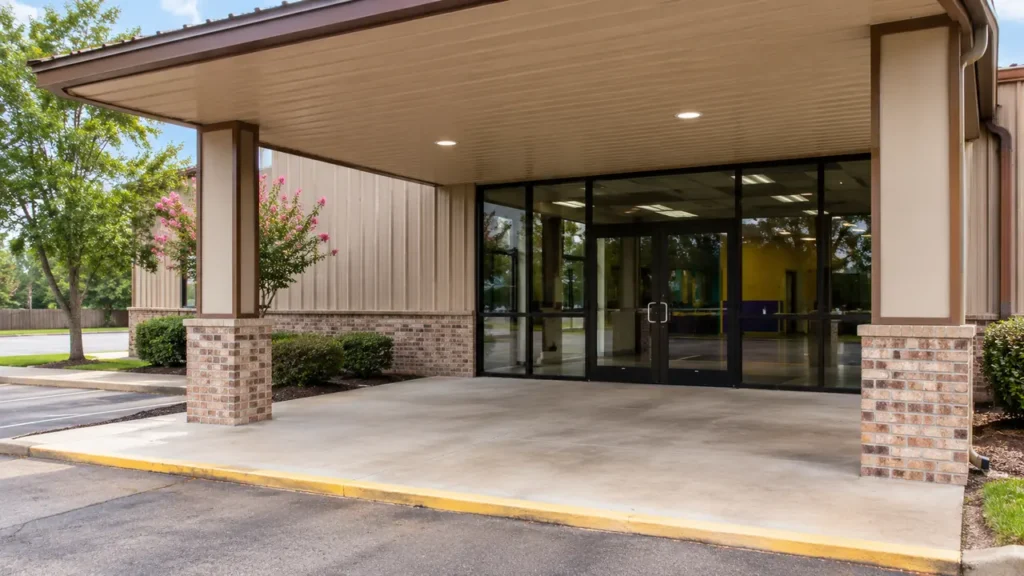
Show the entrance and the actual tenant frontage
An indoor play center can have an ordinary commercial exterior while supporting a busy pattern of family arrivals. Strollers, group bookings and visitors waiting near reception can all affect the outside approach the business wants improved. CoKo’s indoor play center exterior washing focuses on the building roof, walls and clearly defined outdoor surfaces under review. In Greater New Orleans and the Westbank, start with the address, current photos and the person authorized to confirm the request. A reception-frontage improvement can be discussed separately from a larger roof-and-building project. Show how customers reach the doorway and identify the property areas you control. The attraction’s indoor equipment and play surfaces are different from a general exterior washing scope. A clear first priority and a realistic operating window help make the next discussion useful without treating the whole address as one undivided work area.
Photograph the public doorway from the parking or walking approach families use. Include the canopy and landing if they are requested. If the play center occupies only part of a larger commercial building, explain the boundary of its frontage. A wide image can provide context, while closer wall and doorway photographs show the surfaces being considered rather than the size of the whole retail development.
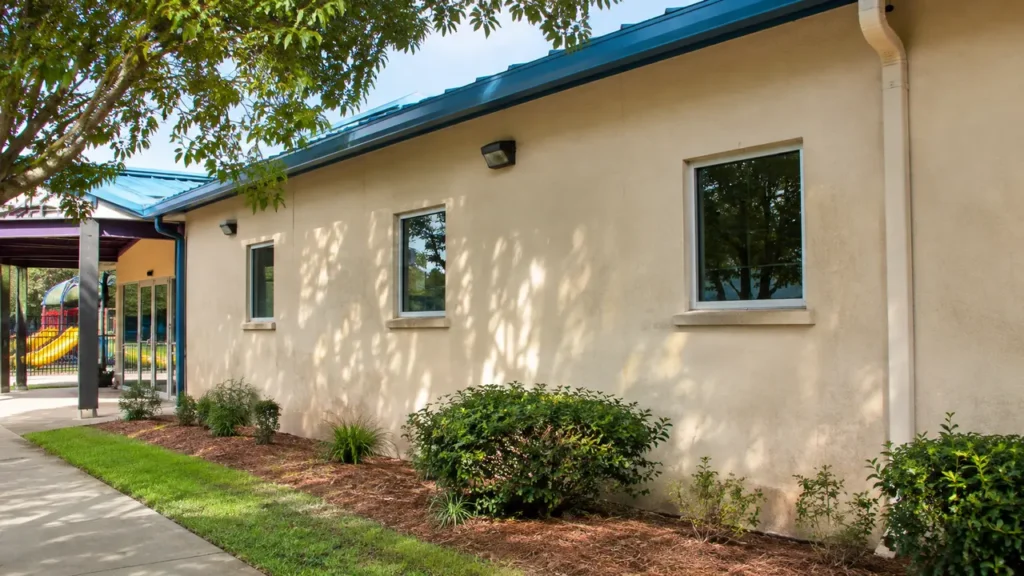
Identify changes between masonry, siding, coated metal, painted trim and glazing. Show known damaged coatings or previous repairs in the close views. Explain who controls the building roof and shared walking areas. The tenant may coordinate the public entrance while a landlord approves other elevations. Naming those responsibilities early helps distinguish a focused arrival-area project from a wider property-maintenance request.
Review roofs and lower entrance covers independently
A lower canopy over the doorway may be a different material from the main building roof. Show the requested rooflines from the ground and identify the coverings where known. Include additions or transitions only when they belong in the request. If one section is the priority, label it clearly instead of leaving a broad property photograph to imply that every visible roof area should be priced.
Provide available roof or coating records and mention leaks or repairs already known to the property contact. Washing should remain separate from resolving those conditions. Roof and wall surfaces also need their own material discussion rather than an assumption that a concrete-landing approach belongs on every part of the building. Explain the ordinary access available around the requested elevations before a method or work window is agreed.
Follow the family arrival route to reception
Show where customers move from parking to the entrance and where people may gather before a booking. The requested walking surface should have named endpoints and a clear relationship to the doorway landing. If a route can remain available while another section is being worked on, the property should confirm that arrangement. A quiet photograph does not establish how the same entrance is used during a busy arrival period.
Identify the paving materials separately and include close views of finish changes. Concrete, pavers and coated landings may meet within a short approach. Existing uneven areas, loose joints or worn coatings should be reported as condition concerns rather than assumed washing outcomes. Indoor play equipment, activity surfaces and party-room cleaning remain separate requests. Keeping those boundaries clear helps the exterior project stay connected to appropriate property surfaces.
Use the booking calendar to identify real availability
Public opening times may not include staff setup, early group arrivals or deliveries. Explain the periods affecting the actual surfaces requested. A side-wall elevation may have a different available window from the reception landing. If party bookings or other events alter the normal pattern, provide the practical periods management can support rather than assuming the outside area is empty whenever the business is not advertising an open session.
Choose the coordinating contact who can confirm the phase and arrange preparation. Explain any alternative public entrance the property can make available and who will communicate the arrangement to staff. Private family or booking details are unnecessary for an exterior quote. The useful information concerns the buildings, surfaces and access windows. Agree how readiness and schedule changes will be confirmed before the proposed phase begins.
Prepare the outside area through an agreed item list
Photograph portable signs, mats, bins, benches and other movable items beside the requested walls or landing. Decide who will relocate them and where they can wait outside the remaining customer route. Moving everything onto a neighboring entrance can create another problem. A short preparation list tied to actual locations is easier to coordinate than a general instruction to clear the whole play center frontage.
Include fixed lights, signs and visible exterior fixtures in the material views. Point out known damaged finishes or previous repairs. Show the offered water connection and ordinary access to the building so the setup review reflects the property. Preparation should not assume the washing contractor will handle toys, activity equipment or internal storage. Those items remain under the business’s arrangements unless a separate scope has been explicitly discussed and accepted.
Have the property photos?
Let’s define the next step.
Send the address, requested surfaces and the contact who can confirm access.
Give the covered landing a useful material description
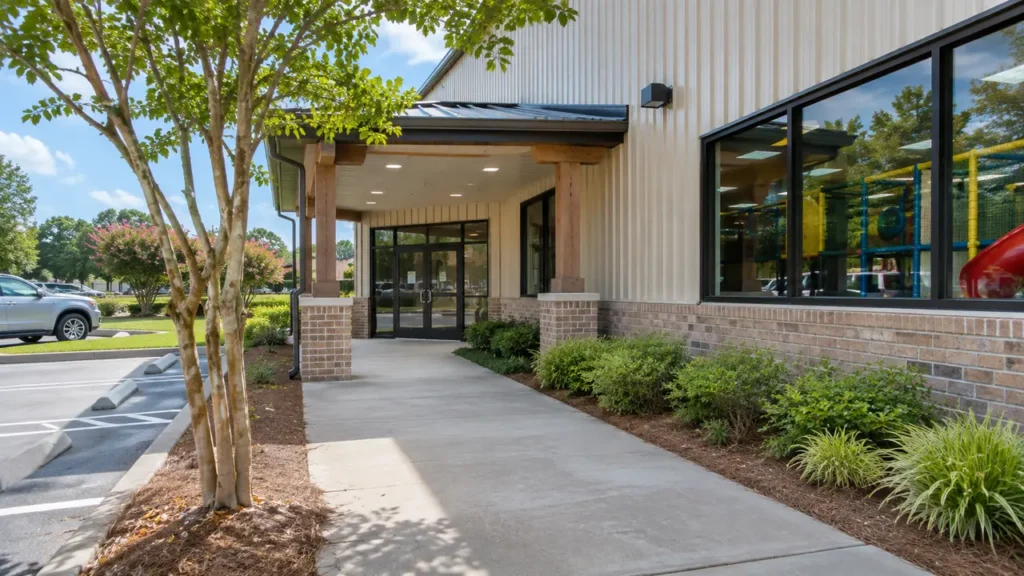
A covered entrance may include more than paving: columns, wall edges, trim and a canopy underside can all appear in the same photograph. Identify which of those surfaces are requested. Show the landing from both directions and explain where it meets the next path or shared commercial walkway. That gives the proposal a clearer boundary than a general reference to washing everything around reception.
Photograph existing wear, repaired joints and uneven areas separately from visible dirt or growth. Washing is not a repair for those conditions. Explain when movable seating or signs can be cleared and whether another approach must stay available. If additional paths are later priorities, list them as options. Management can then compare a focused entrance improvement with a broader building project without leaving the first phase’s endpoints uncertain.
Read the proposal by included property areas
Check that the scope names the requested roof sections, wall elevations and outside approaches. Confirm whether the canopy and any underside or support surfaces are included. If another property representative controls an area, keep the approval question visible. A surface awaiting material information or a closer look should not be treated as accepted work simply because it appeared in the initial photo set.
One practical first request could cover the play center’s public frontage and doorway landing, with the building roof reviewed separately by the owner. Label that difference when sending the overview. The proposal can then follow the area management wants priced now instead of the whole commercial property footprint. Roof repair, coating renewal, paving defects and indoor attraction maintenance remain separate objectives, even when the business is coordinating several improvements.
An indoor play center might request the entrance cover and a short customer landing first, with its side wall considered separately. Management could bring portable entrance items indoors and arrange arrivals at another suitable door during the proposed phase. This is a hypothetical planning example rather than a completed CoKo’s project. It illustrates how a small exterior priority can have clear boundaries without becoming a promise to clean play equipment, interior activity spaces or every paved surface surrounding the business. The actual property arrangement still needs review.
Send current exterior photos and the first priority
Text CoKo’s the address, priority building photographs and the contact authorized to confirm access. Explain whether the immediate request concerns the entrance, a roof section or selected walls. Add known material information and the periods when those areas can be made available. A brief first message can begin the discussion without private customer records or an exact measurement of every surface on the property.
For a wider request, label the elevations and show the boundary with neighboring tenants or shared approaches. Ground-level roof views and closer finish photos can supplement the broad frontage image. CoKo’s can discuss suitable roof washing, exterior soft washing and hard-surface washing around those details. The next step should make the requested work and preparation responsibilities understandable before a written proposal and practical date are agreed.
A practical start.
Three useful steps.
Show the surfaces
Send wide photos and close views. Label the buildings and the areas that matter now.
Set the boundaries
Explain materials, access, preparation and the work window your property can support.
Review the scope
Confirm included surfaces, responsibilities and the next step before scheduling.
Indoor Play Center Exterior Washing.
Your questions, answered.
Your next exterior project.
Start with a clearer scope.
Text your address and the priority exterior photos. For a larger project, send the full property details.
Send your address. Show us what needs cleaning.
Text your address, a wide photo and a close-up of the buildup. We’ll review the surfaces and discuss your cleaning options.
Text photos for an estimate Start an online quoteCoKo’s Pressure Washing · (504) 296-9696

