
Commercial exteriors · Greater New Orleans
Commissary Building Exterior Washing.
Separate the building exterior from food operations.
Text clear property photographs, the requested surfaces and available access window. Let’s define the exterior washing scope.
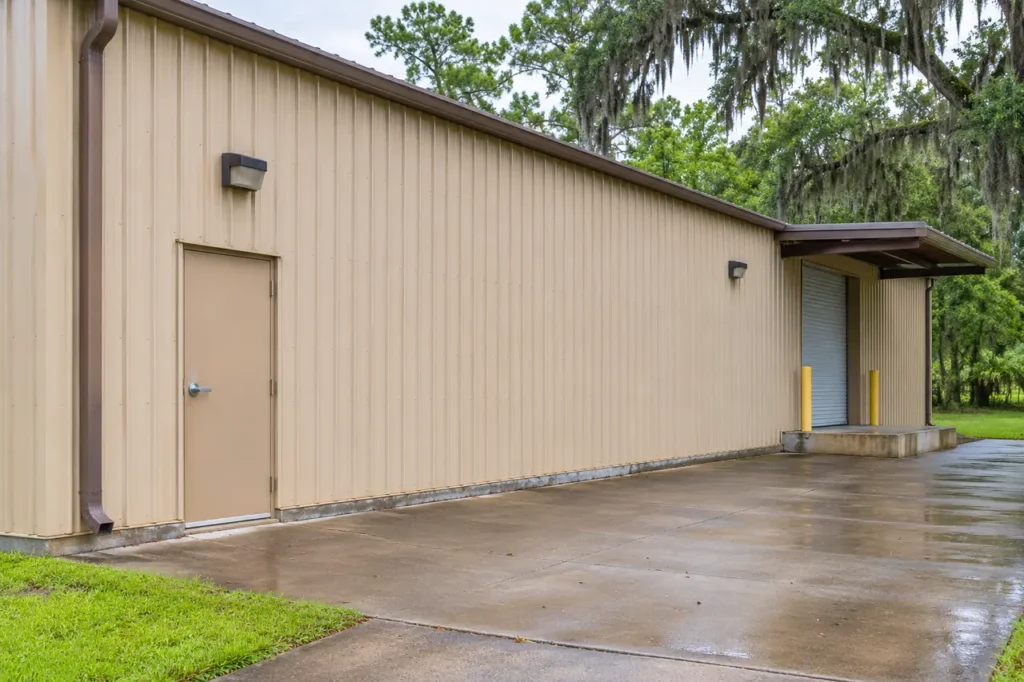
Your property. Your priorities. A clearly defined scope.
Identify the shared facility rather than individual food businesses
An exterior request for a shared kitchen or food-truck commissary should describe the building surfaces, not imply a kitchen-sanitation service. Roofs, outside walls and identified arrival areas can be reviewed independently of food preparation and vehicle servicing. CoKo’s considers suitable facility exterior washing around Greater New Orleans and the Westbank from the actual property conditions. This guide helps an operator organize that request while keeping food-handling systems and other specialist work outside an ordinary building-washing proposal.
Begin with the fixed building’s address and a photograph connecting its entrances to the surrounding site. Explain whether the request comes from the property owner, the facility operator or an individual tenant. A tenant’s use of a kitchen does not by itself describe who can approve work on the whole exterior. Identify the person who can confirm the requested building faces and the access arrangements for shared parts of the property.
Louisiana Department of Health materials describe a commissary as a permitted base serving food operations. That context is a reason to be precise about the work being requested, not a claim that ordinary exterior washing satisfies food-service requirements. List the roof or walls you want reviewed separately from the activities happening inside. CoKo’s is not offering to inspect permits, certify a kitchen or approve a facility’s operating arrangements through this exterior-washing guide. Organizational details should help define responsibility without turning the quote request into a review of private tenant records.
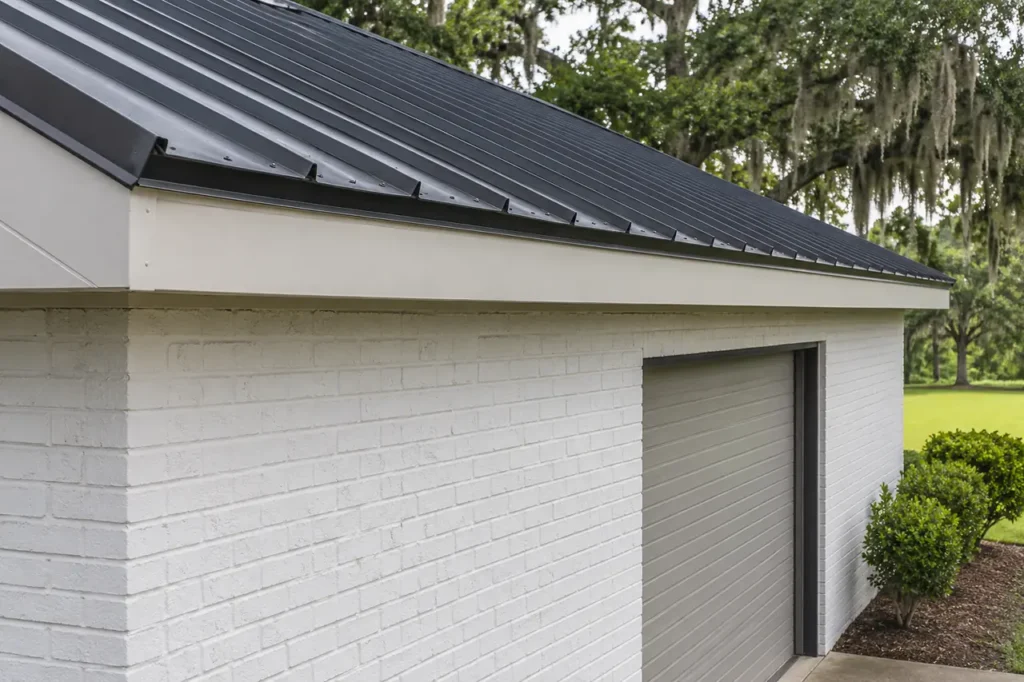
Divide the building into roof and wall elevations
Supply an overall view and accessible views of the building’s different sides. Note whether a roof concern is above the main kitchen building, an entrance addition or a separate covered area. A photograph of one side may not establish the extent or material of the rest. If the owner has roof or wall product information, identify what is available without guessing at the assembly from its appearance.
For walls, distinguish coated block, brick, metal panels and other finishes actually present. Point out older repairs, loose finishes or openings known to leak. Exterior washing does not correct those conditions. A material-specific review can determine whether more information or an on-site look is needed before a method or expected result is discussed. Ask the proposed scope to name its included elevations. This keeps a request for one weathered wall from being mistaken for washing every roof section and exterior feature associated with the shared operation.
Keep food handling and servicing systems outside the request
Show where food deliveries and vehicle servicing relate to the proposed building surfaces, but do not combine those operations with wall washing. Identify fixed connections or equipment nearby so their responsible operator can discuss necessary preparation. The purpose of the photographs is to show the relationship between the requested surface and its surroundings, not to authorize work on systems that were never described in the inquiry.
This exterior scope does not include kitchen interiors, hood or exhaust-system cleaning, food-contact sanitation, tank flushing or food-truck servicing. Heated washing, where considered for a suitable exterior surface, should not be described as sterilizing the facility or making it inspection-ready. If a particular deposit may involve an unusual material, explain what is actually known about it. An unidentified residue needs review rather than an assumption that it is ordinary dirt. Specialist or process-related questions remain separate from the building-surface proposal.
Describe receiving doors while the operating boundary is clear
Photograph receiving openings and adjacent exterior walls with the doors closed. Indicate the part of the landing or approach you want considered and show where it meets the wider yard. A request for a receiving-side wall is different from a request to wash every delivery surface. Door seals, threshold condition and nearby fixed items can affect how the exterior work is reviewed without becoming additional cleaning services by default.
Tell CoKo’s about scheduled deliveries and the person who can confirm a usable window. The operator should decide what can be relocated or paused in that area; those arrangements cannot be assumed from a quiet photograph. Do not leave food, packaging or movable supplies in a proposed work zone on the assumption that exterior washing includes moving or protecting them. Ask which preparation belongs in the agreed plan, and keep that responsibility explicit before a date is arranged.
Give staff and tenant access its own description
A shared facility can have a staff entrance, several tenant approaches and an exterior route used at different hours. Mark the door or path that must remain available and explain who uses it. Avoid supplying only a general statement that the building is always busy. The location of the necessary route is the useful detail when reviewing the proposed outside surfaces and identifying what can actually be made available.
If tenant schedules differ, have one coordinating contact assemble the access information. That person can distinguish a confirmed arrangement from a preference that still needs discussion. A washing proposal is not an agreement to manage kitchen reservations, rearrange tenant operations or decide which business has priority. Should the available access change, tell CoKo’s which surface or route is affected. The scope can then be reconsidered with current information rather than relying on an earlier assumption about an empty yard or an unused side door.
Have the property photos?
Let’s define the next step.
Send the address, requested surfaces and the contact who can confirm access.
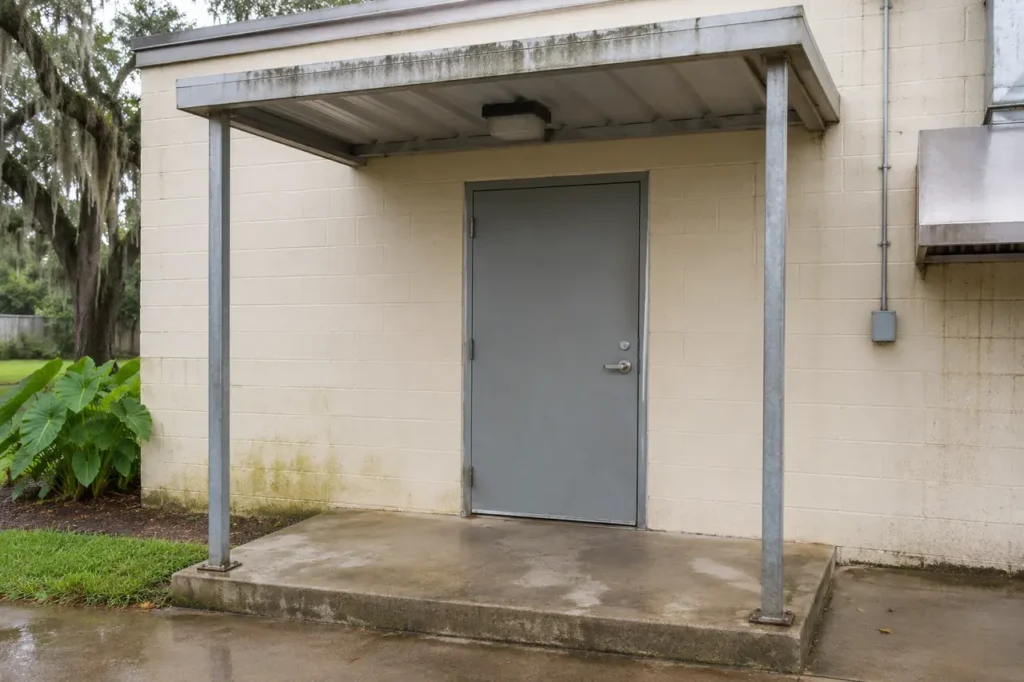
Separate the customer approach from operational pavement
If a customer pickup entrance or visitor-facing frontage is part of the property, label it independently from the receiving and servicing areas. Show its wall faces, any covered entry and the pavement you want considered. An outside arrival area can be included in the inquiry without implying that the public, tenant and vehicle routes all need the same work. Name the boundaries and the priority of each proposed zone.
Describe the paving material and any coating or repairs you know about. Identify a nearby drain or runoff concern for review, without promising that an existing drainage route is appropriate for washing. A building-washing proposal is not drainage-system service, a wastewater authorization or a correction to pavement defects. Where the facility has an existing site procedure relevant to the proposed exterior work, identify the responsible contact. The actual suitability of the request must be reviewed instead of being inferred from the business category alone.
State what surface condition prompted the inquiry
Explain whether the concern is weather buildup on a shaded wall, a roof appearance issue or a particular exterior area that looks neglected. Pair the wider location photograph with a close view of the condition. Distinguish observed appearance from a diagnosis. The operator may know of a previous repair or coating; that information is more useful than assuming every dark mark is the same kind of stain.
Keep expectations tied to the material and its existing condition. Washing does not replace failed coatings, repair leaking openings or restore a damaged wall panel. If a stronger appearance goal depends on painting or another trade, identify that separate project before agreeing to a sequence. CoKo’s can review an exterior-cleaning request without promising that a particular mark will disappear or that the cleaned building will meet another party’s inspection standard. A clear discussion of limitations belongs beside the requested result, rather than being left until after scheduling.
Build one coordinated exterior request with defined limits
A helpful inquiry combines the address, proposed elevations, close condition views and an outline of the usable access window. Identify the approving property contact and the person coordinating tenant or delivery arrangements if they differ. Ask the written proposal to keep building surfaces, visitor approach and operational pavement as identifiable items. Do not treat an unspecified request to wash the commissary as an agreement covering every activity associated with the site.
Text the exterior photo set to CoKo’s or send the commercial project details through the form. The initial discussion does not require customer lists, food-production records or payment information. It requires enough property information to decide what can reasonably be reviewed next. A site with a simple outside-wall request may need a different next step from a multi-tenant facility involving several elevations and restricted operational areas. Keeping those distinctions visible supports a useful scope while preserving the operator’s separate food-service and equipment responsibilities.
A practical start.
Three useful steps.
Show the surfaces
Send wide photos and close views. Label the buildings and the areas that matter now.
Set the boundaries
Explain materials, access, preparation and the work window your property can support.
Review the scope
Confirm included surfaces, responsibilities and the next step before scheduling.
Commissary Building Exterior Washing.
Your questions, answered.
Your next exterior project.
Start with a clearer scope.
Text your address and the priority exterior photos. For a larger project, send the full property details.
Send your address. Show us what needs cleaning.
Text your address, a wide photo and a close-up of the buildup. We’ll review the surfaces and discuss your cleaning options.
Text photos for an estimate Start an online quoteCoKo’s Pressure Washing · (504) 296-9696