
Commercial exteriors · Greater New Orleans
Retaining wall washing.
The face. The cap. The access beside it.
Text the wall face, material details and permitted approach. Let’s define the exposed surfaces and washing boundaries.
Your property. Your priorities. A clearly defined scope.
Label the wall faces and their endpoints
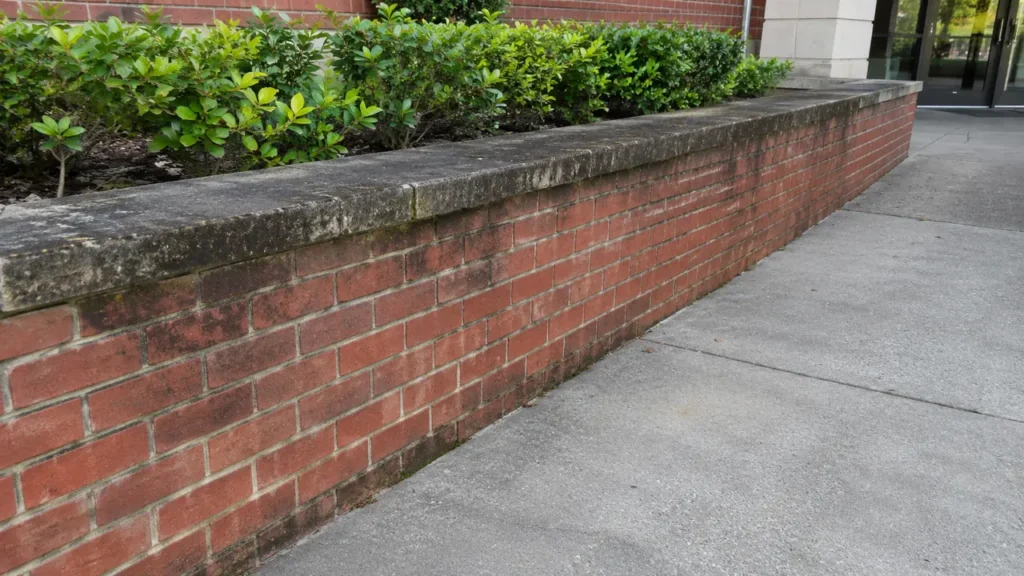
A retaining-wall washing request concerns the exposed surface the property wants cleaned, not the wall’s ability to support ground or resolve drainage problems. A low landscape-block wall beside a business entrance and a brick wall along a raised parking area need different descriptions before their cleaning scopes can be compared. CoKo’s reviews suitable commercial retaining-wall surface washing in Greater New Orleans and the Westbank. Show the wall’s location, material, visible condition and the space beside it. Keep structural evaluation, excavation, repairs and work inside drainage features separate from this appearance-washing inquiry.
Identify where the requested wall begins and ends using business entrances, corners, steps or other recognizable features. Several short walls can surround one property, and the frontage visible from the road may not be the area the manager wants addressed. Photograph each requested run from a normal accessible position. Include existing approximate dimensions if available, while distinguishing the length of a wall from the surface area of its visible face.
State whether the request includes only the public-facing side, the cap along the top, returns at the ends or adjoining columns. A wall-face quotation should not be read as every accessible surface of the structure. If the property has a freestanding boundary wall as well as a retaining wall, label them separately. Clear endpoints help avoid a proposal based on the whole perimeter when the actual priority is a short approach beside the entrance.
Identify block, brick, concrete and finishes
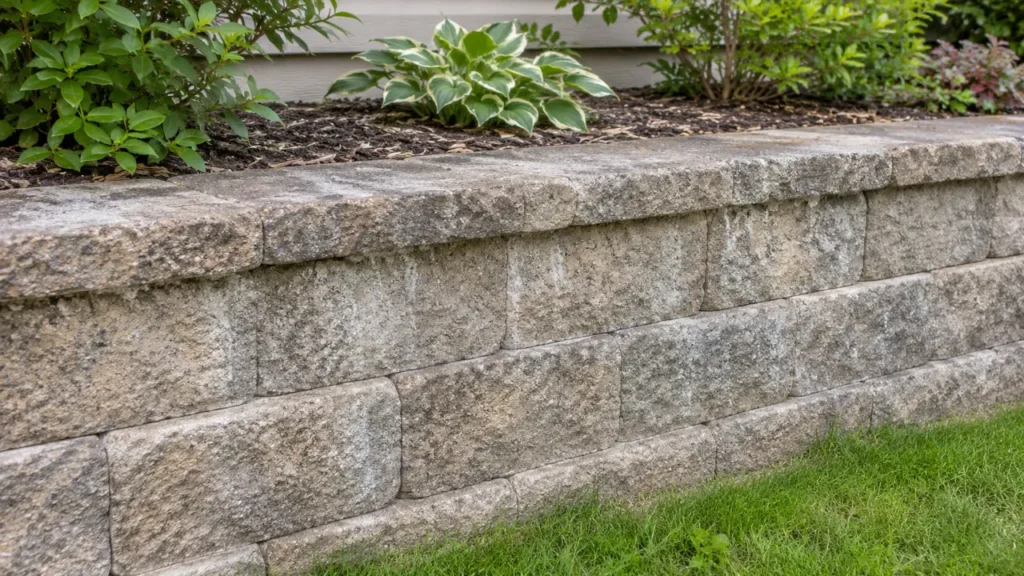
Share the product or installation records the property holds. Segmental landscape blocks, mortared brick, poured concrete and faced or coated walls should not be treated as one surface category. Show the wall face and cap clearly enough to discuss their different finishes. A painted section may need separate consideration from uncoated material farther along the same run, even when both are part of one landscape feature.
Tell CoKo’s about sealing, painting, patching or other finish work where known. The visible coating today may change the treatment discussion, and an unknown finish should remain an explicit question rather than a guessed product name. Close photographs can show texture and wear without establishing the material’s complete history. Ask for the proposed approach to be reviewed against the identified product, finish and condition instead of choosing pressure or heat because the wall looks heavily soiled.
Separate surface soil from wall-condition concerns
Describe the visible concern and where it occurs: a shaded face beside planting, marks below a cap, soil splashes near the base or concentrated staining in one section. Pair close views with an overview so the location can be understood. Do not assume every discoloration has the same cause. Mineral-looking deposits, rust-colored marks, old coatings and ordinary surface buildup are different observations that may need separate assessment.
Also disclose movement, leaning, displaced units, missing mortar, persistent water issues or other conditions already reported by the property. Cleaning is not a remedy for those concerns. Keep the relevant evaluation and repairs with the appropriate provider before assuming the affected wall is a suitable washing task. A cleaner appearance does not certify stability. If the manager is seeking an assessment of why a wall is moving or staying wet, that question should not be hidden inside a general pressure-washing request.
Show access at the base and above the wall
Photograph the ground or paving from which the wall is visible and the relationship to the raised area above it. A wall beside a broad walkway presents different access questions from one close to parked vehicles, dense landscaping or a restricted service area. Explain what routes the property permits and which sections cannot be approached normally. The length of a wall does not establish that its whole face can be reached in the same manner.
Do not climb onto the cap, enter planted terraces or lean over an edge to obtain estimate photographs. Existing site plans and safe views are appropriate starting information. This page does not promise excavation, vegetation removal or a particular high-access system. Where a wall cannot be reviewed from the supplied material, an on-site discussion may be needed before its washing scope is accepted. Identify the contact who can confirm permissions and explain any restrictions around the raised ground.
Account for planting and fixed installations
Show shrubs, vines, irrigation components, signs, lighting and other items touching or close to the wall. Explain whether access is open, partly obscured or expected to change before a proposed visit. A planted bed can hide part of the face or limit the work area; do not assume the washing crew will remove vegetation or alter the landscaping to reach it. The manager should identify what preparation can be arranged through the responsible provider.
Keep plant maintenance, soil removal and repairs separate from the wall-washing components. If a fixture must remain in place, show its position and discuss the resulting boundary rather than expecting it to be dismantled. Point out parked vehicles or movable equipment below the wall and decide who can relocate them. These details allow a proposal to describe the surface actually available, instead of pricing an unobstructed wall that the property cannot make ready.
Have the property photos?
Let’s define the next step.
Send the address, requested surfaces and the contact who can confirm access.
Review water routes and nearby property uses
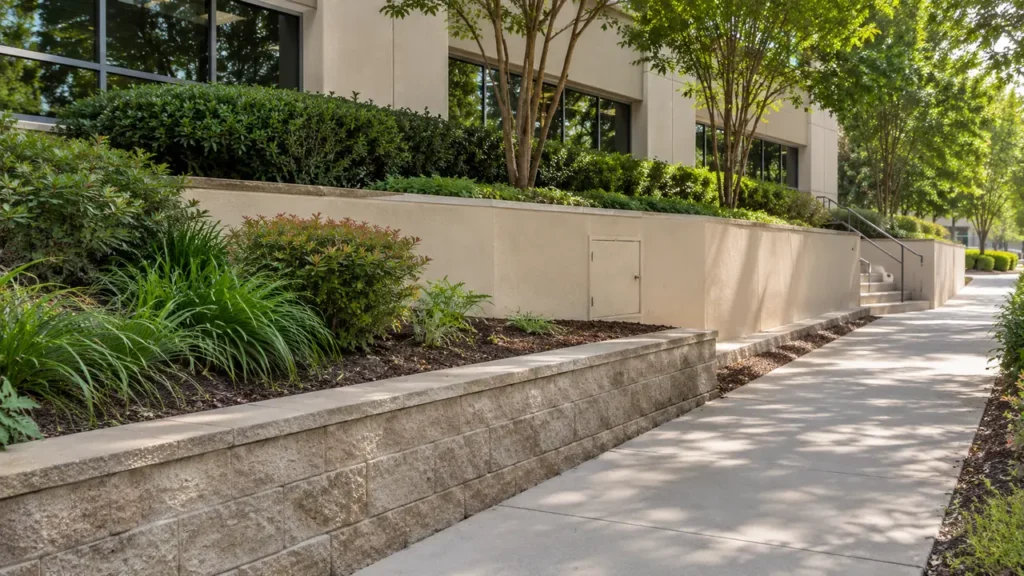
Identify visible drainage outlets, paved low areas, curb lines and the destinations the property can describe. Provide any site requirements for managing washing water and loosened surface material. A retaining wall’s visible openings should not be treated as convenient places to introduce washing water or tools. This appearance-cleaning inquiry does not include clearing concealed drainage, changing outlets or determining how the wall’s drainage system should perform.
Explain who uses the walkway, parking spaces or service route at the base. A brief quiet period in a photograph may not represent the business’s operating needs. The manager should establish what can be made unavailable and when, including deliveries or access shared with another tenant. If suitable access and washing-water arrangements cannot be established for one run, keep it pending rather than extending the same acceptance to every wall on the property.
Set the expected appearance and quote boundaries
Discuss whether the aim is removal of general surface buildup, attention to a particularly visible entrance face or assessment of selected stains. Washing is not a promise that old block, brick or concrete will have a uniform new color. Previous repairs, weathering, finish wear and persistent staining can remain visible. A difficult mark should not automatically lead to a stronger treatment that has not been reviewed for the underlying surface.
Compare quotations using the same wall runs and components. Check whether caps, returns, columns and adjoining pavement are included or offered separately. Ask the proposal to identify material uncertainties, access assumptions and preparation responsibilities. If another contractor plans to repair, paint or seal the wall, supply its preparation requirements so the washing portion is clear. Keep coating application and repair work with their responsible providers rather than treating one cleaning price as a complete restoration contract.
Build a record for future wall washing
Keep location photographs and the accepted face-and-cap list with the property’s maintenance information. Review that record when the next request is made. New planting, a changed parking layout, repairs or a later coating can alter what is reachable and appropriate even when the wall’s dimensions have not changed. Do not assume a prior appearance wash establishes the current wall condition or authorizes the same treatment indefinitely.
Text CoKo’s the address, requested wall endpoints, overall views, closer material photographs and known finish information. Include the contact authorized to arrange access, any disclosed condition concerns and the operating restrictions at the base of the wall. For multiple runs or mixed materials, the commercial project form provides space to explain them individually. The goal is a practical surface-washing review, with uncertain sections clearly identified before approval rather than a broad promise to clean, repair and restore every wall around the site.
A practical start.
Three useful steps.
Show the surfaces
Send wide photos and close views. Label the buildings and the areas that matter now.
Set the boundaries
Explain materials, access, preparation and the work window your property can support.
Review the scope
Confirm included surfaces, responsibilities and the next step before scheduling.
Commercial Retaining Wall Surface Washing.
Your questions, answered.
Your next exterior project.
Start with a clearer scope.
Text your address and the priority exterior photos. For a larger project, send the full property details.
Send your address. Show us what needs cleaning.
Text your address, a wide photo and a close-up of the buildup. We’ll review the surfaces and discuss your cleaning options.
Text photos for an estimate Start an online quoteCoKo’s Pressure Washing · (504) 296-9696

