
Commercial exteriors · Greater New Orleans
Print shop exterior washing.
Plan around pickup and production.
Text the building photos, exterior surfaces and collection windows. Keep paper stock and production equipment outside the washing scope.
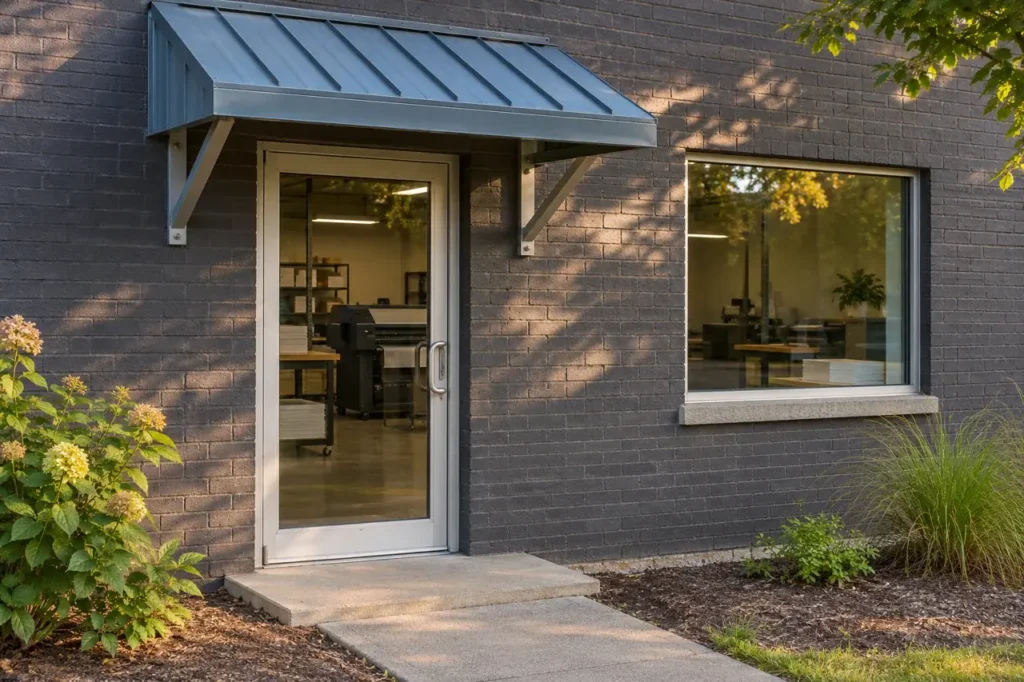
Your property. Your priorities. A clearly defined scope.
Read the outside building as several material areas
A print shop may look like a small storefront from the road while operating as a production and dispatch building behind that frontage. Customers bring artwork, couriers collect completed orders and suppliers bring paper or other stock through a different door. An exterior washing request should explain those movements before anyone chooses a work window. CoKo’s considers roof, building and suitable outdoor hard-surface washing for print-shop properties in Greater New Orleans and the Westbank. The service concerns the outside of the property. Printing presses, production machinery, indoor floors, paper stock, solvents and finished customer orders are separate from the washing scope. Start with current photographs of the building and the particular exterior surfaces you want reviewed.
A printing business may occupy an older masonry storefront, a metal-sided production addition or a combination of buildings. List those actual exterior materials rather than describing the property only as a print shop. Send an overall view of each requested elevation, including the roof edge and any entrance canopy. Follow the overview with closer photographs of the visible buildup or condition concerns. This lets the reviewer place each close picture in its actual setting and distinguish a wall request from a roof or pavement request.
Identify painted surfaces, repaired panels, loose trim and openings that already have damage. A washing proposal needs to separate removable surface buildup from repairs that require another provider. If the roof is part of the request, provide any existing material information and ground-level views of visible edges. Do not climb onto the building simply to improve an estimate photograph. If the concern is only the canopy or fascia, say that directly so the proposal does not assume the whole roof is included.
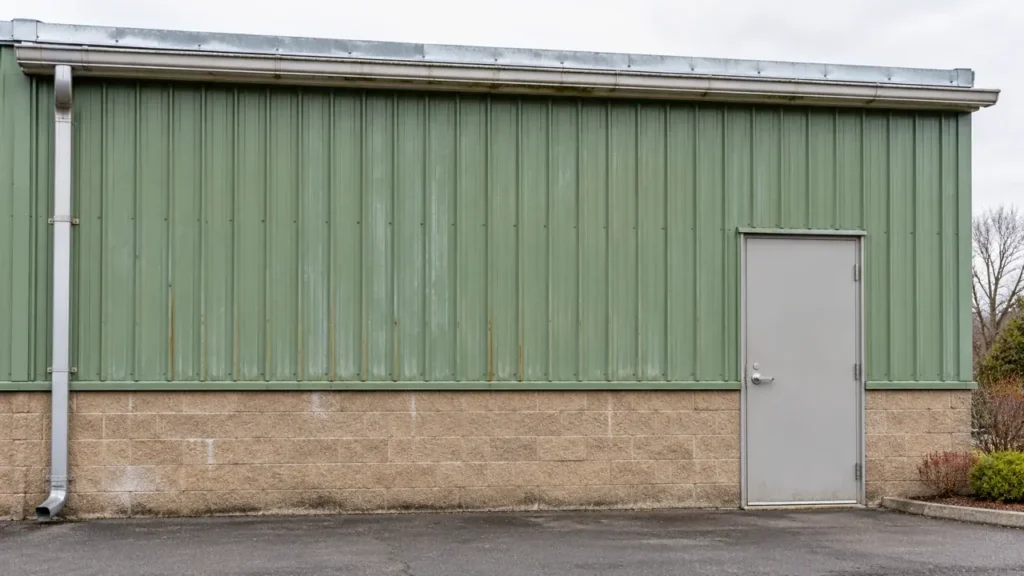
Map the customer pickup door separately from dispatch
The front counter may serve customers collecting business cards, signs or a small stack of documents. Those visitors can arrive without a delivery appointment, even when production work is being scheduled carefully indoors. Show the route from the usual parking spaces to the customer entrance. Include curb transitions, narrow passages and any covered waiting area. A photo taken looking back toward the parking area helps explain how people actually approach the door, rather than showing only the stain on the pavement.
Describe which door the operator intends customers to use while exterior work is under consideration. Do not assume that a rear dispatch doorway can become a public entrance. The business needs to decide whether an alternate route is appropriate before a work plan depends on it. Where the public path is shared with another tenant, show the adjoining entrance and identify who controls that pavement. This keeps an individual shop request from expanding into a shared-property arrangement without the necessary discussion.
Keep paper and finished orders outside the washing responsibility
A delivery doorway may be used for paper stock, cartons or completed orders waiting for collection. Photograph that route while keeping the washing request focused on the building and suitable outdoor pavement. Explain which areas staff can make available and who will move products or packaging that normally sits near the door. The estimate should not depend on the washing crew handling paper, moving loaded production carts or deciding where customer orders can be stored.
Current photographs matter because temporary dispatch arrangements can change the usable outside area. If stock is brought to the threshold shortly before a courier arrives, include that operating pattern in the notes. A clear responsibility list lets the shop coordinate its own products and collections. It also separates an exterior washing proposal from internal stock protection, packaging and dispatch procedures. If a practical work boundary cannot be provided at the receiving doorway, identify that unresolved limitation rather than assuming it can be worked out after arrival.
Describe signs and display surfaces as separate items
Print businesses may have window lettering, a projecting sign, sample graphics or a decorative panel close to the entrance. Show the complete frontage and state which surface you want considered. A concern about the surrounding brick does not automatically make the sign face, window film or display cabinet part of the same service. Specialist glass restoration, removal of advertising film, electrical sign repair and cleaning of printed display products should not be inferred from a general exterior washing request.
Point out peeling graphics, loose panels or damaged covers in the initial photographs. Those conditions may need attention from the appropriate provider before adjacent building work is planned. If the business is already replacing a sign or repainting a wall, explain the intended sequence. The washing discussion can then fit around real maintenance plans. A clear surface list is more useful than asking for everything visible in a frontage photograph, especially where several materials and fixtures share the same small entrance area.
Show openings and equipment that limit the outside scope
A production building can have wall vents, fans, utility fittings and service openings near the surfaces a manager wants washed. Include them in overview photographs and identify known restrictions. They should not disappear from the estimate simply because a close picture of wall staining is easier to take. Building washing is not a request to service extraction equipment, disconnect electrical components or clean the internal parts of production systems. Those responsibilities remain separate from the exterior scope.
Describe any opening or fitting that already needs repair, along with who can answer questions about the building. If the operator does not know what a fixture serves, say that rather than assigning it an assumed purpose. A suitable method can only be considered after materials, condition and access are understood. The first conversation should establish what can actually be reviewed, what needs another decision and whether the proposed exterior area can be made available without relying on changes to production equipment.
Have the property photos?
Let’s define the next step.
Send the address, requested surfaces and the contact who can confirm access.
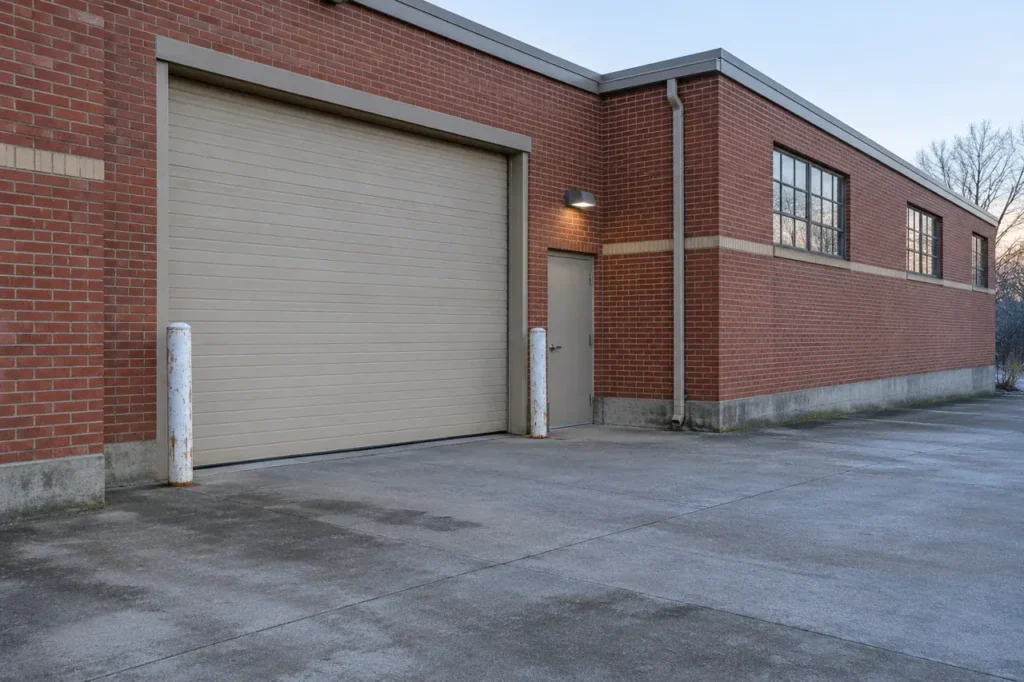
Use actual pickup and delivery patterns to discuss timing
A shop's opening hours may describe the customer counter while production staff, couriers and suppliers follow a different schedule. Provide the normal collection and receiving patterns with the surface photographs. Explain whether customers arrive throughout the day, whether one carrier uses the same outside area repeatedly and whether a large stock delivery is already expected. These details help the scheduling conversation focus on the movements that matter rather than guessing that a quiet-looking entrance is unused.
If the customer doorway and receiving apron cannot be unavailable together, say so early. The proposed sequence may need to consider those areas separately. An early or late window still requires agreed access and a contact who can confirm the arrangement. Do not assume that exterior washing can fit into any short gap between collections. Once the requested surfaces and their condition are understood, the parties can discuss a realistic operating plan and identify any access question that remains unresolved before a date is selected.
Separate the tenant's request from property-wide approval
Many independent printers lease part of a larger building. The person managing the counter may control a small entrance area while the landlord controls the roof, exterior walls or shared drive. Identify who can authorize each part of the requested scope. Where another tenant uses the same receiving approach, include that relationship in the first overview. A clear proposal should distinguish the shop's own approved areas from work that still needs a property-manager decision.
List immediate priorities separately from optional areas. For example, the front entrance and canopy may be the current request while the production-side wall is an additional item for review. Labeling those areas makes it easier to discuss condition, authorization and operating access without treating every surface as one task. If the request concerns the whole property rather than one tenant, say that at the outset. Broader building coordination needs a different contact arrangement from a small retail entrance estimate.
Send photographs that lead to a defined exterior proposal
Begin with the property address and the name of the person coordinating access. Add one full-building view, the customer approach, the receiving doorway and closer pictures of the specific exterior concerns. Label each area in plain language. Include known material information and visible damage, even if those details seem separate from the reason you first wanted the building washed. The initial review is more useful when the photographs show the actual current property instead of an older listing image or an example from another printer.
Then describe the surfaces you want priced, the operating movements that must remain possible and any authorization still being arranged. CoKo’s can use that information to discuss a defined exterior washing scope and remaining questions. Text photographs first when that is convenient, or use the commercial project-details route to organize the building notes together. The request starts a property-specific review; it does not promise that every material, fixture or condition can be treated by the same method.
A practical start.
Three useful steps.
Show the surfaces
Send wide photos and close views. Label the buildings and the areas that matter now.
Set the boundaries
Explain materials, access, preparation and the work window your property can support.
Review the scope
Confirm included surfaces, responsibilities and the next step before scheduling.
Commercial Print Shop Exterior Washing.
Your questions, answered.
Your next exterior project.
Start with a clearer scope.
Text your address and the priority exterior photos. For a larger project, send the full property details.
Send your address. Show us what needs cleaning.
Text your address, a wide photo and a close-up of the buildup. We’ll review the surfaces and discuss your cleaning options.
Text photos for an estimate Start an online quoteCoKo’s Pressure Washing · (504) 296-9696