
Commercial exteriors · Greater New Orleans
Post-construction washing.
Clear surfaces. Clear handoff.
Text current property photos and requested outside surfaces. Explain the access arrangements that affect your commercial washing scope.
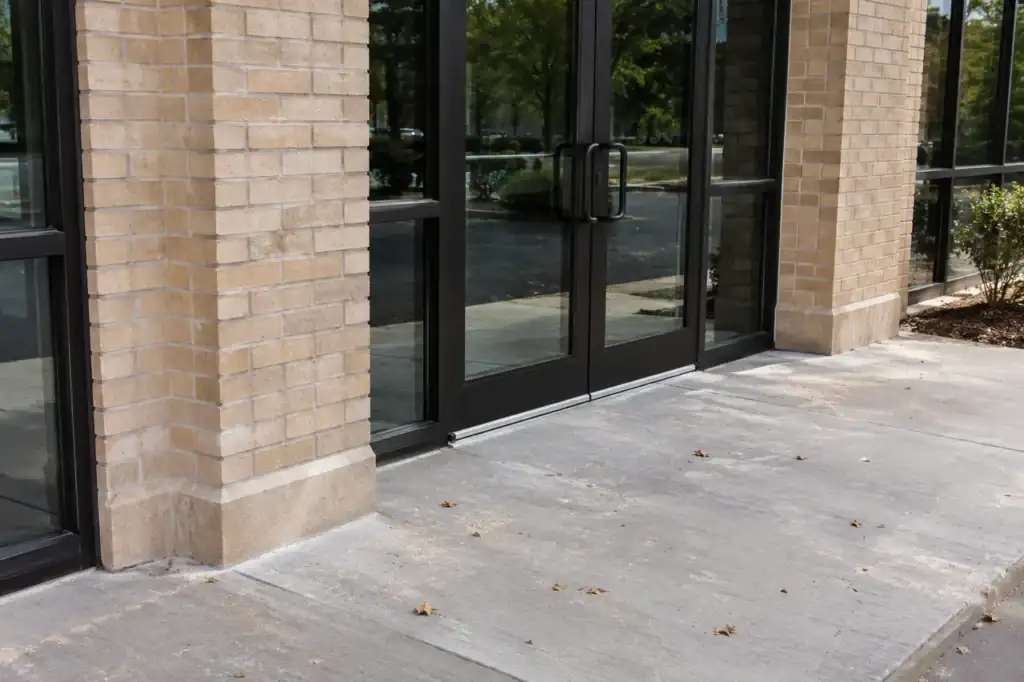
Your property. Your priorities. A clearly defined scope.
Separate ordinary dust from unidentified residue
A post-construction exterior washing request should distinguish the building being handed over from the construction operation that created the residue. A finished entrance, new pavement and an existing wall beside renovation work can need different review even when they belong to one project. CoKo’s considers suitable commercial exterior and hard-surface washing in Greater New Orleans and the Westbank. Start with the surfaces, their installation or finish information and a clear description of the condition. This concerns an agreed outside washing portion, not general debris removal, interior final cleaning or an automatic promise to remove every construction mark. Current photographs and an authorized project contact help define what can reasonably be reviewed before an estimate depends on a handover date or an assumed site-wide cleanup scope.
Photograph the affected surface with enough detail to show the condition, then add a wider view locating it on the project. Loose dirt and ordinary surface dust should not be treated as interchangeable with paint, adhesive, mortar deposits or an unidentified coating. Describe what the project team knows about the material and how it arrived there. A general request for a final pressure wash can otherwise conceal several different tasks within one label.
Identify who can supply product or subcontractor information where the residue is uncertain. Do not assume a washing proposal includes specialist removal, scraping or chemical treatment of every mark visible in a photograph. The request can leave an uncertain area pending while suitable ordinary exterior washing is reviewed separately. This distinction helps the project contact compare clear responsibilities and avoids expecting one service to resolve every unfinished item. A photograph supports discussion of the visible condition; it is not by itself a diagnosis of the residue or a guarantee of an appropriate removal method.
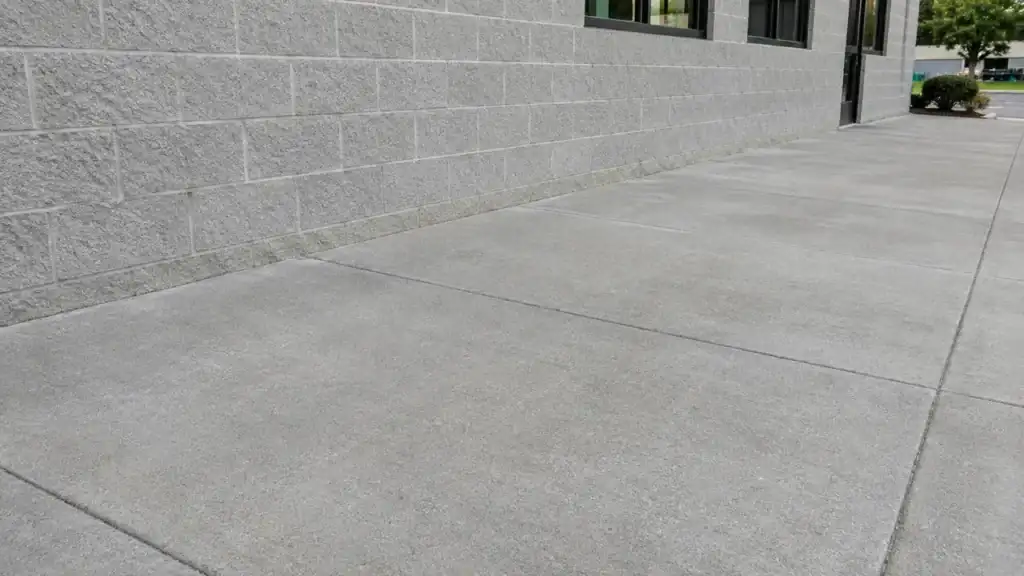
Identify new surfaces and completed finishes
Tell the coordinating contact which pavement, wall materials or coatings were recently installed or completed. Provide available product information, installation records and restrictions supplied by the responsible trade. A surface that looks finished in a picture may still have requirements that affect when or how another service can work around it. Do not substitute a generic waiting period or an assumed washing setting for the actual information relevant to that material.
Separate new construction from existing surfaces affected by nearby work. An older painted wall and a newly installed concrete landing can require different questions even when both carry dust from the same project. Show cracks, damaged edges, incomplete joints and known defects rather than describing them all as dirt. Washing does not repair those conditions or establish compliance with another trade’s specification. A suitable request identifies the surface, its current condition and the information needed for review before a method or timing is agreed.
Define the outside handover boundary
Mark the requested elevations, entrances and pavement areas using references the project team already recognizes. Include an overall view showing how those areas connect. A request for exterior final cleaning should not silently include every roof, window, sign, fixture and loading area visible from the street. Each additional surface can be named separately if the owner wants it considered.
Keep interior cleaning and building completion tasks distinct from the outside washing request. The project team may have separate providers for glass, flooring, waste removal, touch-up work or inspection items. Explain those arrangements so the estimate concerns the intended washing portion rather than a broad assumption about who will finish the whole project. If the site includes several buildings or phases, list them individually. A clear boundary helps the owner, general contractor and eventual property manager discuss the same work without relying on a distant photograph or a single description that different trades may interpret differently.
Confirm who can approve the request
A project manager, tenant representative and property owner can each be involved in a handover without holding the same authority over every surface. Identify the person who can approve the requested exterior washing and the contact who will confirm access. If another party controls common pavement or an adjoining building, explain that limit rather than assuming the general project request covers it.
Provide the actual property address and the location of the requested phase. Where documents use a project name but the site has several entrances, add a recognizable building or elevation reference. The estimate should not depend on an outside crew locating an ambiguous area after arrival. Clear approval and location information are useful even when the washing portion is relatively small. They also allow unresolved additions to remain separate until their responsible contact, material information and access requirements are established instead of becoming an unspoken expansion of the original request.
Finish debris and equipment arrangements separately
Photographs should show what normally occupies the requested outside area, including stored materials, packaging, temporary fencing or equipment. Those items are access conditions, not automatic washing targets. Explain who will arrange their movement or removal and which restrictions will remain. Do not assume a washing crew will manage construction waste, relocate another trade’s equipment or handle saleable materials left near the building.
A clear-looking area in an old progress photograph may no longer be available. Send current views and describe any work still changing the space. If the requested pavement remains occupied, keep that question open before scheduling depends on it being clear. The washing estimate can distinguish an available area from another portion still needing preparation. General site cleanup, equipment operation and waste disposal should have named responsibilities within the project rather than being absorbed into an undefined pressure-washing instruction simply because they occur beside the surfaces under review.
Have the property photos?
Let’s define the next step.
Send the address, requested surfaces and the contact who can confirm access.
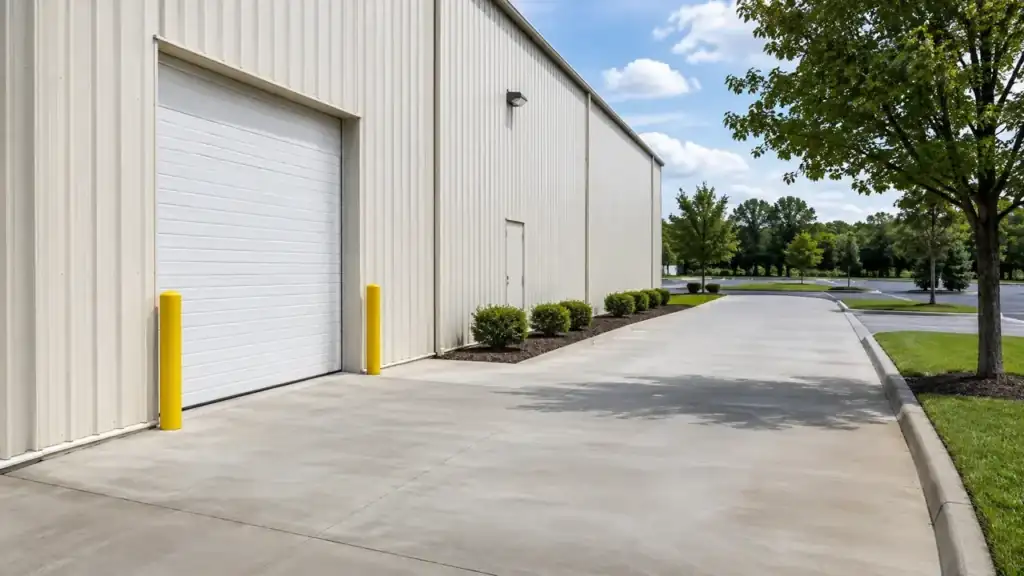
Sequence outside access for handover
Explain which trades will still use the exterior approach and which entrances must remain available. A finishing team may need access after heavy construction has ended, while a tenant may begin moving equipment or staff into another part of the building. Describe the actual sequence relevant to the requested washing area instead of assuming the whole site becomes unused on one handover date.
Identify the person who can confirm the work window and resolve overlapping activities. If deliveries or equipment movements cross the proposed washing area, the project team should decide what arrangement it can provide before an estimate depends on separating them. Do not assume another route is available because it appears on a plan or in a photograph. A practical proposal records the recognizable surfaces and unresolved access questions. It does not promise that washing can proceed around every active operation or that a tight calendar automatically establishes readiness of the building and pavement for the requested service.
Keep completion records tied to the agreed scope
Use the same area names in the request, proposal and later handover discussion. Photographs can help document the visible condition of the requested outside surfaces, but they should not be described as an inspection of the entire project or certification that every construction obligation has been satisfied. The washing portion should remain identifiable within the wider completion process.
Ask the project contact how exclusions and unresolved conditions should be communicated to the owner or property manager. If an area was not included, could not be made available or needs another provider’s review, keep that distinction clear. A clean appearance should not be used to settle the cause of a mark, approve a new coating or confirm building-system performance. Useful records describe the work under discussion and its boundary without inventing an inspection result or transferring all responsibility for project handover to an exterior-washing provider. The owner can then understand how that portion fits with the remaining work of other trades.
Send a construction-related washing request
Begin with the address, project contact and requested exterior areas. Add a current building overview, each entrance or pavement section being considered and close photographs of the visible concerns. Identify new materials, completed coatings and any product information already available. Pair close details with wider views so the reviewer can locate them without guessing from an isolated stain picture.
Explain work still in progress, preparation arrangements and the access sequence the project can provide. Separate ordinary washing priorities from uncertain residue-removal tasks or optional additions. Text photographs first when convenient, or use the commercial project-details route to organize the address and scope notes. CoKo’s can review suitable outside washing against those facts and identify remaining questions. The resulting discussion should concern recognizable building and hard-surface areas with realistic access and expectations. It does not automatically include interior final cleaning, debris hauling, specialist residue removal, construction repairs or certification that the complete project is ready for acceptance.
A practical start.
Three useful steps.
Show the surfaces
Send wide photos and close views. Label the buildings and the areas that matter now.
Set the boundaries
Explain materials, access, preparation and the work window your property can support.
Review the scope
Confirm included surfaces, responsibilities and the next step before scheduling.
Commercial Post-Construction Exterior Washing.
Your questions, answered.
Your next exterior project.
Start with a clearer scope.
Text your address and the priority exterior photos. For a larger project, send the full property details.
Send your address. Show us what needs cleaning.
Text your address, a wide photo and a close-up of the buildup. We’ll review the surfaces and discuss your cleaning options.
Text photos for an estimate Start an online quoteCoKo’s Pressure Washing · (504) 296-9696