
Commercial exteriors · Greater New Orleans
Baseball and Softball Dugout Washing.
Review permanent dugout surfaces and the field boundary.
Text clear property photographs, the requested surfaces and available access window. Let’s define the exterior washing scope.
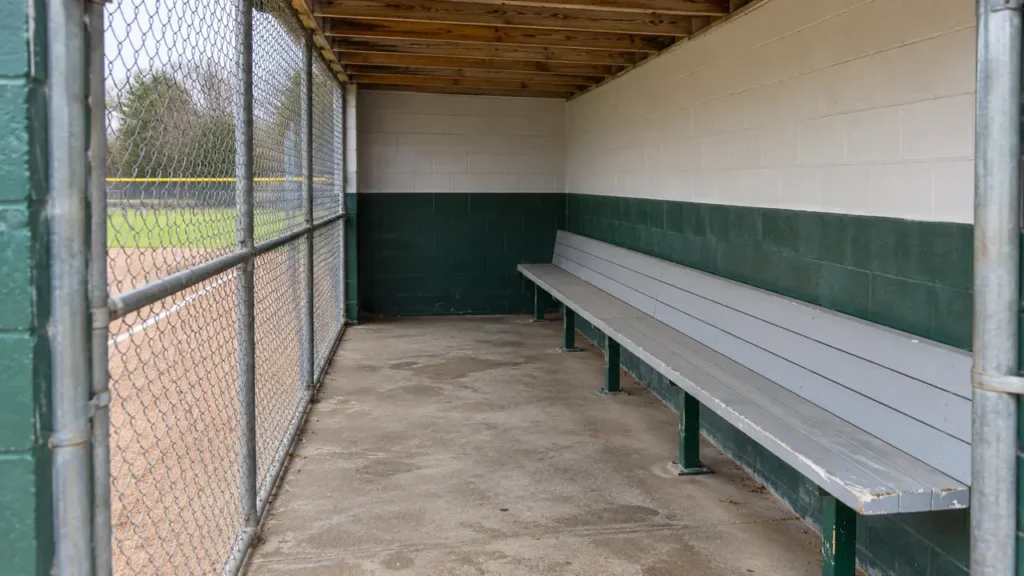
Your property. Your priorities. A clearly defined scope.
Identify each permanent dugout and its components
A permanent baseball or softball dugout brings walls, a roof, fixed seating and a floor together beside an actively managed playing field. Its washing scope should be specific to those built components. CoKo’s Pressure Washing reviews exterior facility surfaces for Greater New Orleans and Westbank properties; a dugout request should identify the structure, the materials and the boundary between the work area and the field. Start with photographs of both dugouts if both are requested, rather than assuming two shelters have the same condition.
Label the home and visitor structures or use the field’s own names so everyone is discussing the same location. Photograph the back wall, side walls, roof edges, entrance and floor. Include any fixed bench, protective fencing or gates that you want considered. Portable benches, team equipment and loose storage should be distinguished from the permanent structure, because moving or washing those items is not implied by a building-surface request.
A dugout can have several construction types within a very small footprint. A painted block wall may meet a concrete floor, a metal roof and a bench with a different finish. List these surfaces individually. The purpose of the initial review is to establish a sensible washing boundary, not to describe the entire sports facility as one washable object. Bleachers, field fencing and adjacent concession buildings remain separate areas unless specifically reviewed and included.
Make the playing-field boundary visible
Wide photographs should show where the dugout floor meets the dirt, grass, warning track or another field surface. Mark where washing is intended to stop. A facility contact who understands the field’s maintenance plan should identify sensitive edges and any area that must remain untouched. The site review needs this context before a work approach can be confirmed, especially where the entrance opens directly toward the playing area.
This page does not offer turf care, infield grooming, athletic-surface restoration or field-performance testing. Washing a permanent dugout wall is a different task from maintaining the area where athletes play. Explain whether a route behind the structure can be used for access so the request does not presume equipment will travel across a prepared field. If the only approach creates an unresolved field-management issue, that boundary needs agreement before scheduling.
Review painted walls and roof condition first
Send close photographs of paint, block joints, metal panels and known repairs. Flaking paint, open joints, unstable components or roof leaks should be called out rather than hidden in a distant image. Washing cannot repair those conditions. They may affect which surfaces are suitable for review and whether repairs should take place before exterior cleaning is considered. The property’s maintenance records or available material information can help clarify an unfamiliar finish.
The exposed roof underside deserves its own line in the request. It may include framing, lights, wiring or attachments that are not obvious from the front of the dugout. Identify these features and any access restriction. A quote for walls and floor does not automatically include the upper roof or every overhead component. Keeping the roof top, underside and surrounding wall faces separate makes later proposal comparisons more useful to the facility manager.
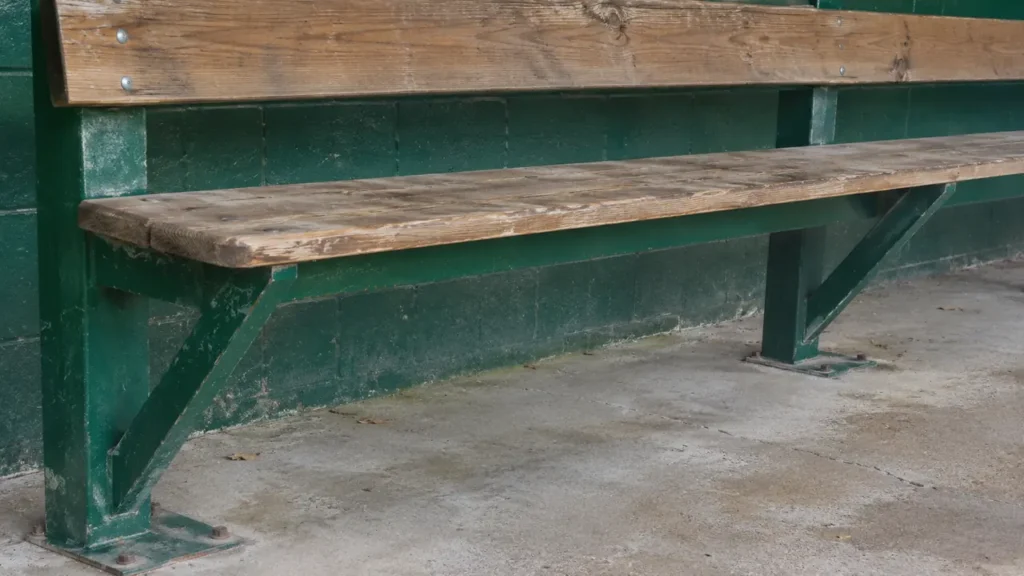
Treat fixed benches as their own material
A fixed bench can be painted metal, wood, plastic or another material, and the support frame may differ from the seating surface. Photograph the top, front edge and accessible supports if bench washing is requested. Mention cracks, loose fasteners, peeling finishes or repairs already planned. The review should establish whether the bench belongs in the washing scope and which faces are accessible, without suggesting that cleaning can correct a seating defect.
Remove loose bags, helmets, bats, bottles and team supplies through the facility’s normal process before the work area is handed over. CoKo’s should not be expected to sort personal gear or determine what can be discarded. A bench-clearance responsibility is especially useful when several teams share the same field. Keep requests for sports-equipment cleaning, sanitizing or disinfection separate; those claims are not part of an ordinary permanent-surface washing proposal.
Describe the floor without promising a new finish
The dugout floor may collect soil carried in from the field, while wear, old coatings and permanent marks can affect its appearance. Show close views of the floor and its edges. State whether the request is for ordinary surface washing and identify any particular area of concern. A proposal should not promise that older concrete will become uniform or that washing will resolve settlement, drainage defects or damaged finishes.
Note floor openings, existing drains and changes in level so the work area can be assessed in context. A facility contact should explain any known drainage concern rather than assuming water can be directed toward the field. The washing plan needs to fit the site conditions actually present. Where a floor has a specialist coating or an unknown treatment, available product guidance should be reviewed before a method is selected.
Have the property photos?
Let’s define the next step.
Send the address, requested surfaces and the contact who can confirm access.
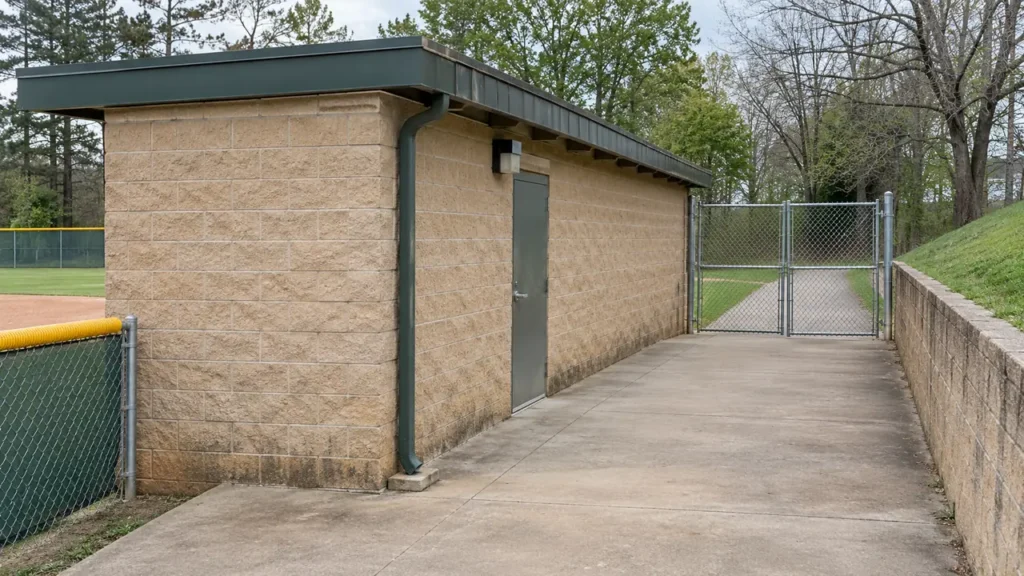
Coordinate the field calendar and access route
Give the next practice, game or event window and explain who controls access when the field is closed. The useful question is when the dugout can be cleared and separated from normal use, not simply which day is convenient for an estimate. Include maintenance activity that may be happening around the same time. Fresh painting, field preparation or other contractors can change the order in which exterior washing should be considered.
Send photographs of gates, service paths and the approach behind the structure. Mention locked entrances, narrow passages and any instruction about keeping vehicles away from the field. The facility should identify the person who can authorize the agreed access arrangement on the workday. Clear access information helps avoid a proposal built on an assumption that a contractor can use any route through a park or school property.
Keep nearby structures and attachments in view
Dugouts are often close to backstops, scoreboards, storage areas and spectator routes. Include these surroundings in a few wide photographs even if they are excluded from washing. Lights, electrical boxes, signs and mounted equipment require identification during the scope review. The responsible facility team should arrange any necessary preparation for its equipment; building-surface washing does not replace electrical service or inspection.
Fence panels and gates can also have different finishes and conditions from the walls. If they are requested, name them explicitly and show both accessible sides. Do not assume an entire ballfield fence is included because a small panel connects to the dugout. A defined boundary lets the manager decide whether to combine several distinct areas in one project or handle the dugout alone during a limited closure window.
Build a practical quote and handover list
Begin by texting the field location, the number of dugouts, a marked component list and photographs of materials and approaches. Next, agree on included wall faces, roof components, fixed seating and floor areas, together with exclusions and preparation duties. Before work, the facility contact should confirm the structure is clear of people and loose gear and that the agreed access route is available. This simple sequence gives both sides a concrete scope to discuss.
At handover, use the same list to review the included surfaces. Note remaining finish wear, staining and repair needs as conditions separate from ordinary washing. If bleachers, a pavilion or another sports-facility building needs attention, those can be reviewed as related requests with their own materials and access plans. Text photographs first so the conversation starts with the actual dugout rather than a generic promise covering every part of the field.
If the facility has several fields, include the field number and the correct gate in the request. Similar-looking dugouts can otherwise be confused in a photograph set. A marked overview of the park or school approach can clarify which permanent structure is being discussed without showing athletes. Also identify who holds gate access during a closure, since the person requesting a quote may not be the person responsible for opening the service route on the workday.
A practical start.
Three useful steps.
Show the surfaces
Send wide photos and close views. Label the buildings and the areas that matter now.
Set the boundaries
Explain materials, access, preparation and the work window your property can support.
Review the scope
Confirm included surfaces, responsibilities and the next step before scheduling.
Baseball and Softball Dugout Washing.
Your questions, answered.
Your next exterior project.
Start with a clearer scope.
Text your address and the priority exterior photos. For a larger project, send the full property details.
Send your address. Show us what needs cleaning.
Text your address, a wide photo and a close-up of the buildup. We’ll review the surfaces and discuss your cleaning options.
Text photos for an estimate Start an online quoteCoKo’s Pressure Washing · (504) 296-9696