
Commercial exteriors · Greater New Orleans
Exposed aggregate washing.
The stones. The finish. A defined concrete scope.
Text the decorative concrete photos, sealer details and requested area. Let’s review the existing finish.
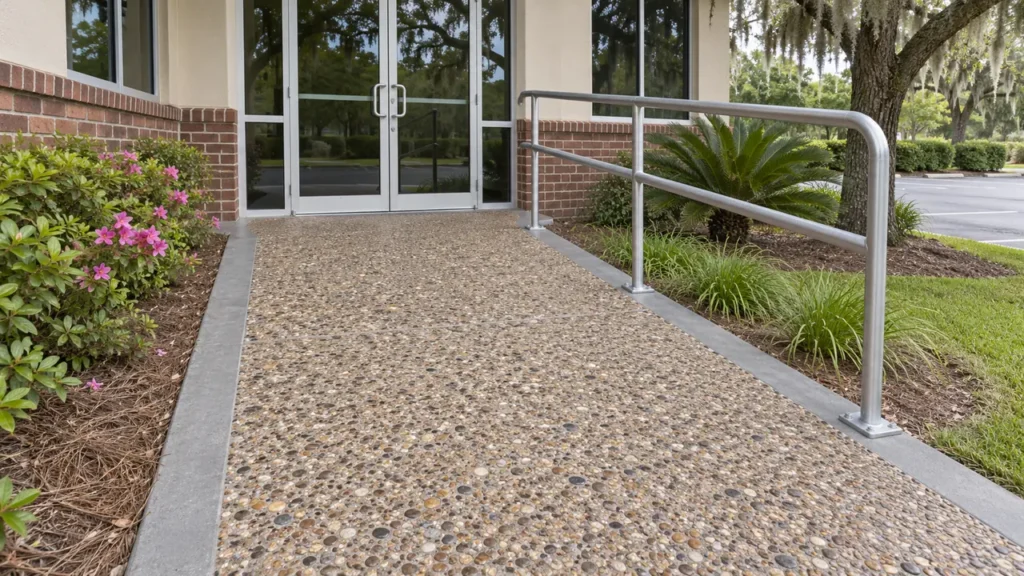
Your property. Your priorities. A clearly defined scope.
Confirm that the aggregate is part of the concrete
Exposed aggregate concrete can look dirty in the spaces between the stones while the tops of the pebbles still show their original color. That textured appearance is different from an ordinary smooth slab, and it changes how a commercial washing request should be described. The objective is to review removable surface buildup without treating the concrete paste, existing sealer or embedded stones as something to strip away.
CoKo’s reviews commercial exposed-aggregate washing requests in Greater New Orleans and the Westbank. Send close views of the texture together with wider photographs of the forecourt, walkway or courtyard involved. Include any known sealer and repair history. Washing existing decorative concrete is a separate job from exposing fresh concrete, changing its texture, restoring lost stones or applying a new coating.
A photograph of small stones can show exposed aggregate, a resin-bound finish, loose gravel or another decorative treatment. Those are not the same material. Explain what the property records call the surface and provide the installer’s information if available. A close view of a joint or worn edge can help show the assembly without requiring anyone to chip or lift material for the estimate.
Holcim’s Geostone cleaning guidance addresses existing exposed concrete as a maintained surface. It does not make every pebble-textured finish equivalent or authorize a method for a different system. The useful starting point is knowing what was installed. If the surface is a thin bonded layer or an uncertain repair product, identify that before approving a washing scope. We do not remove material to reveal more stone as part of ordinary appearance cleaning.
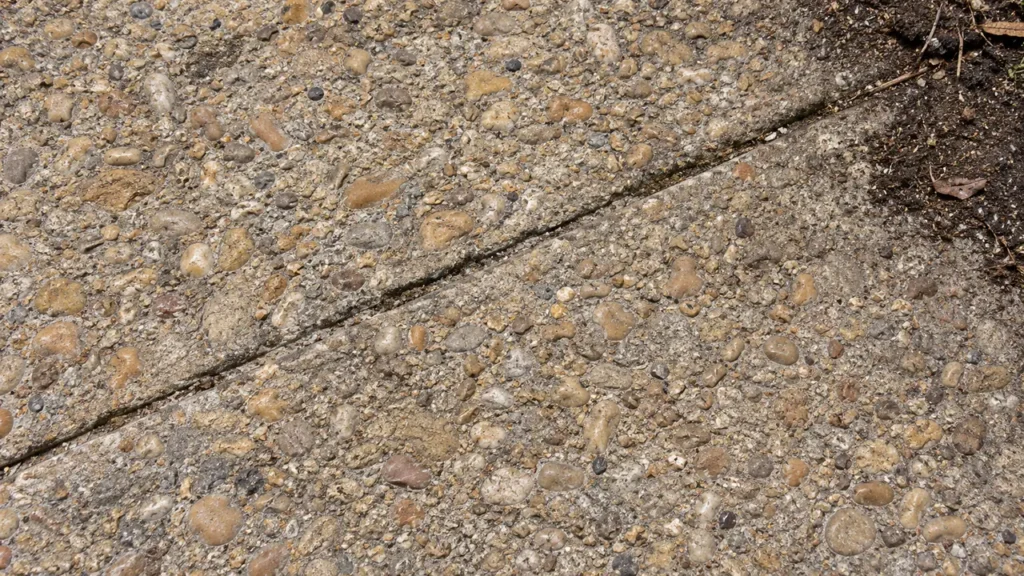
Map the decorative panels and their bordering materials
Commercial exposed aggregate often occupies selected entrance panels rather than the whole pavement area. Mark the textured sections on a photograph and distinguish the smooth concrete borders, brick bands, drainage channels and planted edges. A quote for the entrance forecourt should not silently expand to every surrounding slab, and a broad pavement total should not conceal the decorative finish.
Show steps, ramps and turning areas that connect to the requested panels. Their access arrangements may need separate consideration even where the surface appears continuous. If several tenants share the forecourt, identify who can authorize work across the full boundary. Available dimensions are helpful, but a marked plan showing changes in material is more useful than an unexplained square-foot total. The resulting estimate should identify actual zones that a manager can find during the walkthrough.
Distinguish embedded texture from deterioration
The exposed stones and the concrete between them are both part of the visible finish. Take photographs where the texture looks consistent and where it looks worn. Note loose-looking aggregate, small pits, old patches and any place that has lost material. Do not scrape or pull at a stone to demonstrate a concern; disclose what is already visible and let an appropriate concrete professional assess repair questions.
Washing cannot rebond a loose stone, replace missing paste or correct a damaged joint. A rough-looking patch may be a condition of the concrete rather than removable dirt. Existing surface loss should not be described as a stain that the cleaner must eliminate. If deterioration is the main concern, repair assessment belongs ahead of an appearance-cleaning commitment. We do not offer a structural opinion or a promise to make aged and newly repaired panels match.
Review sealer records and realistic color expectations
Ask whether a sealer or coating has been applied and whether the property has the product name or care instructions. An old protective treatment can alter the appearance of the stone and the surrounding concrete. Areas under furniture or an overhang may look different from exposed traffic paths. A wide photograph alone cannot establish whether the difference comes from soil, finish wear or another existing condition.
Record faded, peeling, cloudy or patched-looking areas before work is proposed. Cleaning does not automatically remove a failed sealer, renew gloss or restore a wet-look effect. Stripping and resealing are different operations and are not included in this washing request. If another contractor is planning coating work, their preparation requirements and timing need to be supplied separately. CoKo’s can review the defined washing portion without taking responsibility for a new finish that has not been specified.
Identify the buildup without promising one treatment for every mark
Show the shaded edge, normal walking route and the specific mark that prompted the inquiry. Leaf residue between stones is a different observation from a rusty furniture footprint or an old oil shadow. Name known spill sources and previous treatments rather than treating every dark area as the same removable film. That history can prevent an estimate from being based on the wrong expectation.
The goal is an appropriate review of the material and contamination together. No universal pressure, aggressive texture removal or stain-free guarantee is offered. Some marks can remain noticeable after ordinary surface buildup is addressed, and specialty treatment needs its own suitability decision. If the substance is unknown or the site reports a hazardous spill, this appearance-washing page does not promise remediation. Explain the concern before asking for a date so the actual requested work can be evaluated honestly.
Have the property photos?
Let’s define the next step.
Send the address, requested surfaces and the contact who can confirm access.
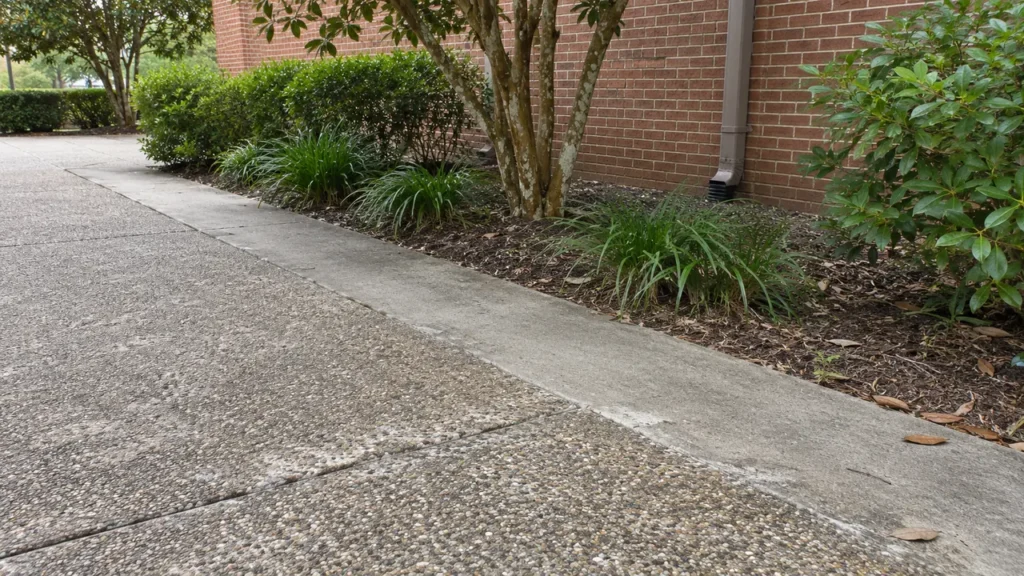
Plan movement across the entrance and around the furniture
Decorative aggregate is often placed where a property wants its best first impression: outside a lobby, along a courtyard or beside a gathering space. Those areas can also be the route used by tenants, carts and delivery staff. Tell us which doors depend on the panels and who can arrange a closure or an alternative path. Do not assume a narrow strip can remain in ordinary use beside active washing.
Show planters, fixed benches, portable tables and other items that affect access to the surface. Agree which movable items the property will relocate and where they can be placed without blocking another entrance. If a drain, downspout or landscape outlet affects the panels, include it in the photographs. The facility should identify the approved water supply and any restrictions on water routing before the equipment setup is accepted.
Compare proposals by the texture and included work
An exposed-aggregate request should identify the surface rather than appearing in the estimate only as generic concrete. The written scope should name the requested panels, known finish information, access assumptions and preparation responsibilities. It should also distinguish washing from sealer stripping, joint replacement, stone repair or coating application. These boundaries make the approval more useful to the person managing the building.
Ask how an unexpected unstable area or finish problem would affect the plan. A proposal should not promise to force a uniform result out of materials that are already inconsistent. Compare the requested surface areas and exclusions before comparing totals: an estimate for open forecourt panels is different from one involving several restricted courtyards and occupied entrances. The property can then choose work that addresses its visible concern without unintentionally authorizing material removal or repair work.
Identify newer replacement panels beside the original concrete, particularly where utility work or a doorway alteration interrupted the decorative area. Different stone colors or a different exposure depth are not necessarily signs that one panel needs more cleaning. Keep those distinctions in the starting photo record so the comparison is made against the actual installation.
Keep a useful record after the surface is reviewed
Arrange a final review with the approved zone list and the original condition photographs. Look at the same joints, shaded edges and repaired panels rather than comparing unrelated areas taken in very different light. Dry and damp exposed concrete can appear different, so the finish should not be judged solely by a temporarily darker wet photograph. The accepted result concerns the specified cleaning, not a newly installed decorative slab.
Keep the washing record alongside the sealer information and note any deferred concrete repairs. A later maintenance request should account for changes such as new planters, repaired joints or altered downspout discharge. Frequency should follow actual buildup and the material’s care requirements rather than an invented promise that every property needs the same interval. Text CoKo’s the address, the complete decorative area and clear texture photographs to start a scoped commercial washing review.
A practical start.
Three useful steps.
Show the surfaces
Send wide photos and close views. Label the buildings and the areas that matter now.
Set the boundaries
Explain materials, access, preparation and the work window your property can support.
Review the scope
Confirm included surfaces, responsibilities and the next step before scheduling.
Commercial Exposed Aggregate Concrete Washing.
Your questions, answered.
Your next exterior project.
Start with a clearer scope.
Text your address and the priority exterior photos. For a larger project, send the full property details.
Send your address. Show us what needs cleaning.
Text your address, a wide photo and a close-up of the buildup. We’ll review the surfaces and discuss your cleaning options.
Text photos for an estimate Start an online quoteCoKo’s Pressure Washing · (504) 296-9696