
Commercial exteriors · Greater New Orleans
Feed mill exterior washing.
A building-by-building maintenance plan.
Request washing for feed mill offices, warehouse walls and selected support-building exteriors with materials, delivery access and property responsibilities clearly described.
Your property. Your priorities. A clearly defined scope.
Distinguish offices, storage buildings and process structures
Feed mill properties can contain very different structures behind one street address. A front office, a finished-product warehouse and a processing building should not disappear into one vague request for a site wash. CoKo’s reviews the building exteriors you identify, with photographs and a practical description of access. Start with the walls and entrances you want addressed, then separate any process equipment, product-contact areas or unusual residue questions for their own assessment.
List each building by its on-site name and explain its use. Identify the administration office, warehouse, maintenance building and any other support structure you want considered. Mark the requested elevations and show whether a wall is shared with an adjoining structure. A building list makes the inquiry easier to price and review than a single aerial photograph that shows roofs without revealing the exterior finishes or the working space beside them.
Keep roofs, wall faces, entrance slabs and covered passages as separate components in the request. If a processing structure is shown only for location, label it that way. If a particular outside wall of that structure is requested, identify the wall and any nearby equipment rather than implying that its entire operational system belongs in the quote. This gives the property manager a clear base scope and a practical way to request additional areas without losing track of the original project.
A simple exterior schedule can use one row per elevation with the building name, wall length, approximate height, visible finish and access note. Add separate rows for office canopies or entrance slabs. This is especially helpful where a warehouse has been extended in stages and the newest section looks similar from a distance. Mark the connection between old and new construction in the photos. A manager can then request one section now and leave another for a later maintenance period without describing the whole property again.
Describe the surface instead of naming a single method
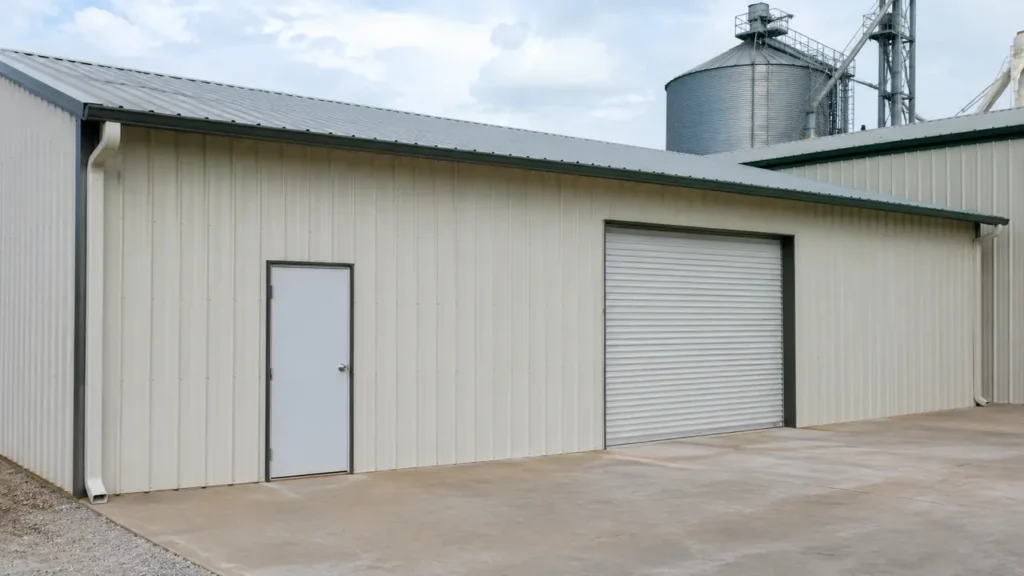
Feed mill support buildings may combine coated metal, painted masonry, concrete panels and later additions with a different finish. Take a close photograph of each material and a wider image showing where it appears. Note recent paint, patched panels, open seams and visibly deteriorated sections. Existing care instructions or finish records should accompany the inquiry when available. The method and expected result need to be considered against those actual materials and conditions.
Describe the visible concern: ordinary weathering, shaded buildup, dust on an exterior wall or discoloration around an entrance. Do not assume every deposit has the same cause or can be treated as routine dirt. Where the material or residue is uncertain, provide its location and have the responsible site contact explain what is known. CoKo’s can review a defined building-cleaning request more usefully than a request that combines appearance maintenance with an unspecified process-cleaning problem.
Set a clear boundary around feed and equipment areas
Point out receiving openings, product storage, conveyors, vents and other operating equipment near the requested exterior surfaces. Those details help establish the boundary of the building work; they do not make process or product-contact cleaning part of it. The facility representative should identify what can remain in service, what must be prepared and which areas are excluded from the requested washing. Keep these decisions attached to the relevant building or elevation.
Ask for unusual residues and sensitive operating areas to be discussed explicitly before a price is accepted. Routine exterior washing should not be described as a feed-safety program, process sanitation or an equipment service. If the facility has instructions governing outside contractors near those areas, provide them for review. This makes it possible to decide whether the proposed building scope is suitable and prevents an ordinary wall allowance from quietly acquiring a different technical purpose.
Map truck access and receiving periods
Show how a contractor would reach each selected building from the authorized entrance. Include the normal truck route, receiving queue and areas used for trailer staging. Identify turns or door approaches that look open in a photograph but are occupied during deliveries. The person coordinating the quote should confirm which setup areas can actually be made available and who can approve a change if the delivery pattern differs on the scheduled day.
Describe the receiving schedule and any periods when a particular elevation is easier to release. A warehouse frontage and an office entrance may need separate working windows even when they sit next to one another. Consider named building phases if the property cannot make all requested areas available at once. The scope should record those phases plainly, so a supervisor can compare the estimate with the actual areas the operation expects to release.
Include employee entrances and support spaces deliberately
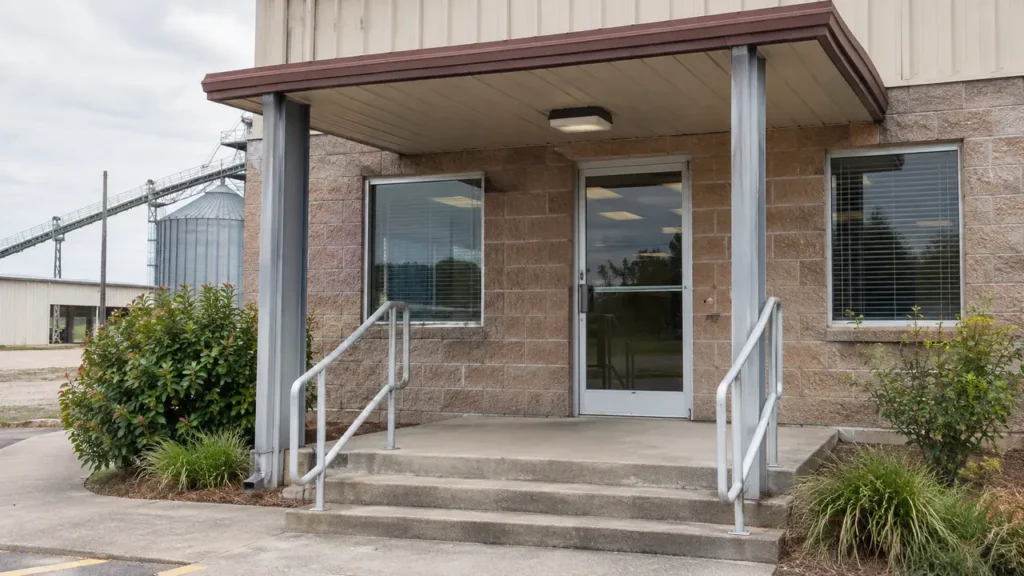
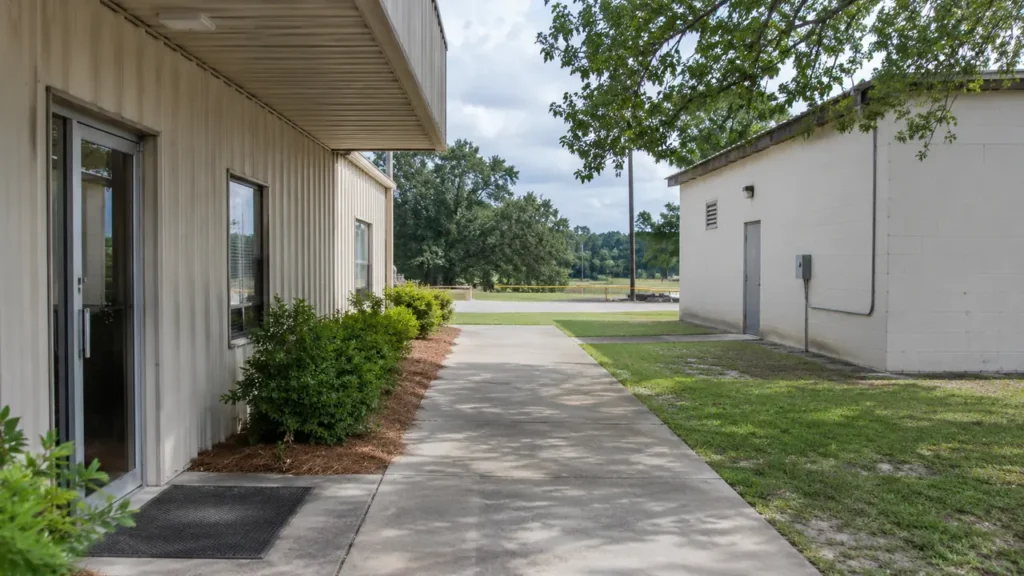
Photograph office doors, staff entrances, covered steps and paths from employee parking when they are part of the requested improvement. Show how those routes connect to the proposed setup area. The facility contact can identify doors that remain active and the process for communicating any temporary access arrangement. A wall-washing request alone does not tell CoKo’s whether the entry slab, handrail, canopy or connecting walkway should also be included.
List the materials of those smaller components. A coated landing, a masonry office wall and a metal canopy can require different consideration even though they appear in one entrance photograph. Identify existing damage and any tenant or departmental responsibility for movable items. A clear entrance list lets the manager prioritize visible maintenance work while keeping access needs and preparation responsibilities attached to the places where they actually matter.
Have the property photos?
Let’s define the next step.
Send the address, requested surfaces and the contact who can confirm access.
Confirm utilities and the water-management review
Identify the proposed water source, its location and the route to the requested elevations. Note any site rules that affect connection access or availability. Photograph nearby drains, uneven pavement and low points, especially where the building work approaches receiving or storage areas. These observations belong in the planning discussion; a drain symbol on a drawing does not establish the acceptable arrangement for work water at the property.
Provide the name of the facility representative responsible for water-management questions and any relevant site instructions. The washing scope should be reviewed against those requirements before the job is confirmed. Where the route, connection or drainage arrangement remains unresolved, list it as pending. That gives the facility a concrete item to resolve instead of leaving an estimate dependent on an assumed utility or an unconfirmed path through an operating area.
Make the quote measurable and easy to compare
Send a building schedule with approximate dimensions, requested elevations, levels and any sections that cannot be reached from the apparent approach. Label each photo using the same building name as the schedule. Include wider context and close finish details so the reader can connect a marked wall with its actual condition. If dimensions are estimates, say so; an early inquiry does not need to disguise an approximation as a verified measurement.
Request a written distinction between included work, optional components and unresolved items. The manager can then compare an office-only phase with a larger warehouse-and-office package using the same building names. A useful estimate explains the requested surfaces and preparation assumptions rather than relying on the mill’s overall size. That clarity also helps when purchasing, maintenance and operations personnel all need to review the same proposal from different parts of the organization.
Prepare a repeatable exterior maintenance record
Before a date is finalized, confirm who will release each work area and check that the agreed preparation has been completed. That contact should know which trailers, stored items and door approaches affect the selected buildings. Keep the approved component list with the quote so a late change can be described by building and elevation. If an area is still occupied or unavailable, address that location directly rather than treating the rest of the property as interchangeable work.
Review the finished scope against the same list and note any sections left pending by agreement. Keep condition photographs and preparation notes for the next request. This creates a useful exterior maintenance record without confusing building washing with the facility’s separate process or product responsibilities. To start, text CoKo’s the property address, the building names and a few labeled photos. Use the quote form for larger image sets, plans or a detailed schedule.
A practical start.
Three useful steps.
Show the surfaces
Send wide photos and close views. Label the buildings and the areas that matter now.
Set the boundaries
Explain materials, access, preparation and the work window your property can support.
Review the scope
Confirm included surfaces, responsibilities and the next step before scheduling.
Feed Mill Support Building Exterior Washing.
Your questions, answered.
Your next exterior project.
Start with a clearer scope.
Text your address and the priority exterior photos. For a larger project, send the full property details.
Send your address. Show us what needs cleaning.
Text your address, a wide photo and a close-up of the buildup. We’ll review the surfaces and discuss your cleaning options.
Text photos for an estimate Start an online quoteCoKo’s Pressure Washing · (504) 296-9696