
Commercial exteriors · Greater New Orleans
Hunting lodge washing.
A better arrival at camp.
Roofs, building exteriors and suitable walking surfaces for your hunting lodge. Text property photos, access details and your preferred timing.
Your property. Your priorities. A clearly defined scope.
Separate the main lodge from its support buildings
A hunting lodge can look quiet from the road while handling a busy mix of arrivals, outdoor gear and guest turnover. The entry porch, mudroom steps and bunkhouse path often tell a different story from the main roofline. CoKo’s reviews those exterior surfaces as parts of a working property, with attention to the buildings guests use and the routes staff need to keep open. Start with photographs of the lodge and its approach. The aim is a clearly bounded washing project that fits the property’s schedule, rather than an undefined request to clean everything on the grounds. When reviewing hunting lodge exterior washing in the Greater New Orleans service area, include the guest arrival and working access instead of showing only the lodge frontage.
List the main lodge, detached bunkhouse, equipment room and other structures you want reviewed. A distant photo may make several buildings appear to share one roof or walkway when they do not. Give each building a plain name and show the connection between them. That helps distinguish a guest-facing exterior project from work around storage or service spaces.
Explain which buildings are currently occupied and which can be taken out of use during the proposed window. A locked seasonal cabin may require a different arrangement from the main lodge where someone is always present. Identify a property contact who can answer access questions for all the requested structures. If a separate building is not included, mark it as excluded rather than leaving the boundary uncertain. CoKo’s can then discuss the suitable roof, wall and walking surfaces without treating the whole property as one interchangeable cleaning area.
Review roofs and walls by material and condition
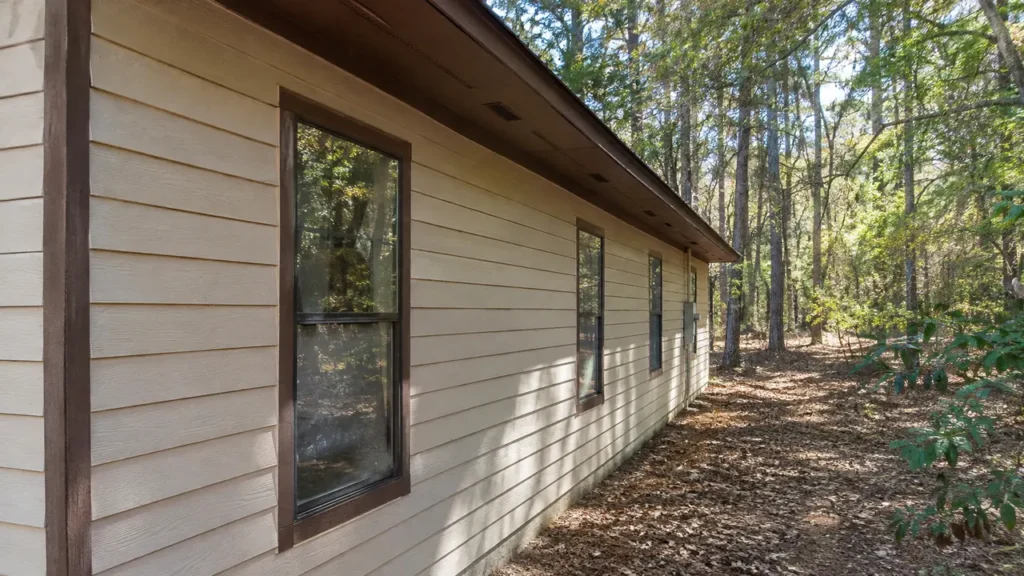
The roof over a lodge can change between the original building, a porch addition and a newer bunkhouse. Photograph those transitions from the ground. Include the visible roof edges and describe any known maintenance issue. Roof washing should be considered on its own terms, with the material and available access reviewed before a method or result is assumed.
For the walls, show both the broad elevation and any area that concerns you. Painted siding, exposed timber and masonry accents should be identified where possible. Point out peeling coatings, damaged trim or open joints already present. Washing does not replace a repair assessment, and a quote should not blur those different needs together. A useful photo set lets the discussion focus on which exterior surfaces are appropriate to include and which need closer attention before a washing plan is agreed. Avoid climbing onto the roof just to obtain a better photograph.
Give the mudroom approach particular attention
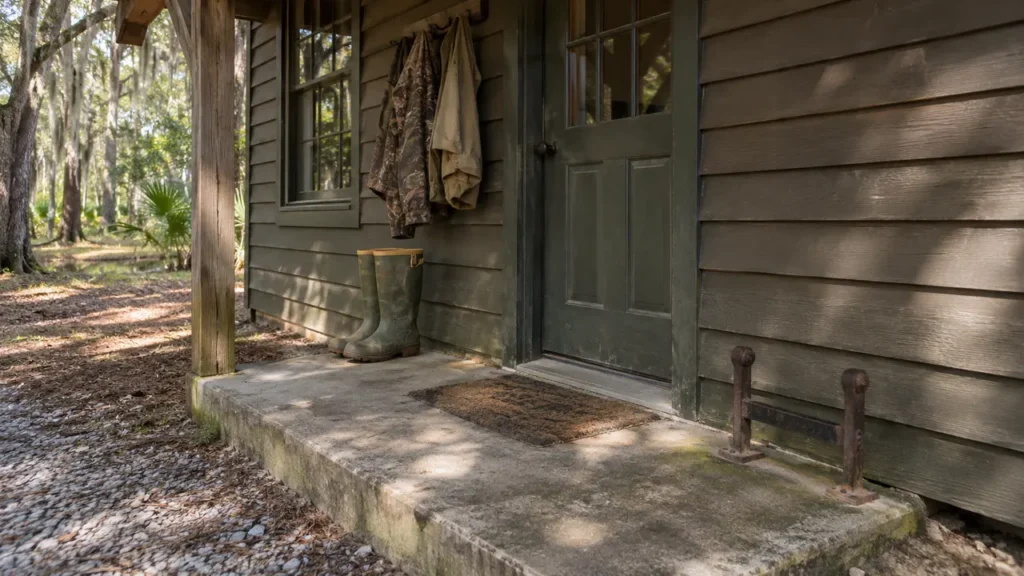
At many lodges, the mudroom is the practical front door. Boots, bags and outdoor equipment pass through it even when guests use another entrance for check-in. Show the complete approach, including the lower step, landing, scraper or mat area and the path back to parking. Explain whether gear is normally left along the wall or on the porch during busy periods.
Identify the surface beneath any removable mats and who will handle them. A narrow landing can become difficult to work around when storage is shifted into the only remaining walking route. The preparation plan should move items outside the agreed work zone, not merely stack them at the next doorway. If guests must continue using the mudroom, name an alternative entrance or discuss a phased schedule. CoKo’s can review the exterior approach while keeping the request separate from cleaning personal gear, indoor flooring or stored equipment.
Treat porch floors and exterior stairs as distinct surfaces
A wide lodge porch can contain several different finishes. Painted boards, uncoated additions and masonry steps may sit beside each other. Take close photographs of the transitions instead of describing the entire area simply as a deck. Include railings and posts only if you want those surfaces considered, and identify any fragile or loose components already known to the owner.
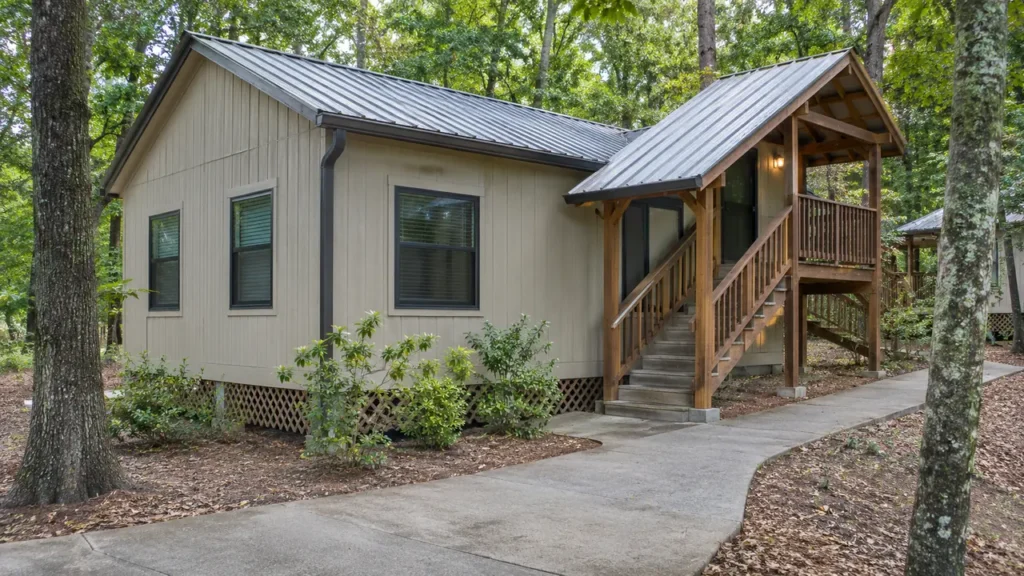
The stair route should be shown from both ends. A lower landing hidden by vegetation or parked vehicles can be missed in an upper-porch picture. Explain how guests carry luggage through the route and whether a second stair is available. Loose furniture, planters and portable storage need a preparation agreement before washing begins. The written scope should identify suitable surfaces and reasonable access assumptions. It should not suggest that washing will restore deteriorated wood, correct a weak handrail or make an uneven step structurally sound.
Show service access before choosing a work window
Rural arrival routes deserve more than a map pin. Photograph the gate, driveway, turning space and intended equipment parking area. Describe any narrow section, soft shoulder or low overhead branch. If another vehicle normally blocks the only clear approach to the lodge, decide when it can be moved and who can move it.
Explain how deliveries and staff vehicles use the property during the day. A lane may appear empty in a photo but still be the only route to the kitchen or a detached building. Identify the available water connection and the location of outdoor electrical or other sensitive items without assuming they can be used or exposed. If weather affects access, include that in the scheduling discussion. CoKo’s can then review whether the planned arrival and working area are practical before committing the project to a window that depends on uncertain ground conditions.
Have the property photos?
Let’s define the next step.
Send the address, requested surfaces and the contact who can confirm access.
Keep guest gear and excluded work clearly separated
Exterior washing at a lodge should have a clear boundary around personal and operational equipment. Tell CoKo’s where outdoor clothing, boots, bags and other belongings are usually stored. Agree on who will move those items and where they will remain during the work. Keep anything valuable or sensitive outside the area being washed rather than relying on a last-minute cover.
Name unrelated work that is not part of this request. Vehicle washing, equipment cleaning, animal areas, processing spaces and indoor cleaning are not automatically included because they exist on the same grounds. A proposal for the lodge’s roof, walls and porch should describe those exterior surfaces directly. This avoids misunderstandings when an owner says the whole camp needs attention. If another area needs review, provide separate photos and an explanation of its use. That allows a practical decision about scope without implying specialist services that have not been discussed.
Use turnover periods without compressing the plan
An unoccupied period can be useful for exterior work, but it still needs a realistic sequence. Explain when the last guests leave, when staff finish preparing the property and when the next arrival is expected. A delivery or maintenance visit may occupy the same driveway or porch that the washing project needs. Include those activities when selecting the window.
For several guest buildings, consider which one should be completed first and which walking route must remain available. Have a single contact coordinate any changes with staff and guests. If the property is occupied, the plan needs an agreed separation between active work and normal use. Avoid relying on an exact finish time before the surfaces and access have been reviewed. A usable schedule connects the actual work boundaries with the lodge’s turnover routine, rather than treating every open day as equally suitable for the same project.
Ask for a proposal you can check against the photos
Text the property address, wide building views and the full mudroom, porch and stair routes. Add roof photographs taken from the ground and close views of different finishes. Name each detached building and show the arrival lane. Include your preferred timing, occupancy expectations and the person responsible for preparation.
The resulting scope should make it easy to see which roofs, walls and walking surfaces are included, which items are excluded and what access assumptions were made. Ask for separate identification of buildings if they may be handled in phases. You do not need a perfect drawing to begin. A simple photo list with consistent building names is often more useful than a single estimated total for the grounds. CoKo’s can review that information with you and identify where more detail or a closer property look is needed before the exterior washing project is finalized.
A practical start.
Three useful steps.
Show the surfaces
Send wide photos and close views. Label the buildings and the areas that matter now.
Set the boundaries
Explain materials, access, preparation and the work window your property can support.
Review the scope
Confirm included surfaces, responsibilities and the next step before scheduling.
Hunting Lodge Exterior Washing.
Your questions, answered.
Your next exterior project.
Start with a clearer scope.
Text your address and the priority exterior photos. For a larger project, send the full property details.
Send your address. Show us what needs cleaning.
Text your address, a wide photo and a close-up of the buildup. We’ll review the surfaces and discuss your cleaning options.
Text photos for an estimate Start an online quoteCoKo’s Pressure Washing · (504) 296-9696