Property care guidance · Greater New Orleans
Your surfaces.
Choose the approach carefully.
List each material, finish and concern before comparing washing methods for your property.
Your property. Your priorities. A clearly defined scope.
A material-by-material washing decision
A property can contain a shingle roof, coated walls, masonry steps and a concrete drive within a few yards of one another. That shared address does not make them one cleaning surface. Comparing soft washing and pressure washing is useful only after the materials, finishes and visible concerns are identified. Begin with a list of separate areas and ask how the proposed approach will change between them. The answer should describe decisions about the property, not simply name the largest machine available.
This guide is for planning a mixed-surface request around Greater New Orleans, including homes and managed properties with several kinds of exterior finish. It is not a set of operating instructions. Equipment settings, product selection and access arrangements belong to the review of the actual site and applicable care information. Your role as an owner is to describe the surfaces accurately, disclose known problems and make sure the estimate records which areas have been included, excluded or left for further assessment.
Build a surface schedule
Use a short schedule with one entry per distinct area: front siding, porch ceiling, entrance steps, parking approach or rear fence, for example. Add the material and coating if known, together with the concern you want addressed. A photograph of a large building is easier to interpret when the request identifies the specific wall or feature. This also prevents the estimate from inheriting work you did not intend, such as assuming that washing a house automatically includes every outbuilding and paved area.
Separate a coating from the material beneath it. Painted masonry and exposed masonry may need different consideration even when they share a wall. The same applies to a board with a finish, a replacement panel or a recently repaired patch. If the finish is unknown, leave an explicit question in the schedule. Do not resolve the uncertainty by calling the area durable, delicate or washable without evidence. The surface review should explain what information is still needed before a suitable approach can be agreed.
Treat roofing as its own decision
Asphalt shingles should not be assigned a cleaning method merely because pressure washing is proposed for nearby paving. ARMA warns against high-pressure washing of asphalt roofing. Keep the roof discussion with the installed product's care information and observed condition. If the roof material is different or uncertain, record that rather than carrying asphalt guidance across to it. An estimate can include several areas while still keeping roof suitability, access and exclusions distinct from the rest of the property's washing work.
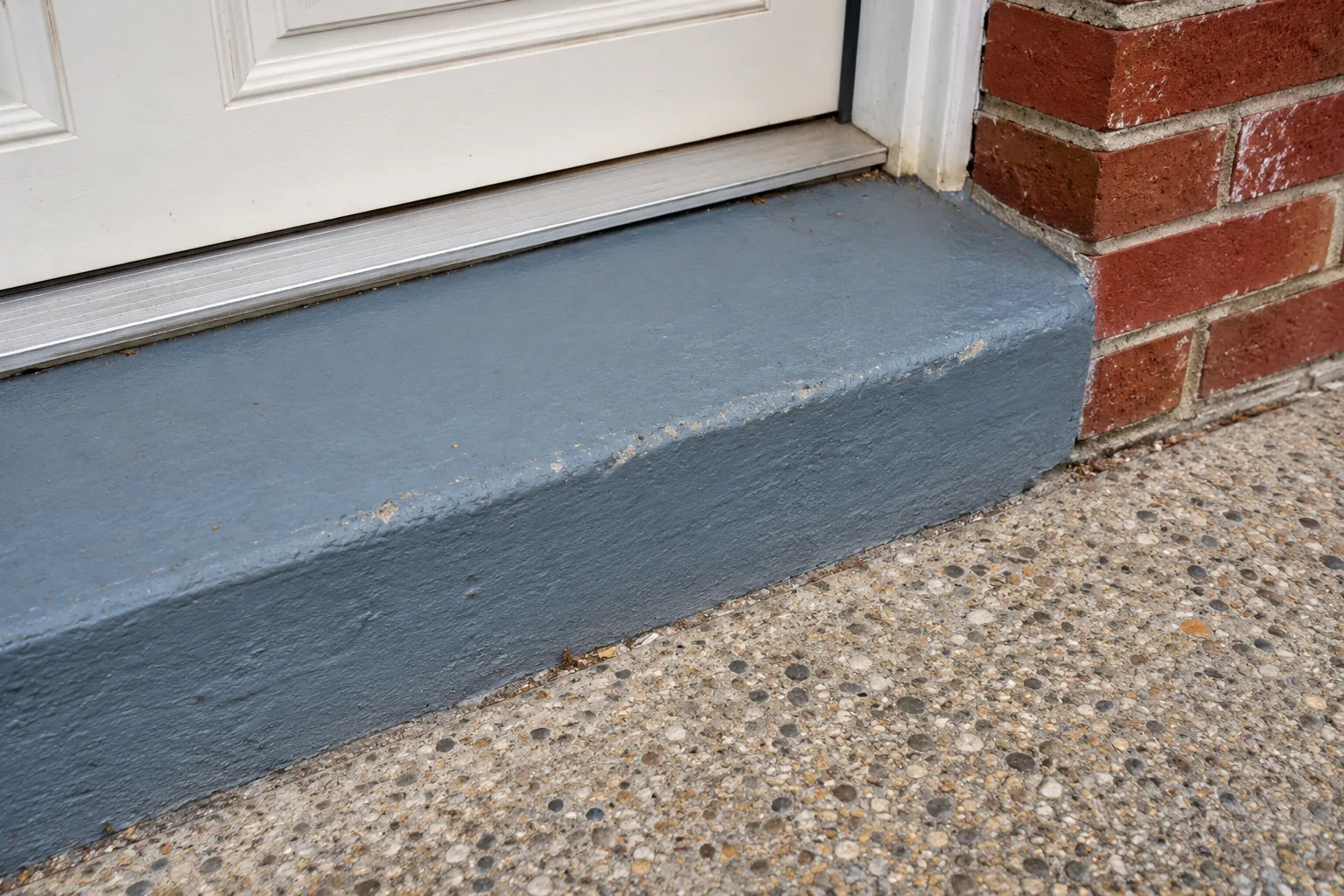
Compare this with the questions for an entrance slab. The slab's finish, joints, repairs and nearby surfaces still need review, but the roof's material boundary does not answer those questions. The point is not to declare one method universally good and another universally bad. It is to avoid letting a convenient package label replace separate judgments. Ask the provider to show how the proposed scope recognizes the different surfaces and what will happen if a condition encountered on site differs from the photographs.
Check the product rather than the category name
Vinyl siding illustrates why a broad material label is not enough. PEPA advises checking manufacturer restrictions, and ProVia discourages pressure washing its vinyl siding. An owner should therefore find the installed product's actual care information instead of relying on a general claim that all vinyl receives one treatment. If the product cannot yet be identified, describe the limitation honestly. The provider can then explain what additional information or review is required instead of treating the missing detail as permission to proceed.
Decking also needs a product-specific question. Trex distinguishes cleaning guidance for early-generation decking from guidance for later product lines. That distinction makes the product record more useful than a statement that the deck is simply composite. Look for an invoice, installer record or retained care guide if one is available. The comparison does not establish that CoKo's will perform every kind of deck treatment; it shows why the proposed washing scope should identify the material and the applicable limitations before a method is selected.
Describe contamination without promising removal
Explain the visible concern in ordinary terms: a green film, loose dirt, a dark streak, a greasy-looking patch or a pale area that remains after previous work. Include a wider view so the location can be understood. If you know the cause, provide the history, but distinguish that history from what is only suspected. Different marks can call for different assessment or an excluded specialist treatment. A general exterior-washing estimate should not become a promise to remove every discoloration visible in an image.
Keep existing wear and failure separate from unwanted material on the surface. Loose paint, an uneven repair or a fading finish may be part of the underlying condition rather than something washing will resolve. Ask which appearance changes are reasonable and which may remain. This gives you a better comparison between proposals than a single promise of brightness. If an area needs a repair decision first, record that dependency rather than approving a more aggressive wash in the hope that it will solve a different problem.
Have the property photos?
Let’s define the next step.
Send the address, requested surfaces and the contact who can confirm access.
Examine the transitions between surfaces
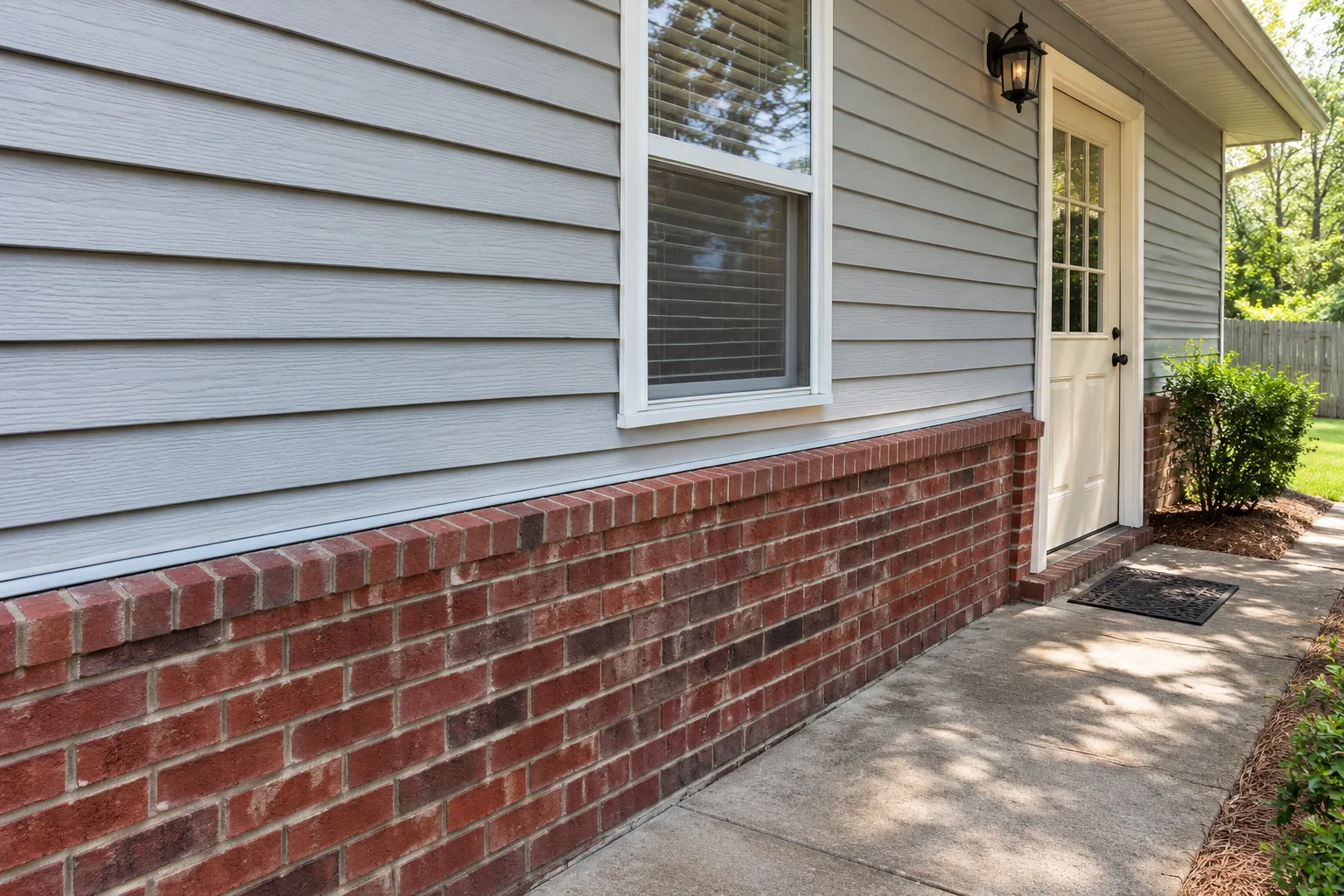
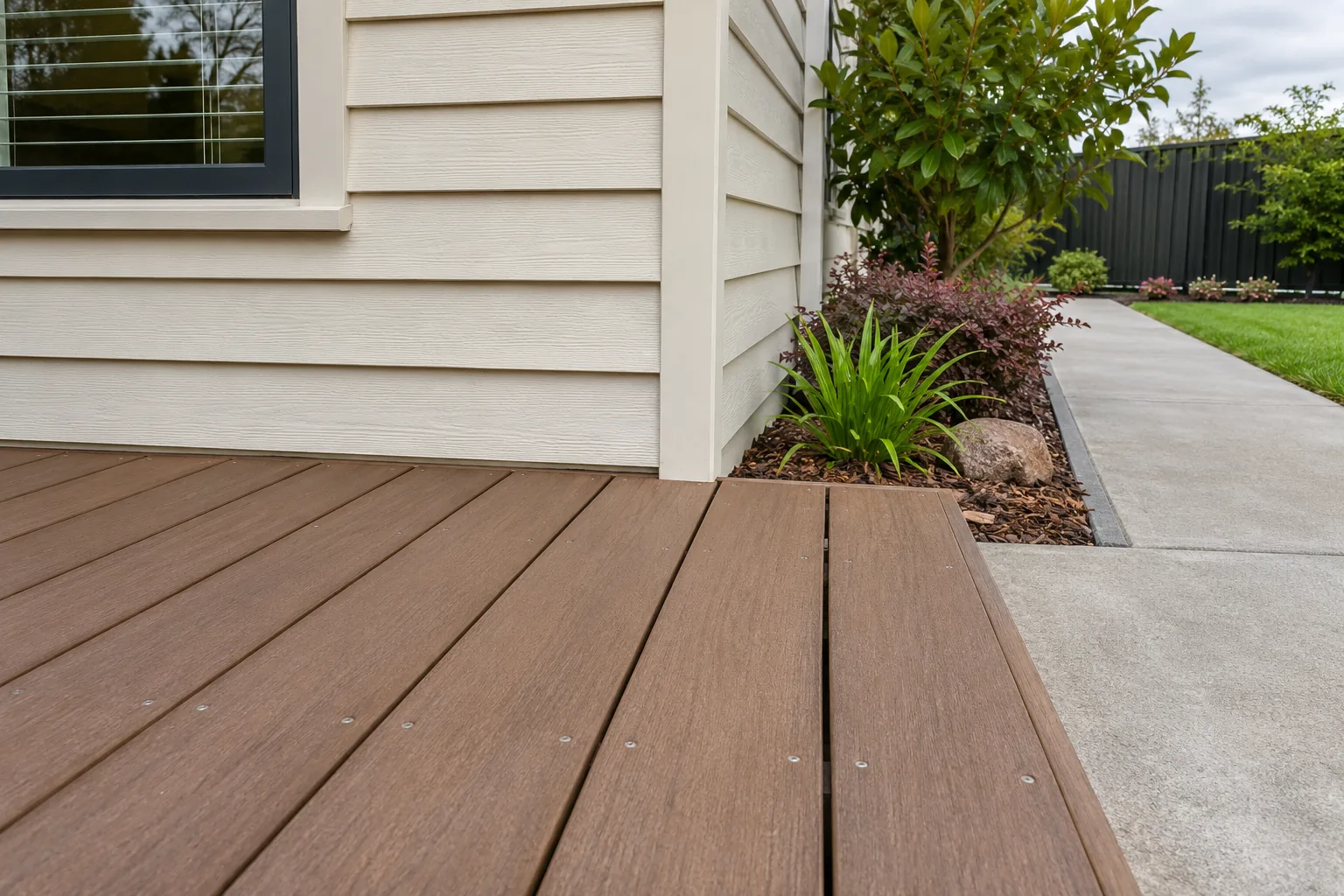
The boundary between two materials is often more informative than a close-up of the stain alone. Show where paving meets a painted step, where siding ends above brick or where a deck borders a door opening. These views help explain what sits beside and below the proposed work. Include nearby fixtures and features that need their own discussion. A provider should be able to describe how the planned work area is defined without assuming that a cleaning choice appropriate for one surface is automatically appropriate for everything touching it.
Shared properties add another kind of boundary. A resident may report a dirty stair while a manager controls the common entrance or an association controls the exterior wall. Identify the responsible contact and the area they can authorize. A useful quote separates a private patio request from a building-wide proposal. Keep permission and surface selection as two questions: confirming authority does not identify a material's care requirements, and identifying the material does not establish permission to work on it.
Coordinate access and other work
Explain how the site is used during the proposed visit. An entrance may serve residents, deliveries or customers, while a side passage may be the only route to the rear. Describe the constraint and ask what arrangements the provider proposes. Avoid promising that everyone can use every route throughout the work unless that has actually been agreed. A mixed-surface job can require a different sequence from a single open driveway, and that sequence should be visible in the planning discussion rather than discovered after arrival.
If painting, coating or repairs are also planned, ask the contractor responsible for the next stage what preparation and review they require. Washing alone does not establish that a surface is ready for a particular coating. Keep their instructions with the scope and clarify who will decide when the next stage can begin. This avoids turning a washing date into an unsupported drying guarantee or treating appearance as a substitute for the requirements of the planned follow-on work.
Compare the explanation, not just the label
For a larger site, use the same area names in the estimate, photographs and any access notes. Calling a feature the rear entrance in one document and loading side in another can create confusion even when both descriptions refer to the same place. A small numbered sketch can help without pretending to be a measured survey. Mark areas that remain outside the request as clearly as the included ones. This gives a shared reference for the method discussion and prevents a broad property name from hiding unresolved details.
When reviewing two estimates, check whether each identifies the same areas, materials, exclusions and unresolved questions. A brief proposal using the phrase soft wash may describe a different scope from a pressure-washing package that includes additional paving. Resolve those differences before comparing totals. Ask how a material uncertainty or unexpected condition will be handled and whether any proposed change needs your approval. The useful comparison is between clearly described work, not between two labels that may conceal different assumptions.
Retain the agreed surface schedule and photographs for the final review. Compare the included areas after the work, identify any concern by location and distinguish incomplete work from an appearance limitation that was discussed beforehand. Do not request a stronger treatment across the whole property because one feature looks different. The appropriate follow-up is another surface-specific decision. Keeping the record organized by area makes that conversation practical and gives future maintenance planning a better starting point than a generic note that the property was washed.
A practical start.
Three useful steps.
Show the surfaces
Send wide photos and close views. Label the buildings and the areas that matter now.
Set the boundaries
Explain materials, access, preparation and the work window your property can support.
Review the scope
Confirm included surfaces, responsibilities and the next step before scheduling.
Soft Washing vs. Pressure Washing: Choose by Surface.
Your questions, answered.
Your next exterior project.
Start with a clearer scope.
Text your address and the priority exterior photos. For a larger project, send the full property details.
Read the applicable care guidance
Related property information
Send your address. Show us what needs cleaning.
Text your address, a wide photo and a close-up of the buildup. We’ll review the surfaces and discuss your cleaning options.
Text photos for an estimate Start an online quoteCoKo’s Pressure Washing · (504) 296-9696