COKO’S • GREATER NEW ORLEANS
What Is Soft Washing?
A guide to describing your surface, understanding the method and requesting a defined scope.
Soft washing is commonly discussed as a lower-pressure approach to exterior cleaning. The useful next question is what that means for the particular material and finish on your property. A low-pressure label does not supply a product choice, establish compatibility or settle the condition of a wall or roof. This guide explains the information a property owner can bring to that discussion. It avoids chemical recipes and keeps cleaning separate from repairs, diagnosis and promises about how long a surface will stay clean.
Understand the label without turning it into a recipe
The phrase soft washing helps distinguish a cleaning approach from a request based primarily on greater mechanical force. It does not identify one universal product or a single treatment that fits every exterior. When speaking with a provider, use the term as a starting question: what material is being considered, what visible buildup is the concern and what information is needed before proposing the work? Those details give the label a practical connection to the property.
A homeowner should not have to select a chemical mixture from an online article to request an estimate. Product instructions and material-specific care guidance belong in the suitability review. This page provides neither mixing directions nor application settings. It helps you describe the surface and recognize what remains unanswered. A provider’s explanation should connect the proposed approach to the area being discussed, instead of using soft as a substitute for an actual surface assessment.
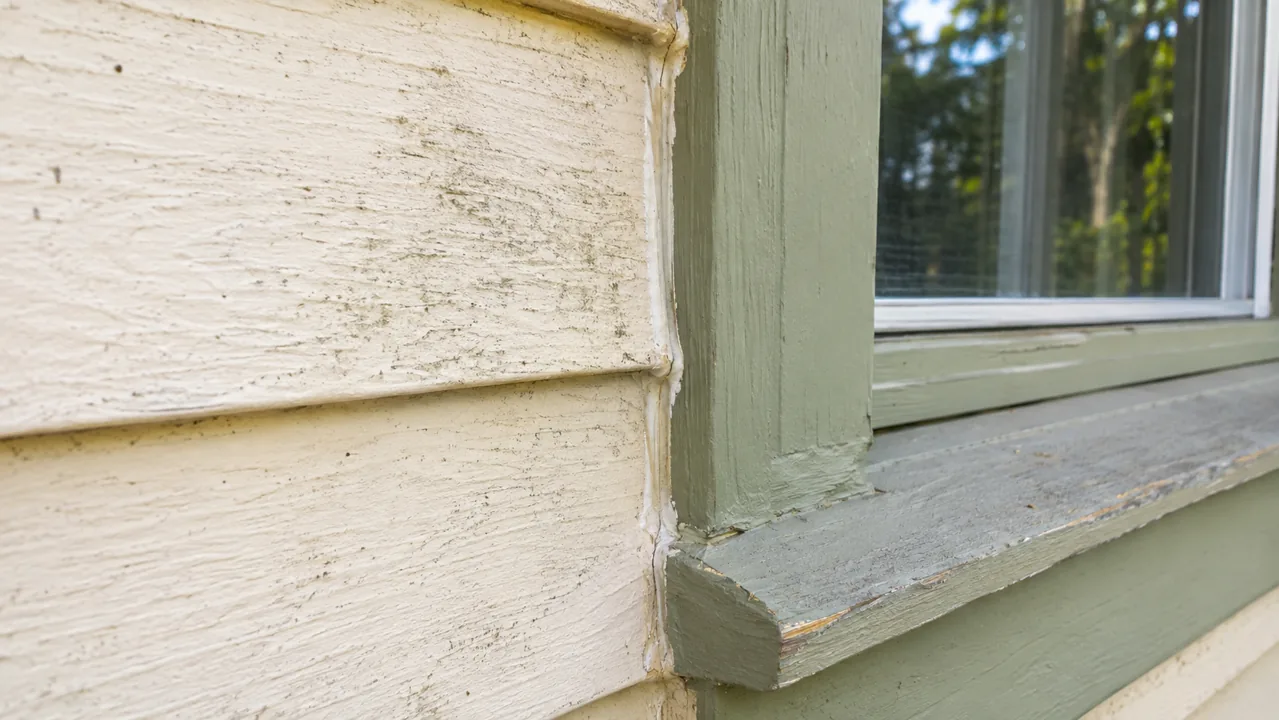
A useful first message can say that one shaded elevation has visible discoloration, the siding product is known, and the trim coating is not. That supplies three distinct facts without deciding the treatment. Attach the care information you already have and show the transition in a photograph. This is an example of organizing a request, not a recommendation for a particular chemical, product or washing process.
Lower pressure does not establish universal compatibility
An exterior can contain several materials within a small area: siding, painted trim, a window surround and a metal fixture. Calling the work low pressure does not explain how each of those features is being considered. Identify the different surfaces in the request and show their junctions in photographs. Where you know the product or manufacturer, provide that information. Where you do not, keep the uncertainty visible so the scope can address it.
Manufacturer guidance can place limits on cleaning a particular product. CertainTeed, for example, advises against power washing its vinyl or polymer siding because of identified risks. That specific guidance should not be generalized into a recipe for all other materials, but it demonstrates why the label on a service is not enough. Ask how the relevant care instructions will inform the proposal. Do not treat a broad claim of gentle cleaning as permission to disregard a material’s own restrictions.
Describe the wall and the finish as two facts
The material beneath a finish and the exposed coating are not always the same information. An owner may recognize masonry while the painted outer layer has its own history and condition. Similarly, a siding description may leave out an applied coating or a repaired section. Include what you know about both. If paperwork from installation, painting or previous maintenance is available, it can help make the request more specific without requiring you to identify the product visually.
Photograph finish transitions and existing wear from an accessible location. A wall that looks consistent from across the yard may contain patches or areas with different exposure. The purpose is not to diagnose every issue before asking for help. It is to keep the estimate from assuming one uniform condition. Cleaning visible buildup, correcting a failed finish and making an old repair blend into the wall are different objectives that should not be silently combined.
Show openings and existing deterioration in context
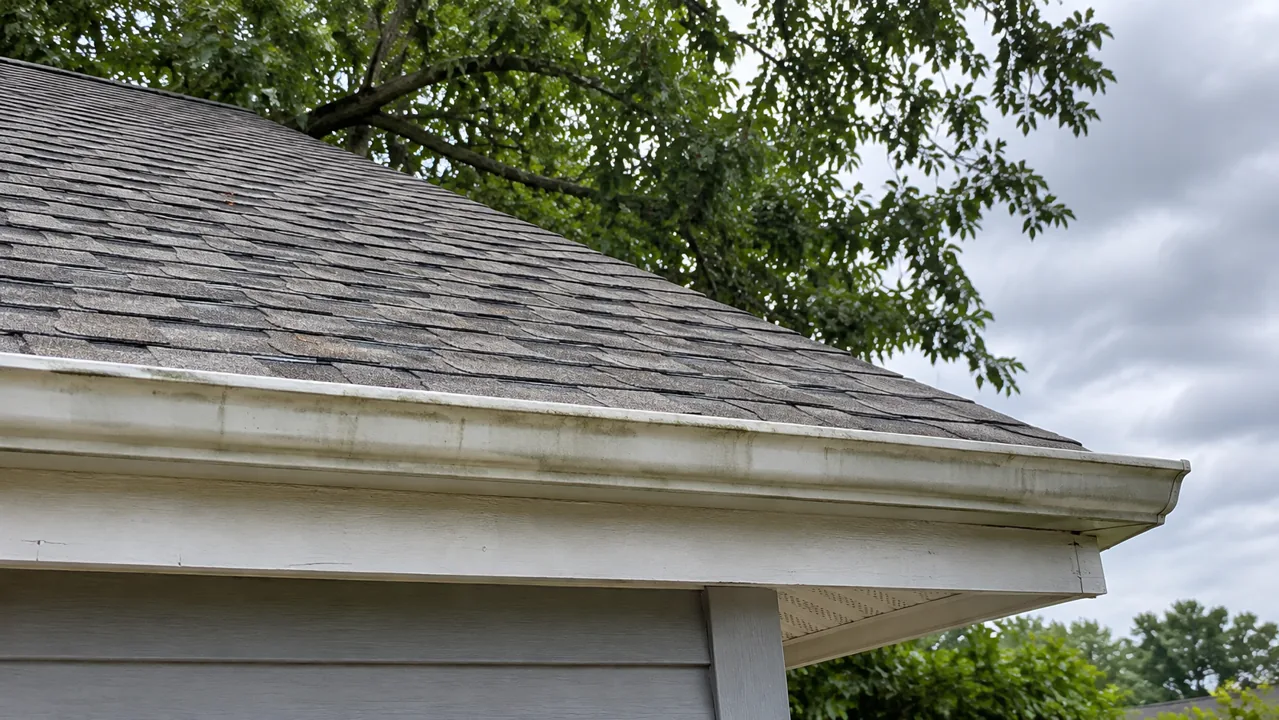
Windows, doors, vents, seams and wall penetrations are part of the actual exterior being discussed. Include a broad view that shows where the requested cleaning area sits in relation to them. Mention a known leak, loose trim or damaged seal rather than assuming that washing will correct it. A useful request distinguishes a surface appearance concern from an existing building-condition concern that may need separate attention.
Do not climb to obtain a close photograph for a quote. Ground-level context and an honest description of what you cannot inspect are useful. The provider can then explain what additional review is needed. An image of a roof edge or upper wall is not a finding that its connections are sound. A washing proposal should not become a structural inspection, waterproofing promise or repair commitment simply because those features appear near the area being considered.
Describe the pattern without naming its cause
Dark streaks, green-looking patches and uneven coloration often lead owners to ask about soft washing. Record where the pattern appears and what you have noticed about it. Is it concentrated below a fixture, on one shaded elevation or along a particular edge? Those observations are useful without establishing a biological diagnosis. They help describe the question while leaving the actual cause open where it has not been verified.
Photographs can change with lighting and surface moisture, so send context as well as detail. An owner who knows a previous coating or repair history should include it. A cleaner-looking wall would not, by itself, show that a source of moisture or another underlying issue has been resolved. Keep the requested washing objective focused on the visible area. Separate diagnostic or repair concerns before assuming they will disappear with the discoloration.
Ask how the proposal accounts for product instructions
A customer can ask about suitability without requesting a chemical recipe. The useful question is whether the proposed product and method fit the identified material, finish and applicable care instructions. If the finish is unknown, ask how that uncertainty affects the scope. An answer that simply repeats low pressure does not address all of those points. The proposal should make the surface boundaries and any limitations understandable.
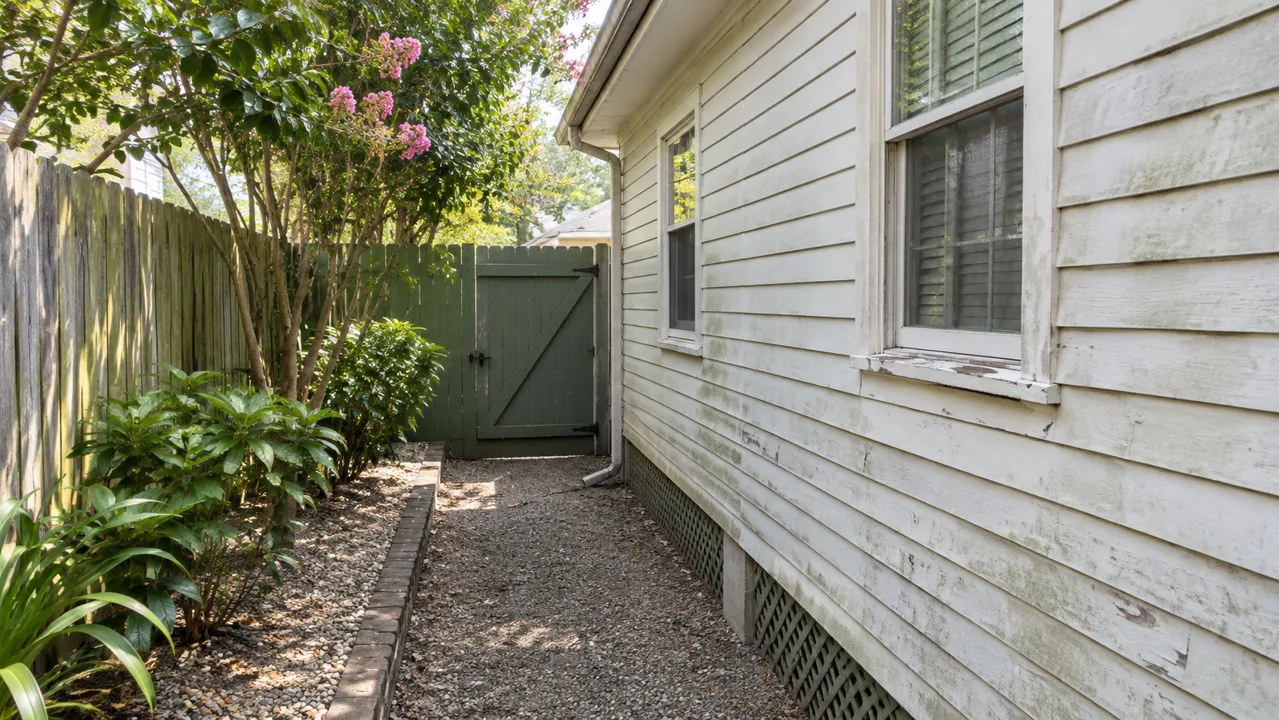
Also describe nearby features that matter to the request, including planted areas, fixtures and spaces that remain occupied. Those details help frame the work discussion; they do not establish a guarantee of no damage. Avoid assuming that the word soft means every neighboring object can be treated alike. A realistic explanation acknowledges the property’s features and defines the proposed work without making universal environmental, plant-safety or material-safety claims that have not been substantiated.
Set an appearance objective without a fixed clean period
Different sides of a building can look different over time, and the same property may have shaded and exposed areas. Ask for the visible buildup to be reviewed without assuming a guaranteed period before new discoloration appears. A blanket claim that one method always stays clean longer does not describe the specific property. An estimate should focus on the proposed work and any stated limitations rather than an unsupported promise about every future condition.
The same distinction applies to surface life. Cleaning an exterior is not proof that its life has been extended by a particular amount, that an existing warranty is protected or that a failing finish has been restored. If a manufacturer’s care requirement is relevant, bring the actual information to the discussion. The useful outcome is a defined maintenance request with realistic expectations, not a claim that washing replaces repairs or controls everything that happens afterward.
Use comparison and service pages for different decisions
If you are deciding how soft washing differs from another approach, the existing washing-method comparison pages address that question. This definition should not compete with them by repeating a complete service comparison. If you already know which wall, roof or other area you want reviewed, use the relevant service page to begin a property-specific discussion. The request should follow the actual surface rather than treating an entire property as automatically eligible for one method.
For a CoKo’s estimate, send the location, the areas you want considered, known material and finish information, and photographs taken from a place you can access normally. Mention existing damage and questions that remain unresolved. Start through the free online quote at cokospressurewashing.com/quote or text 504.296.9696. Keep cleaning expectations separate from repairs, product warranties and any fixed promise about future growth so the proposed scope can be reviewed on its actual terms.
Existing washing comparison
These retained comparison photographs illustrate the existing website example; they do not document the anonymous properties shown in this guide.


Questions about this washing request
Continue with a specific question
More existing resources: Online quote · soft washing · off
Send your address. Show us what needs cleaning.
Text your address, a wide photo and a close-up of the buildup. We’ll review the surfaces and discuss your cleaning options.
Text photos for an estimate Start an online quoteCoKo’s Pressure Washing · (504) 296-9696