
Commercial exteriors · Greater New Orleans
Commercial gum removal.
The deposits. The concrete. A clear scope.
Text the affected entrance or walkway, concrete details and priority spots. Let’s review the deposits and the surrounding washing scope.
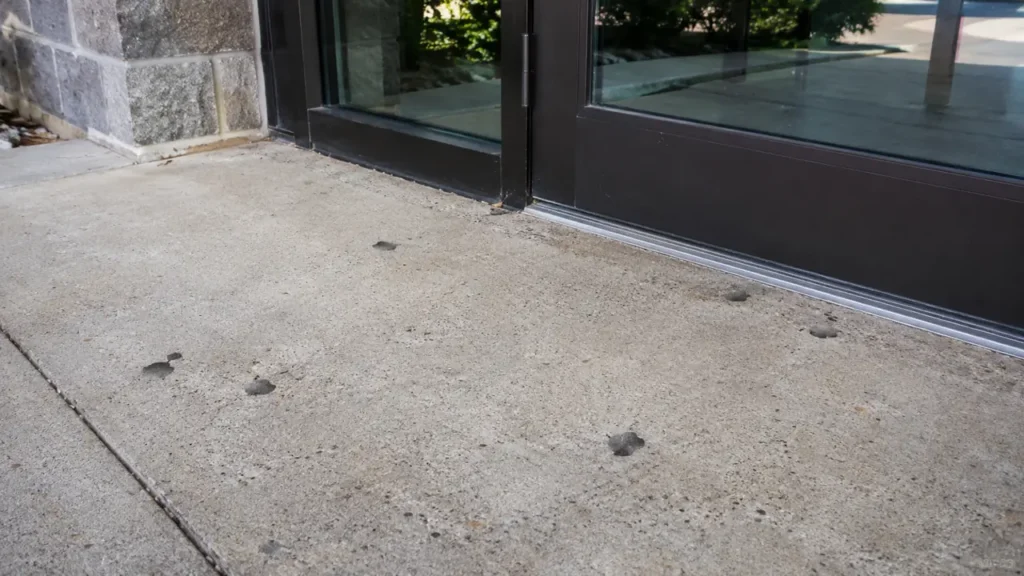
Your property. Your priorities. A clearly defined scope.
Map the deposits before choosing the washing area
Old chewing gum on commercial concrete is often a collection of individual deposits rather than one even layer of dirt. That makes the requested result and the boundary of the work important from the start. CoKo’s reviews commercial concrete gum-removal inquiries in Greater New Orleans and the Westbank as a defined surface-cleaning task. Show where the deposits are concentrated, identify the paving and explain how the entrance or walkway is used. Distinguish spot-focused gum work from washing the surrounding concrete so the proposal addresses the appearance improvement your property actually needs.
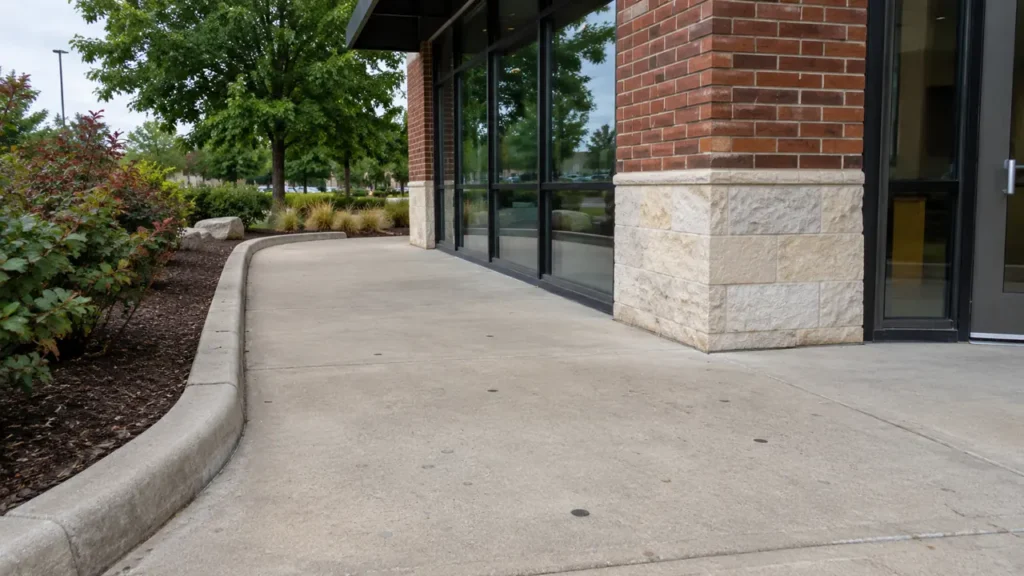
Start with a wide photograph that locates the affected pavement relative to the business entrance. Then show a representative close view. A row of deposits beside a queue position is a different request from occasional marks spread along a shopping-center walkway. Identify the beginning and end of each area, using doorways, paving joints or other references the property contact can recognize. Approximate dimensions already available can help describe the setting without pretending that area alone predicts the work.
Tell us whether the priority is selected conspicuous spots or the broader appearance of the concrete. Removing visible gum deposits does not automatically include washing every adjoining slab, curb or wall. Conversely, a general pavement wash should not be assumed to include detailed treatment of every deposit unless the scope says so. A clear location map helps the owner compare proposals for the same task instead of treating the words sidewalk cleaning and gum removal as interchangeable promises.
Identify the concrete and any coating
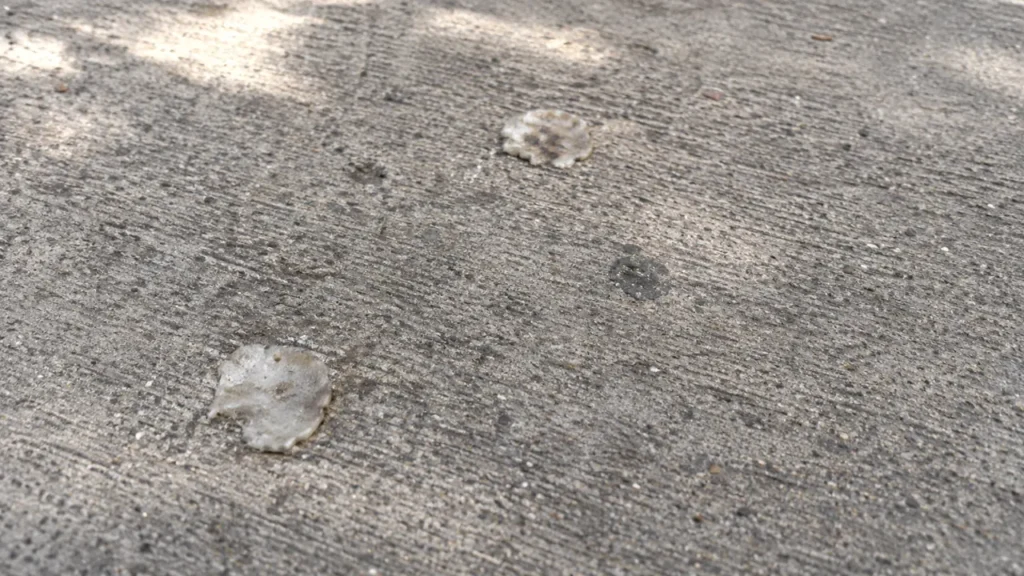
Describe the actual surface carrying the gum. Broom-finished concrete, exposed aggregate, decorative concrete and coated pavement should be identified separately when present. Send available coating or product records and disclose recent repairs. An area outside the same storefront can contain several finishes, so one close photograph should not stand in for every section. If the finish is unknown, make that uncertainty part of the inquiry before a treatment is selected.
Point out damaged joints, loose material, cracks and worn coatings. Washing does not repair those conditions. A deposit on a fragile or failing finish may need a different decision from a deposit on sound uncoated concrete. Do not extend a proposed concrete treatment to nearby stone, asphalt, painted markings or another material simply because the spots look similar. The method still needs to fit the surface beneath the gum, and an uncertain section should remain open for review rather than being included under an assumed universal process.
Distinguish removable material from the mark beneath
Show thick deposits, flattened spots and the lighter or darker outlines around them where visible. Describe what is known about previous cleaning attempts without claiming that every black mark is gum. Oil, sealant, surface damage and other residues can resemble old deposits in a distant picture. A useful review separates the material sitting on the pavement from staining or wear that may remain after that material is addressed.
No complete stain-removal or uniform-color result is promised. A spot can leave a visible difference because the concrete beneath it has aged or collected soil differently from the surrounding area. Explain whether that possibility affects the property’s expectations, especially in a highly visible entrance. Ask the proposal to distinguish deposit removal from any broader concrete cleaning or separate stain assessment. That distinction makes the intended improvement easier to understand than a promise that every treated spot will disappear without a trace.
Review heat as an approach rather than a guarantee
Heated washing can be part of the discussion for stubborn commercial deposits, but the word heated does not specify a suitable treatment for every paving finish. CoKo’s reviews the identified concrete, coating, deposit pattern and surrounding conditions before agreeing on an approach. Customers do not need to choose a temperature, nozzle or pressure setting to start an inquiry. Describe the problem and provide the available surface information instead.
The existing gum-removal article explains the broader relationship between heat and technique. This service inquiry concerns the actual area to be reviewed, included work and operating arrangements. Do not assume that a machine label guarantees removal speed or a particular final appearance. Where a representative area needs closer assessment, discuss that before extending the same expectation across the property. The agreed scope should remain tied to the actual surface and deposits, with limitations visible rather than hidden behind a general promise to use stronger equipment.
Plan around entrances, queues and adjoining businesses
Explain who uses the affected pavement and when it can be made unavailable. The most visible gum concentration may be directly outside the only customer entrance or along a shared route serving several tenants. A quiet photograph taken before opening does not establish that the area will be clear during a proposed visit. Identify the manager who can confirm preparation and the access arrangements the property can support.
Include queue positions, deliveries and employee approaches that intersect the requested section. Phasing can be reviewed where the paving and operating routes allow meaningful separation, but every small storefront landing does not support it. An off-hour request also needs actual agreement on access, lighting and site restrictions. Do not assume a universal reopening time or uninterrupted public access throughout the task. The operating plan should describe a workable unavailable area and the person responsible for confirming that arrangement before scheduling depends on it.
Have the property photos?
Let’s define the next step.
Send the address, requested surfaces and the contact who can confirm access.
Make the work area reachable and ready
Identify portable signs, mats, merchandise displays, planters and furniture occupying the affected pavement. Decide who can move them and where they can remain without blocking the route needed for the work. Treat the cleaning or handling of those items as a separate question rather than automatic inclusion. A small entrance with many fixtures can require more preparation than a larger open slab, even when the gum deposits appear similar.
Show the permitted equipment approach and the water connection offered for review. Mention narrow passages, gated sections, steps and fixed obstacles. For leased premises, confirm who can authorize work on the common walkway rather than relying only on a tenant’s request. The property contact should also identify nearby electrical fixtures and other vulnerable installations relevant to the agreed area. These details help turn a spot-removal request into a realistic commercial work scope without presuming access or permissions that have not been established.
Review loosened material and washing-water arrangements
Show visible drains, curb edges, planted borders and low points near the affected concrete. Supply any site requirements for handling washing water and loosened residue, and identify the contact who can resolve drainage questions. The presence of a grate does not by itself establish an appropriate destination. Gum-removal work should not be described as permission to wash material toward any convenient drain or neighboring property.
Keep interior thresholds, parked vehicles and neighboring business entrances visible in the planning photographs. If an arrangement for the requested area cannot be established appropriately, leave that section pending rather than treating the entire walkway as automatically suitable. This page does not promise a particular collection system or discharge authorization. It explains the site information needed to assess a defined task. Known drainage repairs or blocked outlets remain separate maintenance questions and should not be assumed to be corrected by cleaning the concrete around them.
Compare the defined task and keep a practical record
A useful quotation identifies the affected sections, the requested deposit work and any surrounding concrete washing. Review exclusions, preparation responsibilities and uncertain surfaces alongside the total. A price for selected entrance spots should not be compared as though it covers a long shared walkway. Explain additions before treating them as part of the approved job, especially when another tenant requests work nearby.
After an agreed service, retain the area references and appearance expectations for the property’s maintenance record. New deposits, fresh coatings or a changed queue layout may alter the next request. Avoid inventing a fixed removal interval for every business; inspect the actual condition and the areas that matter to customers. Text CoKo’s the address, wide and close photos, surface information, priority sections and authorized contact. For a larger commercial site, use the project form to explain access and washing-water requirements together with the requested gum-removal boundary.
A practical start.
Three useful steps.
Show the surfaces
Send wide photos and close views. Label the buildings and the areas that matter now.
Set the boundaries
Explain materials, access, preparation and the work window your property can support.
Review the scope
Confirm included surfaces, responsibilities and the next step before scheduling.
Commercial Concrete Gum Removal.
Your questions, answered.
Your next exterior project.
Start with a clearer scope.
Text your address and the priority exterior photos. For a larger project, send the full property details.
Send your address. Show us what needs cleaning.
Text your address, a wide photo and a close-up of the buildup. We’ll review the surfaces and discuss your cleaning options.
Text photos for an estimate Start an online quoteCoKo’s Pressure Washing · (504) 296-9696