
Commercial exteriors · Greater New Orleans
Auction House exterior washing.
Plan preview, sale and collection access.
Text current property photos, requested outside surfaces and the operating restrictions that affect access. Start with a clearly defined commercial washing scope.
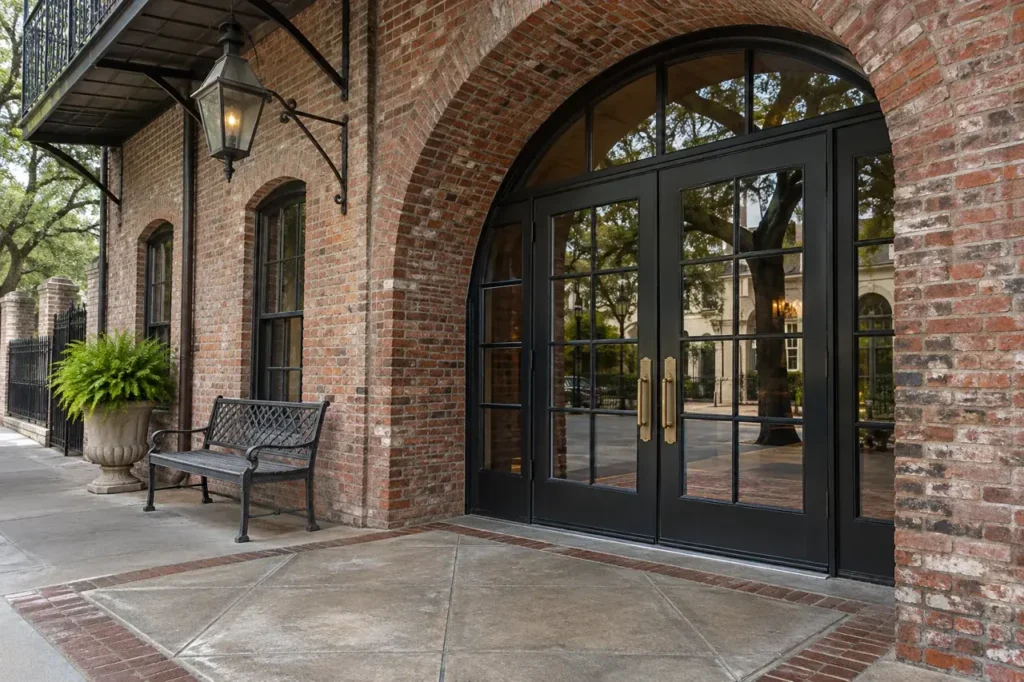
Your property. Your priorities. A clearly defined scope.
Read the front building and storage elevations separately
An auction property can shift from a quiet preparation building to a busy preview entrance, then into a collection site where buyers arrive for individual lots. Exterior washing needs to be discussed around that sequence. CoKo’s considers roof, building and suitable outdoor hard-surface washing for auction-house premises in Greater New Orleans and the Westbank. The request concerns the outside property surfaces. Auction lots, antiques, vehicles, furniture, display contents and the handling of purchased goods are separate from this service. Start with current photographs of the building and the exterior areas you want reviewed. Explain the preview dates, sale-day entrance and collection arrangement without assuming that the property becomes available as soon as bidding ends.
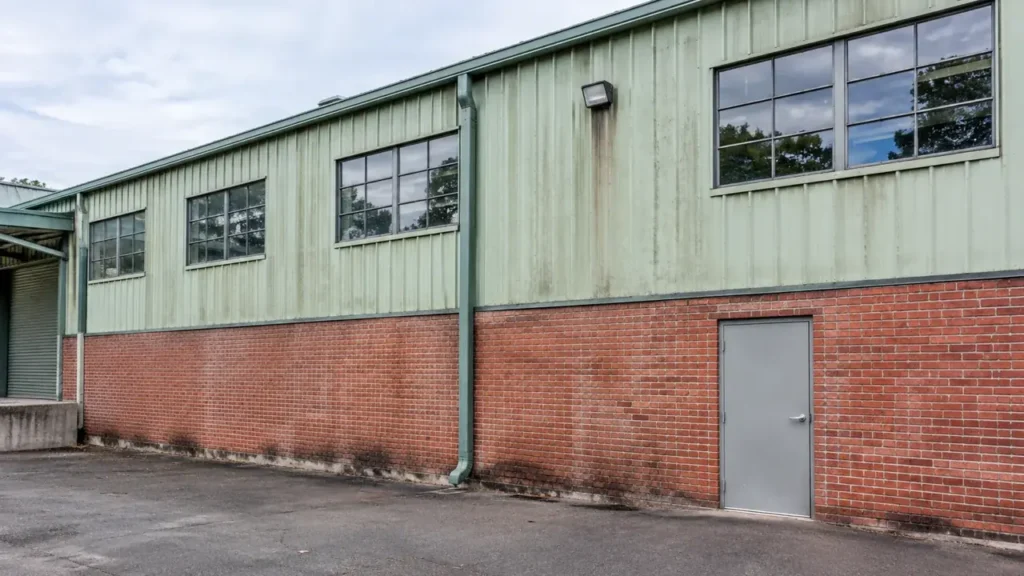
An auction house may combine a public showroom frontage with a warehouse addition or several attached building sections. Describe the actual roof and wall materials in the requested areas. Include a wide photograph showing how the public entrance connects to the rest of the property, then closer pictures of the surface concerns. Naming the front elevation, storage side and collection doorway is more useful than asking generally for the auction building to be washed.
Disclose repaired finishes, loose trim, damaged coatings and known opening problems. Washing cannot correct those conditions. A proposal needs to distinguish suitable surface-cleaning work from repairs that require another provider. If the roof is requested, provide existing material information and safe ground-level views of visible edges. Do not climb onto a building for estimate photographs. Keep different roof sections separately identified so the review of one part does not become an assumption about every connected structure on the auction property.
Show the preview entrance as visitors approach it
Preview visitors may arrive at different times and pause near the public doorway before entering. Photograph the normal route between visitor parking and that door. Include the landing, canopy supports, steps or pavement transitions and any sheltered space used while waiting. A picture looking back from the entrance helps explain the relationship between parking, the waiting area and the building frontage. These details establish the actual outside area being considered rather than just its approximate size.
Identify the entrance the operator intends visitors to use during the period being discussed. A collection or warehouse door should not automatically be treated as an alternative public entrance. That is a business decision to resolve before an exterior proposal relies on it. Where the auction house shares a walkway or approach with another tenant, show the connection and identify who controls the common space. The estimate can then distinguish the auction operator's requested surfaces from broader property-access arrangements.
Keep sale lots and display contents outside the washing scope
Auction lots may be moved through several areas before and after a sale. Show any goods normally staged near the requested exterior surfaces and explain who can make those areas available. A wide photograph can reveal a cabinet, display rack or collection item immediately beside a wall that a close stain picture would miss. The washing request should refer to the building or suitable pavement, not to the contents of the auction.
Do not presume that a washing crew will move furniture, handle fragile objects or decide where purchased lots can wait. The operator needs to arrange its own goods and customer collections. If items cannot be cleared from a proposed area, disclose that limitation before scheduling is discussed. This separates an exterior-cleaning proposal from inventory movement, sale preparation and responsibility for property belonging to sellers or buyers. It also avoids treating an apparently empty area as available when it is reserved for the next stage of the auction.
Describe sale-day arrivals without assuming the whole site closes
The public entrance may be used differently on sale day than during a preview. Explain whether visitors arrive in a short period, queue outside or leave through another door. Identify any portion of the outside area that the operator intends to keep available. The first request does not need to predict a cleaning duration; it needs to explain the real business movement that affects the requested building surfaces and pavement.
A gap between preview and sale should not automatically become a washing window. Staff may still be arranging lots, receiving consignments or preparing the public areas. Describe those activities in ordinary language and identify the person who can confirm an arrangement. If the proposed work cannot be separated from visitor movement, say so early. The scheduling conversation can then consider a different time or boundary rather than relying on people to improvise a route through the property after work has begun.
Identify signs, windows and historic-looking details
An auction-house frontage can have window lettering, display glazing, projecting signs or decorative masonry close to the requested surface. State whether the concern is the surrounding wall, the canopy face, support columns or the pavement. A general building request should not imply specialist glass restoration, sign repair, film removal or treatment of displayed objects. Those items need their own decisions even when they appear together in a single photograph.
Explain what is known about older or unusual finishes without guessing at their condition or significance. Include visible damage and existing repair plans in the first request. If another provider is repairing trim or repainting an elevation, describe the intended order so a washing discussion can fit around it. The estimate should be based on the material and current condition of the actual property. Appearance alone does not establish that a surface is suitable for a particular washing method or that cleaning can restore a damaged finish.
Have the property photos?
Let’s define the next step.
Send the address, requested surfaces and the contact who can confirm access.
Give purchased-lot collection a separate outside plan
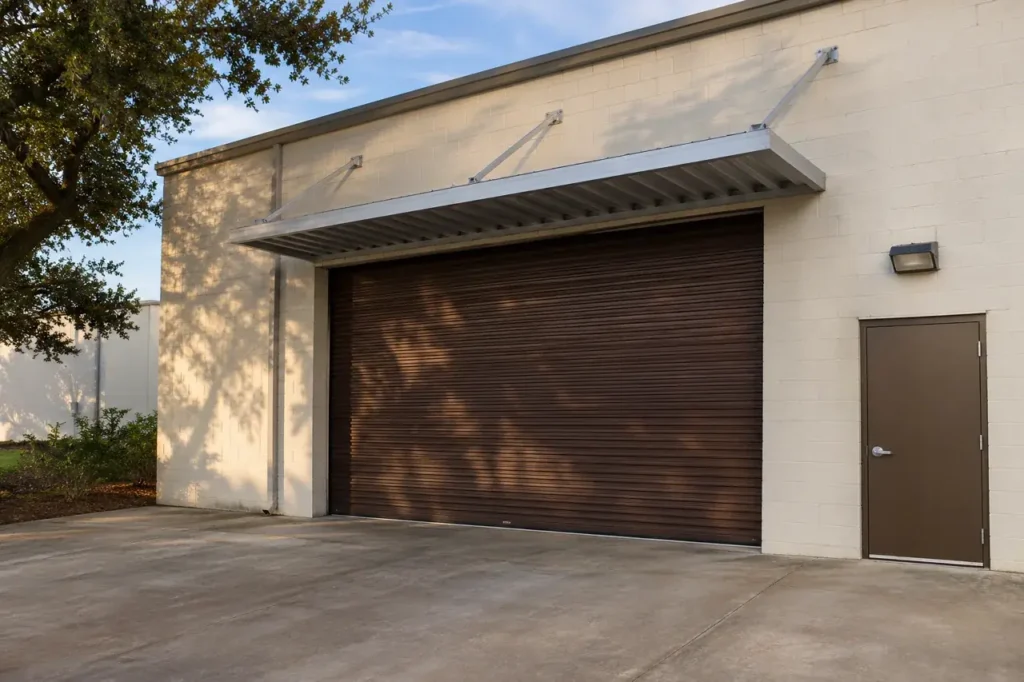
The collection period may continue for days after the public sale. Photograph the actual collection doorway, its pavement and the route vehicles use to reach it. Explain the operator's pickup pattern and any scheduled collections already expected. If buyers use one area to wait while staff retrieve goods, show that relationship. The requested washing area needs a recognizable boundary that can be discussed alongside the business's own collection arrangement.
Do not assume that the end of bidding means goods have left the building or that a receiving apron is unused. Collection, consignment deliveries and staff movement can overlap. The operator should identify which arrangement it can provide and who will confirm changes. Exterior washing does not include handling purchased lots or directing their collection. A defined access discussion keeps those responsibilities separate and helps the proposal distinguish suitable outside property surfaces from areas still needed for the auction's normal operation.
Confirm property authority and the order of priorities
An auction operator may lease the showroom while another party controls the roof, side elevations or common drive. Identify who can authorize each requested area. If another tenant uses the same approach, include that relationship in the overview photographs. There is no need to guess what the property agreement permits. The proposal can separate an authorized entrance request from additional building or pavement work that still needs a landlord or property-manager decision.
List immediate priorities separately from optional areas. The preview frontage may be the current concern while a collection-side wall is an additional item for review. Keeping those areas distinct makes condition, access and approval easier to discuss. Also provide the preview, sale and collection dates relevant to the request. A useful operating window accounts for the whole sequence, not simply the day on which the auction is advertised to the public.
Build an estimate request around the current auction schedule
Send the address and the person coordinating the property request. Add a full-building view, the visitor entrance, the collection doorway and close photographs of the exterior concerns. Label each area so the reviewer can connect the photographs to the proposed scope. Show goods or fixtures affecting access and disclose known damage. Current photographs are more useful than an older listing image that no longer reflects the arrangement for the next sale.
Then explain which surfaces you want priced, the areas you are only asking about and any authorization still being arranged. CoKo’s can use those notes to discuss a defined exterior washing scope and remaining questions. Text photographs first when convenient, or use the commercial project-details route to organize the building information together. The request begins a review of suitable outside surfaces; it does not promise that all materials, goods or property areas can be included by the same method.
A practical start.
Three useful steps.
Show the surfaces
Send wide photos and close views. Label the buildings and the areas that matter now.
Set the boundaries
Explain materials, access, preparation and the work window your property can support.
Review the scope
Confirm included surfaces, responsibilities and the next step before scheduling.
Auction House Exterior Washing.
Your questions, answered.
Your next exterior project.
Start with a clearer scope.
Text your address and the priority exterior photos. For a larger project, send the full property details.
Send your address. Show us what needs cleaning.
Text your address, a wide photo and a close-up of the buildup. We’ll review the surfaces and discuss your cleaning options.
Text photos for an estimate Start an online quoteCoKo’s Pressure Washing · (504) 296-9696