
Commercial exteriors · Greater New Orleans
Tile roof washing.
Material first. A clearer scope.
Send the address, requested surfaces and clear property photos. We’ll review materials, operating access and a practical work window.
Your property. Your priorities. A clearly defined scope.
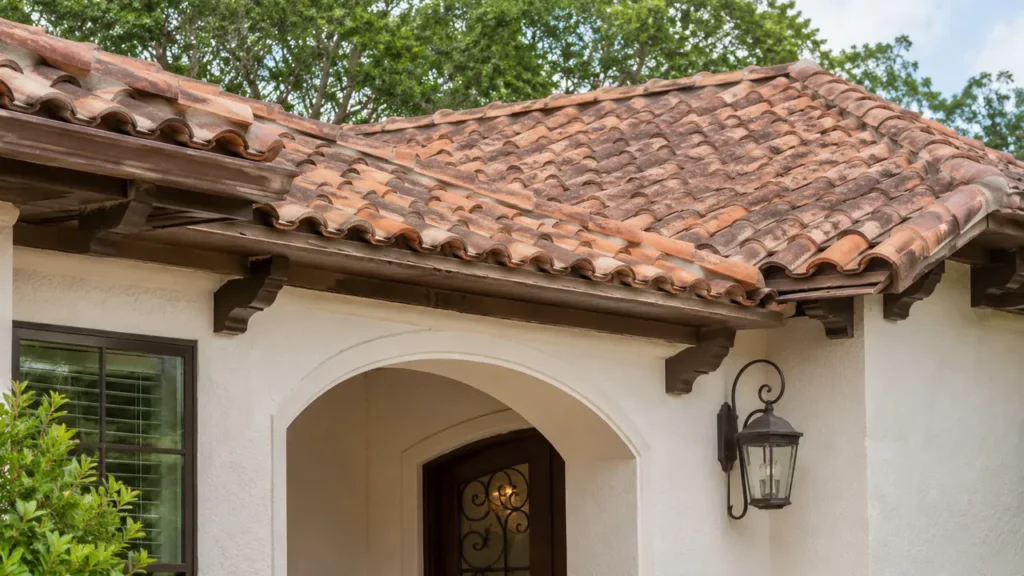
Identify the tile product and exposed finish
Tile roof washing calls for a closer description than a roof color and a street address. Clay or concrete tiles, a later coating, roof additions and the areas beneath the eaves all affect the washing request. CoKo’s reviews suitable tile-roof washing inquiries in Greater New Orleans and the Westbank against the material and access information available. Begin with safe ground-level photographs and any roof records the owner already holds. Keep appearance washing separate from leak investigation, tile replacement and coating work so the next conversation concerns the service actually being requested.
Start with the manufacturer and product name in the owner’s installation or repair records. A curved profile does not establish whether a roof is clay or concrete, and an apparently flat surface is not a complete material description. Tell us when that information is unknown. Existing invoices, product sheets and the roofing contractor’s records can be more useful than an attempted identification from a distant photograph.
Explain whether the tiles have been painted, sealed or otherwise treated since installation. The finish exposed today may differ from the original product, and a care instruction for an uncoated tile may not answer questions about a later coating. Identify the treated roof planes and provide the product information where available. Separate an original main roof from a differently finished addition in the request. This gives the washing review a factual starting point without assuming one treatment applies across every tile visible from the street.
Map the roof planes and transitions
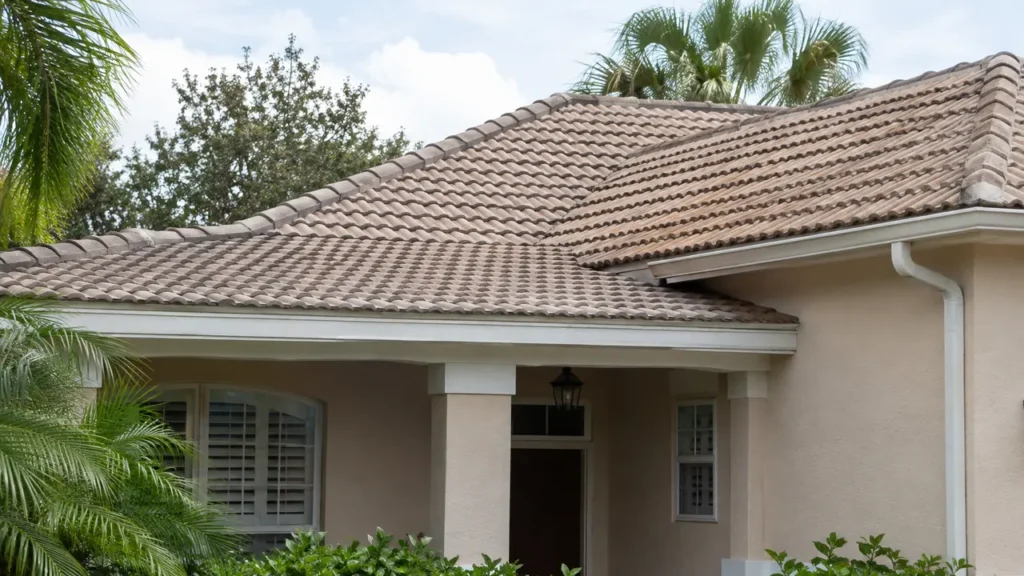
Label the roof areas using names the owner can recognize: front entrance, courtyard side, main building or lower porch. Include detached structures only when they are part of the inquiry. An approximate roof drawing already held by the property can clarify valleys, changes in level and areas hidden behind an adjoining roof. Building footprint measurements alone do not describe the sloping surfaces to be reviewed.
Photograph the meeting points between the main roof, lower covers and adjoining walls from a safe position. Those relationships matter when defining boundaries and understanding what lies below the work. Do not group a tile-covered entrance, a flat addition and a metal canopy under an unqualified instruction to wash everything overhead. List unlike materials separately, with the priorities in order. The proposal should identify which planes are included and which need more information, rather than allowing an attractive front view to stand in for the complete roof layout.
Distinguish surface buildup from changing appearance
Describe the visible pattern that prompted the inquiry. A shaded roof plane may have different buildup from the sun-exposed frontage; marks near a tree or below a roof feature may be concentrated in a smaller area. Send an overview that locates the concern and a closer view only where it is safely visible. Avoid assigning a cause solely from a photograph or treating every dark patch as the same material.
Existing fading, repairs, replacement tiles and coating differences can remain noticeable after washing. A pale deposit also deserves identification rather than an automatic promise that a stronger cleaner will remove it. Eagle Roofing’s concrete-tile FAQs discuss cleaning, color changes and surface deposits as different questions. That manufacturer resource supports a product-specific discussion; it does not identify the tiles on your building or establish a treatment for every clay or concrete roof. Explain whether the owner wants general surface-soil removal or has a particular mark that needs separate assessment before any result is promised.
Put roof defects with the appropriate provider
List known broken or displaced tiles, leaks, damaged flashing and recently repaired sections before washing is considered. Identify the affected plane and share the repair contact’s relevant restrictions where available. Do not climb up to confirm a suspected defect for a cleaning quote. An owner’s observation from the ground can identify a question that needs roofing attention without pretending to be a full condition inspection.
Washing is not a substitute for tile replacement, flashing repair or evaluation of the roof beneath the visible tiles. A surface that looks cleaner has not thereby been certified watertight. When a defect could affect the proposed work, arrange the appropriate roofing review and explain which areas must remain excluded until that question is resolved. Keep responsibilities clear between the owner, roofing provider and washing scope. That separation avoids accepting an appearance-cleaning proposal under the mistaken expectation that it also addresses a leak or provides a roof-condition report.
Review access without using the tiles as a route
Ground-level photographs, existing roof plans and the property’s maintenance records are appropriate starting materials. Show available approaches around the building, including narrow side passages, gates, landscaped borders and lower roof sections. Explain what the owner can authorize and which areas are restricted. A roof hatch, adjacent balcony or stored ladder does not by itself establish an appropriate route for a washing project.
Do not walk onto the roof to improve a quote photograph. Eagle Roofing advises controlled professional roof access because foot traffic presents risks to people and tiles. The feasible arrangements for this property must be reviewed before work is accepted; this page does not promise a particular high-access system or that every roof can be reached from the ground. If information is insufficient, identify the unresolved access question rather than selecting a method first. The person approving the project should know whether further property assessment is needed before scheduling can be discussed meaningfully.
Have the property photos?
Let’s define the next step.
Send the address, requested surfaces and the contact who can confirm access.
Connect eaves and valleys to the property below
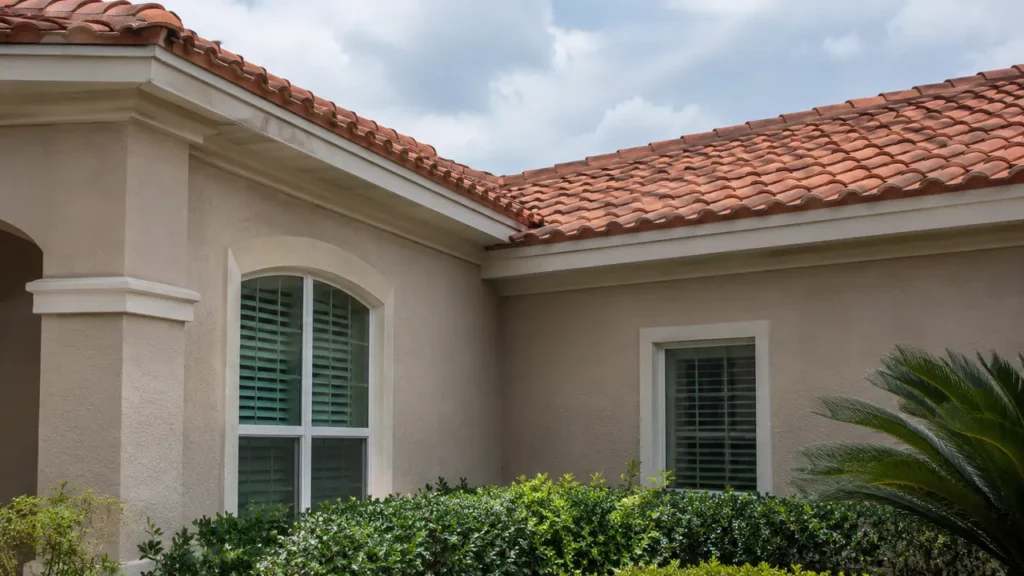
Show the eaves, visible gutters, downspout outlets and lower roofs in relation to the requested tile surfaces. Include courtyards, entrances, patios and planted areas beneath those edges. Describe known drainage problems separately, such as a damaged gutter or an outlet that the property has already restricted. Tile washing should not silently become a promise to repair drainage or clear every concealed roof channel.
Provide any property requirements for managing washing water and the contact who can answer questions about the site. Identify vehicles, outdoor furnishings and equipment that normally sit below the roof. Explain who can arrange appropriate clearance before an agreed work phase. A covered walkway may also be the building’s active entrance, so the manager should identify the access arrangements the property can support. The scope must account for the actual surroundings; it should not assume that roof runoff can be directed to any visible drain or that the area below is empty simply because a photograph was taken before opening.
Compare washing with coating and restoration proposals
Ask each proposal to name the tile planes, material assumptions and intended appearance work. Check whether gutters, adjoining walls or lower canopies are included, offered separately or excluded. A quote covering one courtyard roof should not be compared as though it covers the entire property. Where a finish or stain remains uncertain, make that limitation visible before comparing totals.
If repainting, sealing or another surface treatment is planned, involve the provider responsible for that separate work. Supply its written preparation requirements rather than using the phrase roof cleaning to imply a complete restoration process. The coating provider should determine readiness for its product against the actual roof conditions; do not assume a universal drying period. Cleaning does not renew a tile warranty or guarantee a new uniform color. Questions about product coverage belong with the applicable manufacturer or warranty contact, while the washing proposal should remain clear about its own defined task.
Organize a roof-specific estimate and future record
Text the address, labeled roof photographs, known tile and finish information, and the owner’s highest-priority planes. Include known repairs and the contact authorized to discuss access. Show the surroundings beneath each elevation and explain whether the property has tenants, visitors or deliveries using those areas. For a complicated roof, use the commercial project form to keep drawings, component lists and unresolved questions together in writing.
After a scope is agreed, retain those roof references for the next maintenance discussion. A replacement section, new coating, adjoining construction or changed use of the courtyard may alter a later request even though the street address is unchanged. Review the visible condition and current manufacturer information rather than assuming a fixed cleaning interval for all tile roofs. A useful maintenance record distinguishes prior washing from roofing repairs and explains the areas actually addressed, giving the owner a practical basis for requesting the next suitable service without relying on a vague instruction to repeat the last visit.
A practical start.
Three useful steps.
Show the surfaces
Send wide photos and close views. Label the buildings and the areas that matter now.
Set the boundaries
Explain materials, access, preparation and the work window your property can support.
Review the scope
Confirm included surfaces, responsibilities and the next step before scheduling.
Tile Roof Washing.
Your questions, answered.
Your next exterior project.
Start with a clearer scope.
Text your address and the priority exterior photos. For a larger project, send the full property details.
Send your address. Show us what needs cleaning.
Text your address, a wide photo and a close-up of the buildup. We’ll review the surfaces and discuss your cleaning options.
Text photos for an estimate Start an online quoteCoKo’s Pressure Washing · (504) 296-9696