
Commercial exteriors · Greater New Orleans
Metal roof washing.
Start with the roof you have.
Send the address, requested surfaces and clear property photos. We’ll review materials, operating access and a practical work window.
Your property. Your priorities. A clearly defined scope.
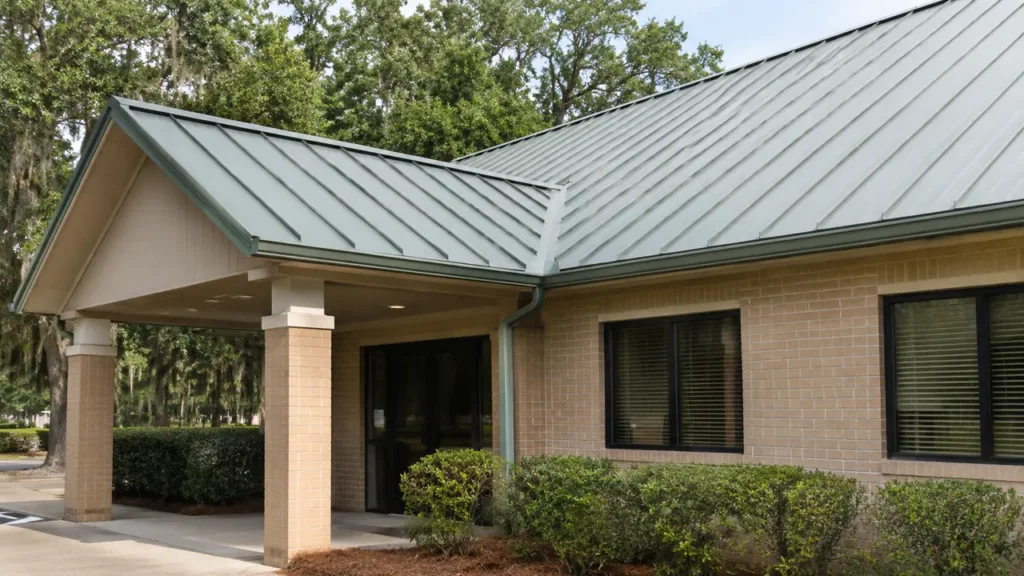
Identify the panels, finish and requested roof sections
A commercial metal roof washing request starts with the roof system and the finish already on it. A standing-seam office roof, an exposed-fastener warehouse roof and a lower loading canopy may need separate review even when they share the same property address. CoKo’s reviews commercial metal roof washing in Greater New Orleans and the Westbank, with the requested panels, access and surrounding operations clearly identified. Text safe ground-level photographs and any roof or coating information you already have. The aim is a suitable washing scope for the existing surface, with repairs and coating work identified as separate decisions rather than hidden inside a general cleaning quote.
Give each requested roof area a recognizable name: main warehouse, office entrance, rear canopy or detached service building. Include the approximate size where known and explain whether the whole roof or only selected sections need review. A roof plan or existing property drawing can help locate areas that cannot be photographed clearly from the ground. Do not estimate the washable roof area from a building’s street frontage alone.
Share the panel manufacturer, installed system and finish information if available. Painted panels and unpainted metallic finishes should not be grouped together without identifying the difference. McElroy Metal’s coating information explains why the finish matters to painted-panel performance. That supports asking for the actual product information instead of assuming every metal roof has the same surface. If records are missing, say so; uncertainty belongs in the review rather than being replaced with a guessed coating name.
Separate removable buildup from roof-condition concerns
Describe what prompted the request: visible dirt, streaked areas, accumulated surface material or a roof that looks different from the rest of the building. Photograph the pattern as well as a closer view where it is visible safely. An isolated mark below equipment, a broad shaded section and an area with a visibly failing finish are different observations. They should not automatically become the same cleaning instruction.
List known leaks, corrosion, loose components and recent repairs separately. Washing is not a way to tighten fasteners, seal penetrations or restore a damaged coating. A cleaner-looking surface also does not certify that the roof is watertight. The owner’s roofing contact should address those maintenance questions where needed. Keeping the cleaning objective separate helps establish realistic expectations for remaining marks and prevents the proposal from appearing to include repair work that was never inspected, specified or priced.
Bring manufacturer guidance into the review
Provide the owner’s maintenance manual and any cleaning restrictions supplied for the installed roof or a later-applied coating. If a roof has been repainted, the original panel information may not describe the exposed finish today. Include the coating contractor’s records when available and identify which roof sections received that work. A product name, application date and relevant care document are more useful than an unsupported assurance that the surface is washable.
Ask for the proposed washing approach to be considered against those records and the observed condition. The quotation process should not begin with a universal pressure setting, chemical recipe or claim that all stains will disappear. Warranty questions remain with the applicable manufacturer or warranty provider; CoKo’s does not promise that a wash preserves coverage on an unidentified system. Where an instruction is unclear, resolve it with the appropriate product contact before that area becomes part of an agreed job.
Show the access around every roof elevation
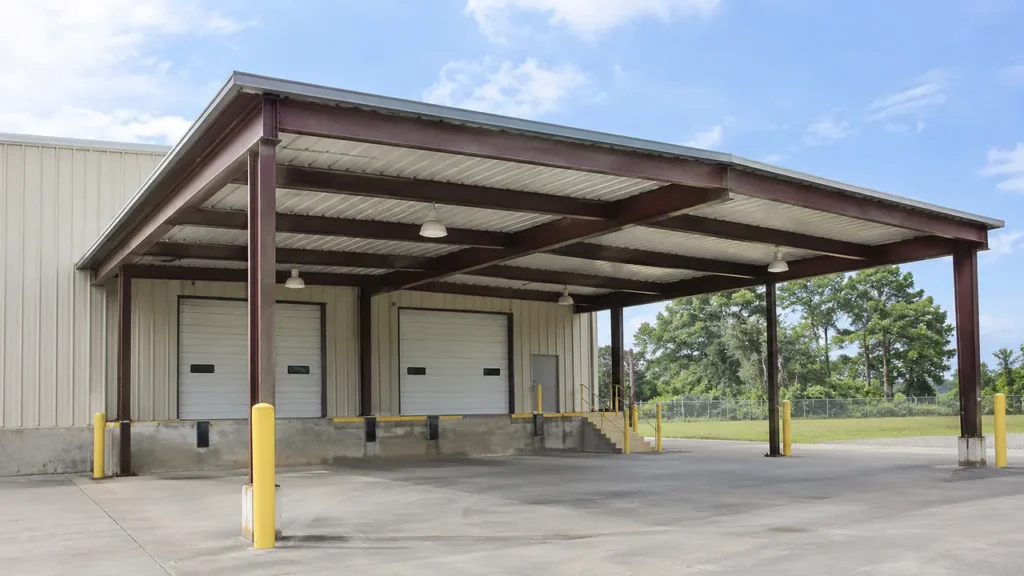
A broad roof can be difficult to assess from one attractive front photograph. Show the accessible sides, lower canopies, loading areas and changes in building height. Identify the gates, fixed obstructions and occupied spaces beside each requested elevation. Include the locations of exterior fixtures or equipment that affect access, while leaving any restricted technical area under the owner’s control.
Use existing drawings and safe ground-level pictures for the initial request. Do not climb onto a metal roof to obtain quote photographs. MBCI’s maintenance guidance treats roof access and foot traffic as matters requiring control. A property review must establish an appropriate access plan for the actual building; the presence of a ladder or roof hatch does not, by itself, establish that plan. Tell us who can authorize access and who can answer roof-system questions if the washing review identifies missing information.
Coordinate the roof scope with business operations
Identify what happens directly below the requested sections. An office entrance may stay busy while a rear warehouse elevation has a scheduled delivery window. A covered loading position may need coordination with several tenants. Explain the route that people and vehicles must retain, and identify whether parked vehicles or stored materials can be relocated by the property before an agreed phase.
Give the dates and operating windows that the manager can actually support. When separate roofs become available at different times, label those phases rather than assuming one uninterrupted visit. Include any other contractor working at the eaves, walls or rooftop equipment. The property contact should confirm preparation and access arrangements before scheduling. Weather and unresolved roof-condition questions can affect the final plan, so a requested calendar date should not stand in for an agreed scope and a roof area that is ready for the proposed work.
Have the property photos?
Let’s define the next step.
Send the address, requested surfaces and the contact who can confirm access.
Review gutters, runoff routes and adjacent surfaces
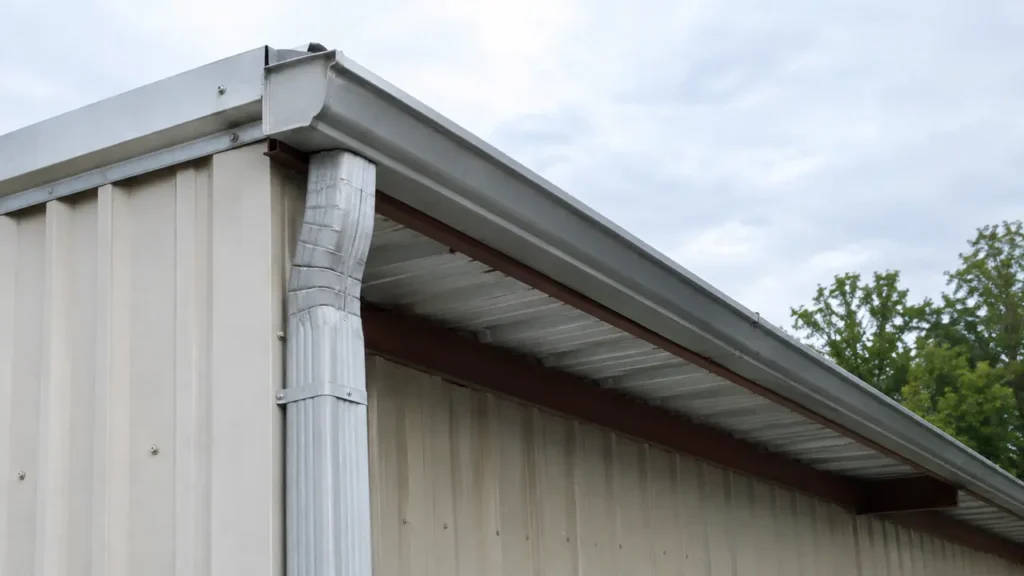
Show the roof edges, visible gutters and where downspouts discharge. Photograph adjoining paved areas, landscaped strips and lower roofs so their relationship to the requested work can be understood. The presence of a gutter is useful information, but it does not answer every question about washing-water management or site restrictions. Provide the facility’s requirements and identify the person authorized to resolve any unanswered drainage question.
Distinguish roof-panel washing from gutter-interior cleaning, canopy-underside washing and wall cleaning. Those are separate surfaces and may require separate access or preparation. State which are essential and which should be considered as options. If blocked drainage or a damaged gutter is already known, identify that maintenance issue rather than expecting a roof wash to correct it. The written proposal should make the boundary between included cleaning, owner preparation and unrelated drainage or repair work easy to recognize.
Compare roof quotations by included work
A meaningful comparison starts with the same buildings and roof sections in each proposal. Check whether the quoted work addresses only the panel surfaces or also includes selected trim, gutters, canopy areas or adjoining walls. Ask for exclusions and unresolved condition questions to be clear. A lower total is difficult to interpret when one proposal covers the main roof and another concerns only a visible entrance canopy.
Confirm the preparation expected from the property, the access assumptions and the contact responsible for releasing each phase. Discuss the intended appearance improvement without treating washing as a new coating, color restoration or roof-life guarantee. Where a stain may remain, the limitation should be understood before the job is accepted. Keep any later repainting or roof repair as its own specified project, with the appropriate provider determining its requirements instead of relying on a cleaning price to cover several different trades.
Send a roof-specific request that moves the quote forward
Text the property address, an overall view of each requested roof section and close views of the visible concern from a safe position. Include available panel or coating records, approximate dimensions and the names used for the buildings on site. Add the roof’s known repair history where it affects the request, along with the contact who can provide access and approve the washing scope.
List the priorities in order: main roof first, a specific canopy, or selected sections needing attention. Put optional gutters, walls or pavement on separate lines. Explain the operating hours and any delivery or tenant restrictions beneath those areas. CoKo’s can use those details to review the washing request and identify what still needs a closer look. A focused first message creates a clearer next step than an unlabeled roof photograph or a square-foot estimate that includes surfaces you did not intend to have cleaned.
A practical start.
Three useful steps.
Show the surfaces
Send wide photos and close views. Label the buildings and the areas that matter now.
Set the boundaries
Explain materials, access, preparation and the work window your property can support.
Review the scope
Confirm included surfaces, responsibilities and the next step before scheduling.
Commercial Metal Roof Washing.
Your questions, answered.
Your next exterior project.
Start with a clearer scope.
Text your address and the priority exterior photos. For a larger project, send the full property details.
Send your address. Show us what needs cleaning.
Text your address, a wide photo and a close-up of the buildup. We’ll review the surfaces and discuss your cleaning options.
Text photos for an estimate Start an online quoteCoKo’s Pressure Washing · (504) 296-9696