
Commercial exteriors · Greater New Orleans
Ferry terminal building washing.
A clearer landside scope between sailings.
Text the terminal fronts, covered approaches and requested pavement. We’ll review the building surfaces with the operator’s passenger and service routes.
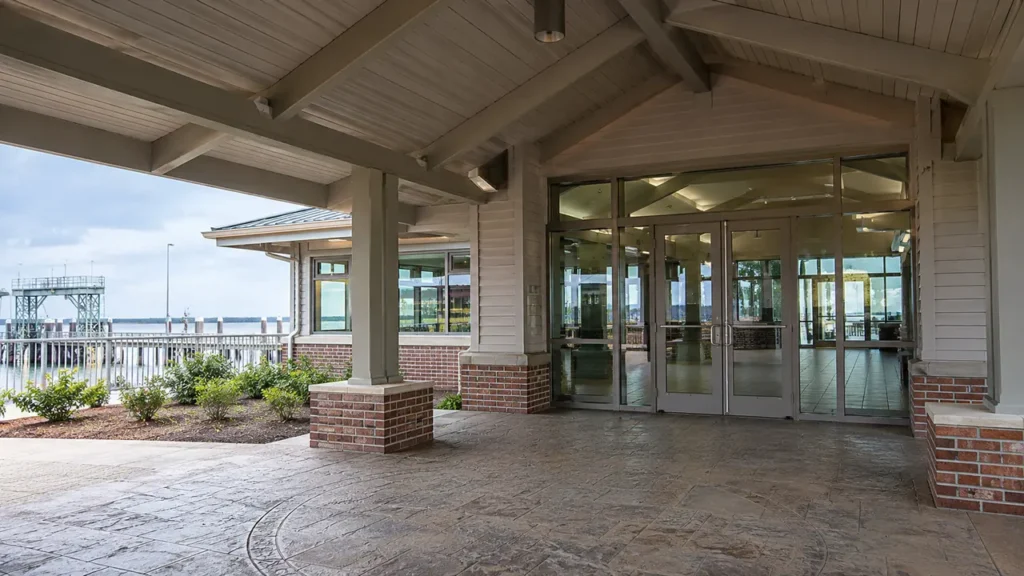
Your property. Your priorities. A clearly defined scope.
Separate the terminal building from marine assets
Ferry terminal exterior washing begins with the building and the people moving through its approaches. A passenger terminal can connect ticketing doors, covered waiting areas, vehicle circulation and restricted boarding spaces within a compact footprint. CoKo’s reviews terminal building exterior washing in Greater New Orleans and the Westbank through the authorized operator or property contact. The initial request should name the land-side surfaces needing attention and show their relationship to passenger use. Vessel cleaning, gangways, loading equipment and waterfront structures are separate assets; they should not become implied work inside a general instruction to wash the terminal.
Identify the outside building elevations, entrance surrounds, canopy components and land-side pavement requested for review. Label each location using the operator’s site references and provide an overview that shows where the public approach meets the terminal. A photograph containing a building, boarding connection and vessel does not establish that the same provider controls or services all three.
List the requested walls, covered ceilings, columns, rails and floor surfaces individually. Mark gangways, piers, vessel surfaces, loading machinery and restricted boarding areas as separate from the building inquiry. CoKo’s can review a more practical washing scope when the operator makes those asset boundaries visible before pricing. If different organizations control the building and the adjoining terminal grounds, identify the person who can coordinate approval of the specific outside components rather than assuming a terminal address provides permission for every surface at the waterfront.
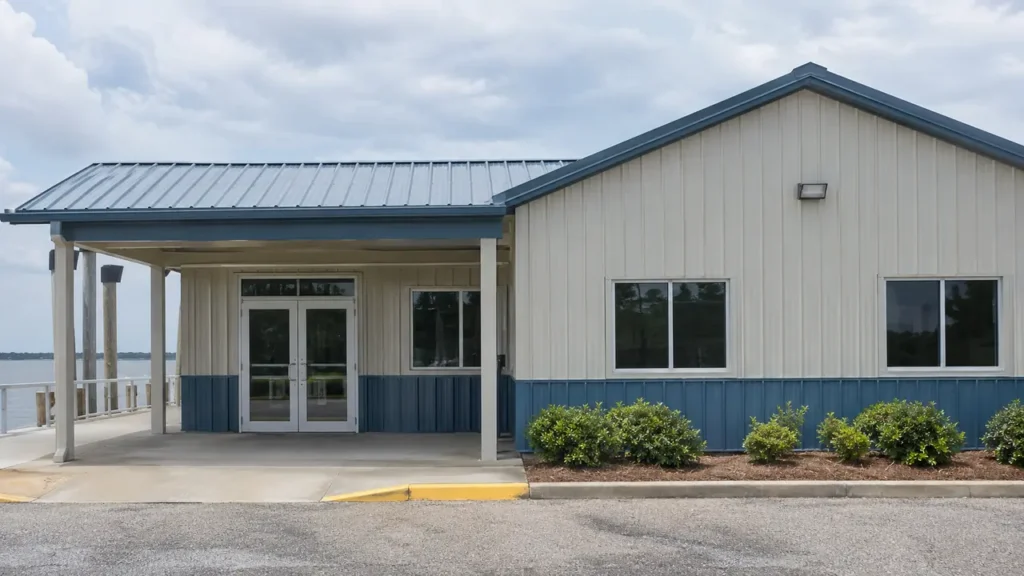
Show passenger arrivals and waiting areas
Photograph the paths passengers use between the street, parking or drop-off areas and the requested doors. Include covered waiting spaces, queues and side approaches that may not appear in a front-elevation image. Explain which routes the operator intends to keep available and how the requested surfaces relate to boarding activity. A terminal can remain occupied between advertised sailings while staff, waiting passengers and arriving travelers continue to use its approaches.
Provide general operating and route information without passenger records or private security details. The operator should determine any temporary public-access arrangement appropriate to the facility. A cleaning schedule should not assume that a side door, adjacent pavement or alternative path is available without confirmation. If the operator cannot release a requested area during the proposed window, keep it pending or discuss a different boundary before the work is accepted.
Identify wall finishes and covered exterior components
Show the actual terminal materials with both wide views and closer photographs. Masonry, painted panels, metal trim, glazed surrounds and coated pavement may meet around one entrance but require different review. Include available care instructions, finish information and details of recent painting or repairs. A sheltered waiting area should not be treated as one uniform pressure-washing surface simply because its components share a roof.
Identify known loose finishes, damaged joints, water-entry concerns and fixtures needing attention from the property’s own maintenance provider. Washing is separate from repairing those conditions or maintaining loading equipment. The quote can consider suitable soft washing or pressure washing for the identified building surfaces while leaving uncertain or specialized components open for further information. If the operator has a standard maintenance specification, supply the relevant exterior-washing requirements early so the proposed scope can be reviewed against the actual facility instructions.
Build timing around the operator’s real release window
Include the terminal’s passenger and staff activity surrounding sailings, not only the printed departure times. Waiting passengers, ticketing activity, vehicle queues and cleaning by other providers may overlap a nominal gap in service. Identify the period in which the operator can prepare and release each requested land-side area and the contact who will confirm it is ready.
For a multi-entrance building, explain whether the operator can release separate approaches in phases. Distinguish a preferred date from a confirmed work arrangement. Include events, service changes or other maintenance affecting the same exterior spaces. The proposal should connect each phase to recognizable building components and an authorized release, rather than requiring the washing visit to decide how passenger circulation will be changed. If a schedule or operating arrangement changes, the operator should communicate the revised availability before the affected phase is treated as confirmed.
Explain service access and equipment positioning
Show the permitted route to the requested building surfaces, including gates, service approaches, narrow passages and any vehicle restrictions supplied by the operator. Identify the contact who can authorize access and answer questions about the approved work area. A vehicle route near a terminal may also serve active operations, so an empty photograph is not enough to establish that it is available for equipment placement.
Keep private access credentials and restricted operational details out of the estimate message. The inquiry needs to show the usable approach and the boundaries requiring review, not provide unrestricted access to the site. Do not assume that a public waiting area or boarding connection can be used as a shortcut to a wall. If the proposed building surfaces cannot be reached through a confirmed arrangement, identify that question before pricing depends on an access method that the facility has not approved.
For a terminal with several service approaches, label which one serves each building elevation. Include the space available beside the wall and any fixed objects that limit the approach. If the operator expects staff to receive the visit or release a gate, include that coordination in the available window. This connects the washing inquiry to a usable building-side route instead of relying on a general terminal map that does not show current operating boundaries.
Have the property photos?
Let’s define the next step.
Send the address, requested surfaces and the contact who can confirm access.
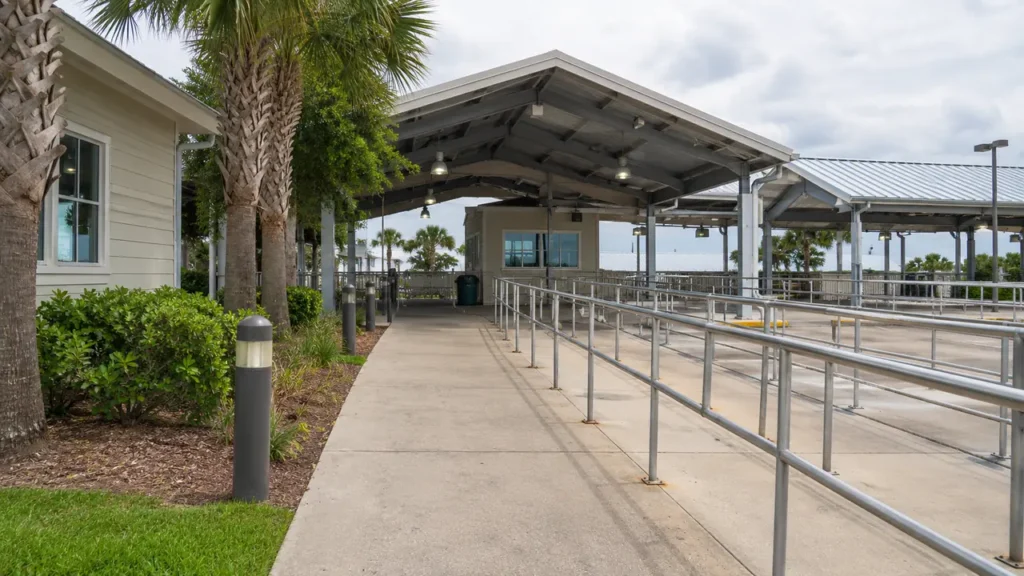
Review waterfront relationships and washing-water requirements
Show the physical relationship between the terminal building, selected pavement, visible drains and nearby water. Include lower or adjoining areas that could be affected by the requested work. The operator should provide the site’s washing-water requirements and name the contact responsible for resolving questions about them. A land-side surface is part of a wider terminal setting, even when the individual wall or entrance is well away from the boarding edge.
No release route, over-water working method or particular containment system is assumed by the building-washing inquiry. Appropriate arrangements must be established for the actual location before work affecting those areas is agreed. Keep a section pending when that review is incomplete rather than treating environmental or waterfront questions as details that can always be settled during the visit. The washing proposal should remain clear about its defined exterior scope and any separate marine or specialist work.
Agree preparation and the building appearance objective
Identify portable signs, mats, bins, outdoor seating and other items beside the requested surfaces. State which party will move them and show fixed components that will remain. A building wash does not automatically include handling terminal equipment, relocating substantial furnishings or maintaining ticketing and information systems. These items can still be important context for the access and preparation plan.
Photograph ordinary wall buildup separately from concentrated marks, worn coatings or damage. Explain which concerns are priorities and which are optional for review. General washing, stain treatment and repairs should be distinguishable in a comparison of proposals. CoKo’s does not promise that every waterfront mark or aged finish will become uniform after washing. A useful terminal building scope identifies the exterior improvement sought, the agreed components and the preparation responsibilities the operator can confirm before the phase begins.
Send a terminal inquiry with clear asset boundaries
Text the terminal address, labeled building views and closer pictures of the requested materials or buildup. Add the permitted land-side approach and the passenger routes that relate to the work area. Include the operator contact, relevant release windows, existing maintenance instructions and washing-water requirements. Photographs from ordinary safe permitted positions are sufficient to start; do not enter a restricted boarding or service area simply to improve an estimate image.
For a larger facility, use the commercial project form to keep the building component list and phase notes together. Ask the proposal to identify the land-side areas included and any separate asset or access question still awaiting information. CoKo’s can then review a focused ferry terminal building washing request against the real property and operating arrangement, giving the operator an understandable exterior scope to consider before scheduling.
A practical start.
Three useful steps.
Show the surfaces
Send wide photos and close views. Label the buildings and the areas that matter now.
Set the boundaries
Explain materials, access, preparation and the work window your property can support.
Review the scope
Confirm included surfaces, responsibilities and the next step before scheduling.
Ferry Terminal Building Exterior Washing.
Your questions, answered.
Your next exterior project.
Start with a clearer scope.
Text your address and the priority exterior photos. For a larger project, send the full property details.
Send your address. Show us what needs cleaning.
Text your address, a wide photo and a close-up of the buildup. We’ll review the surfaces and discuss your cleaning options.
Text photos for an estimate Start an online quoteCoKo’s Pressure Washing · (504) 296-9696

