
Commercial exteriors · Greater New Orleans
Museum exterior washing.
A welcoming way in.
A defined scope for suitable building surfaces and visitor approaches. Text the property photos, materials and the route you want reviewed.
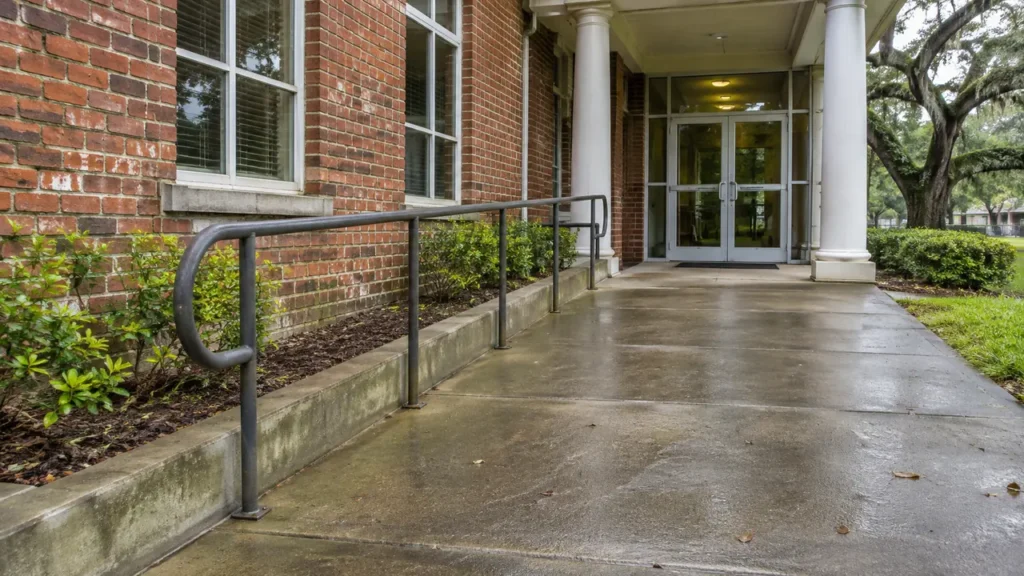
Your property. Your priorities. A clearly defined scope.
Make the visitor approach the starting point
A museum’s exterior request needs a clear distinction between the building, the visitor approach and the collection. CoKo’s reviews suitable modern building surfaces, roofs and exterior paving for properties around Greater New Orleans and the Westbank. Start with entrance and elevation photos, identify the materials and explain normal visitor access. Artworks, collection objects and sensitive historic finishes belong in a separate conversation with the people responsible for them.
The approach to a museum can include a drop-off point, accessible route, forecourt, entry steps and a covered waiting area. Photograph the path a visitor actually follows, including places where groups gather before admission. A shaded entrance can have different surface conditions from an open plaza. Label those areas separately so the washing request reflects their materials, condition and use rather than treating the entire frontage as a single uniform paved space.
Think beyond the main front door. A school group may use a side entrance, staff may enter behind the building and event visitors may arrive through a courtyard. Explain which route is the priority and which must remain available. Include nearby signs, lighting and fixed furniture in the pictures without assuming they are part of the proposed work. A useful first request can focus on the everyday visitor entrance while leaving a larger site-wide maintenance plan for another review.
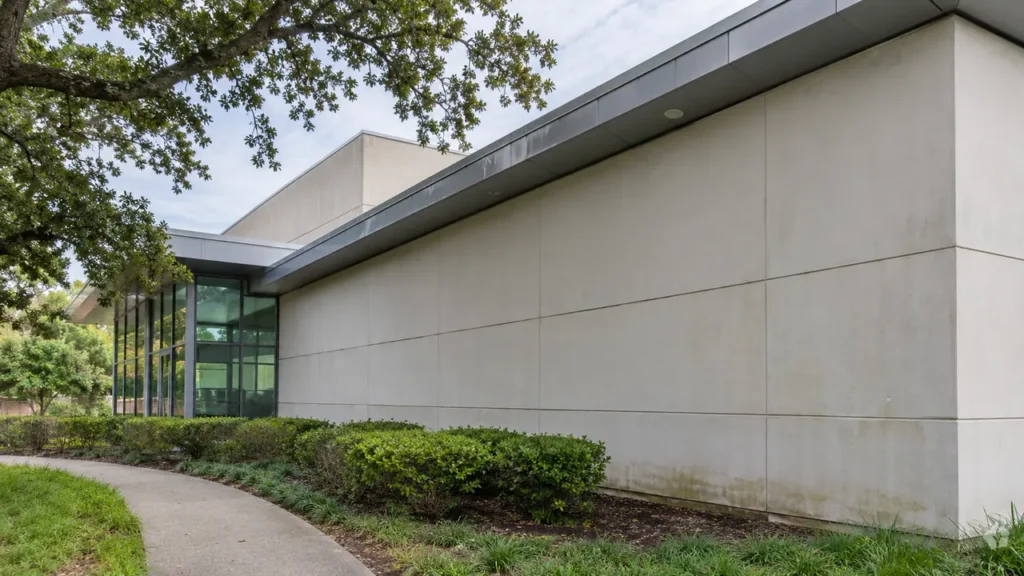
Identify the building materials before selecting a method
Send full elevations and closer views of the surfaces you want assessed. Coated metal, painted siding, modern masonry and decorative panels can present different concerns. Include known repairs, loose coatings, open joints and previous water-entry issues. If material specifications or maintenance instructions are already available, share the relevant information with the project contact. A building’s appearance in a wide photograph does not establish that every part can receive the same cleaning treatment.
Washing should follow a material-and-condition review. Describe the visible buildup and the result you are seeking instead of starting with a demand for a particular pressure or chemical. A painted surface with failing finish may need a repair decision before cleaning can be considered. Cleaning also does not renew a weathered coating or correct a leaking joint. A defined exterior scope lets the property team evaluate suitable areas without assuming that all decorative or older construction details belong in the same project.
Keep collections, artworks and sensitive features distinct
Identify sculptures, murals, plaques, collection displays and other features near the proposed work zone. Their presence on a paved forecourt does not make them ordinary pavement or building surfaces. The museum should name the person responsible for those features and explain any protection or access requirements. A general exterior-washing request should make these boundaries visible before equipment placement or a working sequence is considered.
The same approach applies to sensitive historic materials. Record the concern and involve the property’s appropriate specialist where needed; a routine commercial building proposal should not silently become conservation work. Photos can show the relationship between an agreed modern wall, a path and a nearby feature without treating every item as a cleaning target. Keep the requested built surfaces on one list and sensitive features on another. That makes internal approval clearer and gives staff a practical record of what remains outside the proposed task.
Review roofs without turning an inquiry into an access task
Museum properties may combine a public building, an administration wing and a separate storage or support structure. Identify each roof by building name and show it from ordinary permitted ground-level viewpoints. Include the material if known, the roof edge, gutters and the area below. Mention leaks, loose components or earlier coating work. These details help establish what needs review without asking a staff member to climb or enter a restricted roof area for better photographs.
Consider what sits below each edge. A roof above the visitor queue has different access implications from one above an isolated service strip. Explain which entrances, landscape areas and neighboring property boundaries are affected. A roof can be considered separately from a facade or entrance project rather than included automatically because the building appears in the same image. The eventual proposal should state the actual surface and available approach, with unresolved condition or access questions identified before scheduling.
Plan around visitors, programs and event turnover
Provide the public opening hours, group-arrival patterns and any program that changes use of the exterior. A museum may be closed to general admission while staff prepare for an event, receive an installation or welcome a booked group. Explain those activities when discussing an available work window. The person coordinating the project should be able to confirm which route or forecourt section can be released and communicate that arrangement to the staff who manage arrivals.
If a phased sequence is possible, describe it in practical zones: west approach, covered group entrance or courtyard path. Do not rely on the vague assumption that people can simply walk around the work. Identify the route they would use and who can authorize it. Keep emergency access and other museum-controlled requirements with the responsible site contact. A clear sequence supports day-to-day operation and makes it easier to discuss a focused exterior improvement without treating the visitor experience as an afterthought.
Have the property photos?
Let’s define the next step.
Send the address, requested surfaces and the contact who can confirm access.
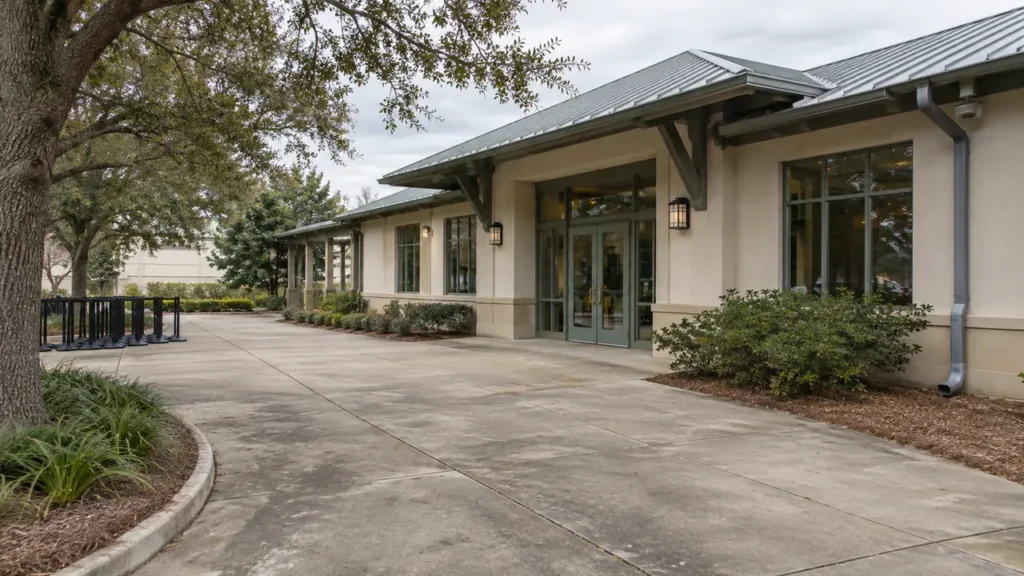
Give paving and drainage their own site review
Concrete, pavers, coated steps and textured approaches need separate condition information. Photograph cracks, loose joints, surface repairs and any finish the museum knows about. Explain whether the request concerns shaded organic growth, tracked dirt or a specific stain. Washing may improve removable buildup while leaving wear, discoloration or repair marks visible. Those differences should be understood before a proposal is compared with a general expectation of a completely renewed surface.
Also show the drainage direction, nearby planting and the route between the work area and the water connection offered by the museum. Wash-water arrangements need to fit the actual task and the property’s requirements. A drain or landscape edge is not enough information by itself. Identify any restrictions on equipment position or hose routing, particularly near visitor approaches. These practical details help distinguish a straightforward land-based entrance project from a section that needs more access or material review before it can be included.
Assign preparation to the people who control the site
The museum team should identify who can move queue barriers, portable signs, planters or event furniture. Fixed pieces and sensitive displays should be marked in the scope photos. If an object must remain in place, say so early instead of relying on a last-minute decision after a work zone has been proposed. Keep access to collections, storage rooms and staff-only areas outside the general first inquiry unless a specific authorized arrangement is being reviewed.
A simple preparation record can list the zone, the requested surface, the person releasing it and the items that remain nearby. Update the record if an exhibition change or event alters the exterior layout. A clear photograph from several weeks earlier may no longer describe the available approach. This does not require elaborate plans to begin; a labeled image and a named contact are often enough to identify the useful next question and prevent assumptions about movement or access.
Request a proposal with useful boundaries
Send the property address, building names, requested surfaces, current photos and the timing constraints together. Identify whether the museum, a landlord or another property manager controls each section. A useful written proposal distinguishes roofs, opaque walls and suitable paved approaches, explains expected preparation and identifies any conditions still requiring confirmation. Collection care, conservation, repairs and specialist surfaces should remain clearly separated from the ordinary exterior-washing request.
Text the main priorities to CoKo’s, or use the detailed commercial project form for several buildings and more involved access notes. Start with a route or elevation you can make available. There is no need to bundle every part of a campus into the first discussion. Keeping a clear surface list also helps future maintenance reviews: staff can describe what has changed, which areas matter now and which conditions need fresh consideration rather than treating an earlier quote as a permanent plan for the entire museum.
A practical start.
Three useful steps.
Show the surfaces
Send wide photos and close views. Label the buildings and the areas that matter now.
Set the boundaries
Explain materials, access, preparation and the work window your property can support.
Review the scope
Confirm included surfaces, responsibilities and the next step before scheduling.
Museum Exterior & Visitor-Entrance Washing.
Your questions, answered.
Your next exterior project.
Start with a clearer scope.
Text your address and the priority exterior photos. For a larger project, send the full property details.
Send your address. Show us what needs cleaning.
Text your address, a wide photo and a close-up of the buildup. We’ll review the surfaces and discuss your cleaning options.
Text photos for an estimate Start an online quoteCoKo’s Pressure Washing · (504) 296-9696

