
RV parks · Campground buildings
RV park exterior washing.
Plan around the people staying there.
From the office roof to bathhouse siding and common-area concrete, start with the permanent surfaces that need attention. Text CoKo’s building photos and your park’s access window so the washing request can be reviewed around arrivals, occupied sites and everyday use.
Your buildings. Your access. A defined washing scope.
The buildings and the operation
Permanent buildings.
A plan for an occupied park.
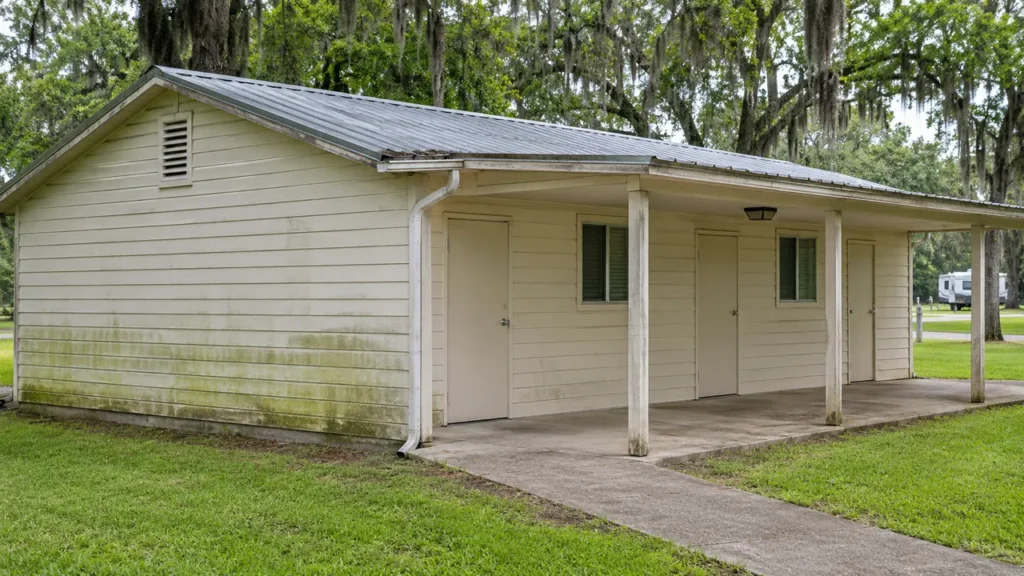
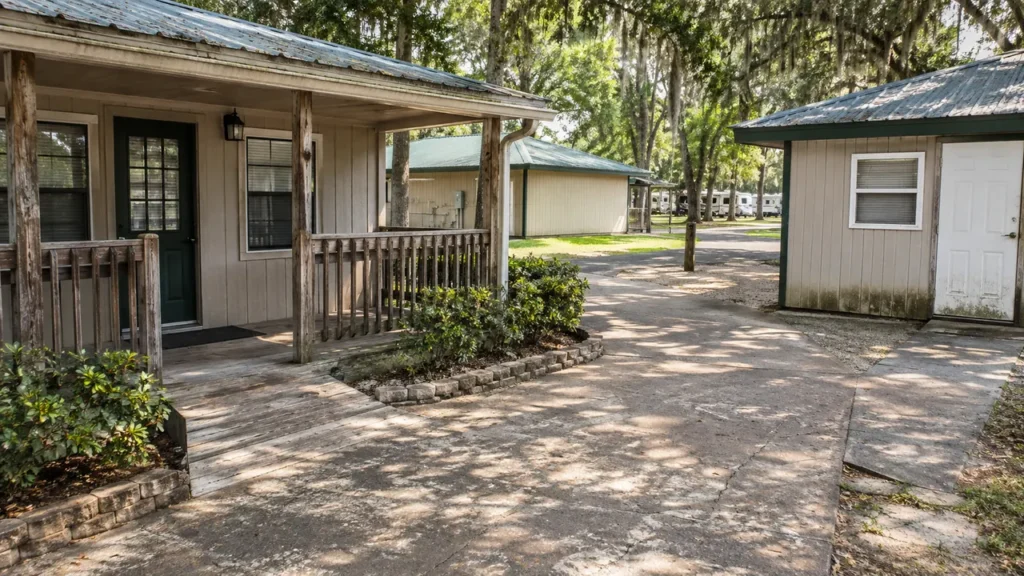
Show the office, bathhouse, recreation buildings and agreed common-area surfaces. Explain when each area can be made available and how the park will coordinate guest access.
 1 · YOUR SCOPE
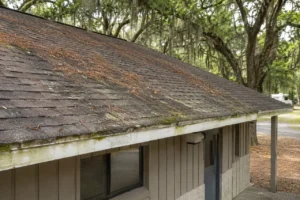
Roofs
Materials and condition for each building.
 2 · YOUR SCOPE
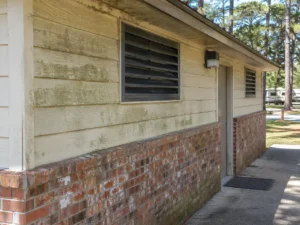
Exteriors
Office, bathhouse and recreation-building walls.
 3 · YOUR SCOPE
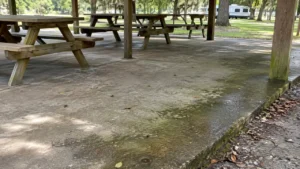
Hard surfaces
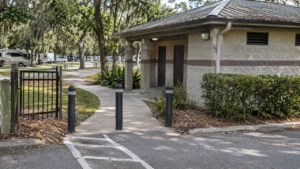
Paths and shared concrete reviewed individually.
 4 · YOUR SCOPE
Access plan
The park coordinates guests, vehicles and available areas.
Make a building list before making a park-wide request
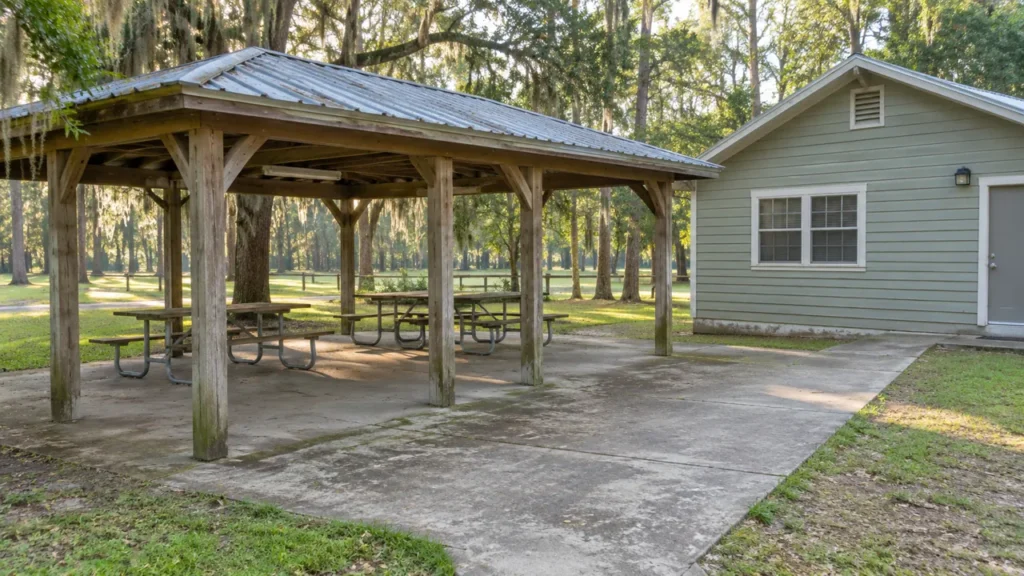
An RV park can contain several very different washing tasks within a short walk. The office may have painted siding and a small porch, the bathhouse may have masonry walls, and the recreation area may connect to older concrete paths. List those permanent buildings and surfaces separately. A simple sketch or annotated photo can show what you want considered without turning every part of the property into an automatic inclusion.
Include the areas you do not want washed as well. Privately owned RVs, guest belongings, utility equipment and interior cleaning are separate from a permanent-building exterior request. When several people manage the park, agree on a contact who can confirm the list. A clear starting scope helps CoKo’s review the surfaces and the next step, while reducing the chance that a guest’s vehicle or occupied site is mistaken for part of the project.
Work around arrivals, departures and occupied sites
Tell us how the park operates on the days you are considering. Check-in traffic, departures, laundry use and people walking to the bathhouse can all affect whether a section is available. Describe the busiest windows and any route that must stay open. Rather than promising that washing will be invisible to guests, discuss which areas can be taken out of use and how the manager can communicate that arrangement.
A phased request can separate the office approach from a bathhouse elevation or a recreation-building walkway. That does not mean every proposed phase is automatically workable. The park team should identify alternative routes and how it will keep people, pets and vehicles away from the agreed work area. Confirm the sequence before scheduling, and leave room to delay a section if the actual occupancy or access conditions change.
Look at the roof before choosing a cleaning method
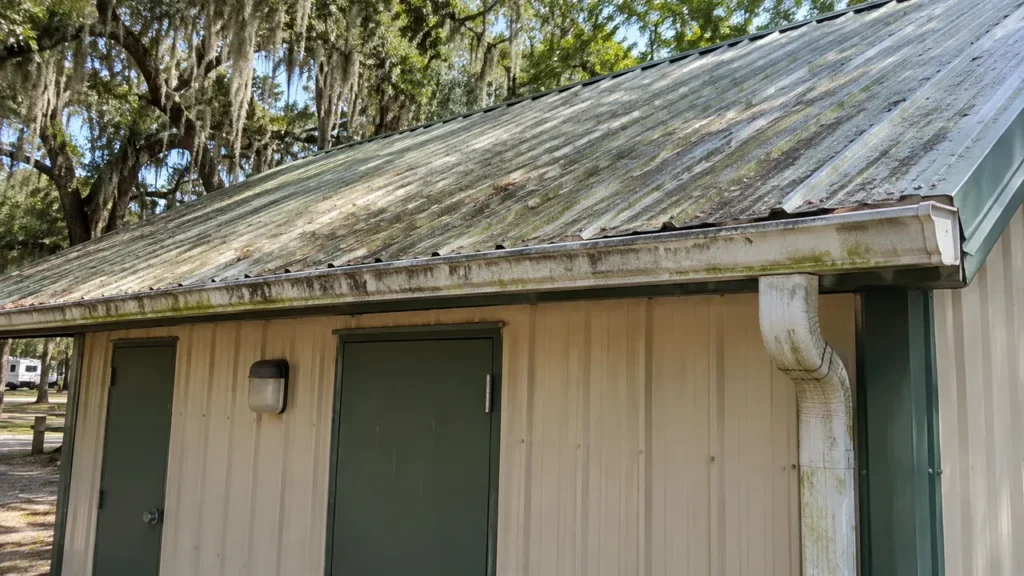
Roof washing begins with the material and its condition, not the assumption that every park building can take the same treatment. Explain whether the roof is metal, shingle or another material if known. Mention leaks, patched sections, loose components or a history of coating problems. An office roof nearing replacement needs a different conversation from a sound roof with surface buildup. Washing does not repair a worn roof or extend a warranty by itself.
Send photos from a normal permitted viewpoint if available. Nobody needs to climb onto a roof to start a quote request. Access, nearby buildings, overhead obstructions and the surface condition all need review before a roof section can be included. A request for several buildings should identify them individually so that a suitable method and exclusions can be considered for each roof, rather than applying one blanket promise to the entire park.
Match the exterior-wall scope to each finish
Bathhouse siding, painted office walls, covered entries and recreation-building exteriors may show different kinds of weathering. Describe the visible buildup and the actual finish. Failing paint, soft timber, open joints and damaged trim should be identified before a routine washing task is agreed. Some appearance problems are signs of maintenance needs that cleaning alone will not resolve; a quote should not imply that every mark or defect will disappear.
Doors, windows, vents and mounted fixtures affect the adjacent washing area even if those items are excluded. Tell the reviewer which doors guests need to use and whether a particular elevation can be closed off. The useful goal is a defined surface list with a method appropriate to its condition, rather than pressure as a selling point. CoKo’s can review the requested building exteriors without promising a result that the existing material cannot support.
You do not need every measurement to start
Have the building photos?
Let’s plan around your park.
Send the permanent-building list, requested surfaces and the park contact who can confirm guest routes and available areas.
Treat common-area concrete as a separate task
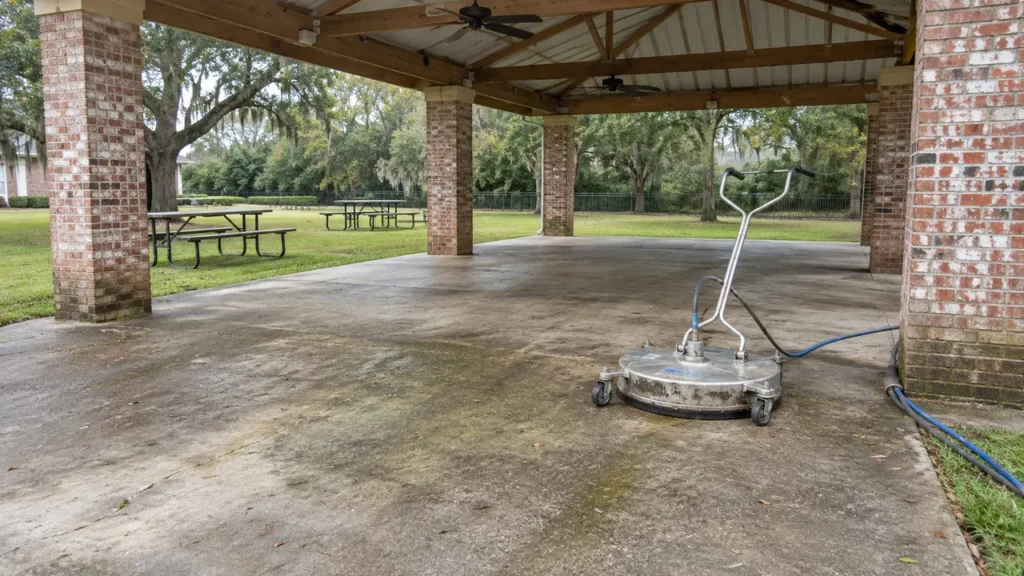
Identify the permanent concrete you want assessed: the office approach, paths beside the bathhouse, a covered pavilion apron or another shared area. Include the surface condition and how guests normally reach it. Cracks, uneven sections, loose coatings, painted markings and drainage features should be part of the review. Washing is not concrete repair, and it does not remove the need to address a damaged or uneven walking surface.
Guest-use patterns matter as much as the square footage. A narrow path that is the only route to a building needs a different access arrangement from an unused apron. Explain what can be moved and which areas the manager can make available. Do not bundle every RV pad into a common-area request unless those pads have actually been identified, are available and have been reviewed for nearby property and utility constraints.
Protect the boundary around hookups and guest property
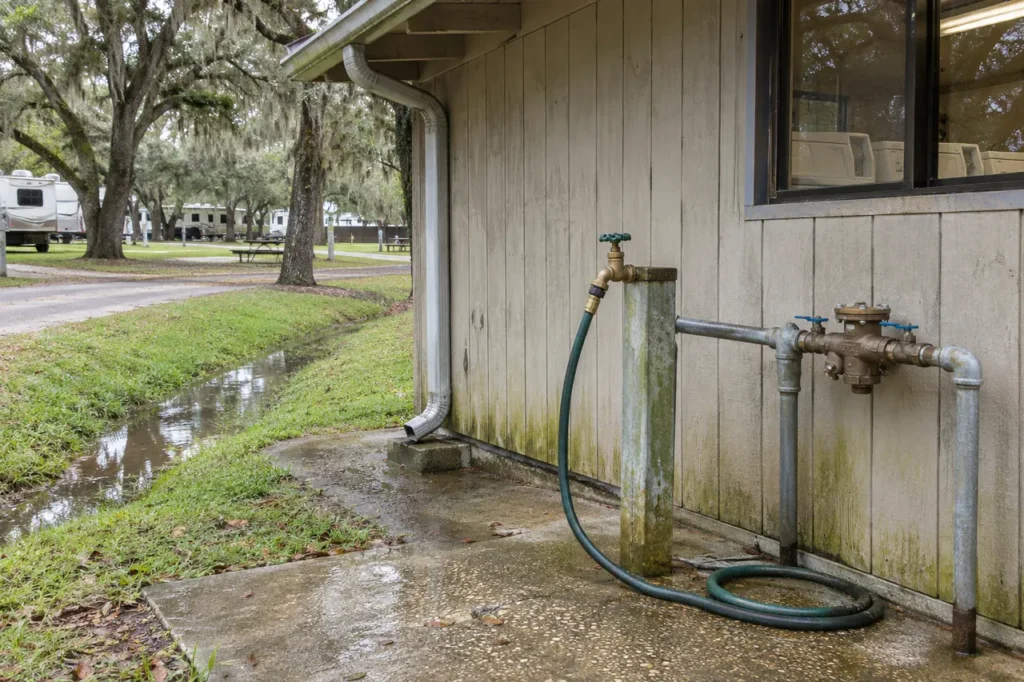
Occupied RV sites can have electrical connections, water lines, sewer connections, awnings, furniture, bicycles and other belongings close to the building or pavement requested. The park contact should identify those boundaries and arrange any needed separation through its own guest communication process. A clear-looking strip of pavement does not establish permission to wash beside a connected vehicle or across someone’s belongings.
Electrical exposure is one of the hazards identified in CDC pressure-washer safety guidance. For a park project, the practical response is to define the area and the equipment that must remain outside it before agreeing to a task. This page does not offer electrical pedestal cleaning, utility servicing, sewer work or RV detailing. If the requested surface cannot be separated appropriately from those features, it needs further review rather than an automatic place in the quote.
Primary safety reference: CDC pressure-washer safety guidance.
Discuss water, drainage and the weather window
Before work is agreed, identify the proposed water source and any park rules affecting its use. Explain nearby drainage, landscaping and areas the operator wants protected. If the site has wash-water collection or discharge requirements, provide the actual requirements for review. An existing drain or gravel edge is not automatic permission for disposal, and a general exterior washing description is not a promise of a particular runoff arrangement.
Weather and the available access window also affect planning. A manager may prefer work between busy arrival periods, but a preferred date still needs confirmation against the task and conditions. Discuss what happens if an agreed area cannot be released or weather changes the plan. Clear communication about a revised sequence is more useful than a blanket claim of no disruption, especially when guests depend on the same paths and buildings being considered for washing.
Prepare the park without asking guests to guess
Once a scope is being developed, assign the park-side preparation to the person who can actually arrange it. That may include moving park-owned furniture, identifying the work boundary, coordinating building availability and notifying guests through the park’s normal channels. Do not assume CoKo’s can move private possessions or enter an occupied site because the park manager requested a quote. Permissions and arrangements need to be explicit.
The proposal should distinguish the washing task from preparation and any exclusions. If a pavilion table, wall-mounted item or other feature is requested, identify it rather than relying on an all-inclusive phrase. Keep interior restroom sanitation, pool-water treatment and pest control separate from exterior washing. This makes the commercial request easier to review and helps the park team explain the actual work to guests without promising unrelated services.
Send a quote request that explains the operation
Start with the address, building list and photos of the permanent surfaces. Approximate measurements are useful when already available, but the first conversation does not require a complete surveying exercise. State the desired timing, typical busy periods and the contact who can confirm access. Mention whether the park has a contractor onboarding process or particular document requirements so they can be reviewed before a schedule is discussed.
Greater New Orleans and the Westbank are the immediate focus for commercial inquiries. Other locations require individual review; this page does not claim every campground is within the service area. Text is the easiest starting route for a short building list and photos. The full commercial project form provides more space when the manager needs to explain several buildings, requested phases or specific access arrangements.
Keep a usable record for the next maintenance cycle
After the initial scope is agreed, retain the building and surface list so future requests have a useful starting point. Record which areas were included, which were excluded and what still needed review. Future washing should still account for current condition and access; an earlier scope does not establish that the same method or timing will always be appropriate. Avoid setting an interval solely because a generic maintenance calendar says it is time.
A park may need attention at the office before the rest of the property, or a bathhouse exterior may be the first priority. A focused request is worthwhile when it addresses the actual need. Send the surfaces that matter now, explain how the park can make them available and review a practical next step. The aim is a clearer exterior washing plan for the permanent property, with guests, vehicles and utilities accounted for from the beginning.
Three useful steps.
One commercial request.
Send building photos, roof information and the permanent surfaces requested.
Identify occupied areas, guest routes, protected hookups and the manager who can release the work area.
Confirm included surfaces, exclusions and arrangements before scheduling.
RV park exteriors.
Your questions, answered.
Greater New Orleans · Westbank first
Your park buildings.
A clearer washing scope.
Text your park-building photos to 504-296-9696. We can review the permanent surfaces, guest-access arrangements and next step.
Send your address. Show us what needs cleaning.
Text your address, a wide photo and a close-up of the buildup. We’ll review the surfaces and discuss your cleaning options.
Text photos for an estimate Start an online quoteCoKo’s Pressure Washing · (504) 296-9696

