
Data center buildings · Exterior surfaces
Data center exterior washing.
A defined scope outside the equipment.
Plan the building surfaces first. Text CoKo’s exterior photos and a short description of the roofs, walls or suitable pavement requested. Your facility team controls access, protected equipment and the conditions for any proposed work.
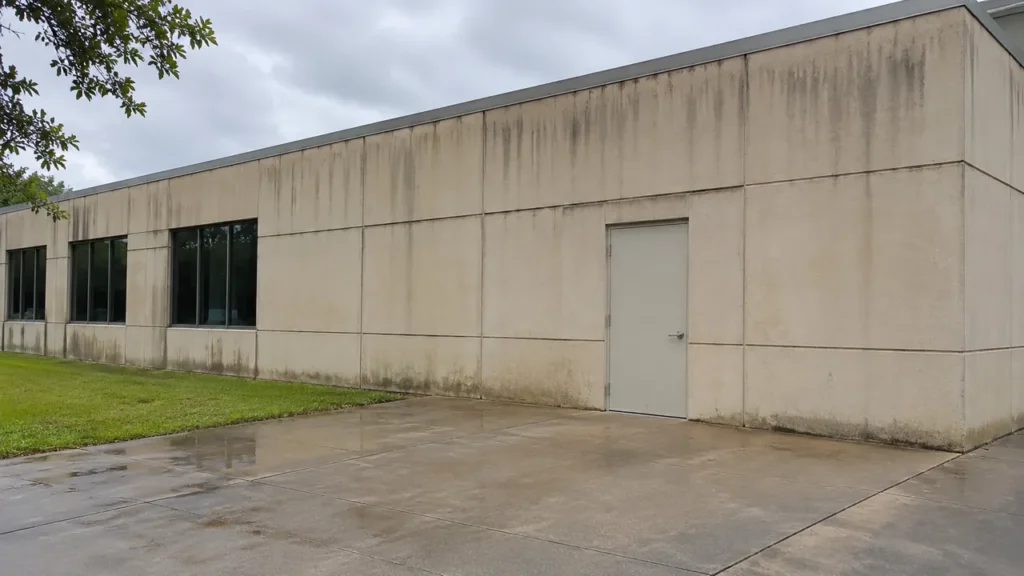
Your buildings. Your access. A defined washing scope.
The buildings and the operation
The building exterior.
A defined next step.
Show the roofs, wall elevations and suitable pavement requested. The facility team defines permitted access and the protected areas outside the washing scope.
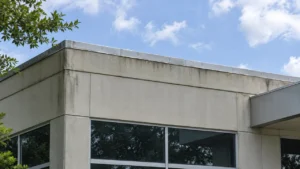 1 · YOUR SCOPE
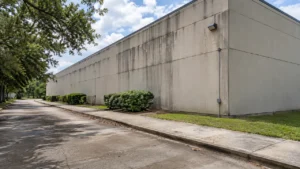
Roofs
Material, condition and protected zones.
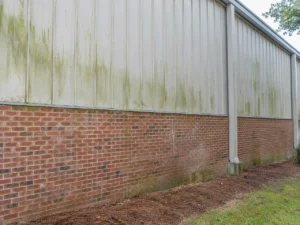 2 · YOUR SCOPE
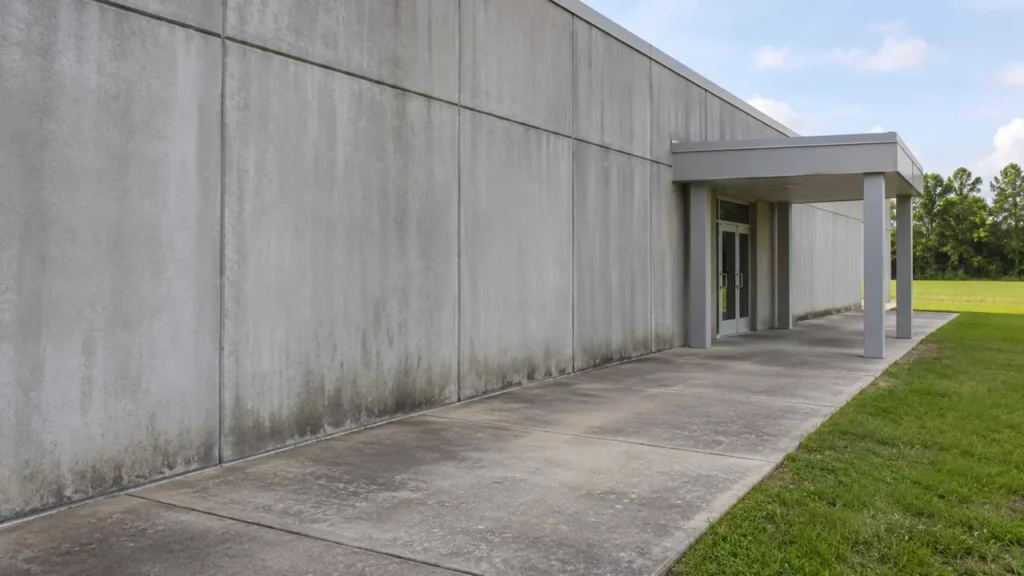
Exteriors
Wall materials and the elevations requested.
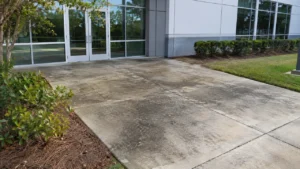 3 · YOUR SCOPE
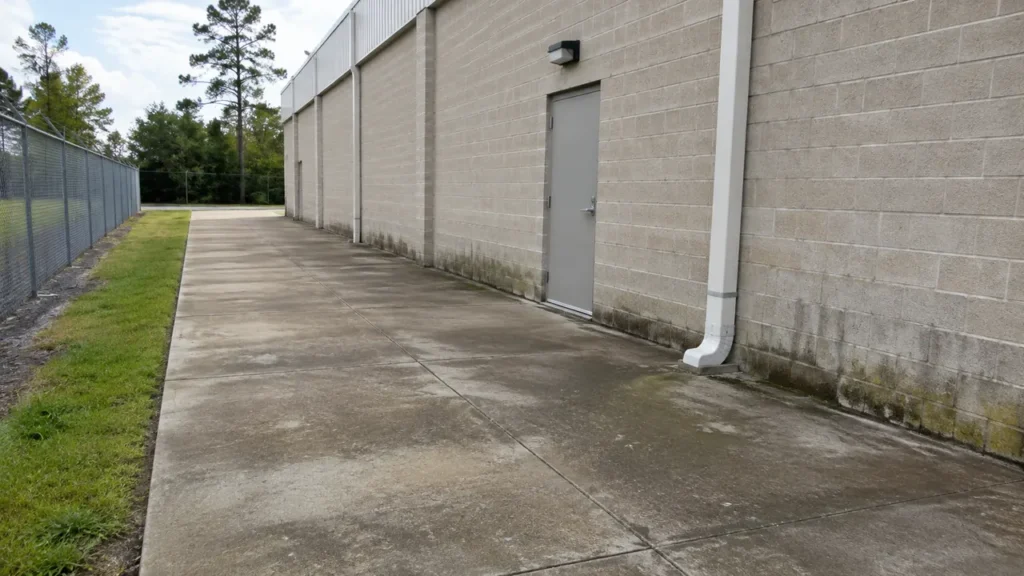
Hard surfaces
Agreed pavement areas reviewed individually.
 4 · YOUR SCOPE
Access plan
The facility team controls access and work-zone readiness.
Start with the building envelope, not the equipment
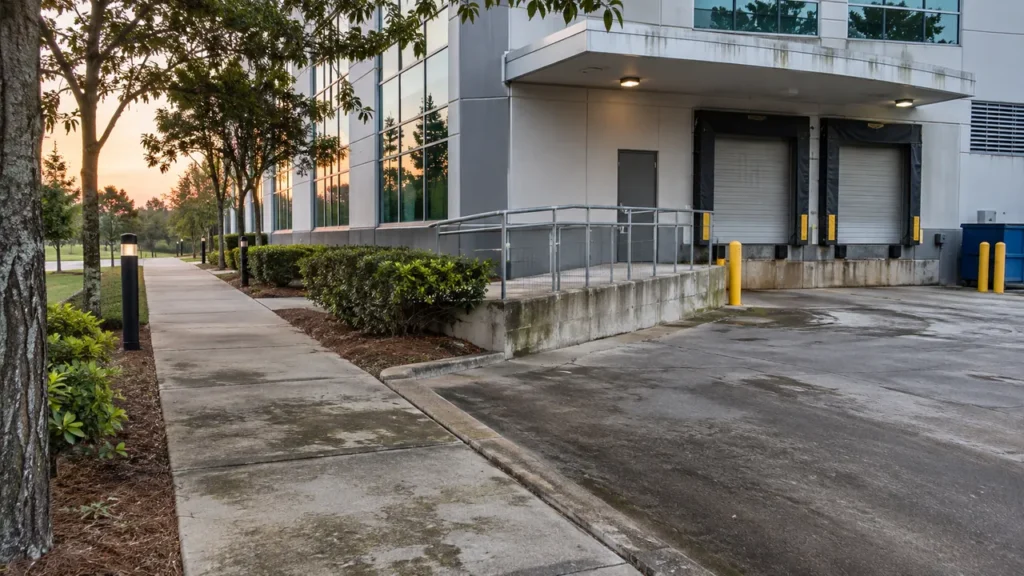
A data center washing request should identify the actual exterior surfaces needing attention. A stained wall beside a visitor entrance, weathered roof sections and a concrete approach are different tasks. Describe each separately instead of asking for a blanket wash of the site. Building names, surface materials and photographs taken from permitted viewpoints help turn a broad request into an understandable scope. If photography is restricted, say so at the start; a facility-approved description or arranged review can establish the next step.
CoKo’s reviews commercial exterior washing requests for building roofs, exterior walls and suitable hard surfaces. This page does not offer cleaning inside data halls, server or rack cleaning, or servicing electrical and cooling equipment. A washing proposal should state the areas included and the exclusions clearly. That distinction helps procurement, facilities and the person supervising access review the same request before a date is discussed.
Have the right facility contact define the boundaries
The person requesting a quote may not be the person authorized to approve work beside sensitive infrastructure. Identify the facilities contact and explain whether engineering, security, property management or another operator representative needs to review the scope. Ask that team to mark the approved work area, the route to it and any places where equipment, hoses or water must not go. Do not infer permission from an open gate or a clear strip of pavement.
Share the operating constraints that affect the proposed task without sending confidential layouts or access credentials through a general inquiry. A useful first message can simply say that escorts, restricted photography or an approved work window may apply. Detailed arrangements belong in the facility’s authorized process. CoKo’s should receive the practical boundaries needed to assess the work, while the operator retains responsibility for authorizing access and coordinating its own systems.
Review roofs by material, condition and exposure
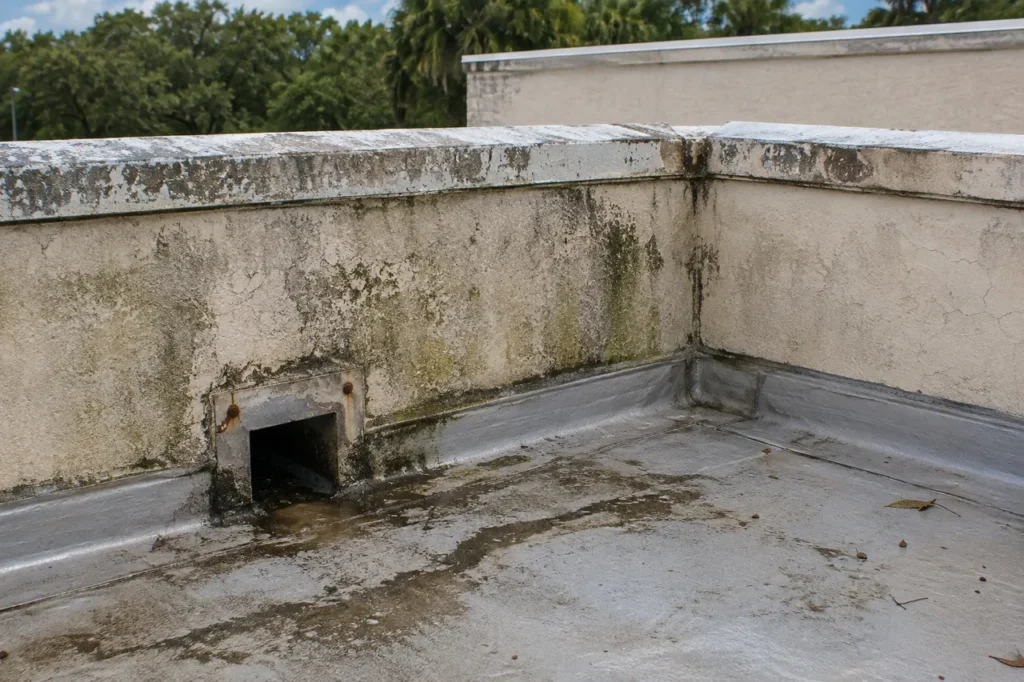
A roof request needs more detail than the total building area. Explain the roof material if known, the visible condition and which sections are being considered. Include known leaks, repaired areas, fragile components or manufacturer restrictions that the facility wants reviewed. Photos from an approved safe viewpoint can help a discussion; nobody needs to climb or enter a restricted area just to send an initial inquiry.
Roof equipment and openings also affect whether a proposed washing method is suitable. The facility team should identify protected zones and the conditions under which any nearby work could be considered. A roof scope is not an offer to clean mechanical units, intake components, wiring or other infrastructure. If the available information does not establish a workable separation between the requested surface and sensitive areas, that part of the request needs further review before it can be included.
Separate exterior wall cleaning from openings and fixtures
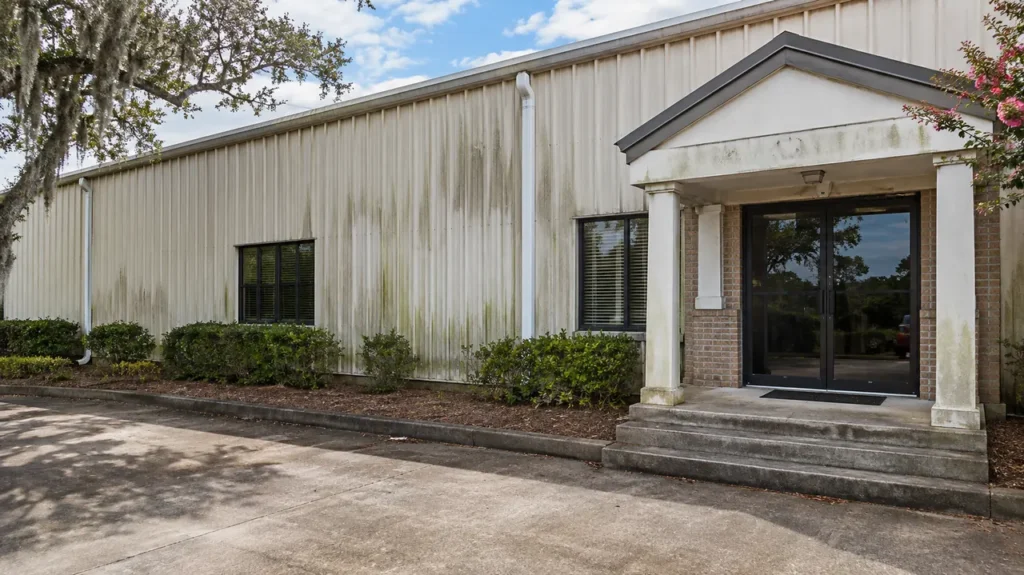
Break wall elevations into useful sections: visitor-facing frontage, service-side walls, sheltered entries and any other requested areas. State whether the surface is painted masonry, coated metal, precast concrete or another material. Areas with failing paint, damaged sealants, loose finish or previous repairs deserve specific attention because ordinary-looking staining can sit beside a surface that needs repair rather than washing. Photographs help distinguish the appearance concern from the condition of the underlying finish.
Include windows, vents, louvers, doors and mounted fixtures in the access discussion even when they are excluded from cleaning. Their location may affect how the adjacent wall can be approached. Do not describe a building as waterproof merely because it is commercial. A practical proposal identifies the surfaces being assessed and the features that must be protected or avoided, then makes the appropriate method conditional on that review. It does not promise to remove every stain or correct a building-envelope defect.
You do not need every measurement to start
Have the exterior list?
Let’s review the scope.
Send permitted exterior views or a surface description, the requested buildings and the facility contact for access review.
Define the pavement that is actually available
A concrete walkway outside an office entrance has different access constraints from an active service approach. Identify the specific pavement requested, how people and vehicles use it, and whether the facility can make sections available. Include loading activity, visitor arrivals, deliveries and any route that must stay open. A phased plan may be worth discussing, but the operator must first confirm which sections can be separated from normal movement.
Surface condition matters here too. Mention damaged joints, loose coatings, painted markings, covers and any areas where the proposed work could affect adjacent materials. Explain what kind of buildup is visible rather than assuming every mark can be removed. Routine exterior washing does not become hazardous-material remediation because a stain is dark or oily. If the material is unknown or the facility has a special contamination concern, identify that concern before requesting an ordinary washing quote.
Keep water and sensitive equipment apart
Electrical exposure is a serious reason to define the work area before selecting a washing method. The CDC’s pressure-washer safety guidance identifies electrical hazards associated with this equipment. For a data center exterior request, the practical next step is to have the facility identify its sensitive equipment, protected openings and areas that cannot receive water. This is not something a marketing page can determine from a building photograph.
Discuss the water source, drainage and any collection or discharge requirements with the facility contact before work is agreed. Existing drains are not automatic permission to send wash water into them. The site’s requirements and the characteristics of the proposed task need review. No promise of runoff compliance, equipment protection or uninterrupted operation should substitute for an agreed scope and suitable site arrangements. If those arrangements cannot be established, the affected work should remain outside the proposal.
Primary safety reference: CDC pressure-washer safety guidance.
Plan the working window around the actual operation
A useful scheduling request describes the operator’s available window and the activities that could conflict with washing. Explain whether maintenance visits, deliveries or other contractors are already planned. If a route must stay available or the facility has a process for temporary work zones, include that requirement. CoKo’s can review the requested timing as part of the quote discussion; availability and a workable sequence must be confirmed rather than assumed.
Avoid making an exterior washing appointment stand in for an operational risk assessment. The operator should decide which internal teams need to approve nearby work and whether any site-specific conditions apply. The washing scope should record the agreed start area, sequence, communication contact and stop conditions relevant to the task. A clear plan is more useful than a generic promise of after-hours service, and it leaves room to postpone a section when the facility cannot make it available.
Give procurement a scope it can compare
For a quote request, send the site address through the approved contact route, a building or elevation list and the requested surfaces. Include approximate dimensions if readily available, but do not delay the first inquiry while trying to measure a restricted area. State any access review, escort arrangements or vendor-document requirements early so that the next step can be assessed realistically.
Ask that the proposal distinguish included surfaces, exclusions, preparation and any unresolved conditions. If the facility needs particular insurance evidence, onboarding documents or contract terms, provide the actual requirements for review rather than assuming a certification or approval exists. A request is not a completed engagement, and this page does not present a named data center as a customer. The goal is a defined commercial washing discussion that the authorized facility team can evaluate on its own terms.
Use the initial photos without exposing the facility
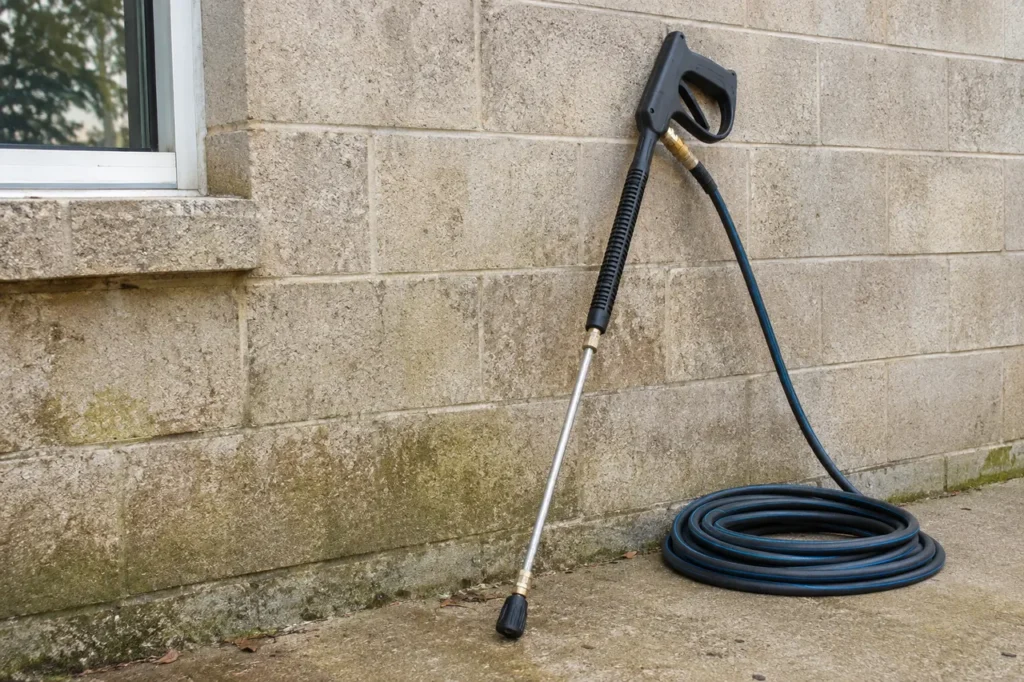
Choose exterior views that explain the surface and its condition. A broad wall view plus a closer view of the staining may be enough for an initial conversation. Avoid sending access codes, badge information, security layouts, equipment identifiers or other material that the operator restricts. Where photographs are not permitted, describe the surface and ask about an approved alternative for review.
The address helps establish where the request is located, but it does not by itself confirm service availability or permission to enter. Greater New Orleans and the Westbank are the immediate focus for CoKo’s commercial inquiries. Other locations require individual review rather than an automatic coverage claim. Text is the simplest first route when facility policy permits it; use the full commercial project form when a longer written scope is more appropriate.
Finish with an agreed exterior list
Before scheduling, the useful outcome is a short, unambiguous list of building surfaces and site arrangements. It should identify the approved area, the contact who can release it, the nearby features that must remain protected and any information still needed. Separate an accepted task from a section awaiting review. That helps prevent a broad phrase such as exterior cleaning from expanding into equipment work or access that was never agreed.
If the request includes a roof and several wall elevations, each can have its own assessment and exclusions. Suitable pavement can be considered separately rather than bundled automatically. Start by showing what needs attention and how the facility can make it available. CoKo’s can then review a practical next step for the exterior washing request, without promising an equipment service, a compliance outcome or a guaranteed operational result.
Three useful steps.
One commercial request.
Send the permitted surface list, roof information and the building areas requested.
Identify approved routes, protected areas and the contact who can authorize the work zone.
Confirm included surfaces, exclusions and arrangements before scheduling.
Data center exteriors.
Your questions, answered.
Greater New Orleans · Westbank first
Your building exterior.
A clearer washing scope.
Text permitted exterior photos to 504-296-9696. We can review the building surfaces, facility-led access arrangements and the next step.
Send your address. Show us what needs cleaning.
Text your address, a wide photo and a close-up of the buildup. We’ll review the surfaces and discuss your cleaning options.
Text photos for an estimate Start an online quoteCoKo’s Pressure Washing · (504) 296-9696